Understanding the Benefits of Energy-Efficient AC Systems
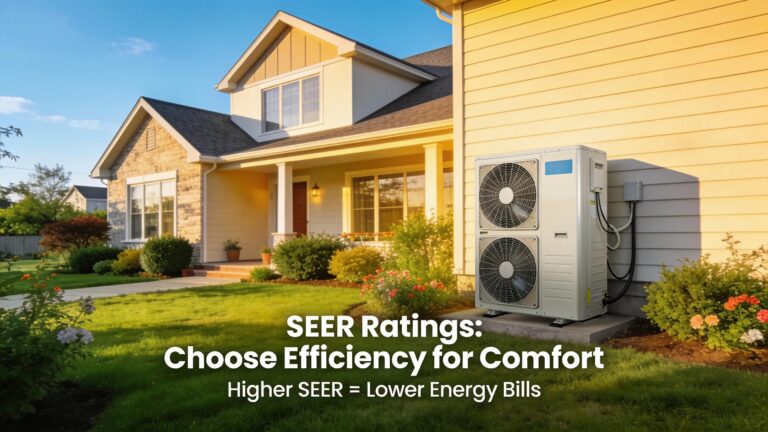
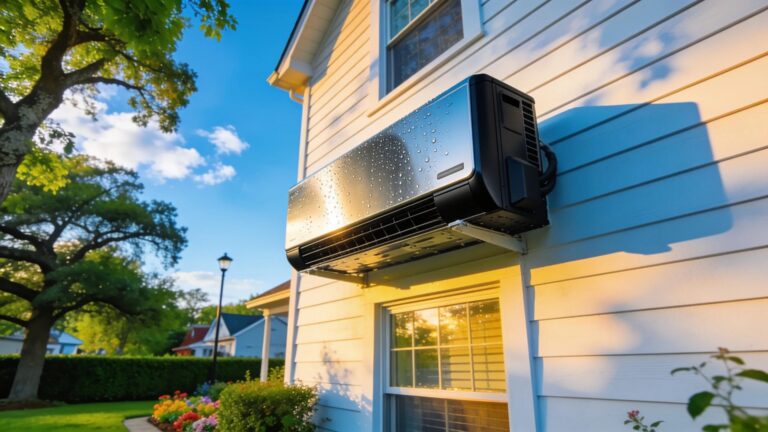
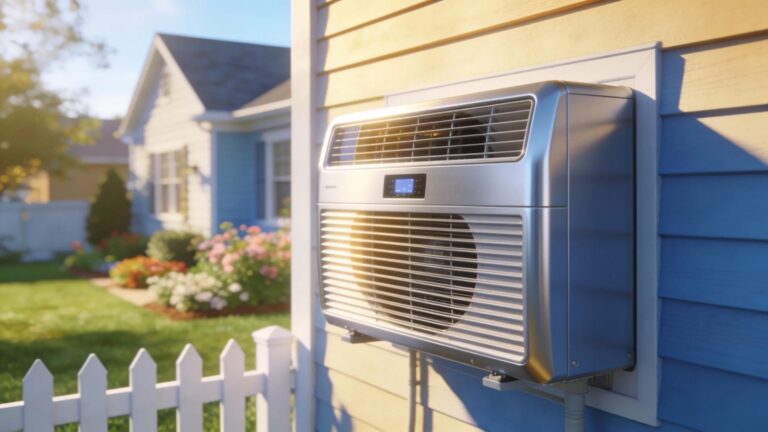
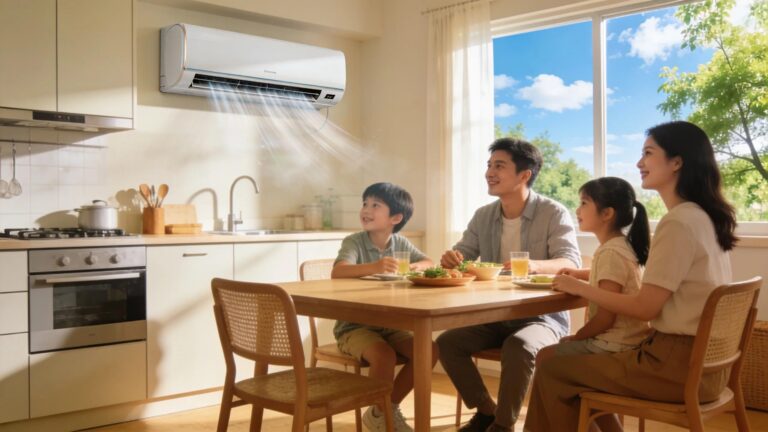
Energy-efficient air conditioning systems can significantly reduce your home's energy consumption, leading to lower utility bills and a smaller carbon footprint. These systems utilize advanced technology to optimize performance and minimize energy waste, making them an attractive option for environmentally-conscious homeowners.
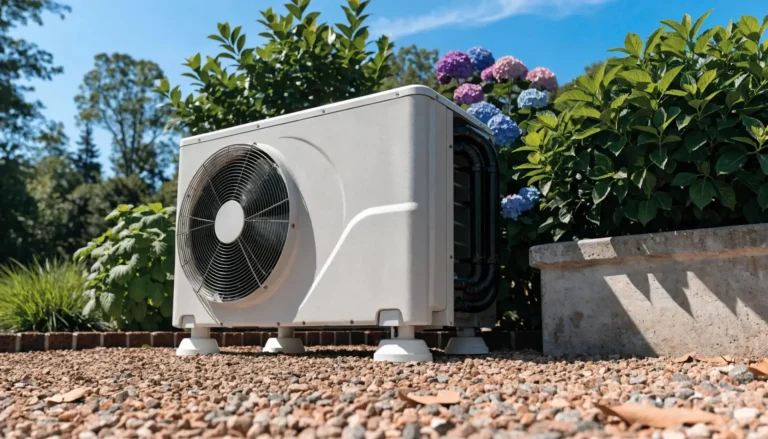
For example, models that are ENERGY STAR certified can use up to 15% less energy than standard models. Additionally, investing in a high-efficiency AC system can qualify you for various rebates and incentives, further enhancing your savings while contributing to a more sustainable future.
Regular Maintenance: Key to Extending Your AC System's Lifespan
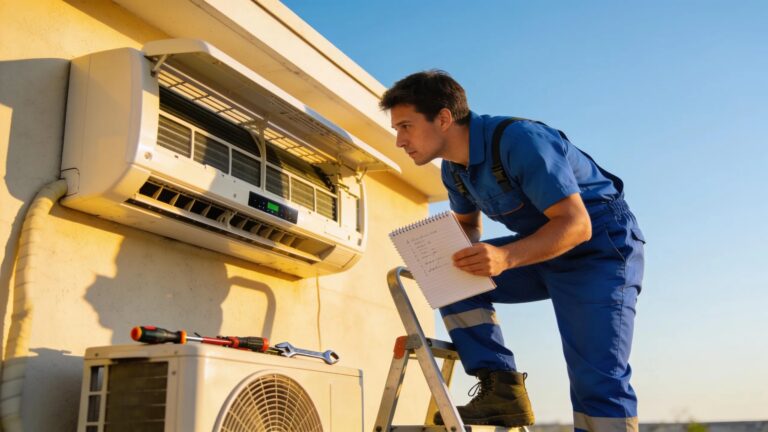
Regular maintenance is crucial for ensuring the longevity and efficiency of your air conditioning system. Routine checks can help identify potential issues before they escalate, saving you from costly repairs and ensuring your system operates at peak performance throughout its lifespan.
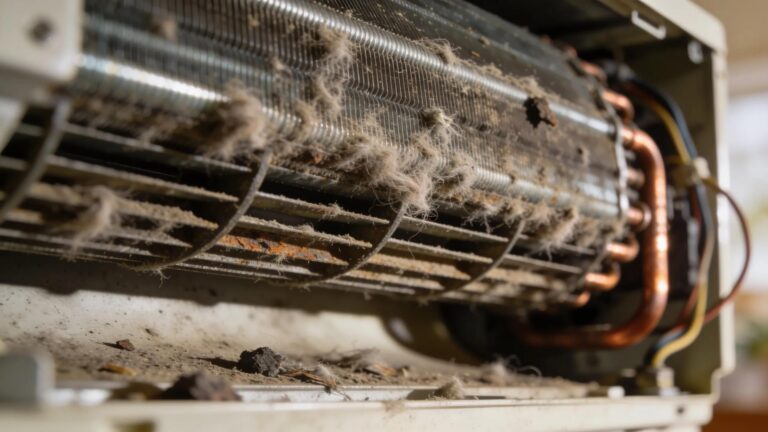
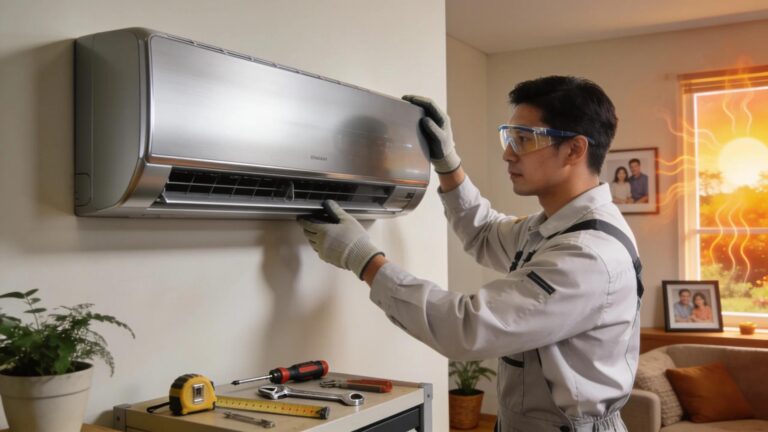
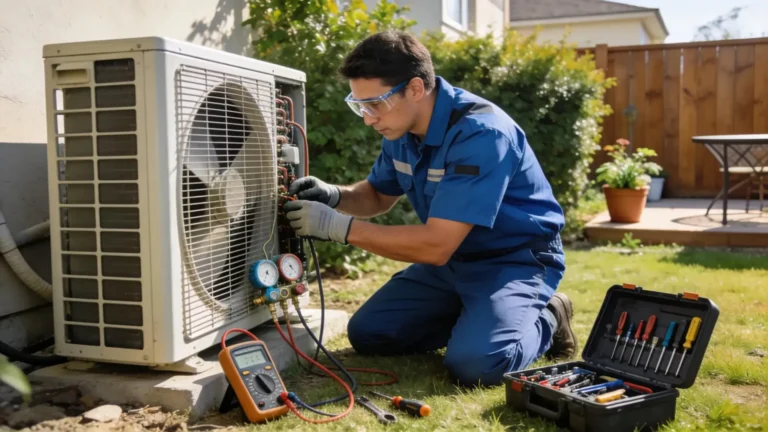
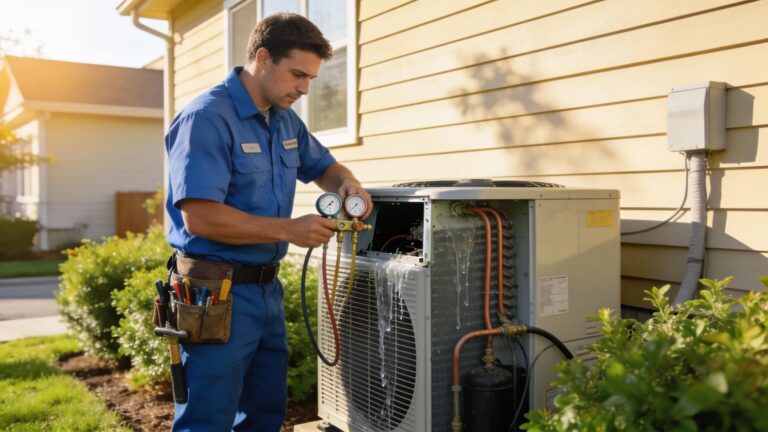
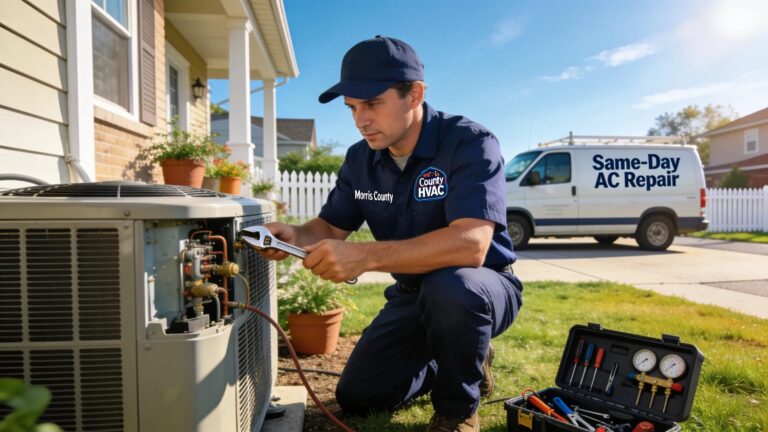
For instance, tasks such as changing filters, cleaning coils, and checking refrigerant levels can significantly enhance your AC's efficiency. Homeowners should schedule professional maintenance at least once a year, ideally before the cooling season begins, to ensure their system is ready to handle the demands of summer heat.
How to Improve Indoor Air Quality with Your AC System
Your air conditioning system plays a vital role in maintaining indoor air quality. By effectively filtering and circulating air, it can help reduce allergens, dust, and pollutants, creating a healthier living environment for you and your family.
Upgrading to a system with advanced filtration options, such as HEPA filters, can further enhance air quality. Additionally, incorporating features like UV light purification can eliminate harmful bacteria and viruses, ensuring that the air you breathe is clean and safe.
Common AC Problems and How to Troubleshoot Them
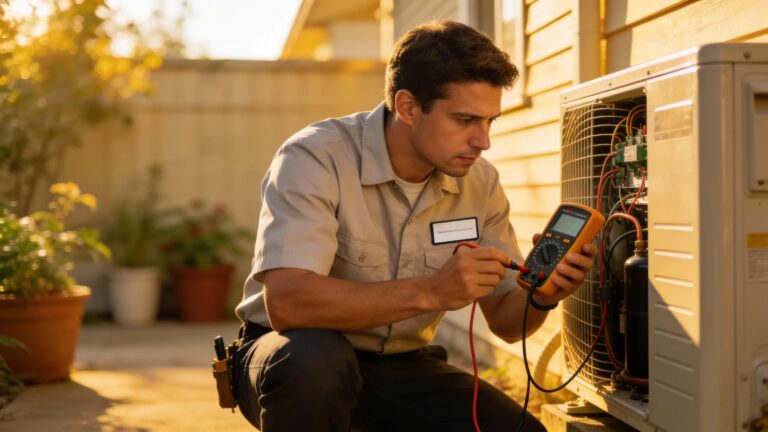
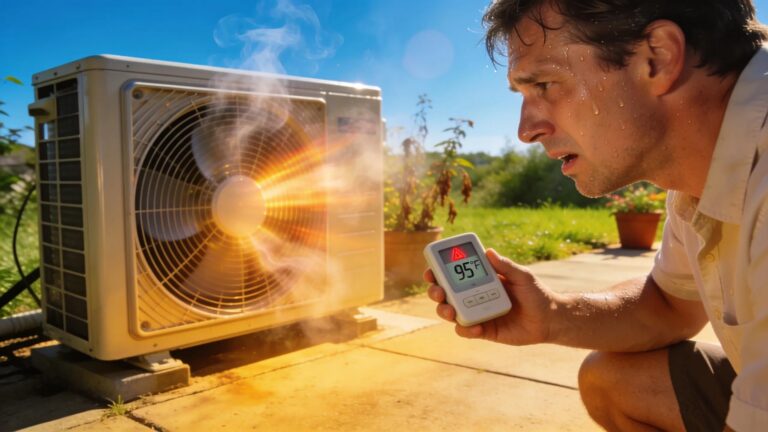
Understanding common air conditioning problems can empower homeowners to troubleshoot issues before calling for professional help. Recognizing symptoms such as inadequate cooling, unusual noises, or frequent cycling can save time and money on unnecessary service calls.
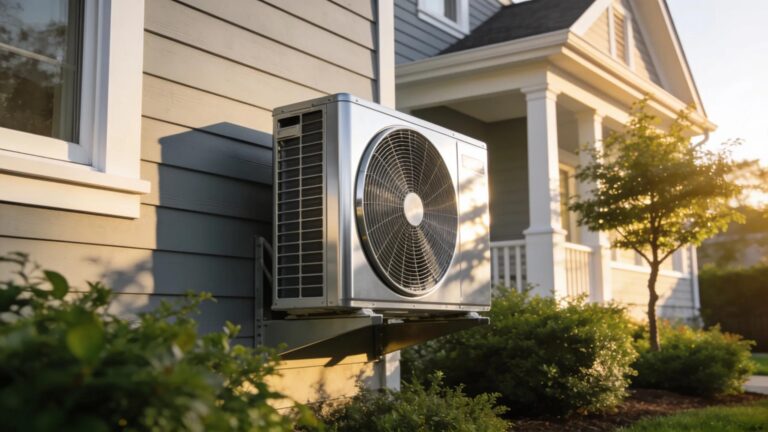
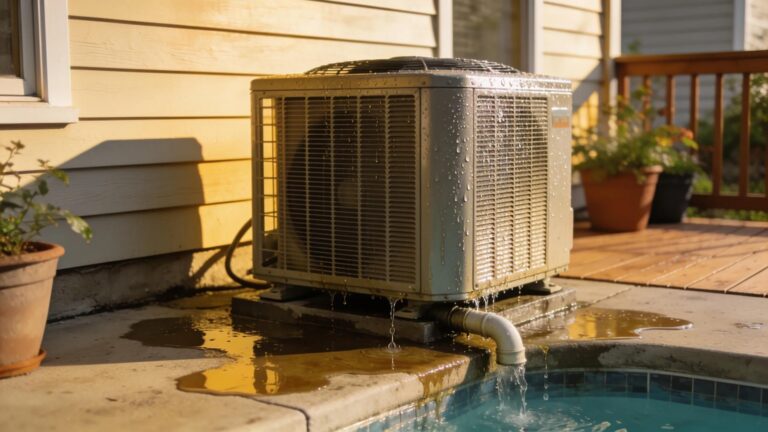
For example, if your AC is not cooling effectively, check the thermostat settings, ensure the air filters are clean, and inspect the outdoor unit for debris. Many minor issues can be resolved with simple maintenance, allowing you to enjoy a comfortable home without the stress of major repairs.