How Much Does a New AC System Cost in NJ? Clear Answers for Homeowners
Summer in New Jersey often means deciding whether to replace your AC. Knowing the costs ahead of time helps you budget and avoid surprises. This article lays out the main cost factors—installation, system type, and home size—so you’ll know what to expect.
We cover price ranges, the things that change cost, financing choices, and common mistakes homeowners make. Whether you’re looking at a central AC, a ductless mini-split, or a heat pump, this guide gives practical information to help you choose wisely. From our experience, looking at these points early saves money later.=
- The cost of a new AC system in New Jersey ranges from $5,500 to over $15,000 depending on system type and home size.
- Central AC, heat pumps, ductless mini-splits, and combined AC-furnace systems vary significantly in price and efficiency.
- Home size strongly influences AC installation costs, with larger homes requiring more expensive systems.
- Installation labor, ductwork condition, and permit requirements add to the total cost of a new AC system.
- Financing options like payment plans, low-interest loans, and rebates can help manage AC installation expenses.
- Energy-efficient AC systems have higher upfront costs but reduce long-term energy bills through improved SEER ratings.
- The installation process includes home assessment, system setup, ductwork or electrical modifications, and performance testing.
- Homeowners should avoid common mistakes such as skipping multiple quotes, ignoring efficiency ratings, and underestimating installation costs.
Price Ranges
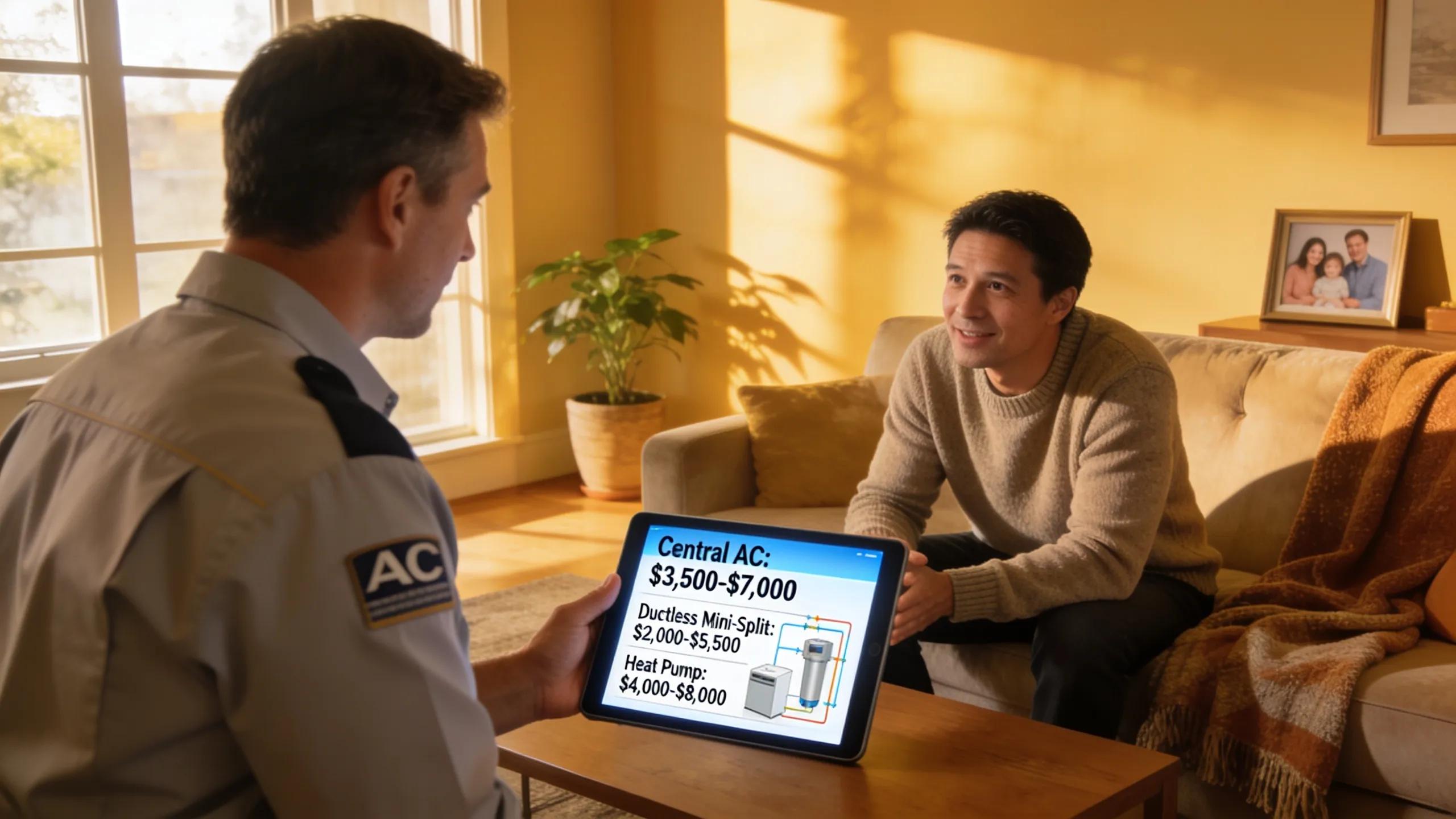
Prices change a lot based on the system, house size, and how hard the install is. Below we show total installation ranges, costs by system, and how home size affects the price.
Overall Installation Costs
Installation usually runs from $5,500 to $15,000 or more, depending on your home and the system you pick. From our experience, Morris County homeowners often see averages between $6,500 and $14,500 because of local market conditions.
Cost by System Type
System types come with different price tags. Use the table to compare typical ranges and what to expect on efficiency.
That table shows how costs can vary so you can match the system to your needs and budget.
Cost by Home Size
Home size has a big impact on price. Below are typical ranges to help you plan:
- Small Homes (1,000–1,500 sq ft): $5,000 – $8,000
- Mid-Size Homes (1,500–2,500 sq ft): $6,500 – $11,000
- Large Homes (2,500+ sq ft): $9,000 – $15,000+
Use these numbers as a starting point for budgeting. From our experience, unusual layouts or high ceilings can raise the cost.
Factors Influencing Cost
Several things affect the final price. Knowing them helps you avoid surprises and get accurate quotes.
- Home Size: Larger homes require more powerful systems, which increases costs.
- Ductwork Condition: Homes without existing ductwork or with outdated ducts may incur additional costs for installation or upgrades.
- Labor Costs: Skilled HVAC labor in New Jersey is generally higher, impacting overall installation costs.
Check your home’s ductwork, how hard the installer must work, and local labour rates before you pick a system. From our experience, that short checklist keeps estimates realistic.
Financing Options
Financing can make a new system more affordable. Common choices include payment plans, low-interest loans, and rebates.
- Flexible Payment Plans: Many HVAC contractors offer payment plans that allow homeowners to spread the cost over time.
- Low-Interest Financing: Some companies provide financing with low-interest rates, making it easier to afford a new system.
- Potential Rebates: Homeowners may qualify for rebates on energy-efficient systems, further reducing the overall cost.
Perfection Contracting offers several financing plans to help New Jersey homeowners manage HVAC investments without stretching their budget.
What Factors Influence the Cost of a New AC System in New Jersey?
Costs depend on the system type, home size, and how complex the installation is. Local market conditions and the number of available technicians also affect pricing. Factor these into your budget before getting quotes.
How Do Equipment Type and Size Affect Pricing?
Bigger systems cost more. High-SEER models cost more up front but lower your energy bills over time. From our experience, thinking about long-term savings helps you pick the best option for your home.
What Role Do Installation Labor and Permits Play?
Labor and permits add real costs. Skilled installers make sure the system runs correctly. Permit fees depend on local rules and can raise the total. Include both in your budget to avoid surprises. From our experience, skipping permits causes delays and extra costs.
How Do Different AC System Types Compare in Price?
Central AC tends to cost more than ductless mini-splits but can cool larger homes better. Ductless mini-split systems can provide both heating and cooling, so they’re a flexible choice. Match the system type to your home’s layout and your budget.
What Should Homeowners Expect During the AC Installation Process?
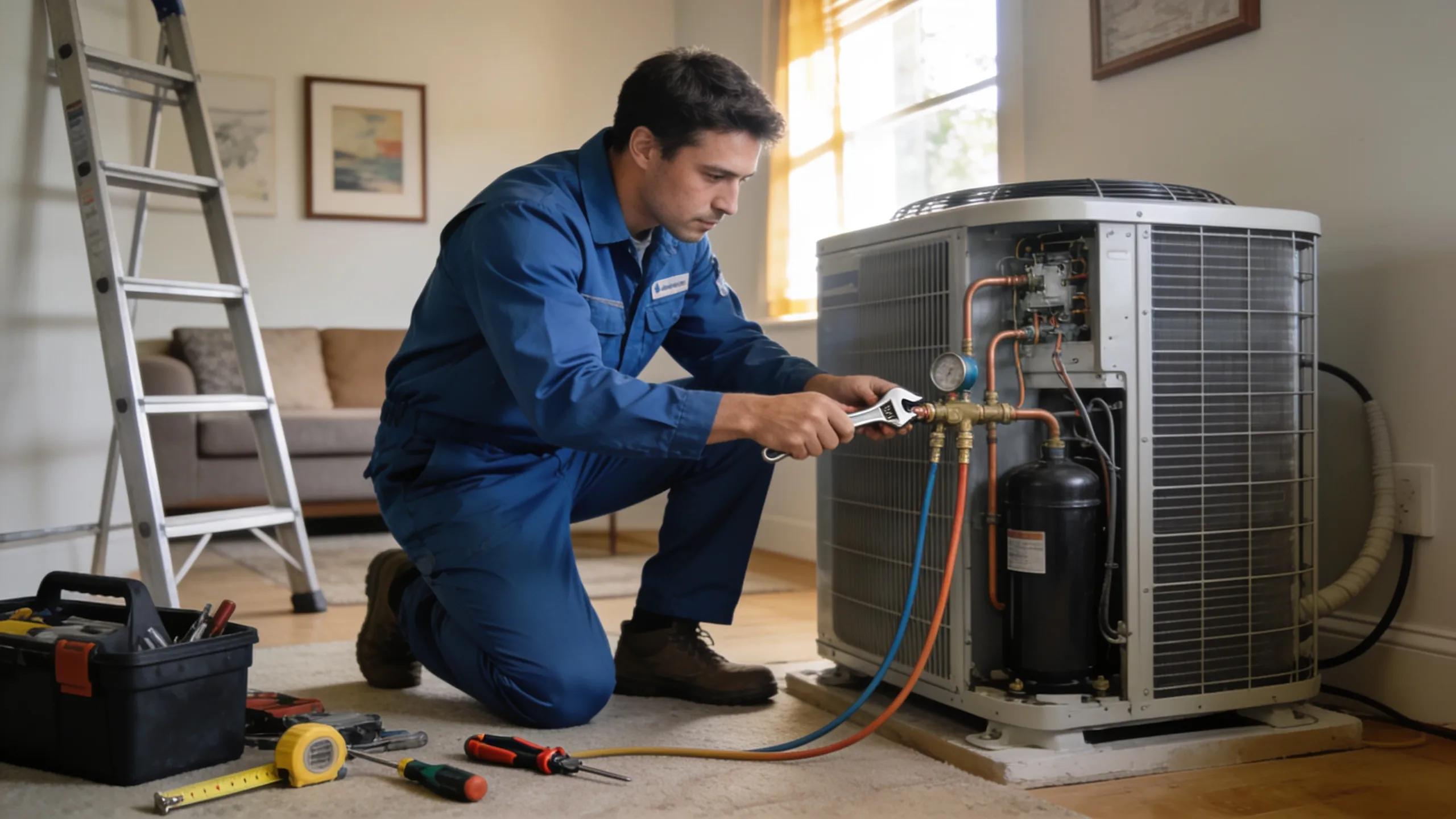
Here are the main steps you can expect during installation:
- Initial Assessment: A professional will evaluate the home to determine the best system type and size.
- Installation: The installation team will set up the new system, which may involve ductwork modifications or electrical work.
- Testing: After installation, the system will be tested to ensure it operates correctly and efficiently.
Knowing these steps lets you plan for the work and timeline. From our experience, clear communication with the installer keeps the job on schedule and minimizes surprises.
How Does Energy Efficiency Impact Long-Term AC Costs?
Higher SEER ratings mean the system uses less power and lowers your monthly bills. Efficient models usually cost more up front but often pay back over time through savings. We recommend weighing the upfront cost against long-term savings before you buy.
Comparing AC System Costs and Efficiency in US Cities
ABSTRACT: The study compares the efficiency and life-cycle costs of the ACES with three conventional electric HVAC systems across 115 U.S. cities. It calculates monthly needs for heating, water heating, and cooling for a reference single-family house using average local weather. The study then compares initial cost and annual energy use for systems designed to deliver the same services. (Power and equipment costs from 1979 are used.) The results show that, in most U.S. locations, the ACES consumed about one-third to one-half of the energy used by the conventional systems. Performance and Economics of the ACES and alternative residential heating and air conditioning systems in 115 US cities, 1981
What are Common Mistakes to Avoid When Buying a New AC System?
Homeowners often make a few avoidable errors when buying a new AC:
- Not Getting Multiple Quotes: Failing to compare quotes from different contractors can lead to overpaying.
- Ignoring Energy Efficiency Ratings: Choosing a system without considering its efficiency can result in higher energy bills.
- Underestimating Installation Costs: Not factoring in installation costs can lead to budget overruns.
Avoid these mistakes and you’ll pick the right system without breaking your budget. From our experience, getting at least three quotes and checking efficiency ratings pays off.
Frequently Asked Questions
What is the lifespan of a typical AC unit?
The life of an AC unit depends on type and care. Central units usually last 12–15 years. Ductless mini-splits can reach about 20 years with proper upkeep. Simple tasks like changing filters and yearly checks extend life. How often you run the system and its efficiency also affect longevity.
Are there any seasonal promotions for AC installation in New Jersey?
Yes. Many HVAC companies run spring and early-summer specials. Offers can include lower installation fees, rebates on high-SEER models, or bundled deals with maintenance. Check local providers’ websites or sign up for their emails to catch these offers.
How can homeowners determine the right AC system size?
To size a system, consider square footage, ceiling height, insulation, and window count. An HVAC pro will do a Manual J load calculation to recommend the right size. The correct size gives better comfort, lower bills, and fewer repair issues.
What should I do if my AC system is not cooling effectively?
If your AC isn’t cooling, first check the thermostat and set it to cool. Replace dirty filters, and clear debris from the outdoor unit and clean the fins. If it still underperforms, call a professional to diagnose and fix the issue.
Can I install an AC system myself, or should I hire a professional?
DIY installation is not recommended. Proper installation needs electrical work, refrigerant handling, and knowledge of local codes. A bad install can be unsafe, waste energy, and void warranties. A professional ensures the job is done right and provides warranty coverage.
What are the benefits of upgrading to a high-efficiency AC unit?
Upgrading to a high-SEER unit lowers your energy bills and reduces how much power your home uses. These units often include smart thermostats and variable-speed compressors for more consistent comfort. The initial cost is higher, but many homeowners recover that cost over time through lower bills.
Conclusion
A new AC can improve comfort and cut energy use. Know the cost drivers so you can plan and avoid surprises. Contact us for personalized recommendations and financing options that fit your needs. Explore our HVAC services to upgrade your home’s cooling system.
Related Services
- Cooling Services
- Air Conditioning Repair
- Air Conditioning Installation
- Air Conditioning Maintenance Service
Keep Reading
- What Size Air Conditioner Does Your Home Actually Need?
- Why Dirty AC Coils Make Your System Work Harder
Browse all HVAC tips and guides.
Need a technician? Perfection Contracting serves homeowners across Sussex County, NJ and the surrounding North Jersey service area.