
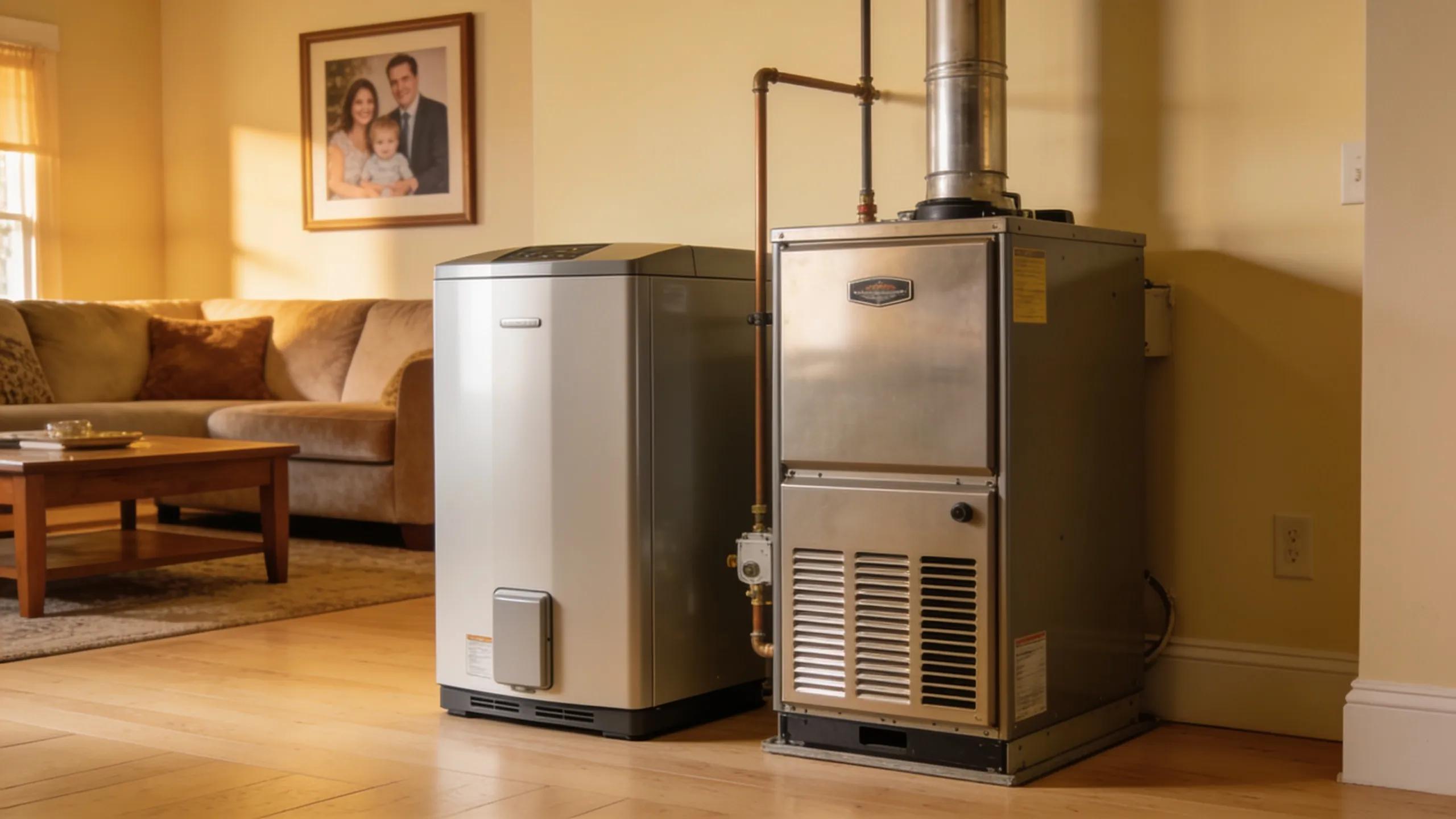
Boiler vs. Furnace: Clear Heating Choices for NJ Homes
Picking the right heating system matters in New Jersey. Homeowners often weigh boilers against furnaces. From our experience, knowing how each works, their pros and cons, and how the climate affects them helps you choose the best long‑term option for comfort and cost.
- Boilers heat water or steam to distribute consistent warmth, while furnaces use forced air for quicker heating.
- Boilers provide stable temperatures and better indoor air quality by avoiding air circulation and dust movement.
- Furnaces generally cost less to install and heat spaces rapidly but may cause uneven heating and drafts.
- Boilers have higher installation costs and require more space, with potential risks of water leaks if unmaintained.
- Energy efficiency ratings favor boilers, often resulting in lower annual fuel costs compared to furnaces.
- Home size and layout influence heating system choice; larger homes benefit more from boilers’ even heat distribution.
- Regular maintenance is essential for both systems to maintain performance and prevent costly repairs.
- New Jersey’s cold climate demands reliable heating systems with high efficiency to ensure comfort and reduce energy expenses.
- Consulting HVAC professionals helps homeowners select heating systems suited to their specific needs and local conditions.
Comparison of Boilers and Furnaces for NJ Homes
Boilers and furnaces both heat homes, but they do it in different ways. A boiler warms water for radiators or underfloor pipes. A furnace heats air and moves it through ducts. Knowing this helps you match the system to your house layout and comfort needs.
Differences:
How each system works changes how it performs and which homes it fits best.
- Heat Distribution: Boilers use water or steam to distribute heat, while furnaces rely on forced air systems. This fundamental difference impacts how heat is delivered and retained in your home.
- Comfort Levels: Boilers tend to provide more consistent heat, reducing drafts and maintaining a stable temperature. In contrast, furnaces can create uneven heating, leading to cold spots in larger spaces.
- Air Quality: Boilers do not circulate air, which can help maintain better indoor air quality compared to furnaces that can stir up dust and allergens.
Advantages of Boilers:
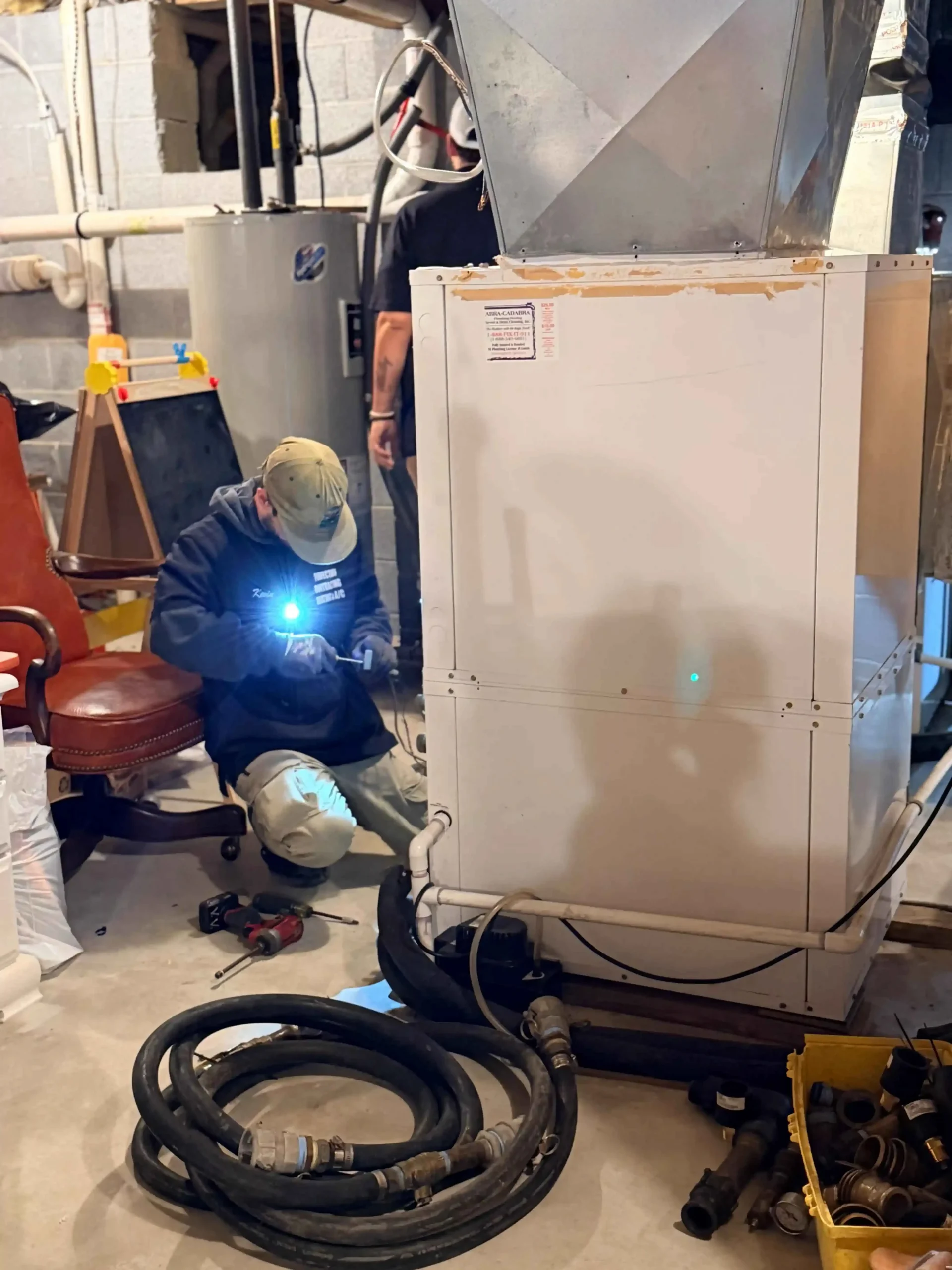
Boilers give steady heat and can improve indoor air. From our experience, they work well in bigger homes or where steady temperatures matter.
- Consistent Heat Distribution: The hydronic heating method ensures even heat throughout the home, enhancing comfort.
- Improved Air Quality: Since boilers do not rely on air circulation, they minimize the movement of dust and allergens, promoting healthier indoor air.
- Energy Efficiency: Many modern boilers are designed to be highly efficient, often achieving higher AFUE (Annual Fuel Utilization Efficiency) ratings than furnaces.
Disadvantages of Boilers:
Boilers also have downsides homeowners should know about.
- Higher Installation Costs: The initial investment for a boiler system can be significantly higher than that of a furnace.
- Space Requirements: Boilers typically require more space for installation, which may be a concern in smaller homes.
- Potential for Water Damage: If not properly maintained, boilers can leak, leading to water damage in your home.
Advantages of Furnaces:
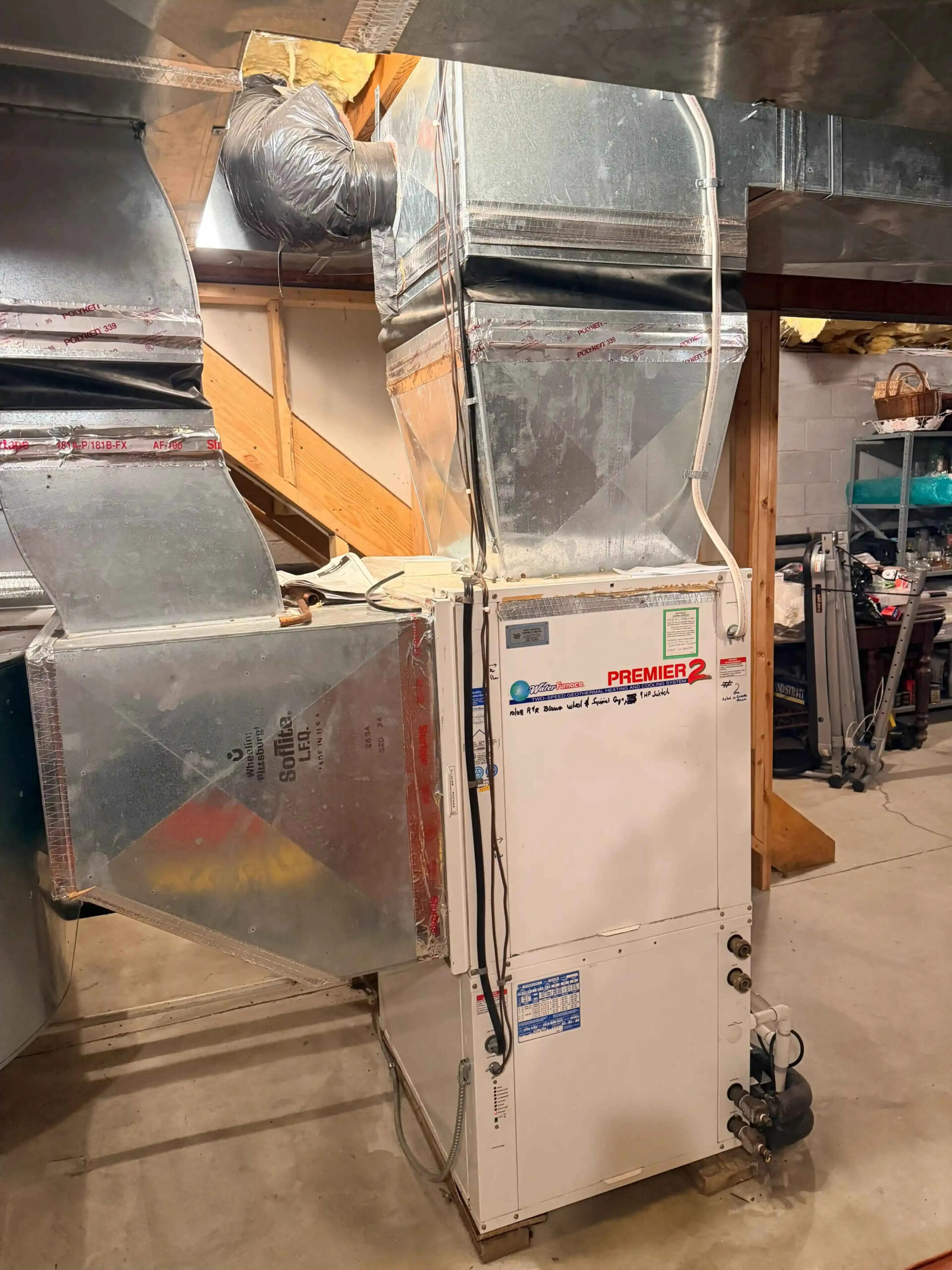
Furnaces heat rooms fast and usually cost less up front. From our experience, they suit homes with existing ductwork or where quick warmth is a priority.
- Lower Initial Costs: Furnaces generally have a lower upfront cost compared to boilers, making them more accessible for budget-conscious homeowners.
- Quick Heating Capabilities: Furnaces can heat a home quickly, providing immediate warmth when needed.
- Ease of Installation: Many homes already have ductwork in place, making furnace installation simpler and less invasive.
Disadvantages of Furnaces:
Furnaces have trade‑offs to consider.
- Drafts and Uneven Heating: The forced air system can create drafts and lead to uneven heating, especially in larger spaces.
- Air Quality Concerns: Furnaces can circulate dust and allergens, potentially impacting indoor air quality.
- Maintenance Requirements: Furnaces require regular maintenance to ensure efficient operation, including filter changes and duct cleaning.
Guidance on Selecting the Appropriate Heating Option:
Start by matching the system to your home size, layout, and budget. From our experience, look at efficiency ratings and long‑term fuel costs, and get a professional opinion to confirm the best choice.
- Home Size and Layout: Larger homes may benefit from the consistent heating of a boiler, while smaller homes might find a furnace sufficient.
- Energy Efficiency: Evaluate the energy efficiency ratings of both systems to determine potential long-term savings on energy bills.
- Consult a Professional: Engaging with an HVAC professional can provide valuable insights tailored to your specific home and heating needs.
For homeowners in Northern New Jersey, Perfection Contracting Inc offers expert guidance and installation services for both boilers and furnaces, ensuring you find the right heating solution for your home.
What Is a Boiler and How Does It Work in NJ Homes?
A boiler heats water to make steam or hot water and sends it through pipes to radiators or underfloor systems. This hydronic heating keeps room temperatures steady and comfortable.
How Boilers Heat Your Home Using Hot Water or Steam
Boilers warm water into steam or hot water that moves through pipes and radiates heat. That method provides even warmth without the quick swings you get with some forced air systems.
Common Boiler Types and Fuel Sources for NJ Residences
Common boiler types include:
- Natural Gas Boilers: These are the most common and typically offer lower operating costs.
- Oil Boilers: Often used in areas without natural gas access, oil boilers can be more expensive to operate.
- Electric Boilers: These are less common but can be a good option for smaller homes or specific heating needs.
What Is a Furnace and How Does It Work in NJ Homes?
A furnace heats air in a combustion chamber and pushes that warm air through ducts to your rooms. It raises temperature quickly, which many homeowners like on cold mornings.
How Furnaces Use Forced Air to Warm Your Living Space
Furnaces heat air and a blower moves that air through ductwork into living spaces. That gives fast, noticeable warmth across the house.
Different Furnace Types and Fuel Options for NJ Homes
Common furnace types include:
- Gas Furnaces: These are the most common and typically offer lower operating costs.
- Electric Furnaces: These are often used in homes without gas lines and can be more expensive to operate.
- Oil Furnaces: Similar to oil boilers, these are used in areas without natural gas access.
For more information on keeping your home cool, consider exploring options for air conditioning repair.
How Do Boiler and Furnace Efficiency and Energy Costs Compare?
Energy efficiency and operating costs are major factors when comparing boilers and furnaces. From our experience, higher efficiency often leads to lower annual fuel bills.
The table shows boilers often have higher efficiency ratings, which can reduce energy costs over time.
Which Heating System Saves More on NJ Energy Bills?
Your choice affects energy bills. Boilers usually save more fuel in larger homes where steady heat matters, but their higher installation cost can change short‑term savings.
Life-Cycle Cost Analysis for Residential Furnaces and Boilers
The LCC calculated in this analysis expresses the costs of installing and operating a furnace or boiler for its lifetime starting in the year 2012—the year a new standard may take effect. Life-cycle cost analysis of energy efficiency design options for residential furnaces and boilers, 2012
Keep your cooling systems in good shape too. Regular air conditioning service helps prevent breakdowns and extends unit life.
Understanding Efficiency Ratings for Boilers and Furnaces
Efficiency ratings help you judge long‑term cost. AFUE measures how much fuel turns into usable heat. A higher AFUE means lower fuel costs over time.
Residential Oil-Fired Boiler Efficiency Measurement and Analysis
A laboratory study is made to measure the efficiencies of residential heating equipment. A direct measurement technique provides an accurate evaluation of the efficiency of residential heating units during full-load and part-load operation. The laboratory data is then used to determine annual fuel consumption and fuel-weighted seasonal efficiency for each heating unit based on typical operating parameters (size of residence, geographic location, and usage). The results of the study include both the evaluation of a wide range of hydronic (hot water) burner-boiler package units and the evaluation of retrofit items which are added to an existing heating system to enhance efficiency and performance. Direct efficiency measurement and analysis of residential oil-fired boiler systems: burner-boiler/furnace efficiency test project. Annual report FY 1978, 1978
Measuring Residential Heating Unit Efficiency and Annual Fuel Consumption
A direct measurement procedure has provided accurate evaluation of the efficiency of residential heating units during full-load and part-load operation. Laboratory-measured efficiency data for each heating unit are translated into a more useful form as annual fuel consumption and fuel-weighted seasonal efficiency values. The changes in fuel use and seasonal efficiency are evaluated for variations in operating conditions, including: geographic location, design head load of the building, domestic hot water use, and design fuel-firing rate. … measurement of the overall efficiency and annual fuel consumption of residential oil-fired boilers. Annual report, Fiscal Year 1977. Burner-boiler/furnace efficiency test …, 1977
What Should NJ Homeowners Know About Installation and Maintenance?
Correct installation and regular maintenance keep your system lasting and working well.
Typical Installation Costs and Considerations for Boilers and Furnaces
Installation costs vary by system and complexity. Budget for the listed ranges and ask a pro for a precise quote.
- Boiler Installation: $3,500 – $7,500
- Furnace Installation: $3,000 – $5,000
Maintenance Needs and Common Repair Issues in NJ Homes
Regular care keeps both boilers and furnaces running. Typical tasks include flushing and pressure checks for boilers, and filter changes and duct checks for furnaces.
- Boilers: Flushing the system, checking for leaks, and inspecting the pressure.
- Furnaces: Changing filters, cleaning ducts, and checking the blower motor.
What Are Common Mistakes and Troubleshooting Tips for NJ Heating Systems?
Homeowners often skip simple steps that cause poor heating or repairs. Watch for those common mistakes and fix them early.
- Ignoring Maintenance: Regular maintenance is crucial for both systems to operate efficiently.
- Overlooking Air Filters: Dirty filters can restrict airflow in furnaces, leading to higher energy costs.
- Neglecting Boiler Pressure: Low pressure can affect heating efficiency in boilers.
For those considering new HVAC systems, understanding air conditioning installation helps plan overall home comfort.
Avoiding Installation and Operation Errors with Boilers and Furnaces
Have your system installed by a qualified technician and follow the manufacturer’s care steps. That keeps the unit working as intended and avoids safety or code issues.
How to Spot and Fix Frequent Heating Problems in NJ Homes
Catch problems early to avoid big repairs. Common signs are uneven heat, strange noises, and rising energy bills—each points to a specific issue that a technician can diagnose.
- Inconsistent Heating: This may indicate issues with the thermostat or ductwork.
- Strange Noises: Unusual sounds can signal mechanical problems that need attention.
- Increased Energy Bills: A sudden spike in energy costs may indicate inefficiencies in the heating system.
How Does New Jersey’s Climate Affect Your Heating System Choice?
NJ has cold winters and changing temperatures. Pick a reliable system that keeps you warm during the cold months and controls fuel use over the year.
Why NJ Weather Makes Heating Efficiency a Priority
Because temperatures swing, a high‑efficiency system helps cut fuel costs while keeping the home comfortable through the season.
Choosing the Best Heating System for NJ Home Comfort and Savings
Decide based on your needs, home size, and budget. Talk with an HVAC professional to confirm the best option for comfort and long‑term savings.
Frequently Asked Questions
What are the main factors to consider when choosing between a boiler and a furnace?
Think about home size and layout — larger homes often suit boilers for steady heat. Check efficiency ratings and long‑term fuel costs. Consider installation and maintenance budgets and which fuels are available. From our experience, a professional assessment makes the final choice clear.
How often should I schedule maintenance for my heating system?
Service your heating system at least once a year, ideally before the heating season. For furnaces, change filters every 1–3 months to keep airflow steady. Regular checks cut the chance of surprise breakdowns and extend unit life.
What common issues can arise with boilers and furnaces?
Common boiler problems include leaks, low pressure, and weak heat. Furnaces often show worn belts, blower faults, or dirty filters. Spot changes in performance early and call a pro to avoid bigger repairs.
Can I install a boiler or furnace myself?
Do not install a boiler or furnace as a DIY project. These systems tie into gas, water, and electrical lines and must meet local codes. A qualified HVAC technician ensures the job is safe and keeps your warranty valid.
What are the energy efficiency benefits of modern boilers and furnaces?
New boilers and furnaces have higher AFUE ratings and use less fuel than older units. Features like modulating burners and smart thermostats help reduce fuel use. Replacing an old system can lower your bills over time.
How does regular maintenance affect heating efficiency?
Routine maintenance finds small problems early. Cleaning burners, checking for leaks, and ensuring proper airflow keeps systems running well, saves fuel, and extends the unit’s life.
What should I do if my heating system is not performing well?
If heating performance drops, first check the thermostat settings and filters. Change dirty filters and see if that helps. If the problem continues—strange noises or uneven heat—call an HVAC technician for a full check and repair.
Conclusion
The right heating system improves comfort and can lower fuel costs. Know each system’s strengths and limits, and work with a professional for correct installation and long‑term care. Discover our expert services to find the right heating solution for your New Jersey home.
Related Services
- Furnace Repair Service
- Furnace Installation
- Cooling Services
- Air Conditioning Repair
- Air Conditioning Installation
Keep Reading
- Why Annual AC Maintenance Pays for Itself
- How Central Air Conditioning Works | Morris County, NJ
- Oil Heat vs. Gas in NJ: Clear Cost and Comfort Comparison for Homeowners
Browse all HVAC tips and guides.
Need a technician? Perfection Contracting serves homeowners across Sussex County, NJ and the surrounding North Jersey service area.