
How Long Does an Air Conditioner Last in New Jersey?
By Louie Paracuelles, Perfection Contracting, Inc.
Air conditioning matters in New Jersey summers. From our experience, knowing how long a unit lasts helps you plan maintenance and replacement without surprises. This guide explains typical lifespans, what wears systems down, and the maintenance that adds years. That way you can avoid costly breakdowns and keep your home comfortable. We cover average lifespan, key factors, upkeep, climate effects, and replacement signs.
- The average lifespan of air conditioners in New Jersey ranges from 15 to 20 years depending on type and maintenance.
- Regular maintenance, including filter changes and professional inspections, significantly extends air conditioner longevity.
- New Jersey’s humid climate increases stress on air conditioners, potentially reducing their operational lifespan.
- Poor installation quality can cause inefficiencies and accelerate wear on air conditioning units.
- Signs of replacement need include units over 15 years old, frequent repairs, and rising energy bills.
- Early warning signs of AC failure include unusual noises, inconsistent cooling, and increased indoor humidity.
- Repair costs exceeding 50% of a new unit’s price often justify considering replacement instead of repair.
- Central air conditioners generally last longer than ductless mini-splits or heat pumps in New Jersey.
- Maintaining clear outdoor units and scheduling annual inspections help maintain system efficiency and durability.
Average Lifespan
In New Jersey, most air conditioners last about 15 to 20 years. From our experience, the system type and how you care for it make the biggest difference. Central systems usually last longer than ductless mini-splits or heat pumps. Regular maintenance helps keep them working well for more years.
Factors Affecting Longevity
Several factors can significantly influence how long an air conditioner lasts. These include:
- Maintenance Practices: Regular maintenance, such as filter changes and professional inspections, can prevent premature wear and tear.
- Usage Patterns: Units that are used more frequently or under extreme conditions may experience a shorter lifespan.
- Installation Quality: Proper installation is critical; poorly installed units can lead to inefficiencies and increased wear.
- Climate Conditions: The humid climate of New Jersey can put additional stress on air conditioning systems, potentially reducing their lifespan.
Knowing these factors helps you take simple steps to get more years from your AC.
Essential Maintenance Practices
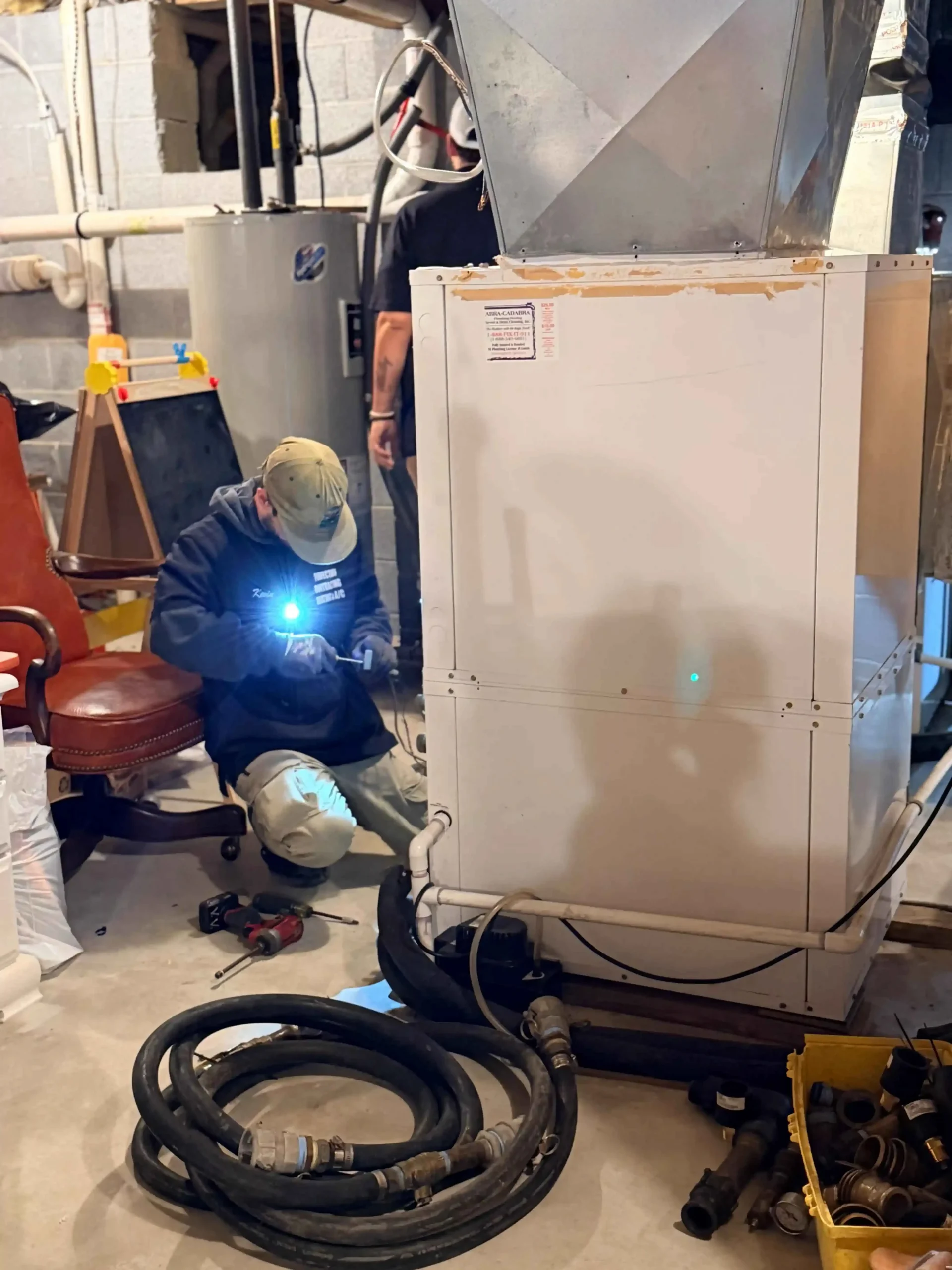
Keep your AC working well and lasting longer with these basic tasks:
- Regular Filter Changes: Changing filters every 1 to 3 months helps maintain airflow and efficiency.
- Annual Professional Inspections: Scheduling yearly inspections can identify potential issues before they become major problems.
- Cleaning Outdoor Units: Keeping the outdoor unit free of debris and dirt enhances airflow and efficiency.
From our experience, doing these simple tasks makes a noticeable difference. If you prefer professional help, Perfection Contracting, Inc. offers maintenance and repairs to keep your system in good working order.
How Can Regular Maintenance Extend Your Air Conditioner’s Life?
From our experience, a steady maintenance routine adds years to an air conditioner. Sticking to a schedule lets you:
- Improve Efficiency: Well-maintained units operate more efficiently, reducing energy costs.
- Prevent Major Breakdowns: Early detection of issues can prevent costly repairs or replacements.
- Extend Overall Lifespan: Regular care can add years to your unit’s life, ensuring comfort for longer.
What Maintenance Steps Are Essential for New Jersey Homes?
In New Jersey, focus on these simple steps to keep your AC working well:
- Change Filters Regularly: This simple task can greatly improve air quality and system efficiency.
- Schedule Annual Inspections: Professional assessments can catch issues early.
- Keep Outdoor Units Clear: Removing debris and ensuring proper airflow around the unit is crucial for efficient operation.
Do these steps and your system will perform better and last longer.
Climate Impact on Performance
New Jersey’s heat and humidity make air conditioners work harder. High humidity forces the system to cool and remove moisture, which adds wear. Temperature swings also stress parts and can lead to more repairs. Knowing this helps you set a maintenance plan that fits local conditions.
Comparing AC Lifespan: New Jersey vs. National Averages
Local weather and care can change how long an AC lasts compared with national averages. The humid summers and how often you maintain the system can shorten its life. Keep local factors in mind when you choose and care for an air conditioner.
What Are the Signs Your Air Conditioner Needs Replacement?
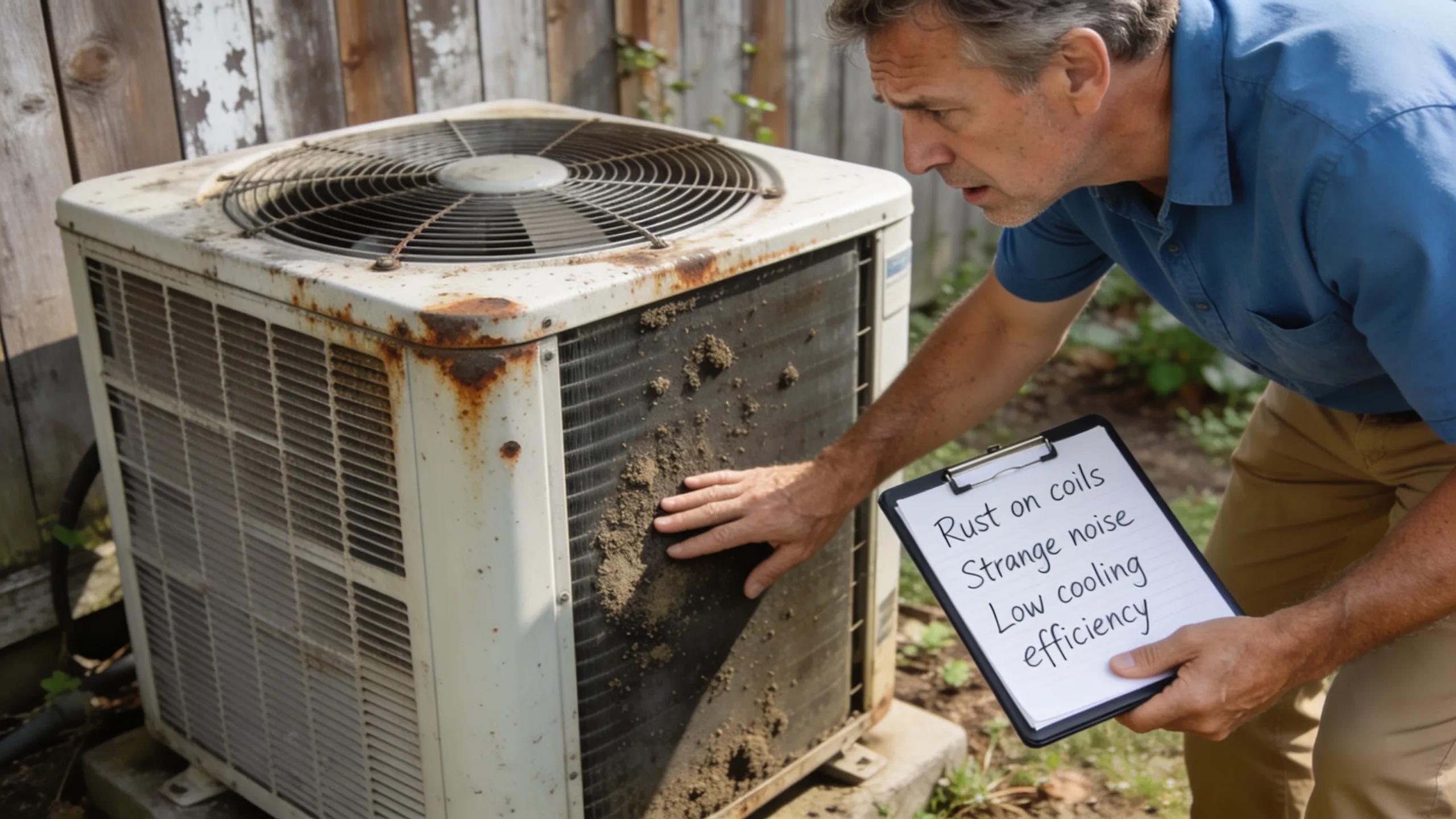
Recognizing the signs that your air conditioner may need replacing helps you avoid sudden failures. Key indicators include:
- Age of the Unit: If your air conditioner is over 15 years old, it may be time to consider a replacement.
- Frequent Repairs: If you find yourself calling for repairs multiple times a year, it may be more cost-effective to replace the unit.
- Rising Energy Bills: An increase in energy costs can indicate that your unit is no longer operating efficiently.
From our experience, spotting these signs early gives you time to plan a replacement before a major breakdown.
How to Identify Early Warning Signs of AC Failure
To prevent unexpected breakdowns, homeowners should monitor for early warning signs of air conditioner failure, such as:
- Unusual Noises: Grinding or squealing sounds can indicate mechanical issues.
- Inconsistent Cooling: If some rooms are cooler than others, it may signal a problem with the system.
- Increased Humidity: If your home feels more humid than usual, your AC may not be functioning properly.
Check for these warning signs so you can fix problems before they get worse.
When Is Repair Costlier Than Replacement?
Deciding between repair and replacement is easier with a simple rule: if repairs cost more than half the price of a new unit, replacement is often the better choice. Consider the unit’s age. If it is near the end of its expected life, a new system usually delivers better long-term value. Homeowners can turn to air conditioning repair services for help evaluating options.
If your unit needs frequent repairs or shows heavy wear, it may be time for professional service or a full replacement. Weigh repair costs against the benefits of a new system. Newer units use less energy and run more reliably, so installation can be a smart investment for long-term comfort.
Frequently Asked Questions
1. How can I prepare my air conditioner for the winter months?
To prepare for winter, clean the unit and remove leaves and debris. Cover the outdoor unit to protect it from snow and ice. Schedule a professional check to fix any issues before the cold season. These steps reduce winter damage and help the unit last longer.
2. What are the benefits of upgrading to a newer air conditioning model?
A newer model usually uses less energy, which cuts your bills and cools more reliably. Many run quieter and work with smart thermostats. Some models may qualify for energy rebates, which can lower your upfront cost.
3. Are there specific brands known for their longevity in air conditioning units?
Brands like Trane, Carrier, and Lennox often get high marks for durability. Look at warranties, customer reviews, and energy ratings when you choose a brand. Picking a trusted brand can mean fewer repairs over time.
4. What should I do if my air conditioner is blowing warm air?
If your AC is blowing warm air, check that thermostat is set to cooling and make sure the filter is clean. Inspect the outdoor unit for blockages. If those steps don’t help, you may have a refrigerant or mechanical issue, so call an HVAC specialist to avoid more damage.
5. How often should I schedule professional maintenance for my air conditioner?
Have a pro inspect your AC at least once a year, ideally in spring before cooling season. Some homeowners choose two checks a year, spring for cooling and fall for heating—to keep systems in good shape across seasons.
6. What is the typical cost of air conditioner maintenance in New Jersey?
Maintenance in New Jersey usually costs between $75 and $150 per visit, depending on the provider and work. That typically covers an inspection, cleaning, and small adjustments. Repairs cost extra. Regular care can help avoid more expensive fixes later.
7. How does humidity affect air conditioning performance?
Humidity makes your AC work harder to cool and remove moisture. That raises energy use and adds wear. Proper maintenance and using a dehumidifier when needed can help control indoor humidity and ease the load on your system.
Conclusion
Knowing how long an air conditioner lasts helps you plan for comfort in New Jersey. Regular maintenance adds years to your system and can lower energy bills. Stay proactive with routine care to avoid surprise repairs and costly replacements. Learn more from our resources to keep your AC working well.
Related Services
- Cooling Services
- Air Conditioning Repair
- Air Conditioning Installation
- Air Conditioning Maintenance Service
Keep Reading
- 6 Signs It’s Time to Replace Your AC, Not Repair It
- What Size Air Conditioner Does Your Home Actually Need?
Browse all HVAC tips and guides.
Need a technician? Perfection Contracting serves homeowners across Sussex County, NJ and the surrounding North Jersey service area.