
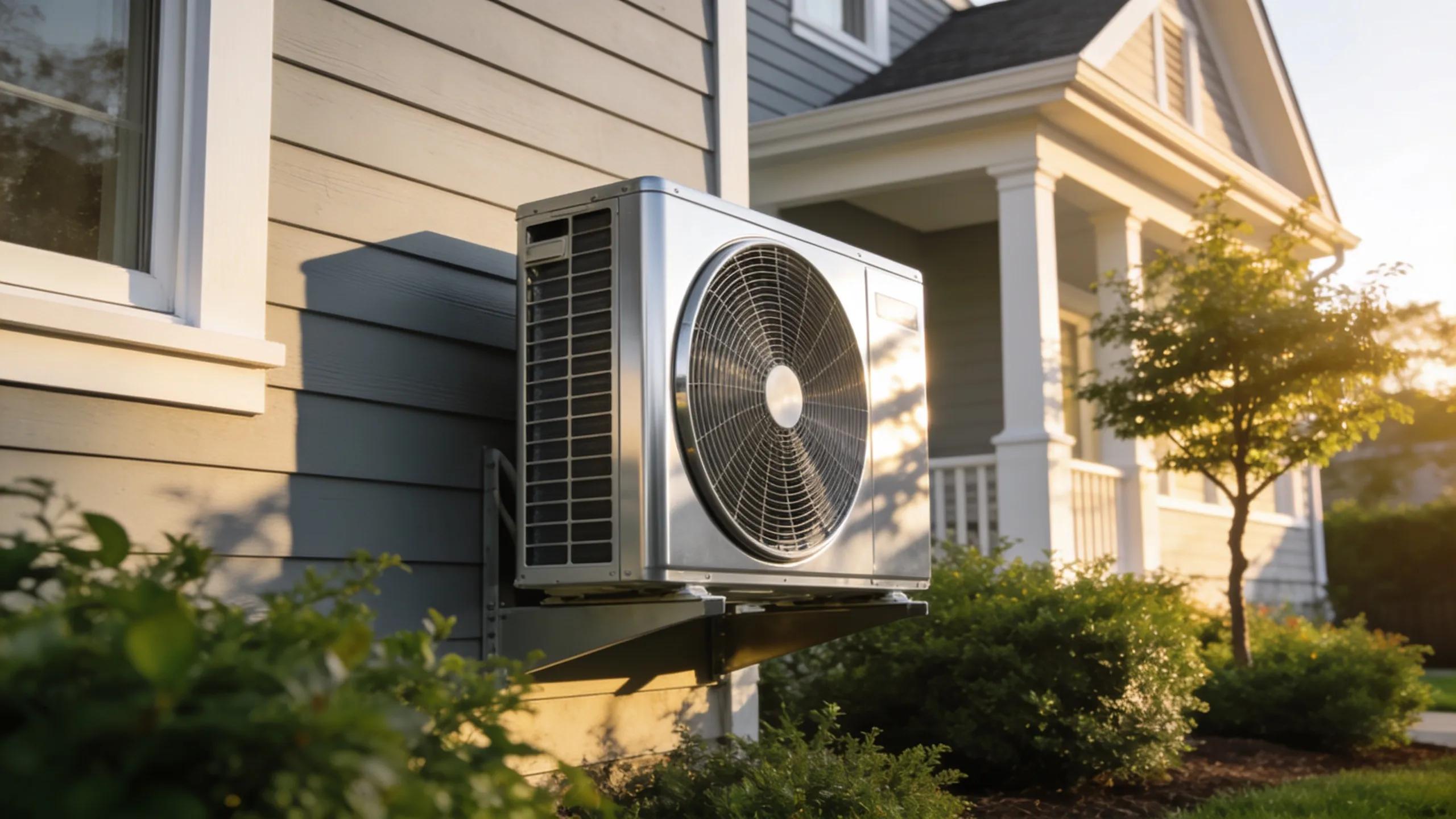
What Size Air Conditioner Does Your Home Actually Need? A Clear Guide for New Jersey Homeowners
From our experience, picking the right AC size is one of the best ways to keep your home comfortable through hot New Jersey summers without wasting energy. Homeowners often struggle to choose a unit that cools well but doesn’t drive up bills. This guide explains the factors that affect sizing, why accurate calculations matter, and the common mistakes to avoid so you can pick the right unit for your home.
- Proper air conditioner sizing depends on climate, insulation quality, and window exposure in New Jersey homes.
- Calculating cooling load using Manual J ensures accurate air conditioner capacity for efficient home cooling.
- BTU ratings and tonnage directly relate to the cooling capacity needed for specific home sizes and layouts.
- Oversized air conditioners cause energy waste, humidity problems, and frequent cycling, reducing system lifespan.
- Undersized units lead to inadequate cooling, higher energy use, and increased wear on the system.
- Ductless and central AC systems require different sizing approaches based on home layout and ductwork presence.
- New Jersey’s humid climate necessitates air conditioners that manage both temperature and moisture effectively.
- Professional installation and regular maintenance support proper airflow, energy conservation, and system durability.
- Avoid common mistakes like relying solely on square footage without considering insulation and climate factors.
Factors to Consider:
You’ll need to look at a few key items when sizing an AC. These affect how much cooling power your home actually needs.
- Climate: The local climate significantly impacts cooling needs. New Jersey experiences hot summers, which necessitate a capable cooling system.
- Insulation Quality: Well-insulated homes retain cool air more effectively, reducing the size of the unit needed.
- Window Exposure: Homes with large windows or those facing the sun may require more cooling power to offset heat gain.
Knowing how each factor changes your home’s cooling load helps you choose the right unit size.
Sizing Guidelines:
Start with simple rules, then refine the number with a proper assessment. Square footage gives you a baseline, but it’s not the whole story.
- Basic Sizing: A common rule of thumb is to allocate 20 BTUs per square foot of living space. For example, a 1,500 square foot home would require an air conditioner with approximately 30,000 BTUs.
- Variability: Factors such as ceiling height, number of occupants, and home layout can affect the required size.
- Professional Assessment: It is advisable to consult with an HVAC professional for a precise assessment tailored to your home’s unique characteristics.
See the table below for common AC sizes, their BTU ratings, and the typical square footage they cover.
The right size keeps your home comfortable, controls humidity, and helps lower energy costs.
The Importance of Manual J Calculation:
Manual J is the standard way to figure out heating and cooling needs for a home. It gives a clear number to match your system to your house.
- Home Size: The total square footage and layout of the home.
- Insulation Levels: The quality and type of insulation used in the home.
- Window Types: The number and type of windows, which can affect heat gain and loss.
Using Manual J helps ensure your system cools well without wasting energy.
Benefits of Correct AC Sizing:
Choosing the right size brings clear, practical benefits for your home and your wallet.
- Energy Efficiency: Properly sized units consume less energy, leading to lower utility bills.
- Improved Comfort: A correctly sized air conditioner maintains consistent temperatures throughout your home.
- Longevity of the System: Units that are not oversized or undersized tend to have longer lifespans due to reduced wear and tear.
From our experience, working with a qualified HVAC contractor prevents common sizing mistakes and gives better long-term results for New Jersey homes.
How Do You Calculate the Cooling Load for Your Home?

To estimate your cooling load, follow a few basic steps that show what the home needs to remove heat.
- Measure the Square Footage: Determine the total area of the space you want to cool.
- Assess Insulation: Evaluate the quality of insulation in your walls and attic.
- Consider Heat Sources: Identify heat-generating appliances and the number of occupants in the home.
These steps give you a clearer estimate of the cooling capacity your home needs.
What Is Cooling Load and Why Does It Matter?
Cooling load is the amount of heat your AC must remove to keep indoor temperatures comfortable. It matters because it sets the size of the system you need and affects how the system runs.
- It directly influences the size of the air conditioning unit required.
- An accurate cooling load calculation helps prevent issues such as short cycling, where the unit turns on and off frequently, leading to increased wear and energy costs.
For air conditioning repair, making sure the unit is the right size is crucial.
If you want more detail on calculating cooling and heating loads, the resource below covers the topic in depth.
Cooling and Heating Load Calculation Procedures
This chapter explains cooling and heating load calculations. It compares the procedures for each and covers all sources of heat gain, including occupants, lights, and appliances. The chapter shows step-by-step calculations for sensible and latent cooling loads and for heat gains from conduction, radiation, infiltration, and ventilation. It also discusses design outdoor and indoor conditions and shows how to use ASHRAE table data such as cooling load temperature difference (CLTD), cooling load factor (CLF), solar heat gain coefficient (SHGC), solar cooling load (SCL), shading coefficient (SC), and solar heat gain factor (SHGF). The difference between the cooling load for the space and the cooling load on the cooling coil is explained. Finally, the chapter covers heating load calculations with step-by-step procedures for heat loss through surfaces, infiltration, and ventilation. Cooling and heating load calculations, 2024
How Does Home Size and Insulation Affect Cooling Needs?
Home size and insulation have a big effect on cooling needs. Larger homes usually need more cooling power, while good insulation lets a smaller unit do the job. Also watch ceiling height and window exposure when choosing size.
- Insulation Quality: Higher quality insulation reduces the cooling load.
- Ceiling Height: Taller ceilings may require additional cooling capacity.
- Window Exposure: Homes with many windows or those facing the sun may need larger units to compensate for heat gain.
What Are BTUs and Tonnage in Air Conditioner Sizing?
BTUs measure how much heat an AC can remove. Tonnage is another way to express that capacity. Knowing both helps you match a unit to your home’s needs.
- BTUs: Higher BTU ratings indicate greater cooling capacity.
- Tonnage: One ton of cooling is equivalent to 12,000 BTUs.
How to Understand BTU Ratings for Your Home AC
BTU ratings show whether a unit matches your cooling load. A correctly rated unit runs less, uses less energy, and keeps temperatures steady. Don’t pick a unit based only on square footage—include insulation and window exposure in the decision.
- Correct BTU Ratings: Ensure that the BTU rating matches your home’s cooling load.
- Impact on Efficiency: Units with the correct BTU rating operate more efficiently, providing better cooling without excessive energy use.
- Common Sizing Mistakes: Avoid selecting units based solely on square footage; consider other factors like insulation and window exposure.
What Does Tonnage Mean and How Does It Relate to BTUs?
Tonnage tells how much cooling a unit provides—1 ton equals 12,000 BTUs. The tonnage you need depends on your home’s cooling load and factors like layout, insulation, and local climate.
- Sizing Calculations: The tonnage needed depends on the cooling load of your home.
- Factors Affecting Tonnage Needs: Home layout, insulation, and climate can all influence the required tonnage.
For tonnage, a professional air conditioning installation makes sure the unit matches your home’s needs.
What Common Mistakes Do Homeowners Make When Sizing Air Conditioners?
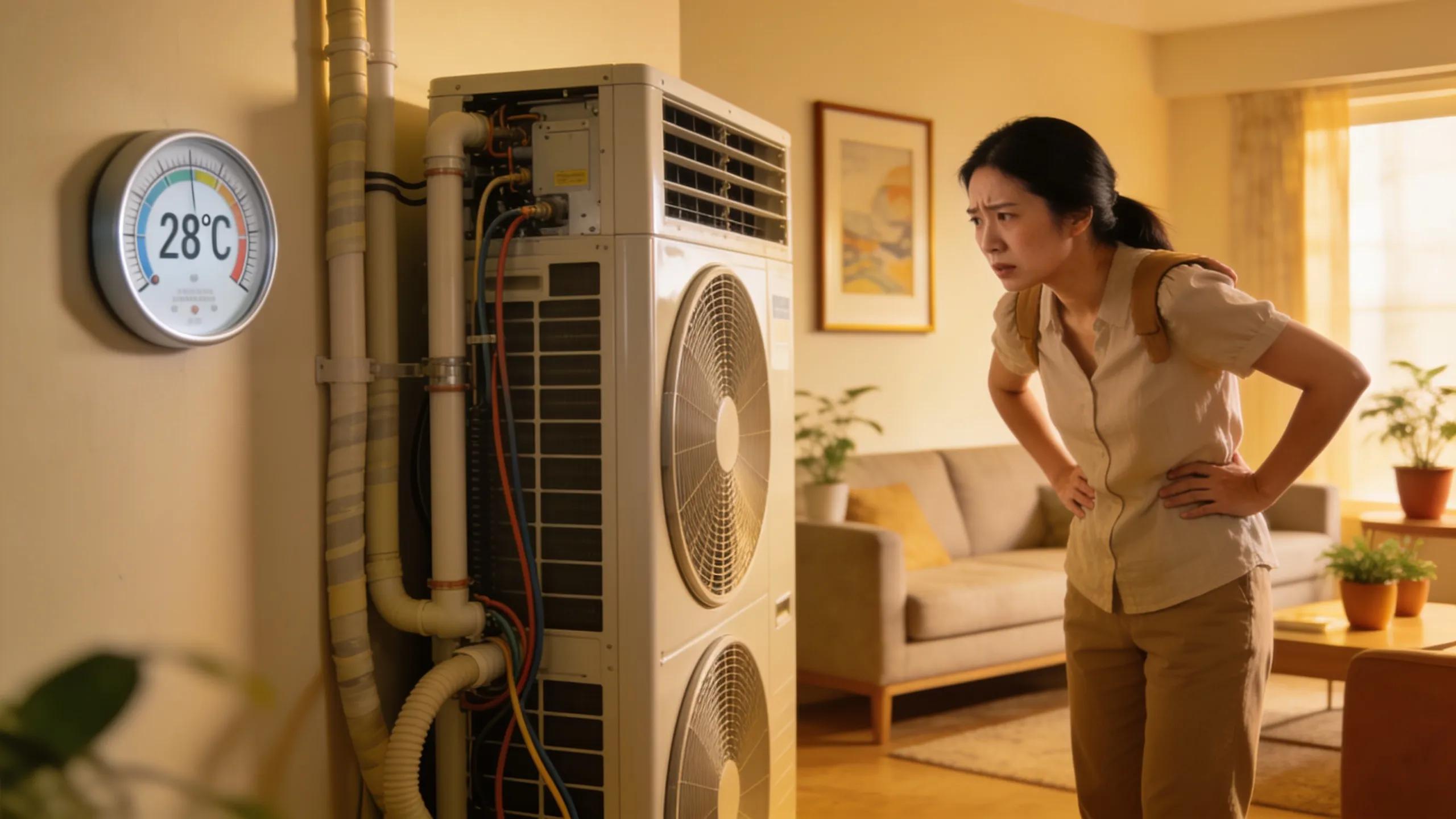
Homeowners often make simple but costly mistakes when sizing ACs. These errors can lead to poor comfort and higher operating costs.
- Relying Solely on Square Footage: Not considering insulation and layout can lead to incorrect sizing.
- Ignoring Climate Factors: Failing to account for local climate conditions can result in inadequate cooling.
- Overlooking Insulation Quality: Poor insulation can increase the cooling load, necessitating a larger unit.
Avoid these mistakes and you’ll get better comfort and lower energy bills.
Why Is Oversizing an Air Conditioner a Problem?
An oversized AC brings real problems that affect comfort and the system’s life.
- Energy Inefficiency: Larger units consume more energy, leading to higher utility bills.
- Humidity Control Issues: Oversized units cool the air too quickly, preventing proper dehumidification.
- Short Cycling: Frequent on-off cycles can cause wear and tear on the system, reducing its lifespan.
What Happens If Your AC Is Too Small for Your Home?
A too-small unit will run constantly and still fail to cool properly, which raises energy use and wears the system down faster.
- Inadequate Cooling: The unit may struggle to maintain a comfortable temperature.
- Increased Energy Consumption: A small unit will run continuously, leading to higher energy bills.
- System Wear and Tear: Constant operation can lead to premature failure of the air conditioning system.
How Do Ductless and Central Air Conditioners Differ in Sizing?
Ductless and central systems follow different rules for sizing. Each has its own strengths depending on your home.
- Ductless Systems: These systems are often more flexible in sizing, allowing for targeted cooling in specific areas.
- Central AC Systems: Sizing is more rigid and must account for ductwork and airflow throughout the home.
If you want flexible cooling, look at ductless HVAC options.
Sizing Considerations for Ductless HVAC Systems
When sizing ductless systems, check room layout, the energy profile of the home, and each room’s specific cooling needs.
- Room Layout: The layout of the rooms will affect the number of units needed.
- Energy Efficiency: Ductless systems can be more energy-efficient, especially in homes without existing ductwork.
- Cooling Needs: Each room may have different cooling requirements based on usage and exposure.
How Central AC Sizing Varies by Home Layout and Ductwork
Central AC sizing depends on duct design, the home’s floor plan, and any airflow problems you need to fix for even cooling.
- Ductwork Design: The design and condition of existing ductwork can impact airflow and cooling efficiency.
- Home Layout: Open floor plans may require different sizing compared to segmented layouts.
- Common Sizing Challenges: Identifying and addressing airflow issues is crucial for effective cooling.
For advanced multi-zone cooling, VRF systems give more control and can lower energy use in larger or complex homes.
How Does New Jersey’s Climate Affect Your Air Conditioner Size?
New Jersey’s humidity and warm summers mean your AC must handle both temperature and moisture. Seasonal swings also affect how you size the system.
- Humidity Considerations: High humidity levels require units that can effectively dehumidify the air.
- Seasonal Temperature Variations: Units must be sized to handle both hot summers and cooler transitional seasons.
- Local Climate Data: Understanding historical weather patterns can inform sizing decisions.
Why Local Climate Matters in Cooling Load Calculations
Local climate changes the cooling load because high temperatures and humidity raise the amount of heat your AC must remove. Seasonal shifts also affect sizing needs.
- Temperature Extremes: Areas with higher average temperatures require more capable cooling solutions.
- Humidity Levels: High humidity can increase the cooling load, necessitating larger units.
- Seasonal Changes: Adjustments may be needed based on seasonal variations in temperature and humidity.
Adjusting AC Size for Humidity and Seasonal Changes
To account for humidity and seasonal shifts, choose a unit that manages moisture well and plan for seasonal checks to keep performance steady.
- Humidity Control: Ensuring that the unit can effectively manage moisture levels in the air.
- Seasonal Adjustments: Considering how cooling needs may change throughout the year.
- Common Practices: Regular maintenance and professional assessments can help optimize performance.
What Installation Tips Ensure Your Air Conditioner Works Efficiently?
Correct installation makes a big difference in how an AC performs. Simple placement and setup choices affect airflow and system life.
- Proper Placement of Units: Ensure that outdoor units are placed in shaded areas to enhance efficiency.
- Importance of Professional Installation: Hiring qualified technicians can prevent common installation mistakes.
- Common Installation Mistakes: Avoid improper duct sealing and inadequate refrigerant levels.
Schedule regular air conditioning service to keep the system running well.
How Proper Installation Supports Correct AC Sizing
Good installation ensures airflow is right, stops energy loss through leaky ducts, and reduces wear so the system lasts longer.
- Ensuring Optimal Airflow: Proper ductwork and placement enhance airflow throughout the home.
- Preventing Energy Loss: Sealing ducts and ensuring proper insulation can reduce energy waste.
- Maximizing System Longevity: Well-installed systems experience less wear and tear, extending their lifespan.
Maintenance Practices That Preserve AC Performance
Regular maintenance keeps your AC working as it should. Simple tasks stop small issues from becoming big problems.
- Regular Maintenance Importance: Schedule annual inspections to ensure optimal operation.
- Common Maintenance Tasks: Change filters regularly and clean coils to enhance efficiency.
- Benefits of Professional Servicing: Professional maintenance can identify and address potential issues before they escalate.
Follow these practices and understand the sizing factors so your New Jersey home stays comfortable and your system lasts longer.
Frequently Asked Questions
1. How often should I maintain my air conditioner?
Have maintenance at least once a year. Inspections catch refrigerant leaks, clogged filters, and other issues. Seasonal checks usually include cleaning condenser coils and checking the thermostat. If you use your AC heavily or face extreme weather, consider service twice a year.
2. What should I do if my air conditioner is making strange noises?
If you hear grinding, squeaking, or hissing, turn the unit off and call a qualified HVAC technician. Grinding often points to motor or fan trouble, rattling usually means loose parts, and hissing can signal a refrigerant leak. Get it checked before the issue gets worse.
3. Can I install an air conditioner myself?
You might be able to install some equipment, but we strongly recommend a qualified HVAC pro. A bad installation can cause wrong sizing, poor cooling, or damage. Professionals follow safety rules and standards and can save you repair costs later.
4. How do I know if I need a new air conditioner?
Watch for frequent breakdowns, rising energy bills, and uneven cooling. Systems over ten years old often lose efficiency. A professional inspection will tell you whether to repair or replace your unit.
5. What is SEER rating and why does it matter?
SEER stands for Seasonal Energy Efficiency Ratio. A higher SEER means the unit uses less energy and can lower your bills. When buying a new AC, choose a higher SEER to save money over time.
6. Are there energy-efficient options for air conditioning?
Yes. Options include high-SEER units, inverter systems, smart thermostats, and ductless mini-splits. Regular maintenance and using ceiling fans also help reduce energy use.
7. What is the lifespan of a typical air conditioner?
A well-maintained AC usually lasts 15 to 20 years. Installation quality, how often you run it, and maintenance all matter. Properly sized and serviced units tend to last longer. If your system is near the end of its life and acting up, plan for a replacement before peak season.
Conclusion
Picking the right AC size matters for comfort, lower bills, and a longer-lasting system in your New Jersey home. Proper sizing stops extra wear and wasted energy. Work with a professional for accurate sizing and regular maintenance so your system performs well for years. For personalized help, contact a local HVAC expert today.
Related Services
- Cooling Services
- Air Conditioning Repair
- Air Conditioning Installation
- Air Conditioning Maintenance Service
Keep Reading
Browse all HVAC tips and guides.
Need a technician? Perfection Contracting serves homeowners across Sussex County, NJ and the surrounding North Jersey service area.