Knowing the difference between AC repair and maintenance helps Morris County homeowners keep their HVAC working well. Repairs fix immediate failures. Maintenance prevents problems and keeps the system reliable and energy-wise. From our experience, skipping maintenance leads to more frequent and costly repairs and surprise bills.
This article explains the two services, what a maintenance plan should cover, and the signs that mean your AC needs a repair.
Key Takeaways
- AC repair addresses specific malfunctions, while maintenance prevents failures through regular inspections and servicing.
- Regular maintenance extends HVAC system lifespan and reduces the frequency of costly emergency repairs.
- An annual maintenance plan includes system inspections, coil and filter cleaning, and safety checks to ensure proper function.
- Timely maintenance prevents small issues from escalating into expensive repairs, saving homeowners money.
- Common signs of needed AC repair include unusual noises, inefficient cooling, and increased energy bills.
- Emergency repairs are necessary for complete system failure, refrigerant leaks, or electrical problems to maintain safety.
- Annual maintenance costs in Morris County average $80–$150, significantly less than emergency repair expenses.
- Regular coil cleaning and refrigerant checks improve system performance and prevent compressor strain.
- Service agreements offer priority scheduling and discounted repairs, reducing unexpected breakdowns by up to 40%.
Differences Between AC Repair and Maintenance
Repair fixes a specific failure when the AC stops working right. Technicians replace or mend parts—compressors, motors, or refrigerant lines—to restore function. Maintenance is proactive. It uses routine checks and tune-ups to stop small issues before they fail.
Simple maintenance tasks, like cleaning filters and checking system parts, help the unit use less energy and run more reliably. Knowing the difference helps you choose the right service and keep your cooling dependable for years.
Importance of Regular Upkeep
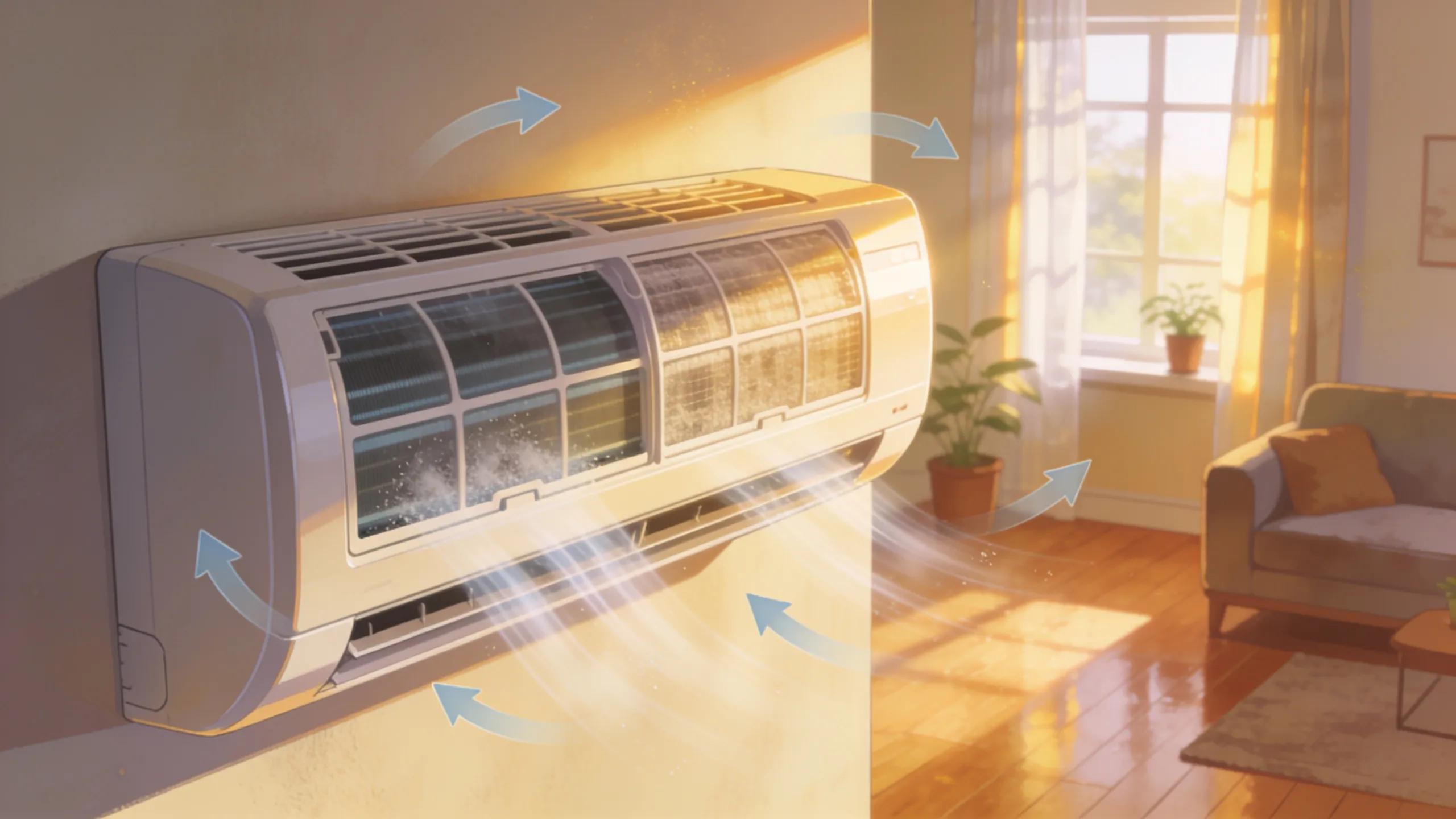
Regular upkeep makes your HVAC last longer. Finding small problems early stops sudden breakdowns and big repair bills. Routine checks keep your home comfortable and can lower energy costs.
Regular visits help the system run smoothly. The long-term savings from upkeep usually outweigh the cost of emergency repairs.
What an Annual AC Maintenance Plan Includes?
An annual plan covers the key tasks that keep your system working well. Regular inspections review how the system runs, including:
- Complete System Inspection: This includes checking the compressor, electrical components, and ductwork to identify any potential issues.
- Cleaning and Optimization Services: Coils, filters, and other components must be cleaned to ensure unobstructed airflow and proper function.
- Safety Checks: Ensuring that the system operates safely helps to prevent hazardous incidents related to refrigerants or electrical components.
These checks boost performance and cut the chance of surprise repairs.
How Regular Maintenance Can Prevent Costly Repairs?
Small problems can grow into costly repairs. Regular filter changes and cleanings stop extra strain on motors and compressors and keep parts from failing.
Data show consistent maintenance can save up to 30% on energy costs while reducing emergency repair needs by nearly 40%. That makes a proactive approach more cost effective than waiting for failures.
Signs That Indicate When an AC Needs Repair
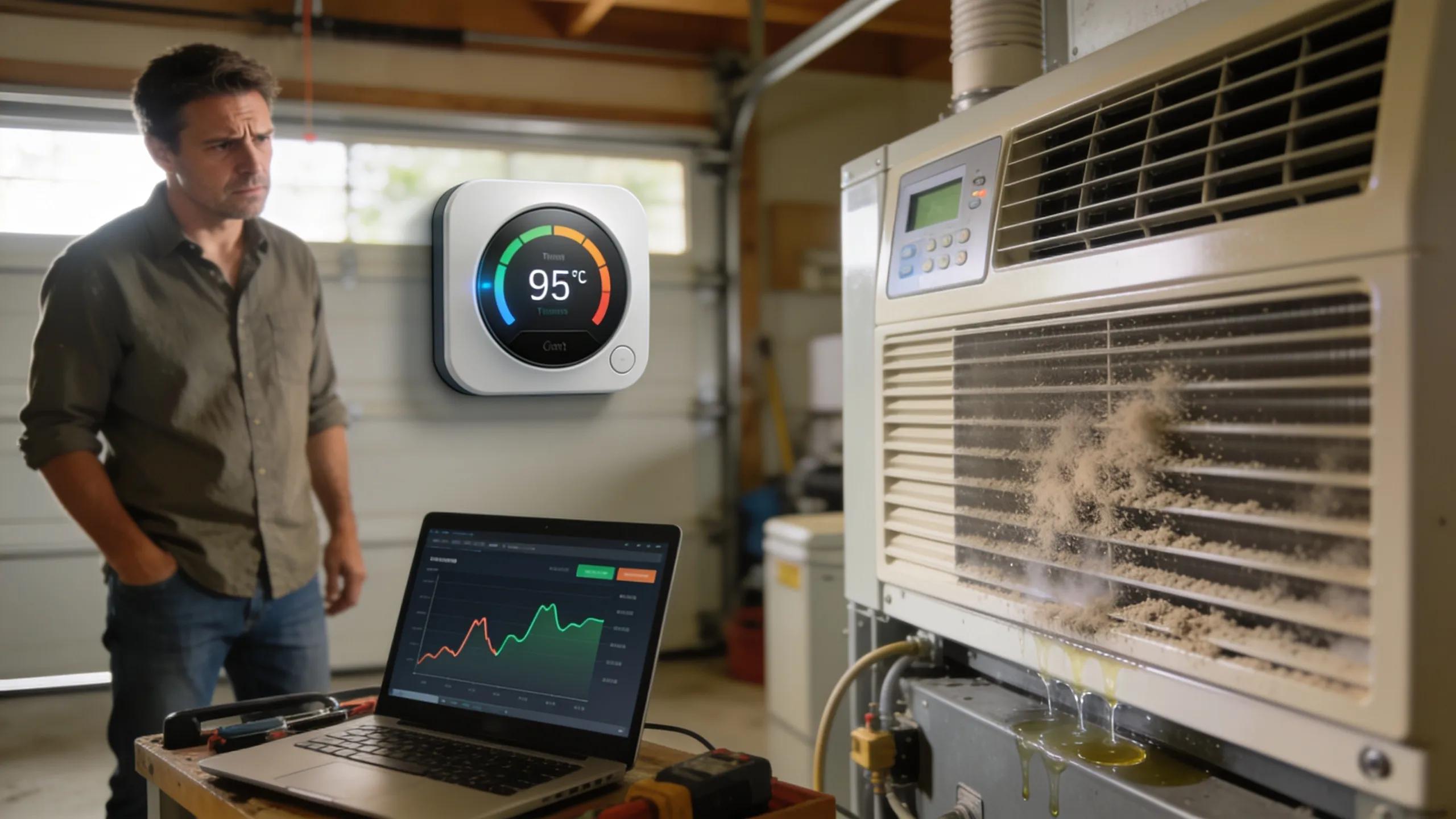
Watch for clear signs so you can act before problems get worse. Common warning signs include:
- Unusual Noises: Sounds such as grinding, squealing, or clanking can indicate mechanical issues that require immediate attention.
- Inefficient Cooling: If your AC takes longer to cool or doesn’t maintain a consistent temperature, it likely needs servicing.
- Increased Energy Bills: A sudden spike in energy costs may suggest that your system is working harder due to underlying problems.
Fixing these warning signs quickly stops bigger, costlier problems.
Common Symptoms of AC System Trouble in New Jersey Homes
Morris County weather can reveal problems like poor humidity control, hot or cold spots, and age-related breakdowns. These signs often mean your system needs attention.
- Humidity Issues: An inability to regulate indoor humidity can cause discomfort and may indicate system malfunction.
- Temperature Inconsistencies: Experiencing hot or cold spots throughout the home can signal airflow or refrigerant issues.
- Age-Related Problems: Older AC systems are more prone to breakdowns, indicating the need for more frequent maintenance.
Spotting these symptoms early helps you get service sooner and keep your home comfortable.
When Emergency AC Repair is Necessary?
Some problems need emergency repair to protect safety and comfort. Look for these signs:
- Complete System Failure: If the AC refuses to turn on, it’s essential to seek professional help.
- Refrigerant Leaks: These can pose health risks and need swift attention to avoid environmental harm.
- Electrical Failures: If there are electrical issues, such as tripped breakers or burnt fuses, contacting professionals immediately is critical.
If you see these warning signs, call a trained technician right away. That protects your home and keeps people safe.
Cost Comparison Between Preventive Maintenance and Repairs
Compare the cost of regular maintenance with the price of emergency repairs when planning HVAC care.
Annual maintenance usually costs $80–$150 in Morris County. Emergency repairs can run $250–$800 or more, depending on the problem. That gap shows how maintenance can save money over time.
These numbers show the money you save with regular AC maintenance.
What Are the Key Maintenance Tasks That Protect Your AC System?
To keep your AC working longer, focus on these tasks:
- Regular Inspection: Periodic evaluations help identify and address potential issues before they escalate.
- Cleaning Protocols: Keeping components like filters and coils free of debris enhances airflow and efficiency.
- Debris Removal: Ensuring that outdoor units are clear of obstructions promotes optimal operation.
Doing these tasks regularly helps your system last longer.
Why are coil cleaning and refrigerant checks essential?
Dirty coils block airflow and slow heat transfer. That makes the system work harder and can wear the compressor. Cleaning coils keeps the unit running smoothly and uses less energy.
Low refrigerant reduces cooling and can damage the system. Checking and correcting refrigerant levels keeps cooling steady and protects critical parts.
How do electrical inspections and filter replacement improve AC life?
Electrical checks find bad wiring and loose connections that can cause hazards. Regular inspections catch problems before they become dangerous.
Changing filters keeps dust out and air flowing. Clean filters reduce wear on the system and help it run more reliably.
How Do Annual Service Agreements Provide Long-Term Comfort and Savings?
Service agreements give steady upkeep and savings over time.
- Preventive Maintenance Benefits: Consistent upkeep helps prevent unexpected failures, ensuring reliable cooling throughout the warmer months.
- Cost Implications: Service agreements typically come at a lower cost than unplanned repairs, yielding substantial savings over time.
- Service Agreement Aspects: Many plans offer priority scheduling and additional discounts on replacement parts and labor.
These benefits make an annual maintenance agreement a smart way to protect your HVAC investment.
What benefits come with priority scheduling and discounted repairs?
Agreements usually give you priority scheduling during busy months so you get help faster.
Discounts cut repair bills and make it easier to fix small issues before they grow. That helps the system last longer and reduces long-term costs.
How do maintenance plans reduce unexpected breakdowns by 40%?
Homes on maintenance plans often see up to 40% fewer surprise breakdowns. Regular inspections spot worn parts early so they don’t cause a full failure.
With routine care, you can count on your system to work when you need it most. If you’re thinking about a long-term upgrade, options like ductless HVAC or VRF systems can offer longer life and lower energy use.
Frequently Asked Questions
What are the signs that indicate my AC system may need maintenance?
Besides loud noises or weak cooling, watch for short cycling (turning on and off often), poor dehumidifying, dust around vents, or worse allergy symptoms. These signs mean the system needs attention. Regular inspections catch them early.
How can I choose the best maintenance plan for my home?
Look at what the plan covers, the price, and the company’s reputation. Choose plans with full inspections, cleaning, and safety checks. Check if they include priority scheduling and discounts on parts or labor. Read customer reviews and pick a plan that matches your system and budget.
How does regular AC maintenance improve indoor air quality?
Routine maintenance keeps filters clean and coils free of dust. Dirty filters spread dust and allergens around the house. Clean coils reduce humidity and lower the risk of mold. A maintenance schedule helps keep the air healthier.
What should I expect during an AC maintenance service visit?
A technician will clean or replace filters, check refrigerant levels, test electrical connections, and look for duct leaks. They may lubricate moving parts and check the thermostat. You’ll get a report with any findings and advice on needed repairs.
Are there DIY maintenance tasks I can perform between professional check-ups?
Yes. You can replace or clean filters, clear debris from around the outdoor unit, and make sure vents are open. These simple tasks help the system run better. Leave complex repairs to professionals to avoid accidental damage.
How do temperature fluctuations indicate potential problems with my AC?
Uneven cooling across rooms can mean low refrigerant, blocked ducts, or a faulty thermostat. When the system struggles to hold a steady temperature, it works harder, which raises energy use and the risk of breakdowns. Have a technician check it to prevent bigger problems.
What steps can I take to prepare my AC system for seasonal changes?
Before the cooling season, clear leaves and debris from the outdoor unit and replace air filters. Check electrical connections and the thermostat. Schedule a professional tune-up before peak use to catch issues early.
Conclusion
Regular AC maintenance prolongs system life and lowers repair costs. Preventive care protects your comfort and can cut energy bills. Timely inspections stop surprise breakdowns and give peace of mind during the warm months. Look into maintenance plans to guard your investment and enjoy lasting comfort at home.
Related Services
- Air Conditioning Maintenance Service
- AC Tune-Up
- Cooling Services
- Air Conditioning Repair
- Air Conditioning Installation
Keep Reading
Browse all HVAC tips and guides.
Need a technician? Perfection Contracting serves homeowners across Sussex County, NJ and the surrounding North Jersey service area.