
By Louie Paracuelles, Perfection Contracting, Inc.
A frozen evaporator coil is frustrating, especially in summer. From our experience, ice cuts your cooling and can lead to bigger damage if you wait. This article covers common causes, how to spot ice, and practical steps to stop it. Learn these points and you can keep your home comfortable and avoid extra repair costs.
-
Frozen evaporator coils reduce AC cooling capacity and can cause costly system damage if ignored.
-
Low refrigerant levels cause pressure drops that lead to ice formation on evaporator coils.
-
Restricted airflow from dirty filters or blocked vents prevents proper heat exchange, causing coil freezing.
-
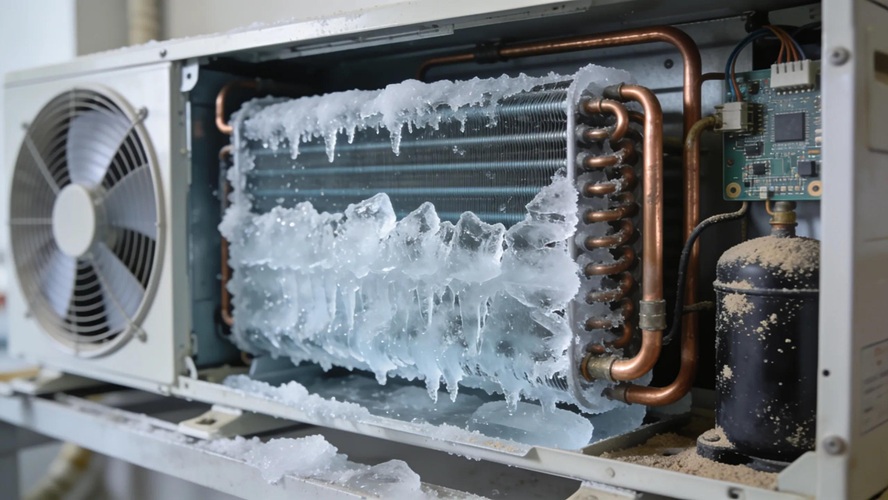
Visible ice, weak airflow, and increased indoor humidity are common signs of coil ice buildup.
-
Regular maintenance, including filter changes and refrigerant checks, helps prevent evaporator coil freezing.
-
Safe defrosting involves turning off the AC and allowing ice to melt naturally without applying heat.
-
Professional repair includes leak detection, airflow assessment, and coil cleaning to resolve freezing issues.
-
Frozen coils increase energy consumption and risk compressor failure, impacting home comfort and utility costs.
-
Proper thermostat settings prevent overcooling, reducing the chance of evaporator coil freezing.
Common Causes of Frozen Evaporator Coils:
-
Low Refrigerant Levels: Insufficient refrigerant can lead to a drop in pressure within the system, causing the evaporator coil to freeze.
-
Restricted Airflow: Blockages in the airflow, often due to dirty filters or closed vents, can prevent proper heat exchange, leading to ice formation.
-
Dirty Coils: Accumulation of dirt and debris on the coils can hinder their ability to absorb heat, resulting in freezing.
Spotting these causes early lets you take action before the problem gets worse.
Indicators of Ice Buildup:
-
Visible Ice Formation: Ice may be seen on the coils or surrounding components, indicating a problem.
-
Weak Airflow: If the airflow from your vents is noticeably reduced, it may be a sign of ice obstructing the system.
-
Increased Humidity: A rise in indoor humidity levels can suggest that your AC is not functioning correctly due to ice buildup.
Effective Strategies to Prevent Freezing:
-
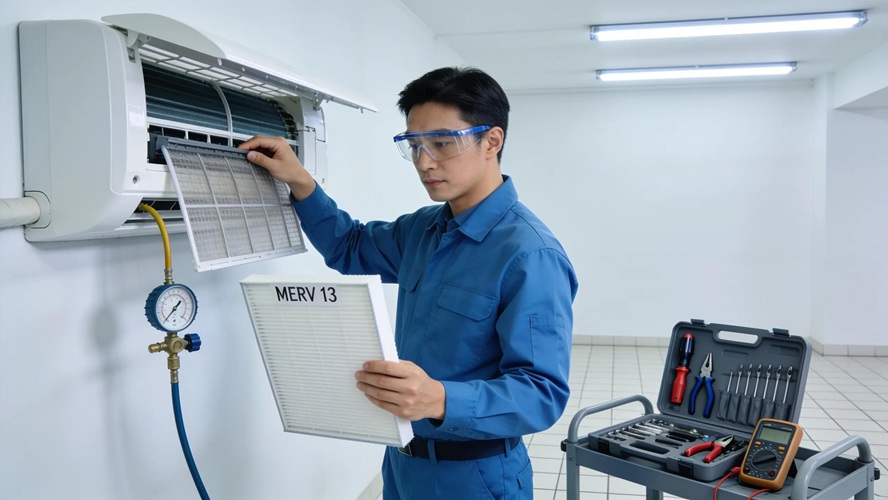
Regular Maintenance: Schedule routine inspections and maintenance for your AC system to ensure all components are functioning correctly.
-
Change Air Filters: Replace air filters every 1–3 months to maintain proper airflow and prevent blockages.
-
Monitor Refrigerant Levels: Regularly check refrigerant levels and have any leaks repaired promptly.
Do these tasks and you’ll cut the chances of a frozen coil. For professional help with air conditioning service, call a trusted technician.
What Causes Your AC Evaporator Coil to Freeze?
-
Airflow Restrictions: Blocked or dirty air filters can restrict airflow, causing the evaporator coil to become too cold and freeze.
-
Low Refrigerant Levels: A drop in refrigerant levels can lead to insufficient heat absorption, resulting in ice formation on the coils.
-
Improper Installation: Incorrect installation of the AC system can lead to airflow issues and refrigerant problems, contributing to freezing.
Target these causes and your AC will run more reliably over time.
How Does Poor Airflow Lead to a Frozen Coil?
-
Impact of Dirty Filters: Clogged filters prevent air from flowing freely, leading to a drop in temperature on the coils.
-
Blocked Vents: Furniture or other obstructions can block vents, further restricting airflow and causing freezing.
-
Blower Fan Issues: If the blower fan is malfunctioning, it may not circulate air properly, resulting in inadequate heat exchange.
Fixing airflow-clean filters, open vents, check the fan—usually stops coil freezing.
Impact of Frost Growth on AC System Performance
When the operating conditions are very cold and humid, and the heat exchanger surface falls below freezing, moisture in the air condenses and then freezes. Frost then grows on the surface and cuts system performance. The frost blocks airflow and raises the pressure drop across the coil, so the fan must work harder to keep the same flow. Lower flow from the higher pressure drop quickly reduces system capacity. For heat pumps, the evaporator’s capacity drops with airflow, which lowers heating output and the system’s coefficient of performance. The frost layer also adds thermal resistance between the air and the refrigerant, which reduces heat transfer and overall performance.
“A Critical Literature Review of Defrost Technologies for Heat Pumps and Refrigeration Systems” (K. Nawaz, 2018).
Why Low Refrigerant Levels Cause Coil Freezing
-
Pressure Drop in the System: A drop in pressure can cause the evaporator coil to become too cold, resulting in ice formation.
-
Signs of Low Refrigerant: Common signs include hissing sounds, reduced cooling efficiency, and ice buildup on the coils.
-
Importance of Professional Help: If you suspect low refrigerant levels, it is essential to contact a professional for air conditioning repair and leak detection.
Keeping refrigerant at the right level is key to steady cooling and to avoiding frozen coils.
How Can You Tell If Your AC Coil Is Frozen?
-
Warm or Weak Airflow: If the air coming from your vents is warm or weak, it may indicate a frozen coil.
-
High Indoor Humidity: Increased humidity levels can suggest that your AC is not functioning correctly due to ice buildup.
-
AC Running Longer Than Normal: If your AC unit is running continuously without effectively cooling your home, it may be a sign of a frozen coil.
Catch these early and you can limit damage and repair costs.
What Are the Visible and Performance Indicators of Ice Buildup?
-
Ice Formation on the Unit: Visible ice on the evaporator coil or surrounding components is a clear indicator of a problem.
-
Hissing or Bubbling Sounds: Unusual sounds coming from your AC unit may indicate refrigerant issues or ice buildup.
-
Water Pooling Around the Unit: Excess moisture or water pooling around the AC unit can suggest that ice is melting and causing leaks.
Spotting these signs helps you take action before the problem gets worse.
How Does a Frozen Coil Affect Your Home’s Comfort and Energy Use?
-
Inadequate Cooling: A frozen coil prevents your AC from effectively cooling your home, leading to discomfort during hot weather.
-
Increased Energy Consumption: When your AC struggles to cool your home, it consumes more energy, resulting in higher utility bills.
-
Potential for Compressor Failure: Prolonged freezing can damage the compressor, leading to costly repairs or replacement.
Understanding these effects shows why regular care matters for comfort and lower bills.
What Are Safe Ways to Defrost Your AC Coil?
-
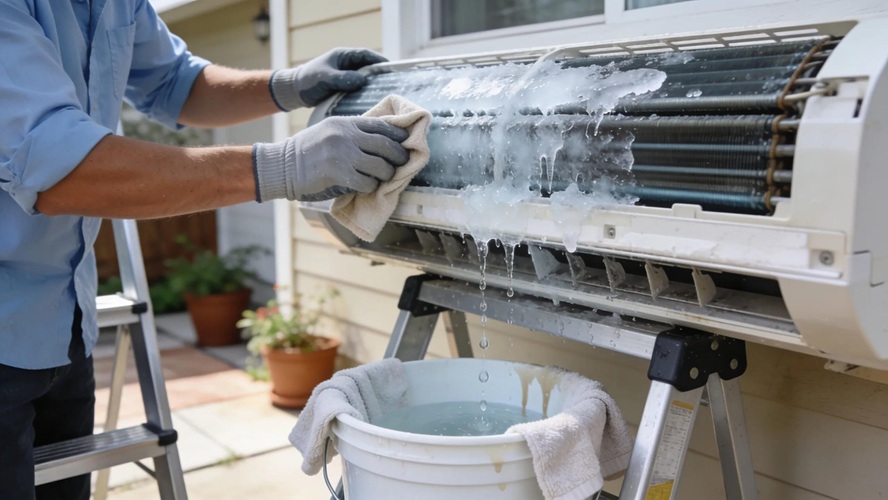
Turn Off the AC: Immediately turn off your air conditioning unit to prevent further damage.
-
Allow the Coil to Thaw: Let the ice melt naturally; this may take several hours.
-
Check for Underlying Issues: Once defrosted, inspect the system for any underlying issues that may have caused the freezing.
Use these steps to defrost safely and then look for the root cause so it does not happen again.
How to Defrost Your AC Coil Without Causing Damage
-
Avoid Using Sharp Objects: Do not attempt to chip away at the ice with sharp tools, as this can damage the coil.
-
Do Not Apply Heat Directly: Avoid using heat guns or blow torches, as excessive heat can cause further damage.
-
Monitor the Thawing Process: Keep an eye on the thawing process to ensure that water is draining properly and not causing leaks.
Move slowly, watch the melt, and never force the ice off the coil. If you are unsure, call a technician.
When Is It Time to Call a Professional for Defrosting?
-
Repeated Ice Buildup: If you notice ice forming on your coil frequently, it may indicate an underlying issue that requires professional attention.
-
Strange Noises: Unusual sounds coming from your AC unit can signal problems that need expert evaluation.
-
Electrical Issues: If you experience electrical problems with your AC, such as tripped breakers, it is essential to consult a professional.
Calling a technician when these signs appear can prevent bigger repairs and keep your system safe.
How Do Professionals Repair and Maintain Frozen Evaporator Coils?
-
Refrigerant Leak Detection: Technicians will check for leaks and ensure that refrigerant levels are adequate.
-
Airflow Assessment: Professionals will evaluate airflow throughout the system to identify any blockages or issues.
-
Coil Inspection and Cleaning: The coils will be inspected and cleaned to ensure optimal performance and prevent future freezing.
Regular pro checks stop small problems from turning into major repairs and help your AC last longer.
What Repair Services Address Refrigerant and Airflow Issues?
-
Leak Detection and Repair: Technicians can identify and repair refrigerant leaks to maintain proper levels.
-
Airflow Improvement: Services may include cleaning or replacing air filters and inspecting ductwork for blockages.
-
System Diagnostics: Comprehensive diagnostics can identify underlying issues affecting your AC’s performance.
Using these services helps prevent future freezes and keeps your AC working well.
How Does Regular Maintenance Prevent Future Coil Freezing?
-
Changing Filters: Regularly replacing air filters helps maintain proper airflow and prevents blockages.
-
Cleaning Coils: Keeping the coils clean ensures they can effectively absorb heat, reducing the risk of freezing.
-
Checking Refrigerant Levels: Regular checks of refrigerant levels can help identify leaks and maintain system efficiency.
Stick to a maintenance plan and you lower the chance of frozen coils and unexpected breakdowns.
What Steps Can You Take to Prevent Your AC Coil from Freezing Again?
-
Regular Filter Replacement: Change air filters every 1–3 months to ensure proper airflow.
-
Annual Maintenance: Schedule annual inspections and maintenance with a qualified HVAC technician.
-
Inspect Airflow: Regularly check vents and ducts for blockages to maintain optimal airflow.
Follow these habits and you’ll cut the risk of repeat freezing.
How Does Changing Air Filters Help Maintain Proper Airflow?
-
Impact of Dirty Filters: Clogged filters restrict airflow, leading to reduced cooling efficiency and potential freezing.
-
Frequency of Changes: Regularly changing filters every 1–3 months ensures that your system operates at peak performance.
-
Effect on Coil Freezing: Maintaining clean filters helps prevent ice buildup on the evaporator coil, ensuring efficient cooling.
Keep filters clean and you reduce strain on the system and the chance of ice forming.
Why Monitoring Thermostat Settings Matters for Coil Health
-
Correct Temperature Settings: Keeping your thermostat at appropriate settings prevents overcooling, which can lead to freezing.
-
Impact on System Performance: Proper thermostat management ensures that your AC operates efficiently, reducing the risk of coil issues.
-
Preventing Overcooling: Avoid setting the thermostat too low, as this can cause the evaporator coil to become excessively cold and freeze.
Watch the settings and avoid big swings. Small changes can keep the coil safe.
Frequently Asked Questions
1. What are some factors that can lead to low refrigerant levels in an air conditioning system?
Low refrigerant happens for a few reasons. Leaks at joints or damaged coils let refrigerant escape. Poor installation can leave the system undercharged. Older systems also lose performance with age. If cooling drops or you hear hissing, have a technician check the refrigerant.
2. How can I identify if my AC needs professional attention for ice buildup?
Ask for help when ice keeps returning, you hear hissing or bubbling, or humidity stays high. If the AC runs non-stop but does not cool well, call a technician. Quick action can stop bigger damage.
3. What maintenance practices can prolong the life of my air conditioning system?
Simple maintenance extends life. Get an annual service, change filters every 1–3 months, and keep the condensate drain clear. Check refrigerant levels and keep the outdoor unit free of debris. These steps lower repair needs and help the unit last longer.
4. Can ambient temperature affect my AC’s performance regarding coil freezing?
Yes. Cooler outdoor temperatures or high humidity can make the coil colder and raise the chance of freezing. During cool nights or sudden temperature drops, adjust your thermostat and watch for ice to avoid problems.
5. Is it safe to use household tools for defrosting a frozen coil?
No. Don’t chip ice with sharp tools or use direct heat. That can damage the coil. Turn off the AC and let the ice melt. If ice returns, call a professional.
6. How often should I have my air conditioning system serviced to prevent issues?
Have your AC serviced at least once a year. An annual check should include inspections, filter changes, and coil and drain cleaning. Regular service helps find small faults before they become costly repairs.
7. What should I do if I notice water pooling around my AC unit?
Turn the system off first. Water can mean a clogged condensate drain or melting ice from a frozen coil. Check the drain for blockages. If you can’t find or fix the cause, call a technician to avoid water damage.
Conclusion
Preventing a frozen evaporator coil keeps your home comfortable and cuts repair costs. Stay on top of filters, inspections, and refrigerant checks. Learn the signs of ice and act quickly if you see them. If you need help, our technicians can handle repairs and maintenance so your AC works reliably for years.
Related Services
- Cooling Services
- Air Conditioning Repair
- Air Conditioning Installation
- Air Conditioning Maintenance Service
Keep Reading
Browse all HVAC tips and guides.
Need a technician? Perfection Contracting serves homeowners across Sussex County, NJ and the surrounding North Jersey service area.