
6 Signs It’s Time to Replace Your AC, Not Repair It
By Louie Paracuelles, Perfection Contracting, Inc.
From our experience, knowing when to replace your AC saves you money and keeps your home comfortable in hot months. Homeowners often face the choice: repair an old unit or install a new one. This article points out clear signs that replacement is the smarter move. You’ll learn about typical AC lifespan, how repeated repairs add up, and which performance problems mean it’s time to replace. After reading, you’ll feel confident about the next step for your home’s cooling.
- Air conditioning units typically last 15 to 20 years, with performance declining as they age.
- Frequent repairs increase maintenance costs and may justify replacing the AC unit instead of repairing.
- Repair costs exceeding half the price of a new unit over a few years indicate replacement is economical.
- Common issues like compressor failure and refrigerant leaks often signal that replacement is necessary.
- Poor cooling performance, such as uneven temperatures and high humidity, suggests the AC unit is failing.
- Rising energy bills can indicate an aging AC unit is consuming more power and losing efficiency.
- Strange noises and odors from the AC unit often point to mechanical or refrigerant problems requiring attention.
- Environmental concerns arise from refrigerant leaks, making newer, eco-friendly units a better choice.
- Evaluating age, repair frequency, and performance helps homeowners decide between repairing or replacing their AC system.
How Old Is Your Air Conditioner and What Is Its Expected Lifespan?
Age matters for your AC’s reliability and cost. Most units last about 15 to 20 years, depending on use and upkeep. Older systems lose cooling power and use more energy. Watch the unit’s age to decide if replacement should be on your short list.
What Is the Typical Lifespan of an AC Unit in Morris County?
In Morris County, ACs follow the national average: roughly 15 to 20 years. Local heat and humidity can shorten that span. From our experience, units exposed to extreme weather show wear sooner. Look for uneven cooling or odd noises as signs the unit may need replacing soon.
How Does Age Affect AC Performance and Repair Needs?
As units get older, they break down more often and cost more to fix. They struggle to keep steady temperatures and drive up your energy bills. From our experience, frequent fixes on old systems usually aren’t worth it. Compare repair costs to replacement and decide which gives better long-term value. Understanding this helps you choose the right path for your home and budget.
Are Frequent Repairs Driving Up Your Maintenance Costs?
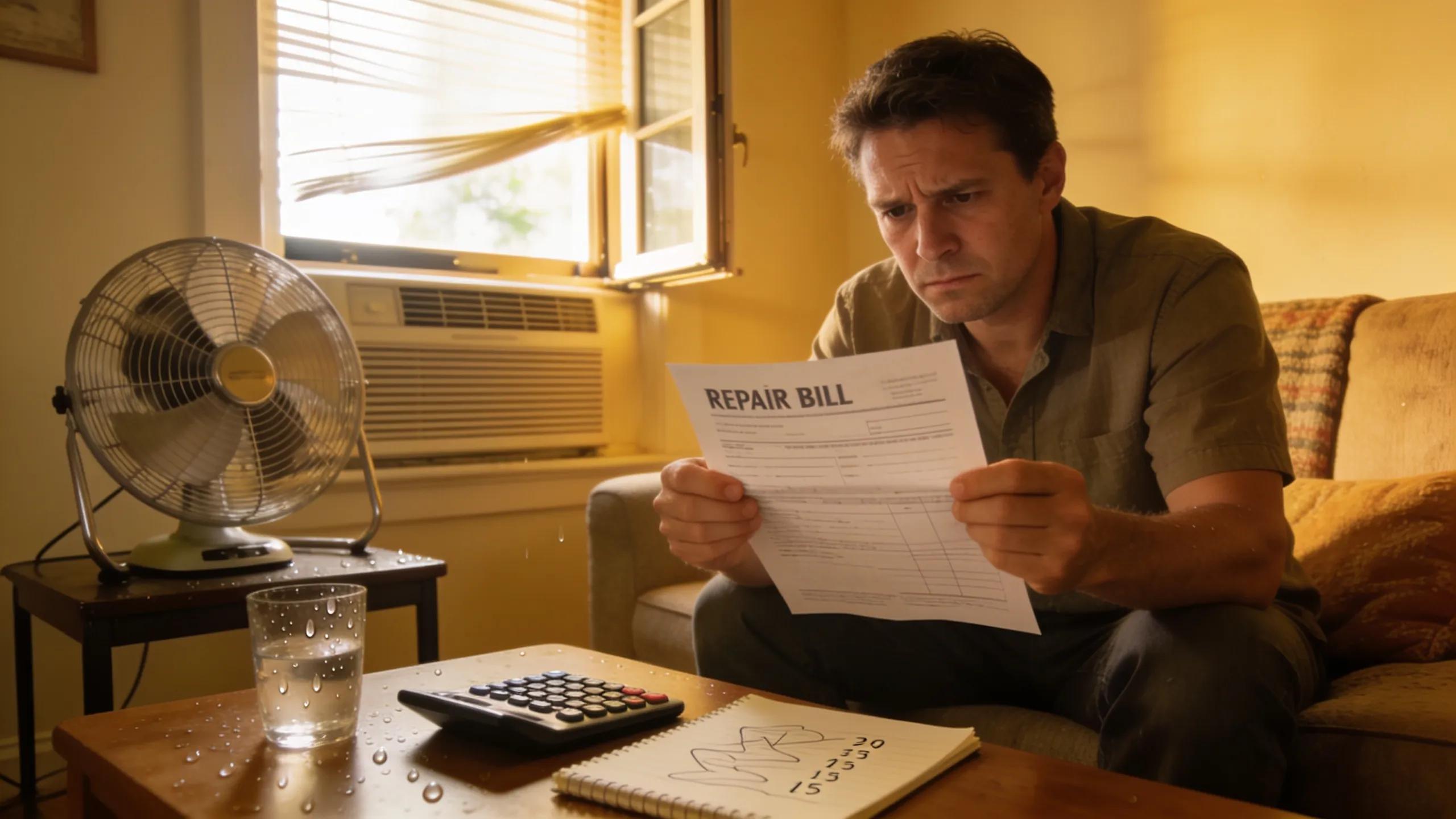
Frequent repairs add up fast and strain your budget. If you call for service several times a year, replacement may save money and hassle. Use the 50% Rule as a guide: if repair bills over a few years pass half the cost of a new unit, replacement often makes more sense. That gives you steady cooling and fewer surprise bills.
AC Repair Frequency and Costs vs. Replacement Decisions
Repair costs range from $5 to $100 for fridges, while air conditioners (ACs) require repairs most frequently. Major repairs occur within a year for ACs and seven years for flat-panel TVs, depending on usage, product quality and climate. Householders in the Global South prioritize repairs over replacements, primarily due to economic constraints and value recovery, contrasting with sustainability-driven repair advocacy in the Global North.
Repair Over Replacement: Consumer Behaviours and Repair Practices for Electronics in the Global South, H Habib, 2025
This finding shows ACs need repairs more often than many other appliances. That makes it useful to weigh repair costs against the cost of a new system.
When Do Repair Costs Surpass Replacement Value?
You should consider replacement when repair bills stay high or keep coming back. Look at the unit’s age, how often it needs work, and likely future fixes. If the numbers point to ongoing expense, investing in a new system usually gives better comfort and value.
What Common Problems Signal That Repairs Are No Longer Worth It?
Some problems mean repairs may no longer be worth your time or money. Watch for:
- Compressor Failure: A failing compressor can lead to costly repairs and is often a sign that the unit is nearing the end of its lifespan.
- Refrigerant Leaks: If your unit is leaking refrigerant, it can be both costly to repair and harmful to the environment.
- Inefficiency: If your AC is no longer cooling effectively, it may be time to consider a replacement.
Spotting these issues early helps you avoid extra bills and keeps your home comfortable.
Is Your AC Struggling to Keep Your Home Cool?
If your AC can’t hold a steady temperature or rooms feel humid, the unit may be failing. From our experience, uneven cooling and high humidity often mean the system is past its best. Track performance and, if problems persist, plan for replacement rather than repeated fixes.
Are Rising Energy Bills a Sign Your AC Needs Replacing?
Higher energy bills often mean your AC is losing efficiency as it ages. Older units use more power to cool the same space. A new, energy-efficient model can lower monthly costs and improve comfort. Look at long-term savings, not just the upfront price.
For homeowners thinking about replacement, Perfection Contracting, Inc. offers energy-efficient air conditioning models and professional service. For routine AC maintenance and service, talk with their team to learn your options.
Do Strange Noises or Odors Indicate a Failing Air Conditioner?
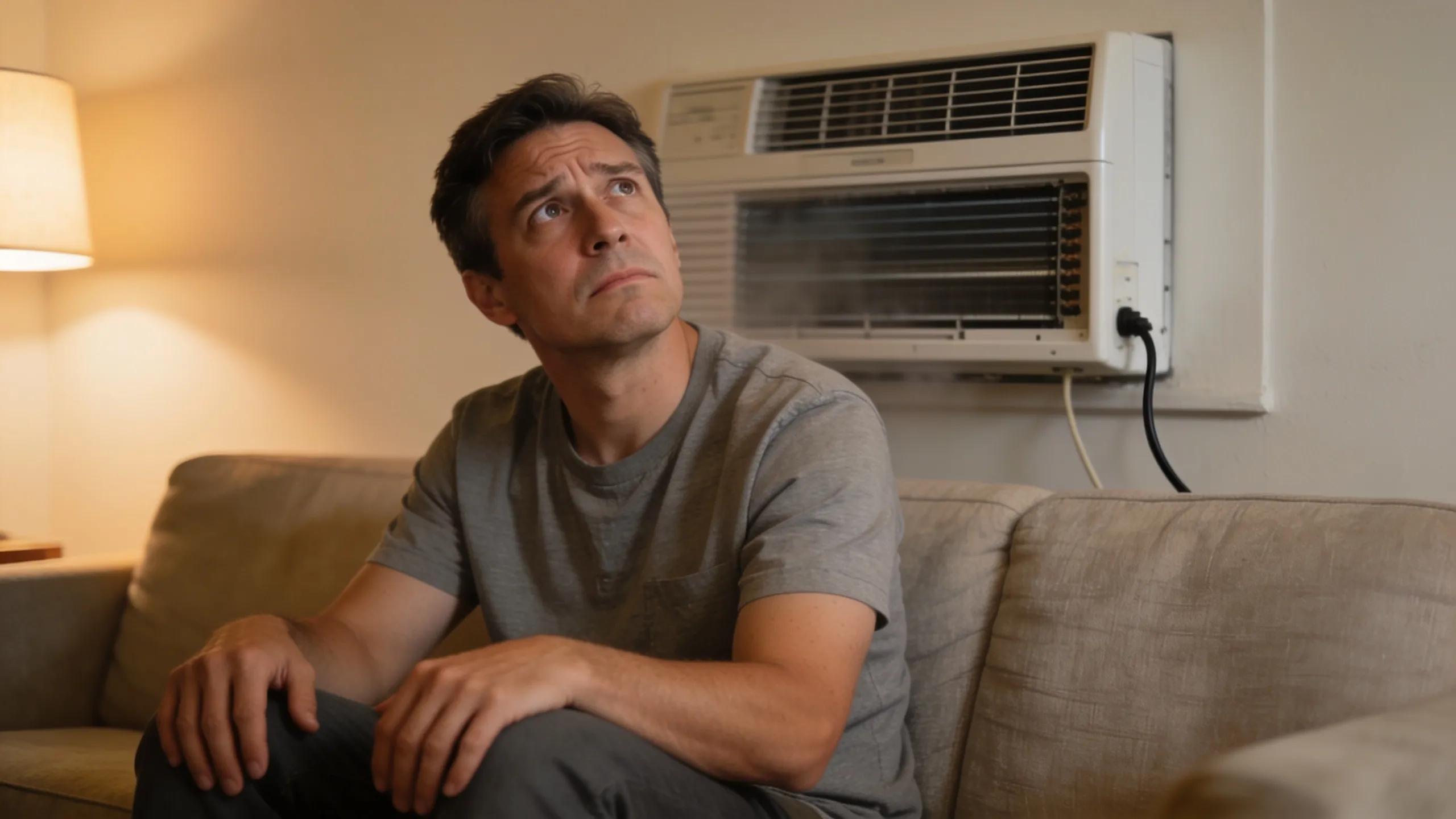
Grinding, squealing, hissing, or odd smells point to real problems. These sounds can mean mechanical failure or a refrigerant leak. Bad smells may signal electrical issues or mold inside the system. From our experience, if you hear or smell these signs, call a pro to check whether repair or replacement is the right move.
How Do Refrigerant Issues Impact Your Decision to Repair or Replace?
Refrigerant leaks cut cooling power and raise operating costs. They also carry environmental risks. If your unit needs frequent refrigerant top-ups or repairs, replacement may be the better financial and environmental choice. Newer systems use more eco-friendly refrigerants, which is a practical advantage for many homeowners.
This table sums up common problems and the practical actions homeowners should consider.
Recognizing signs that your AC needs replacing can save money and keep your home comfortable. Understanding lifespan, repair costs, and performance problems helps you choose the best path. If you face these issues, reach out to Perfection Contracting, Inc. for expert advice and service.
Frequently Asked Questions
What are the environmental impacts of refrigerant leaks from AC units?
Refrigerant leaks release gases that can warm the planet and harm the ozone layer. They also cut your system’s performance. Check your system for leaks and fix them quickly. Switching to newer refrigerants reduces environmental harm. If you suspect a leak, have a professional inspect the unit and suggest repair or replacement options.
How can I improve the efficiency of my aging AC before deciding on a replacement?
Start with regular maintenance. Change or clean filters, keep clear airflow around the unit, and check for duct leaks. Schedule a yearly professional inspection to catch small issues early. These steps can extend life and improve performance. If problems continue and the unit is near 15 to 20 years old, replacement may be the smarter choice.
What energy-efficient options should I consider for replacing my AC?
Look for models with a high SEER rating of 16 or higher is a good target. Choose systems that use more eco-friendly refrigerants and support programmable thermostats. Features like variable-speed blowers also help save energy. Talk with a professional to find the best fit for your home.
How can I determine the right size of an AC unit for my home?
Size matters. An oversized unit will short cycle; an undersized unit will struggle. Think about your home’s square footage, room count, insulation, and local climate. A professional Load Calculation (Manual J) gives the precise size you need for steady cooling without wasted energy.
Are there any financing options available for replacing my AC unit?
Many HVAC companies provide financing to help spread the cost of a replacement. Options include installment plans, low-interest loans, and manufacturer rebates. Some utilities offer incentives for energy-smart models. Compare offers to find terms that fit your budget.
What should I do with my old AC unit after replacement?
Dispose of your old unit responsibly. Many HVAC firms recycle old systems and handle refrigerants safely. Don’t just throw the unit away. Local waste services often have rules for appliance disposal. Recycling parts helps reduce waste and keeps harmful substances out of the environment.
How can I extend the lifespan of my newly installed AC unit?
Keep up regular maintenance. Change or clean filters monthly during heavy use and get annual professional checks. Keep the outdoor unit clear of debris and make sure airflow isn’t blocked. Use reasonable thermostat settings so the system isn’t overworked. These steps help the unit last longer and run well.
Conclusion
Noticing the right signs early can prevent discomfort and surprise costs. Look at repair frequency, age, and performance to choose between fixing or replacing your AC. For personalized advice and to review replacement options, contact our team. Keep your home comfortable and get the support you need.
Related Services
- AC Replacement
- Cooling Services
- Air Conditioning Repair
- Air Conditioning Installation
- Air Conditioning Maintenance Service
Keep Reading
Browse all HVAC tips and guides.
Need a technician? Perfection Contracting serves homeowners across Sussex County, NJ and the surrounding North Jersey service area.