Why Does My AC Keep Turning On and Off? Understanding AC Short Cycling
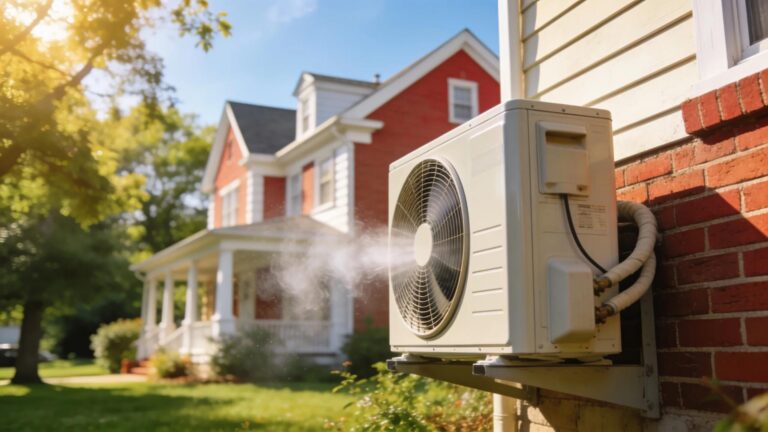
My air conditioner was short cycling, causing discomfort. Learn about the causes and effective fixes to maintain a cool and efficient home.

My air conditioner was short cycling, causing discomfort. Learn about the causes and effective fixes to maintain a cool and efficient home.
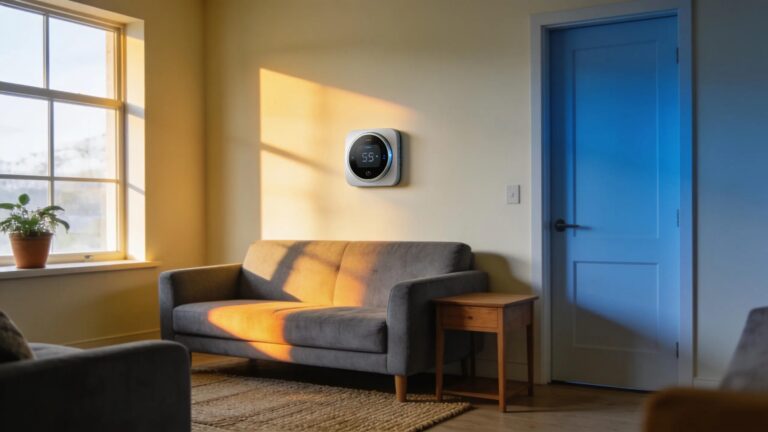
Learn how I resolved hot and cold spots in my NJ home, ensuring balanced cooling throughout. Simple tips can transform your comfort today!
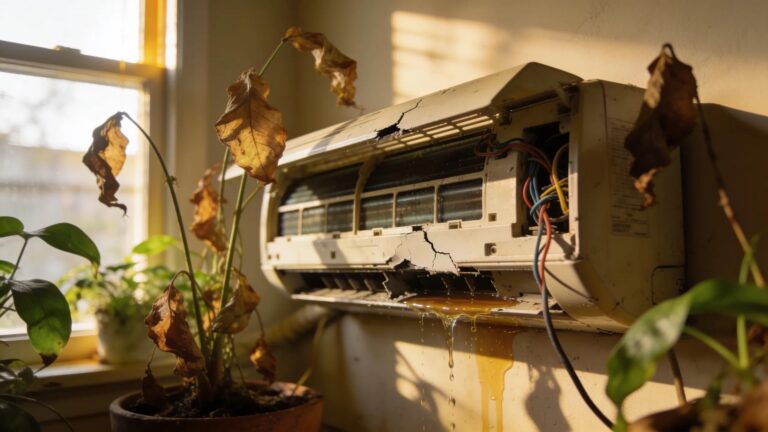
Learn from my experience on handling an AC breakdown in New Jersey. I'll guide you on essential steps to take before the technician arrives.
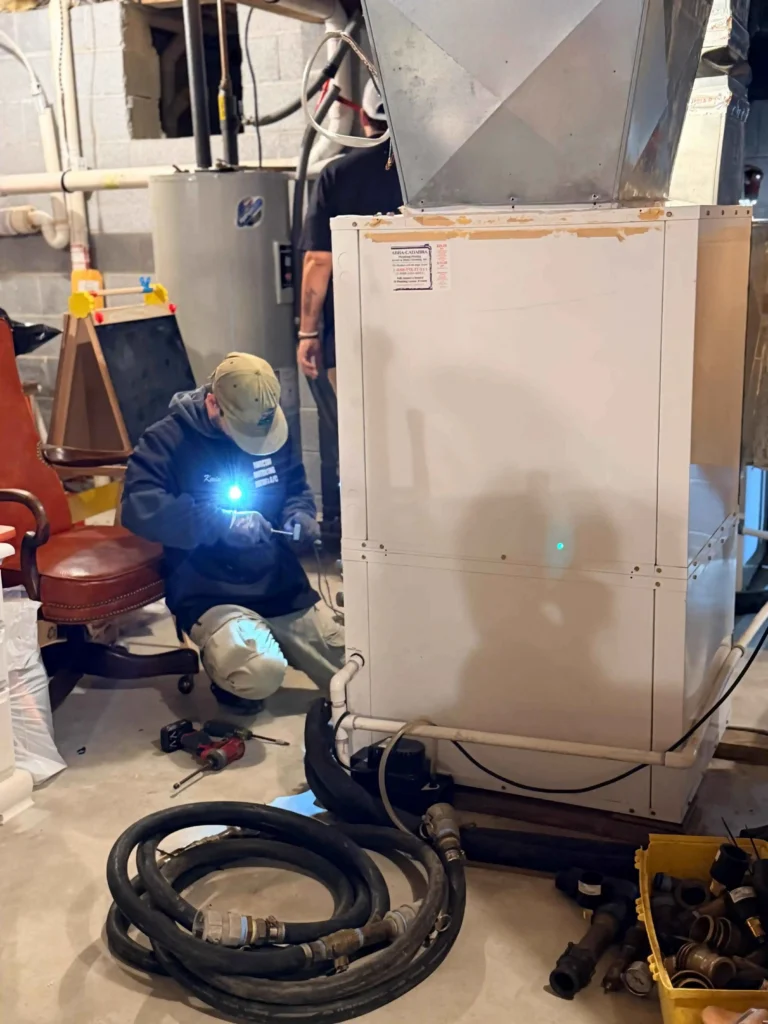
Learn from my experiences to avoid common DIY AC mistakes that many homeowners make. Trust me, a little knowledge can save you time and money.
Is your air conditioner running constantly? I’ll explain common reasons and effective solutions to help New Jersey homeowners keep their cool.

Facing a tough decision between AC replacement and repair? Let me guide you through the costs and benefits to find the best solution for your New Jersey home.
Before calling my AC repair technician, I always check some basics first. This guide highlights easy troubleshooting tips for New Jersey homeowners like me.
Complete Pricing Guide, Budget Planning, Repair vs. Replacement & Money-Saving Tips If you’ve recently received an estimate for a new air conditioner, you may have experienced a little sticker shock. One contractor quotes $6,500. Another quotes $11,000. A third recommends…

After hiring the best HVAC services in Northern New Jersey, I experienced exceptional comfort and expertise. They truly transformed my home environment.
Choosing Perfection Contracting was the best decision for my home's comfort in NJ. Their expertise ensures quality service you can trust. Learn more!
Experience top-notch HVAC service with Mitsubishi Diamond Contractor in NJ. I trust them for reliable solutions that keep my home comfortable year-round.

Navigating HVAC installation was simple with local pros near me. I found trustworthy services that ensured comfort and efficiency for my New Jersey home.
Let’s be honest. If you’ve ever looked at the big unit outside your house and thought, “Is that the compressor… or the condenser?” — you’re not alone. We hear this question all the time. And here’s the truth: Most homeowners…
There’s nothing worse than waking up on a cold morning, walking over to your thermostat… and realizing your furnace isn’t turning on. We’ve seen this situation more times than we can count. And here’s the truth most homeowners don’t realize:…
Let me start with something simple. If your AC is blowing warm air in the middle of summer, you’re not just uncomfortable. You’re stressed. And one of the first things you’re probably asking is: “How much is this going to…
Let’s be honest. Most homeowners don’t think about their air conditioner… until it stops working. And when it does, it’s never at a convenient time. It’s always during the hottest day of the year, when your home feels like an…
You didn’t expect this when you walked into your home. A puddle. Right under your AC. At first, it looks harmless. Just a little water. But give it a few hours, and that small leak can turn into stained ceilings,…
If your air conditioner is keeping you awake… It’s time for a change. We’ve worked with homeowners who say the same thing: “The AC works… but it’s just too loud.” And honestly, they’re right. A system can cool your home…
You walk into your home, expecting cool air… and instead, you see water pooling near your AC unit. We’ve seen this happen more times than we can count. And if you’re like most homeowners, your first thought is: “Is this…
If your AC isn’t cooling like it used to, your first instinct might be to lower the thermostat. We see this all the time. But here’s the truth most homeowners don’t realize: your AC doesn’t just “lose refrigerant.” If levels…