
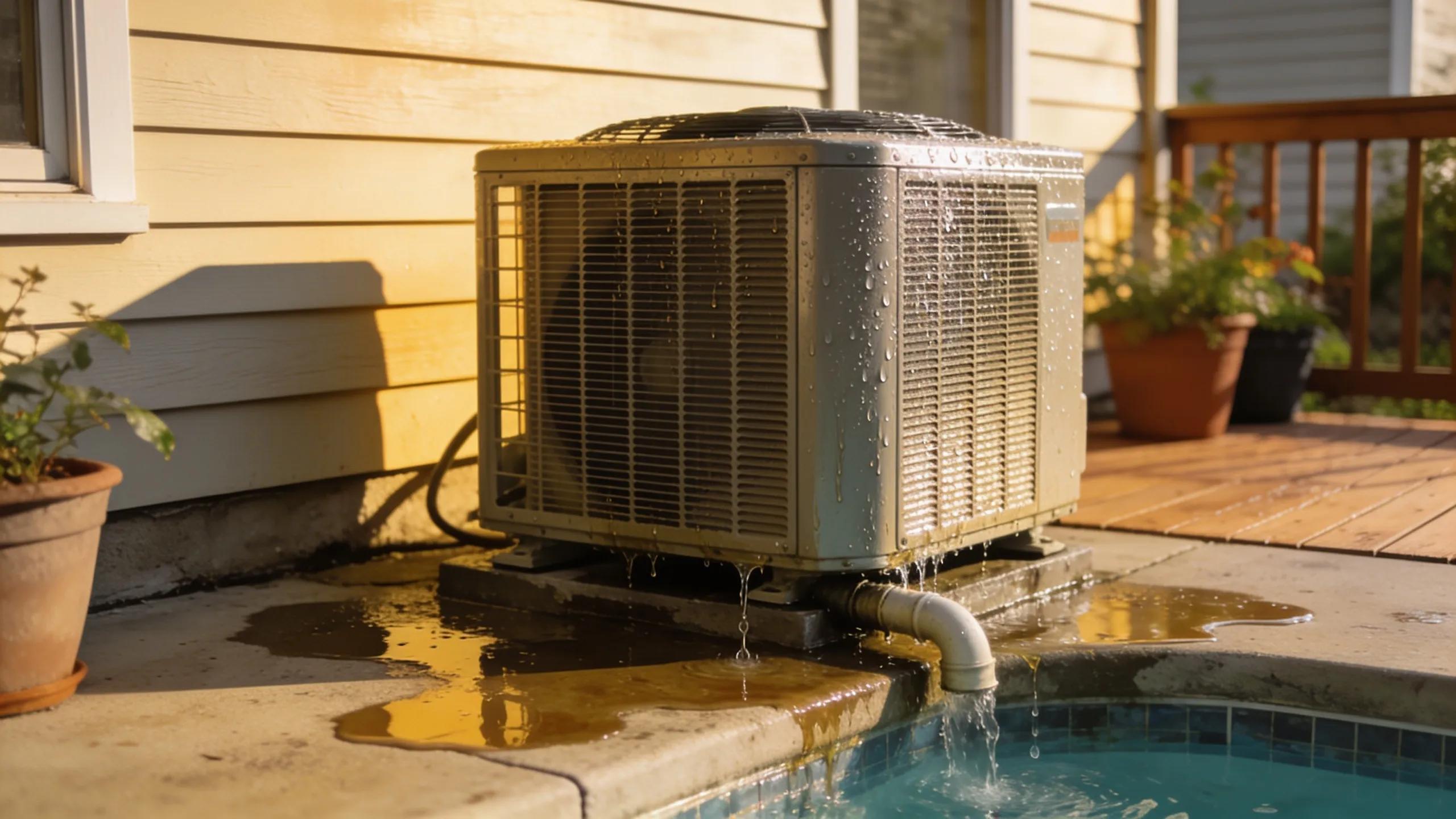
Why Is Your Air Conditioner Leaking Water? Clear Causes and Practical Fixes for Homeowners
By Louie Paracuelles, Perfection Contracting, Inc.
Seeing water from your air conditioner is stressful. From our experience, most leaks come from a few common issues. This article explains those causes, shows simple fixes you can try, and gives maintenance tips to stop leaks from coming back. Knowing the root cause helps you protect your home and keep the system running well.
Leaks often start with blocked drain lines, frozen coils, or worn parts. We’ll explain how to spot each problem, what DIY steps you can safely try, and when a professional should step in. Regular upkeep prevents many leaks and saves you money over time.
- Water leaks in air conditioners often result from clogged drain lines, frozen evaporator coils, or damaged components.
- Clogged condensate drain lines cause water backup and overflow, leading to leaks and potential home damage.
- Frozen evaporator coils occur due to low refrigerant or poor airflow, causing excess water when thawing.
- Dirty air filters restrict airflow, contributing to coil freezing and subsequent water leaks inside the home.
- Early signs of AC water leaks include water pooling, stains on walls, and musty odors indicating moisture buildup.
- Homeowners can clear clogged drain lines using a wet/dry vacuum and vinegar flush to prevent leaks.
- Persistent leaks, ice on coils, or refrigerant issues require professional HVAC technician intervention for safe repair.
- Regular maintenance, including filter changes and drain line cleaning, helps prevent water leaks and maintains system function.
- Repair options for leaks include fixing drain lines, replacing drain pans, and addressing refrigerant levels to stop recurring problems.
Common Causes of AC Water Leaks
Air conditioners can leak for a few clear reasons. Knowing these makes the problem easier to fix. The most common causes are clogs, frozen coils, and damaged parts.
- Clogged Condensate Drain Line: Over time, dirt, debris, and algae can accumulate in the drain line, leading to blockages that prevent proper drainage.
- Frozen Evaporator Coil: When the evaporator coil freezes, it can cause excess water to drip as it thaws, leading to leaks.
- Dirty Air Filter: A dirty air filter restricts airflow, causing the evaporator coil to freeze and subsequently leak water when it thaws.
Spotting which of these is causing your leak is the first step. That tells you if a quick clean will fix it or if you need a pro to check the system.
What Are the Most Common Causes of Air Conditioner Water Leaks?
Several factors can cause an AC to leak. Below we list the usual culprits and what they do.
- Clogged Drain Line: A blocked drain line can cause water to back up and leak from the unit.
- Frozen Coils: When the evaporator coils freeze due to low refrigerant levels or poor airflow, they can lead to water accumulation and leaks.
- Damaged Drain Pan: A cracked or rusted drain pan can allow water to escape, resulting in leaks.
If you need help, consider professional air conditioning repair. A technician can diagnose the exact cause and recommend a long-lasting fix.
How Does a Clogged AC Drain Line Lead to Water Leaks?
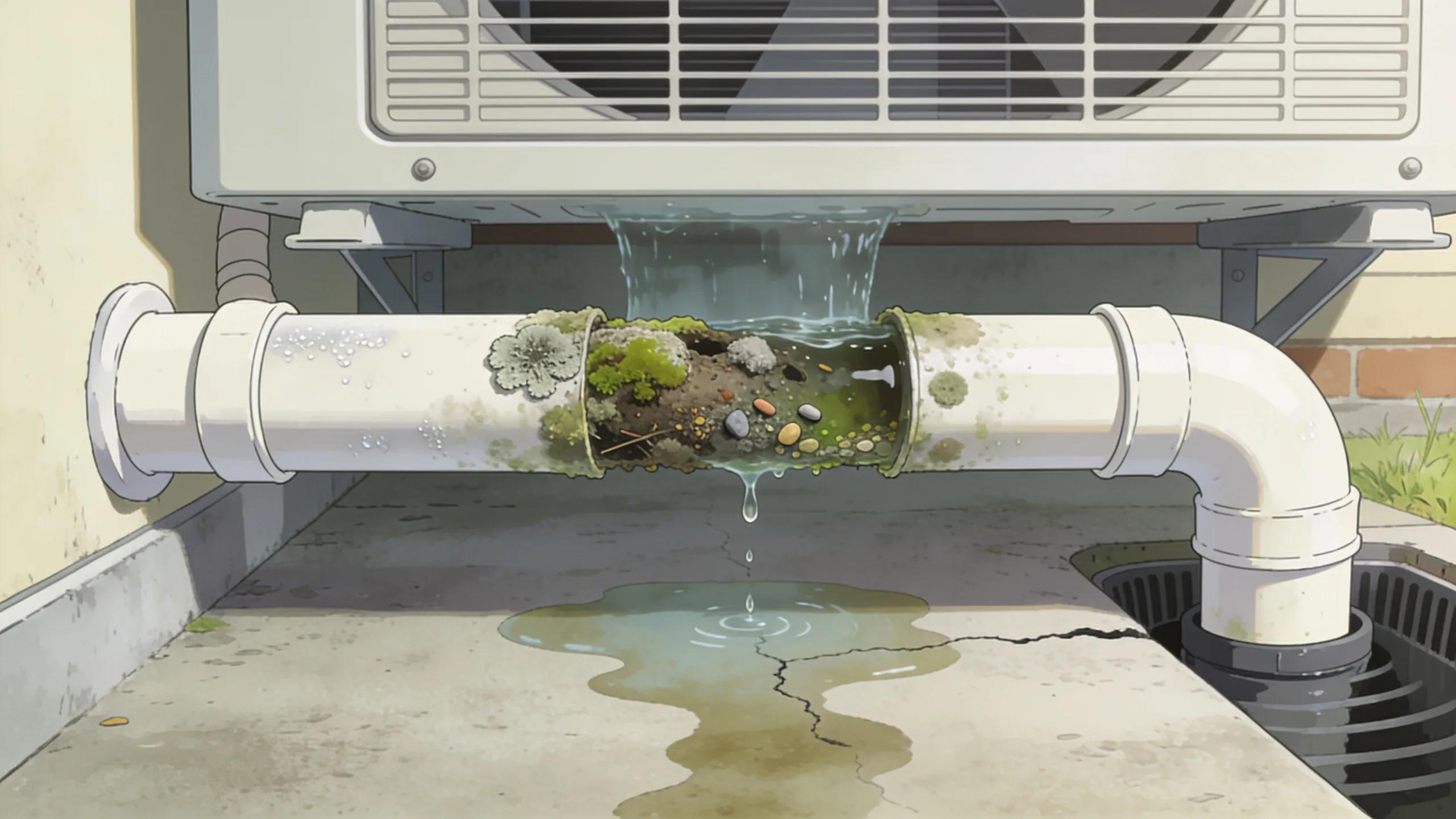
A clogged drain line stops condensation from draining away. Debris, dirt, or algae can form a blockage. When that happens, water backs up and overflows the unit.
That overflow can damage floors, walls, and insulation and lead to mold growth. From our experience, regular drain cleaning prevents most of these problems and keeps the system working as it should.
Can Frozen Evaporator Coils Cause Your AC to Leak Inside?
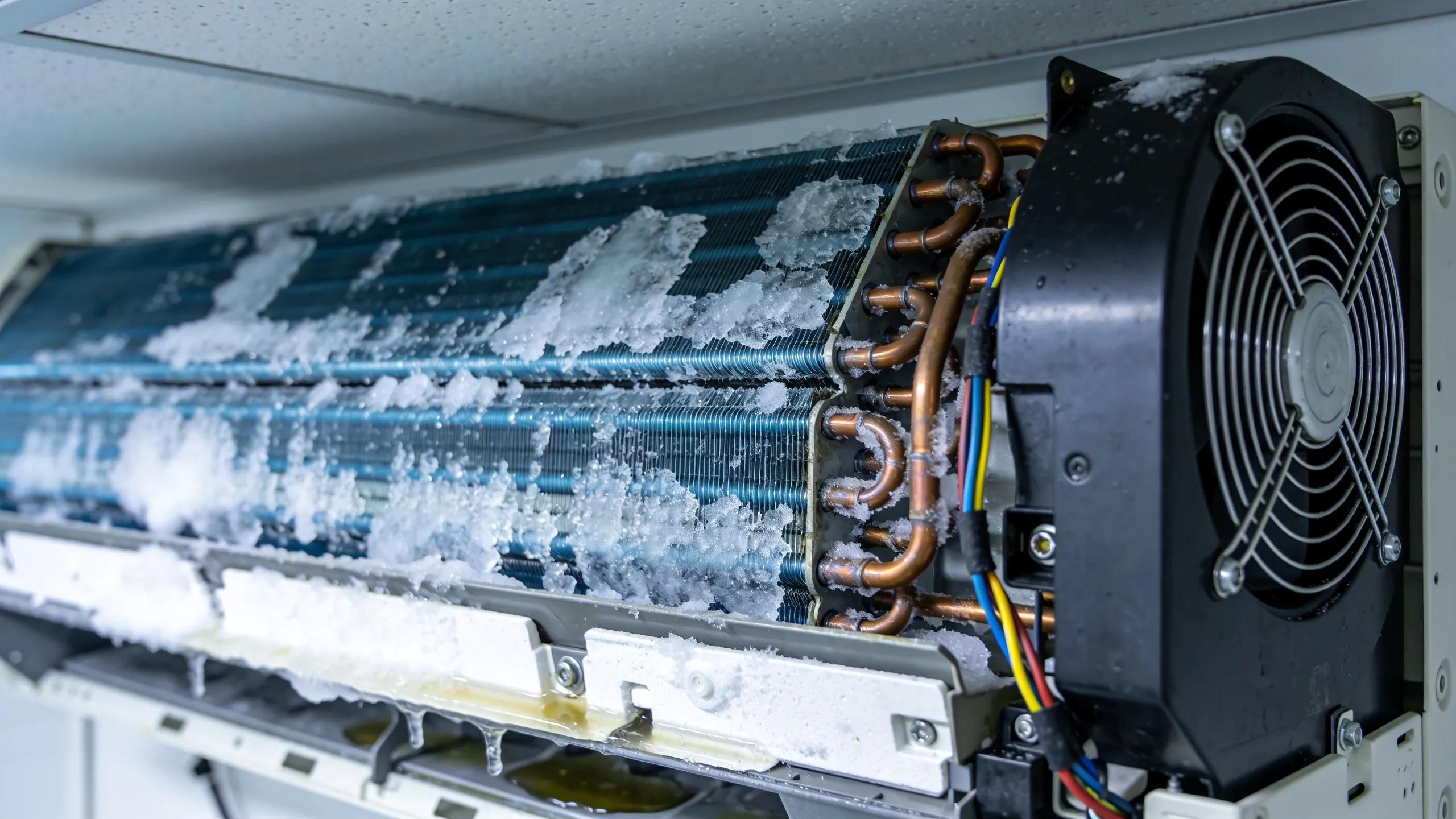
Yes. Frozen coils hold ice that melts into extra water. That water can overflow the drain and leak inside your home when the ice thaws.
Signs include weak airflow, higher energy bills, and visible ice on the coils. The usual causes are low refrigerant or poor airflow. Regular air conditioning service helps catch these issues before they create leaks.
How Can You Identify Early Signs of an AC Water Leak?
Finding a leak early lets you fix it before it causes big damage. Watch for a few clear signs.
- Water Pooling: Look for water pooling around the air conditioning unit or in nearby areas.
- Stains on Walls: Discoloration or water stains on walls or ceilings can indicate a leak.
- Musty Smell: A damp or musty odor may suggest mold growth due to excess moisture.
If you see any of these, turn off the unit and inspect the drain and pan. Acting fast keeps repair costs down and stops mold growth.
What Are the Visible Symptoms of AC Condensation Problems?
Condensation issues show up in a few easy-to-see ways. Knowing them helps you decide what to do next.
- Water Pooling: Accumulation of water around the unit is a clear indication of condensation issues.
- Ice Formation: Ice on the evaporator coils or surrounding areas can signal problems with airflow or refrigerant levels.
- Weak Airflow: Reduced airflow from the vents may indicate that the system is struggling due to condensation issues.
Spotting these signs early means you can clear clogs, change filters, or call a technician before the problem worsens.
How Do You Spot Water Around the Condensate Pan and Drainage Areas?
Check the condensate pan and drain areas often. A quick look can reveal problems before they cause damage.
- Visual Inspection: Check the condensate pan for any signs of water accumulation or overflow.
- Checking for Clogs: Inspect the drainage areas for any visible blockages that may prevent proper drainage.
- Inspecting the Drain Pan: Look for cracks or rust in the drain pan that could lead to leaks.
Do these checks every few months and after heavy use. Finding problems early makes fixes simple and stop small issues from becoming big ones.
What DIY Steps Can You Take to Fix an AC Leaking Water Inside Your Home?
You can solve some leaks yourself. Start with safe, simple steps to limit damage and find the cause.
- Turn Off the AC: Always start by turning off the air conditioning unit to prevent further damage.
- Clear the Clog: Use a wet/dry vacuum to remove any blockages from the drain line.
- Regular Maintenance: Schedule regular maintenance to clean filters and check refrigerant levels.
These steps handle many minor leaks. If the leak continues or you see ice or refrigerant signs, call a technician.
How Do You Safely Clear a Clogged AC Drain Line Yourself?
Clearing the drain line is a common DIY fix. Do it carefully and turn power off first.
- Turn Off Power: Ensure the air conditioning unit is powered off before starting.
- Use a Wet/Dry Vacuum: Attach the vacuum to the drain line to remove any debris or blockages.
- Flush with Vinegar: Pour a mixture of vinegar and water down the drain line to help dissolve any remaining buildup.
Follow those steps and recheck the drain after a short run. If water still backs up, call a pro to avoid damage.
When Should You Avoid DIY and Call a Professional HVAC Technician?
Some problems need a trained technician. Know when to stop and call for help.
- Persistent Leaks: If leaks continue despite your efforts to fix them, it may indicate a more serious problem.
- Ice on Coils: If you notice ice forming on the evaporator coils, it’s essential to have a professional assess the situation.
- Refrigerant Issues: Handling refrigerant requires specialized knowledge and equipment, making it crucial to seek professional help.
If you face ongoing leaks, ice on the coils, or suspect refrigerant trouble, arrange a professional visit. For new systems or upgrades, review air conditioning installation options with a technician.
How Does Regular Maintenance Prevent AC Water Leaks?
Regular care keeps parts working and stops common causes of leaks. Simple, repeat tasks protect your system over time.
- Annual Checks: Regular inspections can identify potential issues before they escalate.
- Filter Replacements: Changing air filters regularly helps maintain proper airflow and prevents freezing.
- Drain Line Cleaning: Keeping the drain line clear of debris is essential for preventing clogs and leaks.
Stick to a maintenance schedule. Small, regular tasks cut the chance of leaks and extend how long your system lasts.
What Maintenance Tasks Keep the Evaporator Coil and Drain Line Clear?
Focus on a few regular tasks to keep coils and drain lines clean and working well.
- Regular Filter Changes: Change air filters every 1-3 months to ensure proper airflow.
- Cleaning the Drain Line: Use a mixture of vinegar and water to flush the drain line periodically.
- Checking Refrigerant Levels: Ensure refrigerant levels are adequate to prevent freezing and leaks.
Do these tasks on schedule and have a technician check refrigerant if needed. For some homes, learning about VRF systems can help choose the best setup.
How Often Should You Schedule Professional AC Service in New Jersey?
How often you need service depends on use and climate. Regular checks keep the system reliable, especially in humid areas.
- Annual Service: Schedule a professional inspection at least once a year to ensure optimal performance.
- Seasonal Checks: Consider additional checks before the summer season to prepare for increased usage.
- Local Climate Considerations: In areas with high humidity, more frequent service may be necessary to prevent condensation issues.
We recommend at least one professional check each year and one before peak cooling season. In very humid spots, consider more frequent visits to avoid condensation problems.
What Repair Options Are Available for Persistent AC Water Leaks?
Persistent leaks often need repairs that fix the root cause. Common options target the part that failed.
- Repairing Drain Lines: Fixing or replacing damaged drain lines can resolve leaks.
- Replacing Drain Pans: If the drain pan is cracked or rusted, replacing it can prevent further leaks.
- Addressing Refrigerant Issues: Ensuring proper refrigerant levels can help prevent freezing and subsequent leaks.
Technicians can repair or replace the damaged parts and test the system to keep the leak from coming back.
How Can HVAC Repair Services Fix Drain Line and Condensate Pan Issues?
Technicians use tools and experience to find the cause and fix it. They check the drain path and the pan and repair the part that failed.
- Professional Assessment: Technicians will assess the system to identify the root cause of leaks.
- Repair Techniques: They may use specialized tools to clear clogs or replace damaged components.
- Cost Considerations: Understanding the potential costs involved can help homeowners make informed decisions about repairs.
A pro will diagnose the issue, clear blockages or replace parts, and explain the expected costs and timeline. For homes without ducts, ductless HVAC can be a practical option.
What Are Typical Costs and Timelines for AC Water Leak Repairs?
Costs and repair time vary by the problem. Simple fixes take less time and cost less than replacing parts or fixing hidden damage.
- Average Repair Costs: Repairing drain lines or replacing pans can range from $150 to $500, depending on the extent of the damage.
- Timeframes for Repairs: Most repairs can be completed within a few hours to a day, depending on the complexity of the issue.
- Factors Affecting Costs: The location of the leak, the type of repair needed, and local labor rates can all influence the final cost.
Use the cost range as a guide. Your technician can give a clear estimate after they inspect the unit.
Frequently Asked Questions
What should I do if my air conditioner causes water damage in my home?
First, turn off the unit to stop more water. Remove standing water and dry wet areas to reduce mold risk Find the leak source clogged drain lines or frozen coils are common and fix it or call a pro if the damage is big. A technician can also help with moisture remediation if needed.
How can changes in temperature affect my air conditioner’s performance?
Temperature swings make the unit work harder. Hot weather increases load and can hide airflow problems that lead to ice. Very cold conditions can affect refrigerant flow. Regular maintenance and seasonal checks help the system handle temperature changes.
Are there energy-efficient solutions for preventing AC water leaks?
Yes. Use a programmable thermostat, keep the area insulated, and change filters on schedule. A high-efficiency filter reduces debris that clogs the drain. Regular technician checks catch issues before they cause leaks and keep the unit running longer.
What role do humidity levels play in AC leaks?
High indoor humidity adds more moisture for the AC to remove. If the drain can’t handle the extra condensate, leaks happen. Running a dehumidifier or adjusting how often the AC runs can help. Regular maintenance makes sure the unit manages humidity well.
How can I tell if I need refrigerant in my air conditioning system?
Look for warm air from the vents, weak airflow, or ice on the evaporator coil. Hissing or bubbling sounds can mean a leak. These signs mean you should call a certified HVAC tech, since handling refrigerant needs special tools and training.
What preventative measures can I take to avoid AC leaks in the future?
Keep a regular schedule: change filters every 1–3 months, clean the condensate drain, and book yearly inspections. Keep the area around the unit clear so airflow stays good. Watch for pooling water or moldy odors and act quickly if you see them.
Are there any signs that indicate potential refrigerant issues with my AC?
Yes. Signs include less cooling, warm air from vents, ice on coils, odd noises, or a sudden jump in energy bills. Any of these should prompt a professional check to prevent more serious damage.
Conclusion
Knowing why your AC leaks helps you choose the right fix and avoid repeat problems. Regular maintenance and quick action stop most leaks and protect your home. If you have persistent issues, schedule a professional inspection. Explore our expert HVAC services to keep your system running smoothly.
Related Services
- Cooling Services
- Air Conditioning Repair
- Air Conditioning Installation
- Air Conditioning Maintenance Service
Keep Reading
- Frozen Evaporator Coil: Why Your AC Ices Up and How to Stop It
- 6 Signs It’s Time to Replace Your AC, Not Repair It
- Outside AC Unit Won’t Turn On? Likely Causes
Browse all HVAC tips and guides.
Need a technician? Perfection Contracting serves homeowners across Sussex County, NJ and the surrounding North Jersey service area.