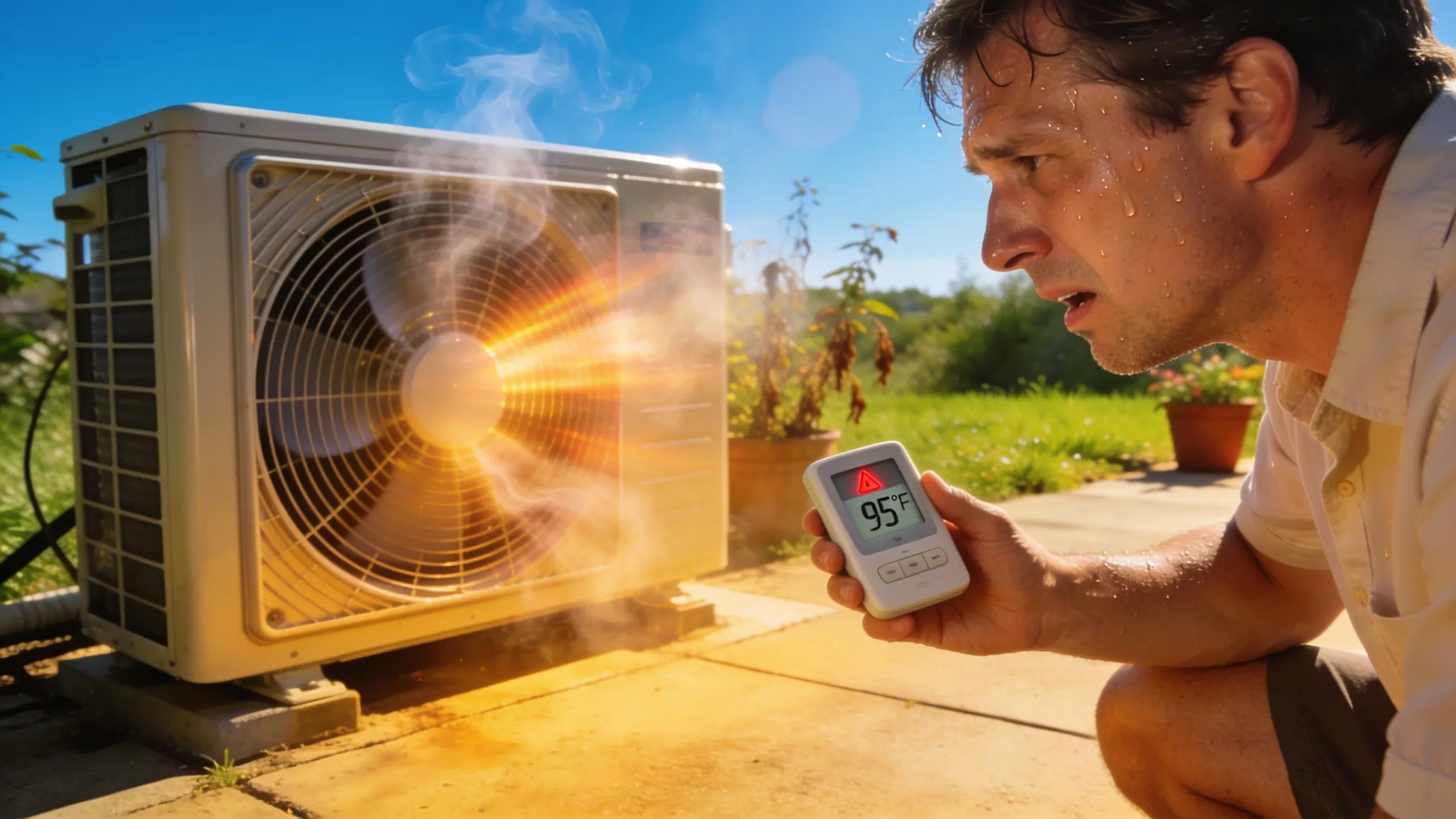
Heat waves make many Morris County homeowners worry about their air conditioners. From our experience, extreme heat puts heavy strain on HVAC systems and can cause failures that cut comfort and raise repair costs. This article explains what heat does to cooling systems, common problems to watch for, and practical steps you can take to prevent or fix those issues.
Understanding these effects helps you stay comfortable and avoid emergency repairs. We’ll explain why heat stresses ACs, list typical problems, offer tips for heat waves, and recommend pre‑season actions.
Key Takeaways
- Heat waves cause air conditioning systems to operate beyond their optimal temperature range.
- Excessive heat leads to component failures such as capacitors, compressors, and refrigerant pressure issues.
- Continuous AC operation during extreme heat can cause overheating and trigger safety shutdowns.
- Homeowners should adjust thermostats and keep vents clear to reduce AC strain during heat waves.
- Regular filter changes and shading the outdoor unit help maintain cooling efficiency in high temperatures.
- Recognizing abnormal AC noises or ineffective cooling indicates the need for professional HVAC service.
- Pre-season maintenance, including capacitor testing and filter cleaning, prevents breakdowns during summer heat.
- Replacing aging units may be necessary for sustained performance under extreme heat conditions.
- Timely interventions reduce emergency repairs and ensure comfortable indoor temperatures during heat waves.
Why Heat Waves Stress AC Systems?
Heat waves push air conditioners beyond their design limits—many systems work well only up to about 95°F. When temperatures climb past that, cooling efficiency falls and the system runs longer. Longer run times stress parts like compressors and capacitors. Extended operation in very hot weather can cause overheating and failure, so timely AC service matters.
Common Problems During Heat Waves
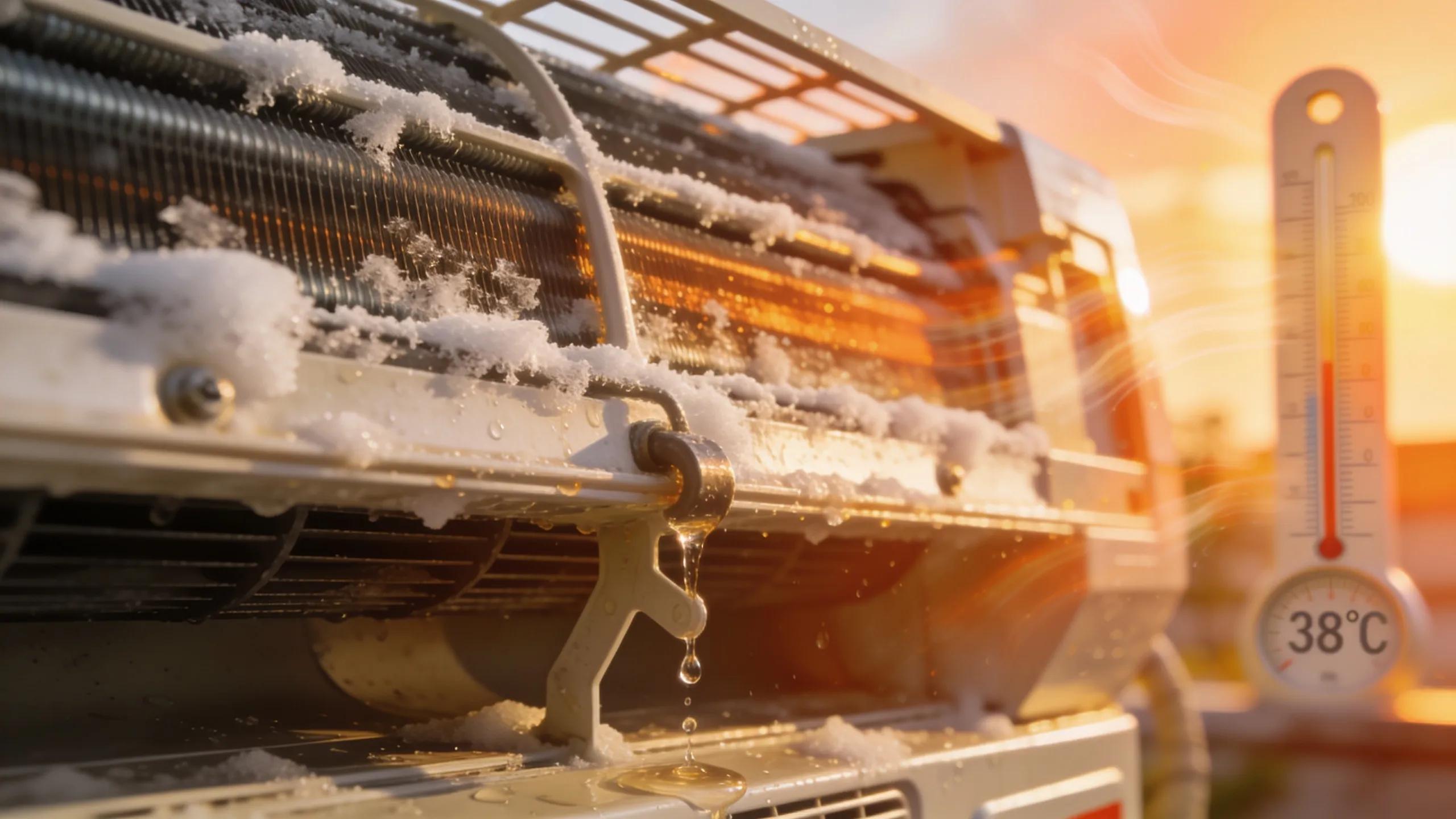
In extreme heat you can see a few recurring issues with ACs. Spotting them early can save money and keep your home cool.
These issues show why regular maintenance and prompt repairs matter during hot weather.
Why Your AC “Can’t Keep Up” in Extreme Heat — And When It’s Normal?
If your AC runs all day but your home stays warm, that can be normal demand or a real fault. Systems may run constantly in extreme heat and still struggle to reach the set temperature. Watch for odd noises, short cycling, or indoor temps that don’t fall—those are signs of trouble. If your home stays uncomfortably warm, have the system checked.
What Homeowners Can Do During a Heat Wave?
During a heat wave, you can take simple steps to ease the load on your AC:
- Adjust Thermostat Settings: Set the thermostat a few degrees higher to reduce the load on the AC.
- Keep Vents Clear: Ensure that air vents are not obstructed by furniture or other items to facilitate better airflow.
- Reduce Internal Heat Sources: Limit activities such as cooking or using heat-generating appliances during peak cooling hours.
- Shade Outdoor Unit: If possible, shade the outdoor unit without blocking airflow to assist its cooling efficiency.
- Change Filters Regularly: If it’s been more than 60 days since the last filter change, replace it to ensure unobstructed airflow.
These steps cut strain on your unit and help keep indoor temperatures more comfortable without emergency calls.
If those changes don’t help, call a licensed HVAC pro like Perfection Contracting for diagnosis and repair. For consistent cooling performance, consider expert AC repair.
Preventive Action Before Heat Season
Preventive maintenance before the heat season prevents many problems. Consider these actions:
- Schedule a Pre-Season Tune-Up: This preventive measure helps catch issues before they become larger problems, usually targeting components that tend to fail under stress.
- Capacitor Testing: Assessing the health of capacitors during routine maintenance can prevent mid-heatwave failures caused by surges in demand.
- Clean or Replace Filters: Regular filter maintenance ensures unobstructed airflow, which is essential for efficient operation.
Do these checks to keep your system running through the heat season and avoid surprises. If parts keep failing, a full AC installation may be the best long-term choice.
Perfection Contracting offers priority emergency service across Morris County, NJ. Our experienced technicians know how heat affects HVAC systems and respond quickly. Don’t wait for a full failure—call at the first sign of trouble to keep your home cool during peak heat.
Frequently Asked Questions
How can I tell if my AC is overworked during a heat wave?
If your AC is working hard but your home stays warm, look for loud noises, uneven temperatures, or frequent on-off cycles. Compare the thermostat setting to the actual room temperature to see if the system is keeping up. Those signs usually mean the unit is overworked or needs service.
What are the benefits of regular AC maintenance?
Regular maintenance keeps your AC running well, especially before hot months. Tune-ups find wear like failing capacitors and clogged filters early. This extends the unit’s life, can lower energy costs, and reduces emergency repair calls during peak heat.
What should I do if my AC breaks down in extreme heat?
If your AC fails during a heat wave, turn it off to avoid more damage. Use fans, close blinds, and avoid heat‑making activities until help arrives. Call a qualified HVAC technician quickly and use temporary coolers if you need extra relief.
Are there any simple fixes for common AC problems?
Yes. Change or clean air filters often and clear any blockages from vents and around the outside unit. These steps improve airflow. For refrigerant leaks or complex faults, call a technician.
How does outdoor temperature affect AC refrigerant levels?
Hot outdoor air raises refrigerant pressure and can lower cooling power. If refrigerant is low or leaking, the system will run poorly. Have refrigerant levels checked during regular maintenance or when cooling drops.
Can shading my outdoor AC unit help with performance?
Yes. Shading the outdoor unit lowers the temperature around it and helps it run easier. Make sure you leave plenty of airflow when you add shade. Natural shade or a simple pergola can improve cooling on very hot days.
What signs indicate it’s time to replace my HVAC system?
If your system breaks down often, needs costly repairs, or is over 15 years old, consider replacement. Other signs include uneven temperatures, rising energy bills, and lower overall performance. Newer systems use less energy and handle extreme heat better.
Conclusion
Keeping your AC in good shape during heat waves keeps your home comfortable and helps avoid breakdowns. Know what stresses your system and act early. Schedule preventive maintenance and call a pro at the first sign of trouble to protect your comfort all summer.
Related Services
- Cooling Services
- Air Conditioning Repair
- Air Conditioning Installation
- Air Conditioning Maintenance Service
- Ductless Mini-Splits
Keep Reading
Browse all HVAC tips and guides.
Need a technician? Perfection Contracting serves homeowners across Sussex County, NJ and the surrounding North Jersey service area.