
Hot summer makes a working AC essential. When your air conditioner shows trouble, you face uncomfortable rooms and bigger repair bills. Catching problems early often means a simple fix instead of a major repair. This article lists ten signs your AC may need help. We explain what each sign means, what you can check, and what happens if you ignore it.
We cover signs like weak airflow, odd noises, and sudden energy bill jumps. Read on and you’ll know when to act and how to keep your system running better for longer.
Key Takeaways
- Warm or lukewarm air from vents often indicates low refrigerant levels or a faulty compressor in the air conditioner.
- Weak or inconsistent airflow can result from dirty filters, duct blockages, or mechanical failures affecting cooling performance.
- Strange noises like rattling or grinding signal mechanical issues that require prompt professional inspection and repair.
- Unpleasant or musty odors from the AC may indicate mold growth or electrical problems needing immediate attention.
- Sudden spikes in energy bills often reflect an air conditioner working harder due to inefficiency or underlying faults.
- Frequent cycling of the AC unit suggests thermostat or compressor problems that can cause increased wear and reduced lifespan.
- Leaks or moisture near the unit typically indicate refrigerant leaks or drainage issues that can damage the system and home.
- High indoor humidity levels may result from an air conditioner failing to remove moisture effectively, reducing comfort.
- A non-responsive thermostat can cause improper temperature regulation and should be checked to diagnose AC performance issues.
Signs of Air Conditioner Issues:
Spotting warning signs early keeps your home comfortable and saves parts from failing. Below are ten common issues that usually mean your AC needs a check-up.
1. Warm or Lukewarm Air Coming from Vents
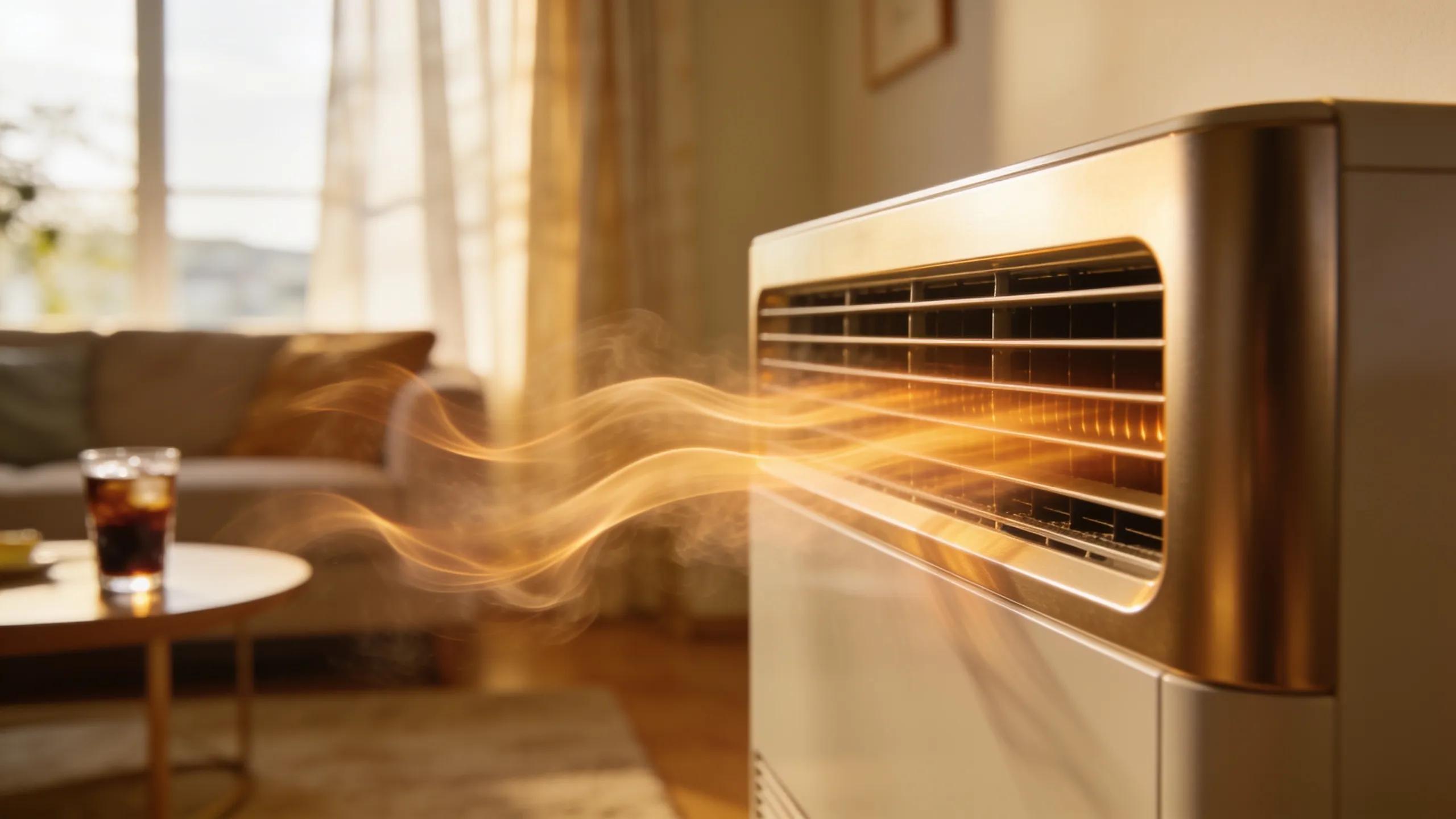
Warm air from vents points to a cooling problem. From our experience, low refrigerant or a failing compressor are common causes. Check your thermostat and settings first. If the air stays warm, call a technician to test refrigerant and the compressor.
2. Weak or Inconsistent Airflow
Weak airflow makes rooms slow to cool. Often the filter is dirty or a vent is blocked. Check the filter and open vents. If airflow stays weak, ducts or the blower motor may need service.
3. Strange Noises
Rattling, grinding, or hissing usually mean a mechanical issue. Each sound points to a different problem. Turn the unit off and have a pro inspect it to avoid bigger damage.
4. Bad or Musty Smells
Musty or burning smells are a red flag. Musty odors often mean mold in the system. Burning smells can mean electrical trouble. Stop the unit if you smell burning and call a technician to find and fix the source.
5. Sudden Spike in Energy Bills
If your energy bill jumps, your AC may be working harder than it should. Dirty parts, low refrigerant, or worn components make the system use more power. A check-up can identify the cause and save you money over time.
6. Frequent Cycling
When the AC turns on and off too often, it wears parts faster. Short cycling often comes from thermostat or compressor issues. Fixing the root cause prevents premature failure and higher repair costs.
7. Leaks or Moisture Around the Unit
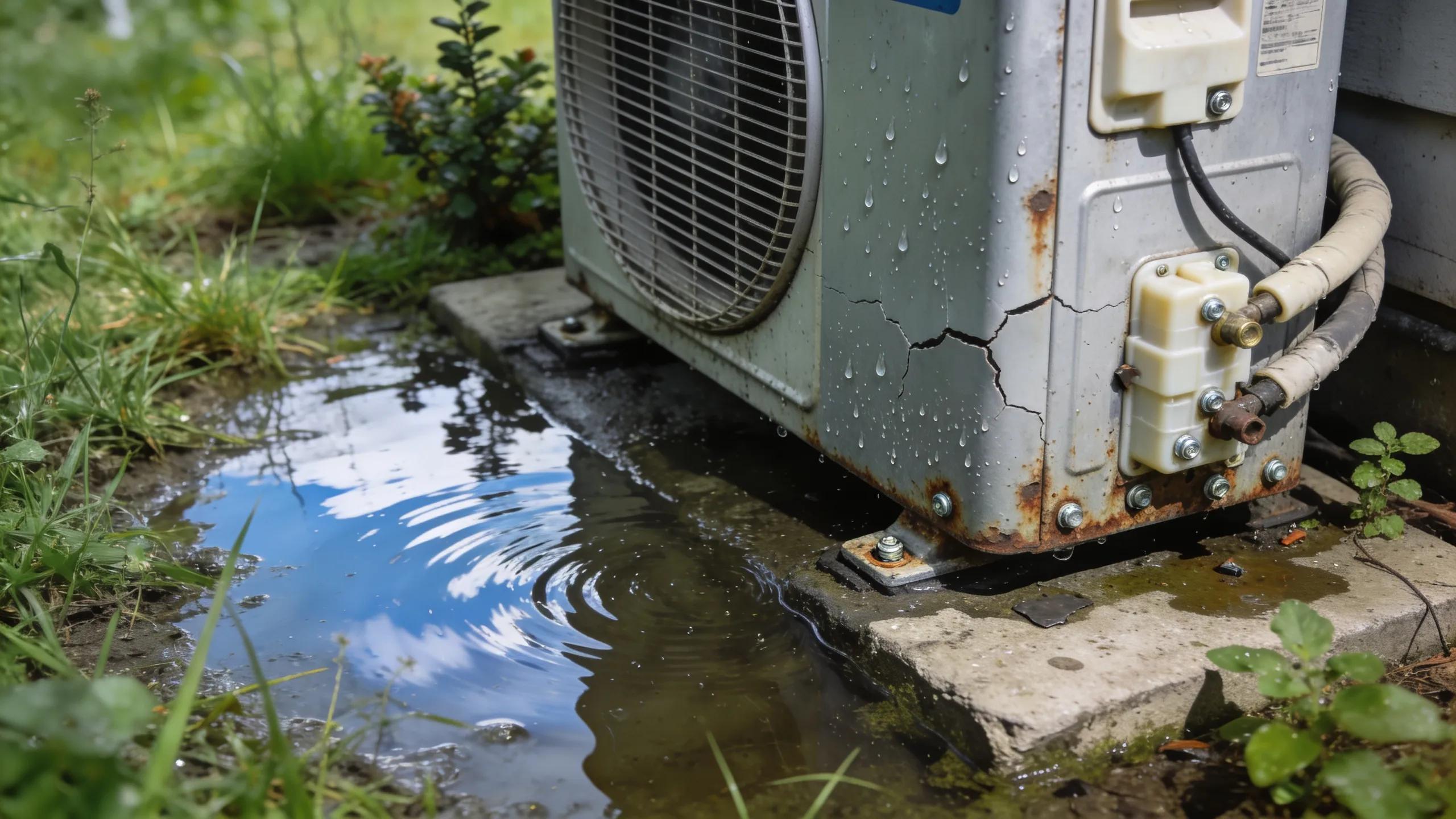
Puddles or moisture near the unit usually signal a refrigerant leak or a clogged drain. Water can damage the unit and your home. Find the leak source quickly and have it repaired to prevent corrosion and mold.
8. High Humidity Indoors
Feeling sticky indoors means your AC isn’t removing moisture well. That lowers comfort and can promote mold. Have the system checked so it cools and dehumidifies as it should.
9. Thermostat Not Responding
If the thermostat won’t control temperature correctly, the system won’t run as needed. Check settings and batteries. If it still misbehaves, get a technician to test or recalibrate the thermostat.
10. AC Struggling During Hot Days
When the AC can’t keep up on hot days, it may need service or repair. Heat exposes weak parts and low refrigerant. Prompt attention helps the unit perform reliably when you need it most.
What to Do When You Notice These Signs
Act quickly when you see one or more signs. First, do simple checks: change a dirty filter, clear vents, and confirm thermostat settings. If the problem stays, call a professional. For trusted repair options, consider expert repair.
Perfection Contracting handles HVAC diagnostics and repairs for homeowners in Morris County, NJ. From our experience, licensed technicians give fast, clear assessments and honest repair choices so your home returns to a comfortable state.
Consequences of Neglecting These Signs
Leaving signs unattended raises the chance of major failures and higher repair bills. It can also worsen indoor air quality and create health risks. Long delays may lead to a full system replacement instead of a repair.
Advice for Timely Intervention
Regular maintenance keeps systems running longer. Schedule routine air conditioning service and tune-ups. Watch how your AC performs and call at the first change. Quick action limits costs and helps your unit last.
How Can You Tell If Your AC Is Not Cooling Properly?
Check the air temperature and flow at the vents. If the air is warmer than it should be or the flow is weak, you likely have low refrigerant or an airflow blockage. Those checks point to what needs fixing.
Why Is My Air Conditioner Blowing Warm or Lukewarm Air?
Warm air often stems from low refrigerant or a bad compressor. We recommend checking refrigerant levels first. If levels are low, a technician can locate leaks and restore proper cooling.
What Causes Uneven Cooling in Different Rooms?
Uneven cooling usually comes from blocked vents, unbalanced ductwork, or poor insulation. Make sure vents are open and clear. For homes needing flexible control, ductless systems can help in specific areas.
What Noises Signal That Your AC Needs Repair?
Grinding, hissing, or clanking are warning sounds. Each noise suggests a different mechanical issue. Have a pro identify the source before the problem gets worse.
Which Sounds Indicate Mechanical Issues?
Rattling or buzzing often points to loose parts or motor trouble. Timely inspection prevents these issues from causing bigger damage to the system.
When Are Noises a Sign of Urgent Attention?
Persistent or new strange noises need quick checks, especially if they occur during normal operation. Addressing them early reduces the risk of major failure.
What Are Common Signs of Air Conditioner Leaks and Moisture Problems?
Puddles near the unit, higher indoor humidity, or visible refrigerant stains are common signs. Spotting these early helps limit water and system damage.
How Does Water Leakage Affect Your AC System?
Water leaks cause corrosion and can lead to mold growth, harming air quality. Fixing leaks swiftly saves on repair costs and protects your home.
What Does Ice Buildup on AC Lines Mean?
Ice on lines usually means poor airflow or low refrigerant. Thawing and then having a technician check airflow and refrigerant levels prevents repeat freeze-ups.
When Should You Be Concerned About Frequent Cycling of Your AC?
Rapid on-off cycling stresses components and cuts lifespan. If your unit cycles often, have the thermostat and compressor checked to stop extra wear and higher bills. For advanced systems, consider VRF options for better control.
What Causes Short Cycling and How Does It Impact Efficiency?
Short cycling often comes from thermostat faults, dirty filters, or low refrigerant. It wastes energy and reduces comfort. Fix the root cause to restore steady cooling.
How Can Frequent On-Off Running Signal Repair Needs?
Frequent on-off running shows an underlying problem. Address it to keep your home comfortable and to avoid early component failure.
How Do Rising Energy Bills Indicate Your Air Conditioner Needs Service?
Higher energy bills usually mean the AC is less effective. Regular service can find the cause and restore proper operation.
Why Does an Inefficient AC Increase Your NJ Energy Costs?
An inefficient system works harder to hit your set temperature, which raises energy use. Routine care makes the unit run more reliably and helps control bills.
What Maintenance Can Help Lower Unexpected Energy Spikes?
Simple maintenance—cleaning or changing filters, clearing the outdoor unit, and regular inspections—keeps the system running smoothly and limits surprise bills.
What Are the Differences Between Routine Tune-Ups and Repair Calls?
Tune-ups are preventive checks and small adjustments to keep the system healthy. Repair calls fix specific, existing faults. Regular tune-ups cut the chance of big repairs later.
How Can You Decide When It’s Time for a Repair Instead of Maintenance?
Decide based on age, performance, and repair frequency. If problems repeat or efficiency drops, a repair or replacement may be the smart move. Talk with a pro to weigh options.
What Should You Expect from Professional AC Diagnostics in Morris County?
A proper diagnostic inspects the whole system, finds faults, and lays out repair options clearly. From our experience, clear recommendations help you choose the repair that gives the best long-term value.
Frequently Asked Questions
What maintenance tasks can extend the lifespan of my air conditioner?
Regular care keeps your AC running longer. Change or clean filters every 1–3 months. Clean the condenser and evaporator coils and keep the drain line clear. Book an annual professional tune-up to catch small problems before they grow.
How can I improve my air conditioner’s cooling efficiency?
Make sure vents are open and filters are clean. Insulate ducts and consider a programmable thermostat. Keep the outdoor unit clear of debris. Regular checks of refrigerant and coils help the system run properly all season.
What should I do if my air conditioner is leaking water?
Turn off the unit to limit damage. Check the condensate drain for clogs and confirm the unit sits level. A dirty filter can cause freezing and leaks when it thaws. If the leak continues, call a technician to check refrigerant and drainage.
Can high humidity in my home affect my air conditioner’s performance?
Yes. High humidity makes the system work harder and lowers comfort. Properly sized and maintained AC removes moisture while cooling. If humidity stays high, have the system evaluated.
How can I tell if my thermostat is malfunctioning?
Signs include strange on-off cycles or failing to hold the set temperature. Check the mode and batteries first. If problems persist, a pro can recalibrate or replace the thermostat.
What are the signs that indicate I need to replace my air conditioner?
Consider replacement if the unit is over 10–15 years old, breaks down often, loses cooling power, or costs too much to repair. If a major component fails and repair costs near half the price of a new system, replacement may save money long term.
Is it necessary to hire a professional for AC repairs, or can I do it myself?
You can handle simple tasks like filter changes or keeping the outdoor unit clear. For most repairs, hire a qualified technician. Professionals have the tools and training to fix complex problems safely and protect warranties.
Conclusion
Knowing the warning signs helps you avoid bigger problems and keeps your home comfortable. Quick checks and timely service save money and extend the system’s life. If you’re in Morris County, contact our team to get your AC checked and running at its best.
Related Services
- Cooling Services
- Air Conditioning Repair
- Air Conditioning Installation
- Air Conditioning Maintenance Service
- Ductless Mini-Splits
Keep Reading
Browse all HVAC tips and guides.
Need a technician? Perfection Contracting serves homeowners across Sussex County, NJ and the surrounding North Jersey service area.