
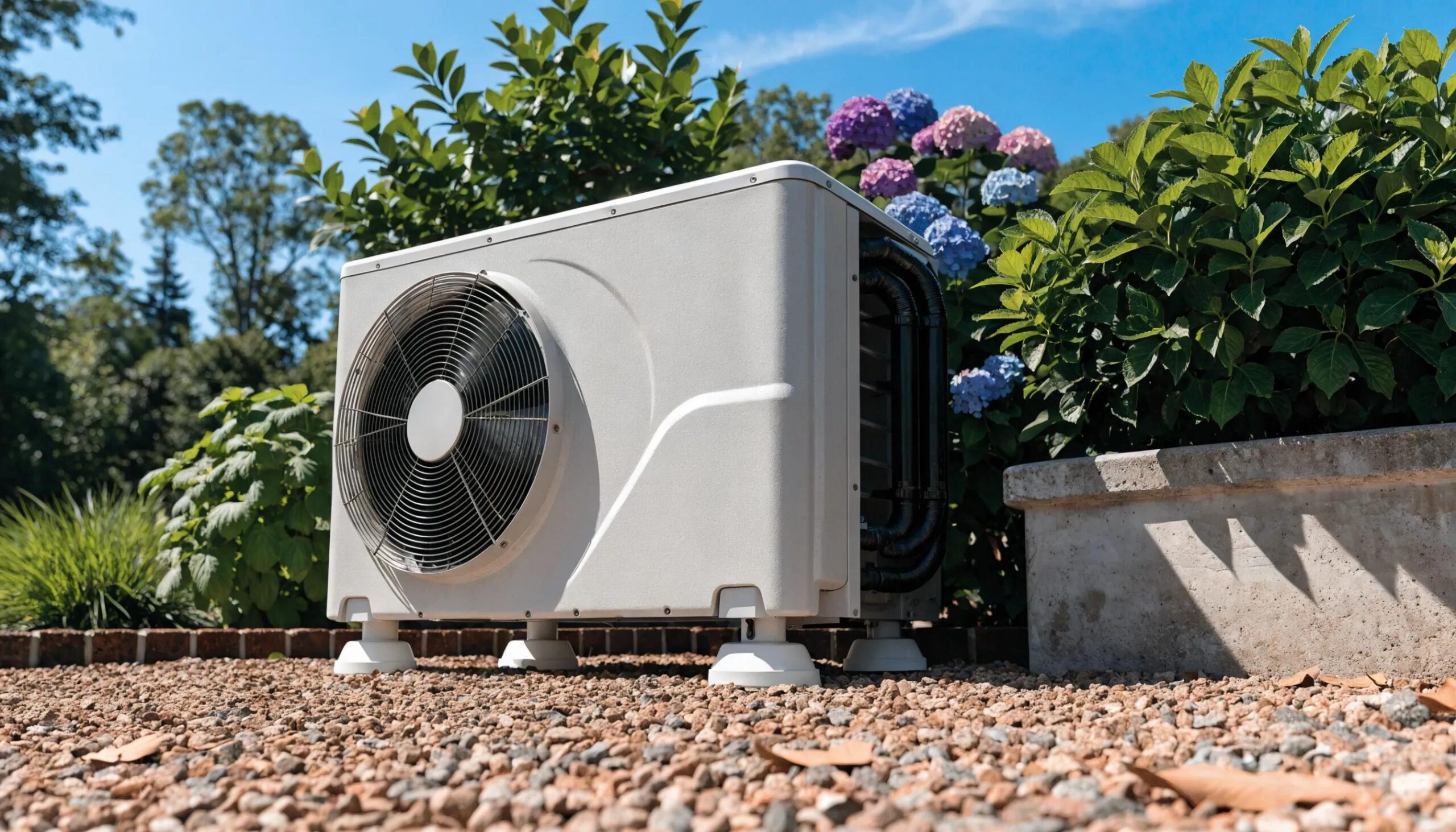
Summer heat puts extra strain on HVAC systems in Morris County, New Jersey. From our experience, ignored maintenance often leads to higher bills and costly repairs. This guide gives clear, practical steps so your system runs well all season. It covers a pre-season checklist, monthly tasks, and warning signs that need a professional.
Key Takeaways
- Scheduling a professional HVAC tune-up before summer prevents unexpected breakdowns during high usage.
- Replacing the air conditioning filter monthly improves airflow and reduces system strain effectively.
- Clearing the condensate drain line before summer prevents water damage and maintains system function.
- Homeowners should inspect outdoor units monthly for debris to ensure unobstructed airflow and performance.
- Unusual noises or reduced cooling capacity indicate the need for professional HVAC repair services.
- Refrigerant handling, electrical repairs, and coil cleaning require certified technicians to ensure safety and system integrity.
- Setting thermostats higher when away and using ceiling fans help conserve energy during summer months.
- Closing blinds during peak heat reduces indoor temperature and lowers cooling demand on the HVAC system.
- Recognizing water leaks near indoor units signals potential condensate drain issues needing expert attention.
Section 1 – Pre-Season Checklist (May/Early June)
Get your system ready before heavy use. From our experience, early checks reduce surprises during heat waves. Look at tune-ups, fresh filters, and a clear condensate drain. If you want help, check available air conditioning service.
- Schedule a Professional Tune-Up: Early summer is the perfect time to schedule a professional inspection to ensure your system is ready for increased usage.
- Replace the AC Filter: Regularly changing the filter helps improve airflow and energy use, preventing the system from overworking.
- Check the Condensate Drain Line: Make sure the drainage line is clear to prevent water damage and ensure the system functions correctly.
Do these prep steps to keep your air conditioning working well all summer. A ready system lets you stick to simple upkeep instead of emergency fixes.
Section 2 – Monthly Tasks During Cooling Season
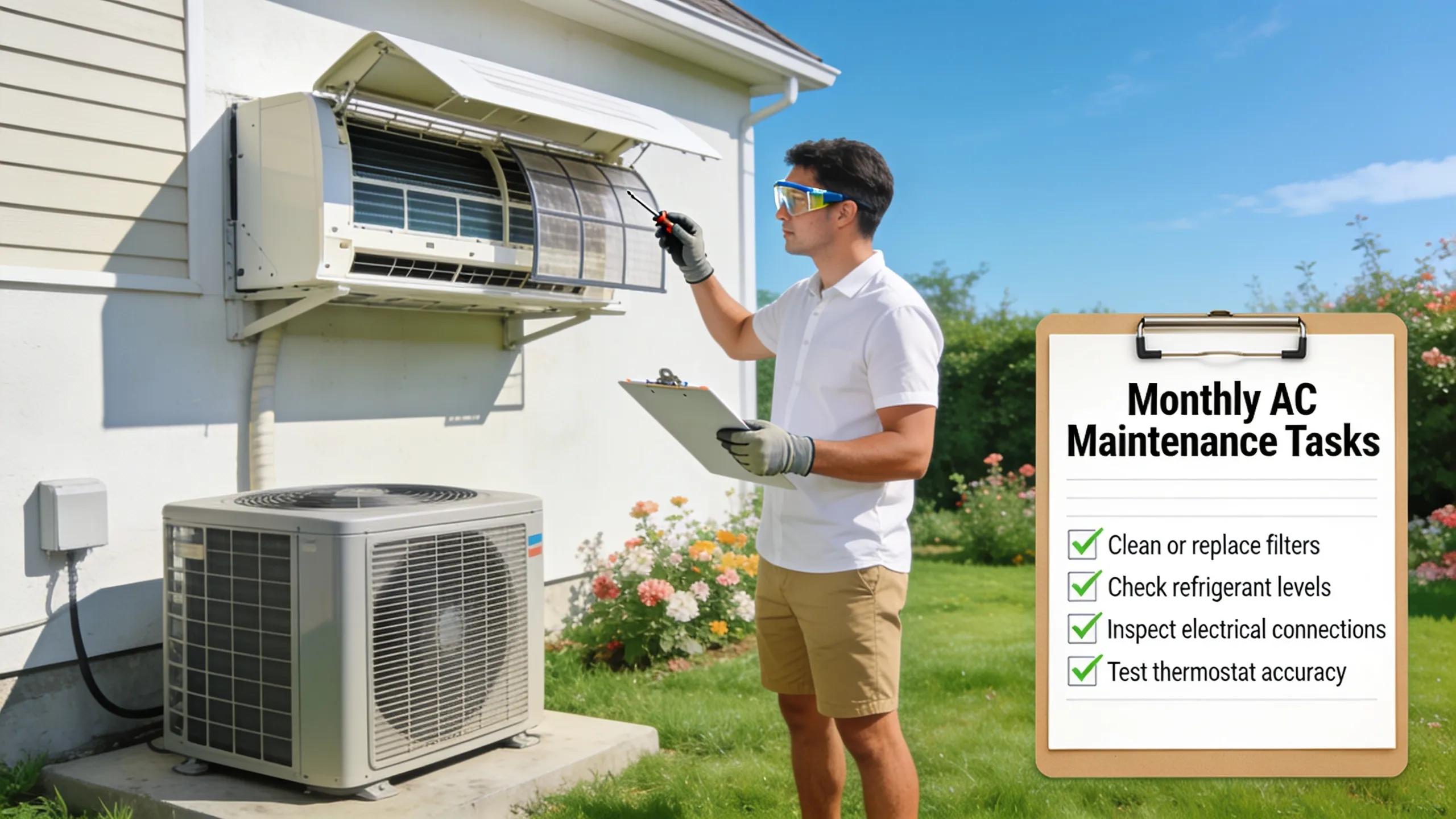
Once summer starts, your HVAC needs steady attention to stay reliable. From our experience, small issues show up fast when the system runs hard. If the unit wears or cools poorly, consider air conditioning repair.
- Inspect the AC Filter: Checking the filter monthly ensures that any buildup of dust and allergens is addressed promptly.
- Examine the Outdoor Unit: After storms or heavy winds, inspect the outdoor unit for debris such as leaves and branches to ensure unobstructed airflow.
- Monitor System Performance: Pay attention to unusual noises or changes in cooling ability, which could signal a need for professional help.
Do these monthly checks to catch problems early and keep the system running smoothly.
Section 3 – What Homeowners Should NOT DIY
You can handle many basic tasks, but some jobs need a certified technician. From our experience, trying these yourself often causes more harm than good. Be cautious with the items below.
- Refrigerant Management: Handling refrigerants requires certifications to prevent environmental harm and ensure proper levels.
- Electrical Repairs: Any electrical work or inspections should only be done by certified technicians to ensure safety.
- Coil Cleaning: Interior and exterior coils need professional cleaning to avoid damaging the system.
Letting professionals handle these tasks lowers risk and protects your system from damage.
Section 4 – Optimizing Performance During Summer
Alongside regular maintenance, simple habits help your system perform better. From our experience, small changes deliver steady benefits. For advanced climate control that goes beyond standard systems, explore ductless HVAC or VRF systems for zoned temperature control.
- Set Thermostats Appropriately: Keeping the thermostat higher when no one is home conserves energy while maintaining comfort during peak hours.
- Use Ceiling Fans Effectively: Utilizing ceiling fans can help distribute cool air more evenly throughout the home.
- Manage Blinds for Temperature Control: Close blinds during the hottest parts of the day to minimize heat gain and reduce cooling demand.
These habits lower energy use and keep your home comfortable during hot spells.
Section 5 – Signs During Summer That Need Professional Attention
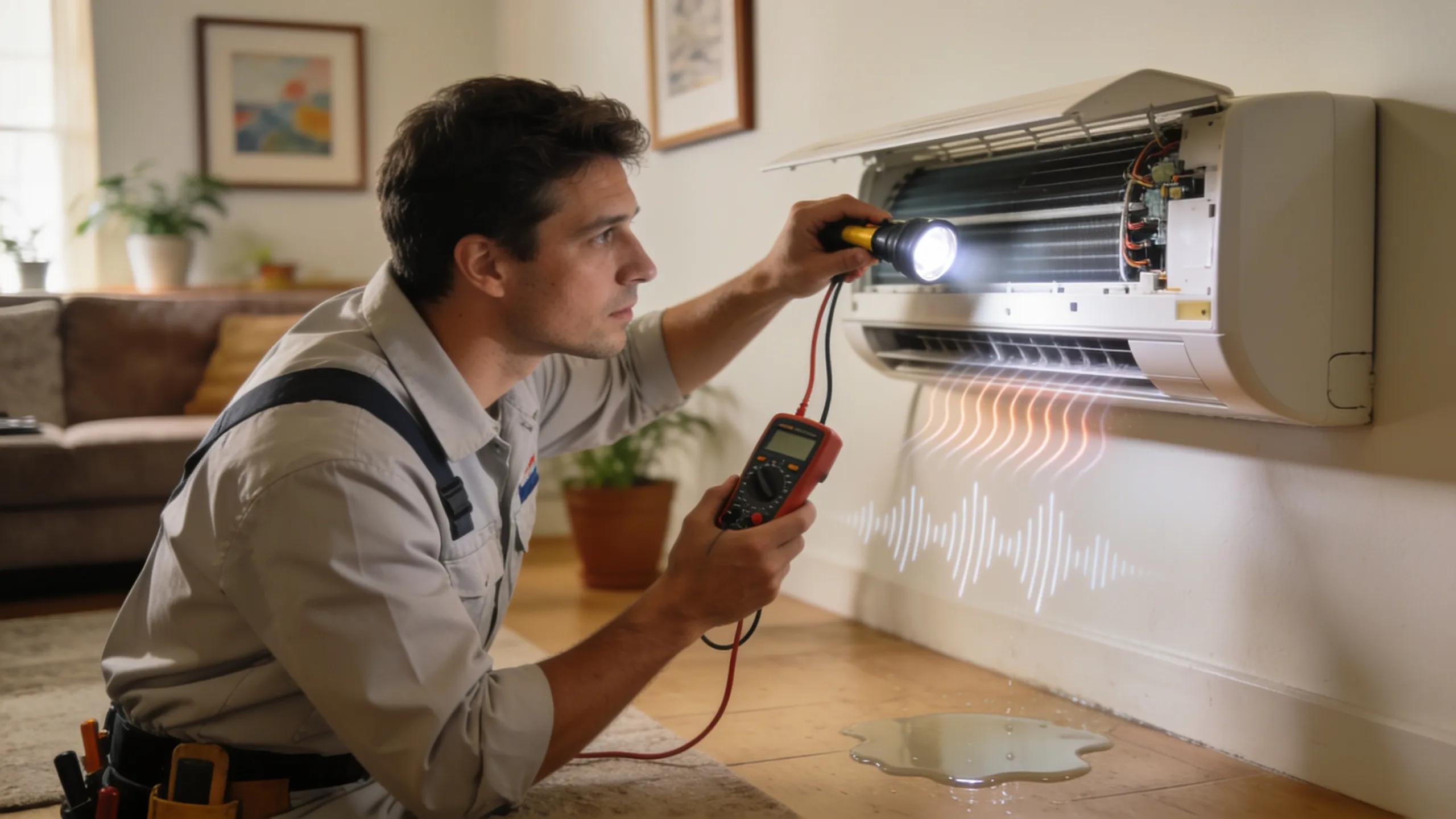
Watch for clear signs that your system needs a pro. From our experience, catching issues early saves time and money. Common warning signs include:
- Unusual Noises: Any grinding, squealing, or rattling sounds can hint at malfunctioning components.
- Changes in Cooling Capacity: If certain rooms are not reaching the desired temperature, there could be an airflow issue.
- Water Presence: Puddles or leaks near the indoor unit may indicate problems with the condensate drain.
Spotting these signs early lets you get help before damage grows. If you’re planning a full system upgrade or need a new unit, professional air conditioning installation helps ensure the new system works well and saves energy over time.
Frequently Asked Questions
1. What are the benefits of scheduling a professional HVAC tune-up before summer?
From our experience, a pre-summer tune-up keeps your system running at peak. It reduces the chance of breakdowns, lowers energy use, and extends equipment life. Technicians find small problems before they turn into big repairs. A tune-up also helps maintain good airflow so your home stays comfortable.
2. How frequently should I check and replace my HVAC air filter?
Check the air filter every month. Replace it at least every three months, or sooner if you have pets or allergies. A dirty filter blocks airflow and can make the system overwork. Monthly checks keep dust down and protect indoor air quality.
3. What are the signs that my HVAC system may need professional repair?
Look for odd noises like grinding or squealing, rooms that won’t cool properly, or water near the indoor unit. These signs often mean a component is failing or a drain is clogged. When you see them, call a technician to diagnose and fix the problem.
4. Why should I avoid DIY refrigerant management?
Refrigerant handling needs special training and certification. Improper work can harm the environment, make the system unsafe, or void warranties. Certified technicians set refrigerant levels correctly and follow regulations. Leave refrigerant work to the pros.
5. How can I effectively reduce my HVAC energy consumption in summer?
Set your thermostat a few degrees higher when the house is empty. Use ceiling fans to spread cool air. Close blinds during peak heat hours to cut heat gain. These simple steps reduce cooling demand and lower your energy bills.
6. What maintenance tasks can I conduct myself during the summer?
You can check and replace the filter monthly, clear debris from the outdoor unit, and watch for strange noises or lower cooling. These checks help you spot issues early and keep the system steady until a technician is needed.
7. When should I consider replacing my HVAC system rather than repairing it?
If your system is over 10–15 years old and needs repairs often, replacement may cost less over time. If energy bills keep rising despite good upkeep, the system may be inefficient. New units use less energy and often provide better comfort, so replacement can save money in the long run.
Conclusion
Good summer care can lengthen your system’s life and lower energy use so your home stays comfortable. Stay proactive to avoid big repairs and high bills. Talk with a trusted technician about services or upgrades that fit your home. Take these steps now to keep your home comfortable and reliable all season.
Related Services
- Cooling Services
- Air Conditioning Repair
- Air Conditioning Installation
- Air Conditioning Maintenance Service
- Ductless Mini-Splits
Keep Reading
Browse all HVAC tips and guides.
Need a technician? Perfection Contracting serves homeowners across Sussex County, NJ and the surrounding North Jersey service area.