
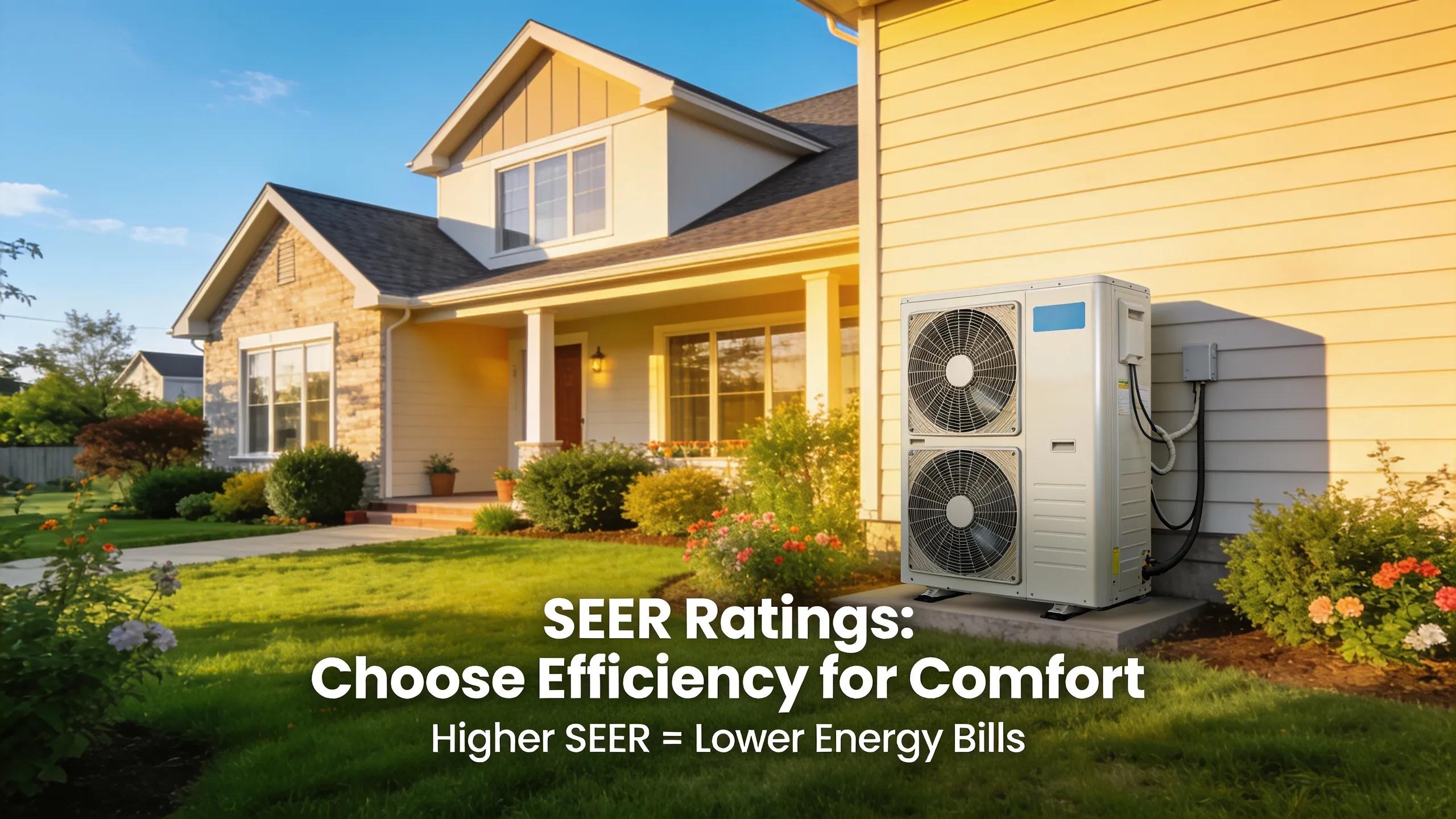
What Is a SEER Rating and How It Impacts Your Energy Bills in New Jersey Homes
SEER (Seasonal Energy Efficiency Ratio) matters for New Jersey homeowners who want lower energy bills and reliable cooling. This piece explains what SEER means, how it affects your costs, and the state rules you should know. From our experience, many homeowners don’t realise higher SEER can cut bills over time. We cover how SEER is calculated, the benefits of higher ratings, and tips on picking the right number for your home. If your system is acting up, arrange prompt air conditioning repair to avoid bigger problems.
- The SEER rating measures the energy efficiency of air conditioning and heat pump systems over a cooling season.
- Higher SEER ratings reduce energy consumption, leading to lower utility bills in New Jersey homes.
- New Jersey mandates minimum SEER ratings of 14 for central AC and 15 for heat pumps to promote energy savings.
- Upcoming regulations will increase minimum SEER requirements to 15 for AC and 16 for heat pumps starting in 2023.
- Choosing the right SEER rating depends on home size, insulation quality, and local climate conditions.
- Regular HVAC maintenance, including filter changes and coil cleaning, preserves SEER efficiency and extends system lifespan.
- High SEER systems like geothermal and ductless units offer significant energy savings and improved indoor comfort.
- Upgrading to higher SEER rated HVAC systems can save New Jersey homeowners 10-30% on energy bills.
- Understanding SEER ratings helps homeowners make informed decisions to reduce energy costs and environmental impact.
SEER Ratings Overview:
SEER shows how much cooling a system gives for each unit of electricity it uses over a season. A higher SEER means the unit uses less power to cool the same space. That can lower your bills and cut your home’s carbon footprint.
Definition:
SEER stands for Seasonal Energy Efficiency Ratio. It compares the total cooling output in BTUs to the total energy used in watt-hours during a cooling season. You can use it to compare one system to another.
Impact on Energy Bills in New Jersey:
New Jersey summers get hot and humid. That raises how much your air conditioner runs. A higher SEER unit uses less energy for the same cooling, so your monthly bill can drop, especially during the hottest months.
Calculation of SEER Ratings:
To get a SEER number, you measure a unit’s cooling output over a season and divide that by the energy it used. The formula below shows this clearly.
Design, component quality, and installation all affect a unit’s real SEER performance. Poor installation can cut gains from a high-SEER model.
Benefits of Higher Ratings:
Choosing a higher SEER system gives clear benefits for long-term home comfort and costs.
- Lower Energy Usage: Higher SEER ratings correlate with reduced energy consumption, leading to lower utility bills.
- Improved Comfort: More efficient systems maintain consistent temperatures and humidity levels, enhancing indoor comfort.
- Environmental Impact: Reduced energy consumption contributes to lower greenhouse gas emissions, benefiting the environment.
Research shows newer, higher-SEER systems save energy and perform better than older models. That usually means lower bills and fewer breakdowns over time.
SEER 21 vs. SEER 13 Heat Pump Performance Study
ABSTRACT: This report describes results of experiments that were conducted in an unoccupied 1600 square foot house–the Manufactured Housing (MH Lab) at the Florida Solar Energy Center (FSEC)–to evaluate the delivered performance as well as the relative performance of a SEER 21 variable capacity heat pump versus a SEER 13 heat pump. The performance was evaluated with two different duct systems: a standard attic duct system and an indoor duct system located in a dropped-ceiling space. Energy savings and peak demand reduction of a SEER 21 heat pump vs. a SEER 13 heat pump with attic and indoor duct systems, J Cummings, 2014
What Does SEER Rating Mean for Your Home’s Cooling System?
SEER helps you judge how well your cooling system will control temperature and costs. A higher SEER unit can give the same comfort while using less power. That matters most when the weather is hot.
How Is the SEER Rating Calculated and What Does It Represent?
The SEER ratio shows how much cooling a system delivers per watt-hour over a season. A higher number means the unit is more efficient and should save you money over time.
Why Understanding SEER Ratings Helps You Save on Energy Costs
Knowing SEER makes it easier to choose a system that lowers bills over the years. If you pick a higher SEER model that fits your home, you cut energy use and monthly costs. That choice pays off faster when energy prices rise.
How Does SEER Rating Affect Your Energy Bills?

SEER directly affects how much power your system needs to cool your home. Higher SEER systems need less electricity to reach the same temperature, so your bills go down. Upgrading can make a clear difference on monthly statements.
What Energy Savings Can You Expect from Higher SEER Ratings?
Upgrading to a higher SEER unit can cut energy use roughly 10–30% versus a less efficient model. Your exact savings will depend on how often you run the system, local energy prices, and the age of your current unit.
How Local New Jersey Energy Costs Influence SEER Benefits
Energy costs in New Jersey are among the higher rates in the country. That makes the savings from a high-SEER system more valuable. The more you pay per kilowatt-hour, the faster a better system pays back.
What Are the SEER Rating Requirements for HVAC Systems in New Jersey?
New Jersey sets minimum SEER rules to lower energy use and emissions. Know the rules before you buy so your new system meets state standards and avoids rework.
Which SEER Ratings Are Mandated by New Jersey State Regulations?
Current rules require central air conditioners to have at least 14 SEER and heat pumps to have at least 15 SEER. These minimums push homeowners toward systems that use less power.
How Upcoming Efficiency Standards Affect Your HVAC Choices
New rules raised the minimums to 15 SEER for central AC and 16 SEER for heat pumps starting in 2023. From our experience, investing in a higher-SEER unit now can spare you from having to replace or modify equipment later. For new installs, use professional air conditioning installation to get the best results.
How to Choose the Right SEER Rating for Your Home’s HVAC System
Pick a SEER that matches your home’s needs. Bigger homes, poor insulation, or hotter areas make higher SEER worth it. Smaller, well-insulated homes may not need the top number.
What Factors Should Homeowners Consider When Selecting SEER Ratings?
Think about house size, insulation, and local climate. These three items tell you how hard the system must work and which SEER level will save the most money.
How Different HVAC System Types Relate to SEER Ratings
System type affects real-world SEER. Geothermal units often have higher ratings because they use stable ground temps. Ductless and VRF systems can also reach high SEER numbers and help with zoning. Choose the type that fits your layout and budget. See VRF systems for options.
How to Maintain Your HVAC System to Preserve SEER Efficiency Over Time
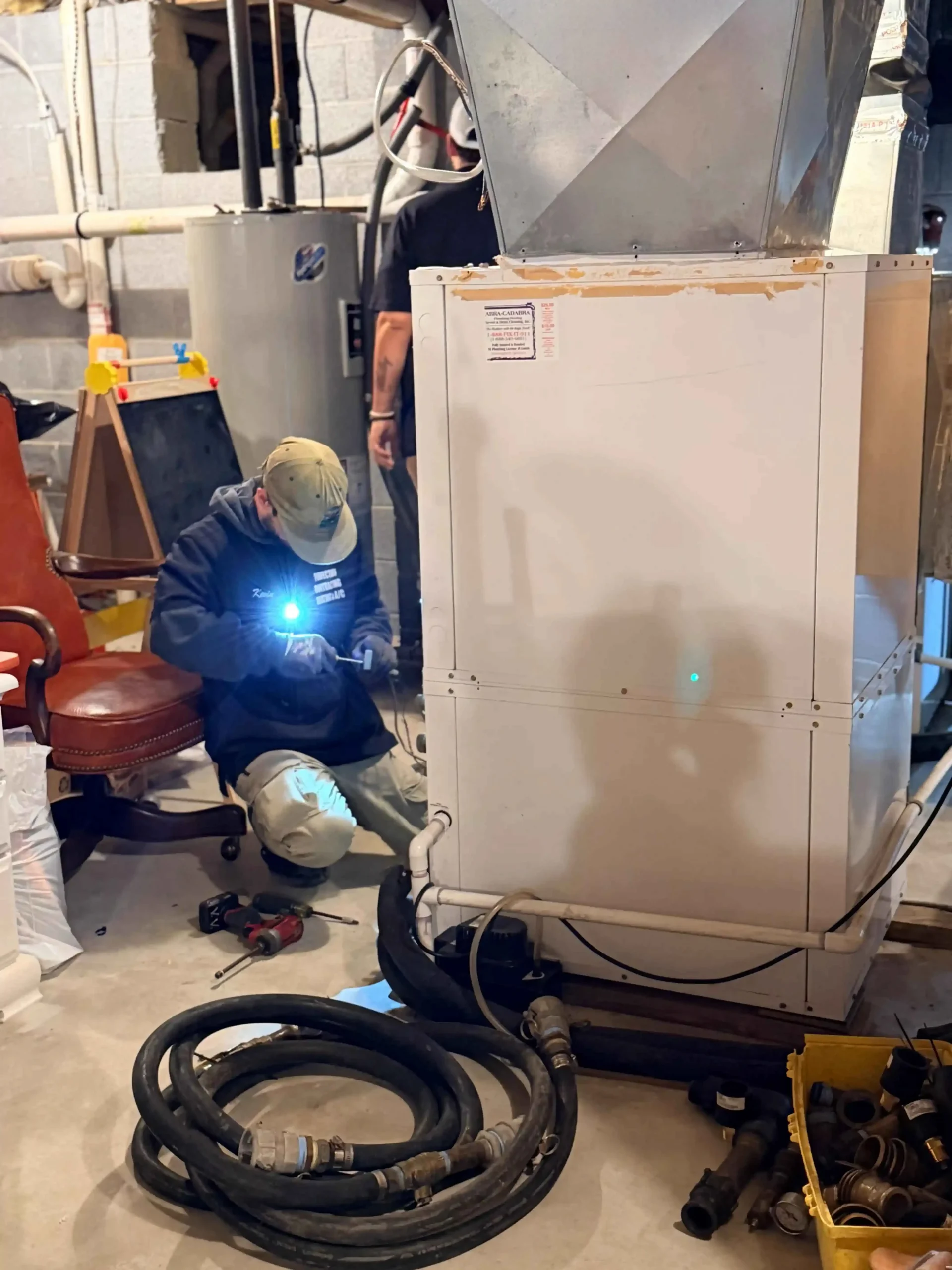
Routine care keeps a unit close to its rated SEER. From our experience, simple steps stop efficiency from slipping and keep repair bills lower. Consider scheduled air conditioning service each year.
What Maintenance Practices Keep Your SEER Rating Effective?
Do the basics: change filters, check airflow, and keep coils clean. These steps help the system move air and heat as designed.
How Regular Service Can Lower Energy Bills and Extend Equipment Life
Regular checks catch small faults before they grow. That keeps the system running smoothly, uses less energy, and often extends the unit’s life. Small fixes now avoid big replacements later.
What Are the Benefits of Upgrading to High SEER HVAC Systems in Northern New Jersey?
Upgrading to a high-SEER system in Northern New Jersey cuts energy use and improves comfort. From our experience, homeowners see steadier indoor temperatures and lower monthly bills after an upgrade.
How Geothermal and Ductless Systems Offer Energy Savings with High SEER Ratings
Geothermal systems use ground temperatures to heat and cool, which reduces energy use. Ductless mini-splits let you cool only the rooms you use. Both options lower running costs and give better control. Explore ductless HVAC if you want zoned comfort without new ductwork.
What Real-World Savings Have New Jersey Homeowners Experienced?
Homeowners who switch to higher-SEER units often report 20–30% lower cooling bills. They also notice steadier comfort and fewer repair calls. Those results add up over the life of the system.
Frequently Asked Questions
What is the role of SEER ratings in HVAC system longevity?
Higher-SEER units often use better components and smarter controls. From our experience, that can mean fewer breakdowns and less stress on parts. Pair a good unit with regular service and it will usually last longer.
Are higher SEER ratings worth the investment?
Higher SEER units cost more up front, but they often cut energy bills 10–30%. Over a decade or more, the saved energy can offset the extra price. Homeowners also get better comfort and fewer repair costs.
How can I improve my current HVAC system’s SEER rating?
You can’t change a unit’s rated SEER, but you can improve how it performs. Keep filters clean, get regular inspections, and clear debris from coils. Upgrading controls or key parts can help. If you need major gains, consider a higher-SEER replacement.
What seasonal changes affect HVAC performance related to SEER ratings?
Hot, humid summers put the biggest strain on cooling systems. That’s when SEER matters most because the unit runs longest. Milder seasons are easier on the system and use less energy.
How often should I review my HVAC system’s SEER rating?
Check SEER when you plan to replace or upgrade your unit. Also review performance during annual service checks to make sure the system still meets your needs and state rules.
Can I benefit from higher SEER ratings if I live in a milder climate?
Yes. Even in milder areas, higher-SEER systems can lower bills and improve comfort. They also help control humidity and reduce wear from occasional heat waves.
Conclusion
Choosing a higher-SEER system gives New Jersey homeowners clearer long-term value: lower energy use, steadier comfort, and fewer repairs. Keep your system well maintained or plan an upgrade when needed to protect savings and extend equipment life. Explore energy-smart HVAC options that suit your home and budget.
Related Services
- Cooling Services
- Air Conditioning Repair
- Air Conditioning Installation
- Air Conditioning Maintenance Service
Keep Reading
Browse all HVAC tips and guides.
Need a technician? Perfection Contracting serves homeowners across Sussex County, NJ and the surrounding North Jersey service area.