

Knowing how your air conditioner works makes it easier to spot problems and keep your home comfortable. From our experience, learning the main parts and the refrigeration cycle helps you avoid costly repairs and extend the unit’s life. This guide explains how ACs work, common problems, simple maintenance, and how smart controls can help.
Key Takeaways
- Air conditioners cool homes using a refrigeration cycle involving evaporation, compression, condensation, and expansion stages.
- The compressor circulates refrigerant, making it essential for effective cooling and system operation.
- Key components include the compressor, evaporator coil, condenser, and expansion valve, each with distinct functions.
- The thermostat and air handler work together to regulate indoor temperature and distribute cooled air throughout the home.
- Common AC problems include refrigerant leaks, clogged filters, and thermostat malfunctions, which reduce cooling efficiency.
- Regular maintenance such as filter changes, coil cleaning, and refrigerant checks prolongs system life and maintains performance.
- Professional AC service helps detect issues early, ensuring system longevity and preventing costly repairs.
- Smart thermostats improve home cooling by enabling remote control, learning user habits, and providing energy usage insights.
- Smart controls also offer alerts for maintenance needs, helping prevent major HVAC system failures.
What Happens Inside Your Air Conditioner to Cool Your Home?
Air conditioners use the refrigeration cycle to move heat out of your home. Refrigerant runs in a loop and carries heat away from indoor air. Warm air is pulled in and passed over the cold evaporator coil. The refrigerant turns from liquid to gas and takes heat from the air. The compressor then sends that gas to the condenser outside, where the heat escapes and the refrigerant becomes liquid again.
Refrigeration Cycle Overview:
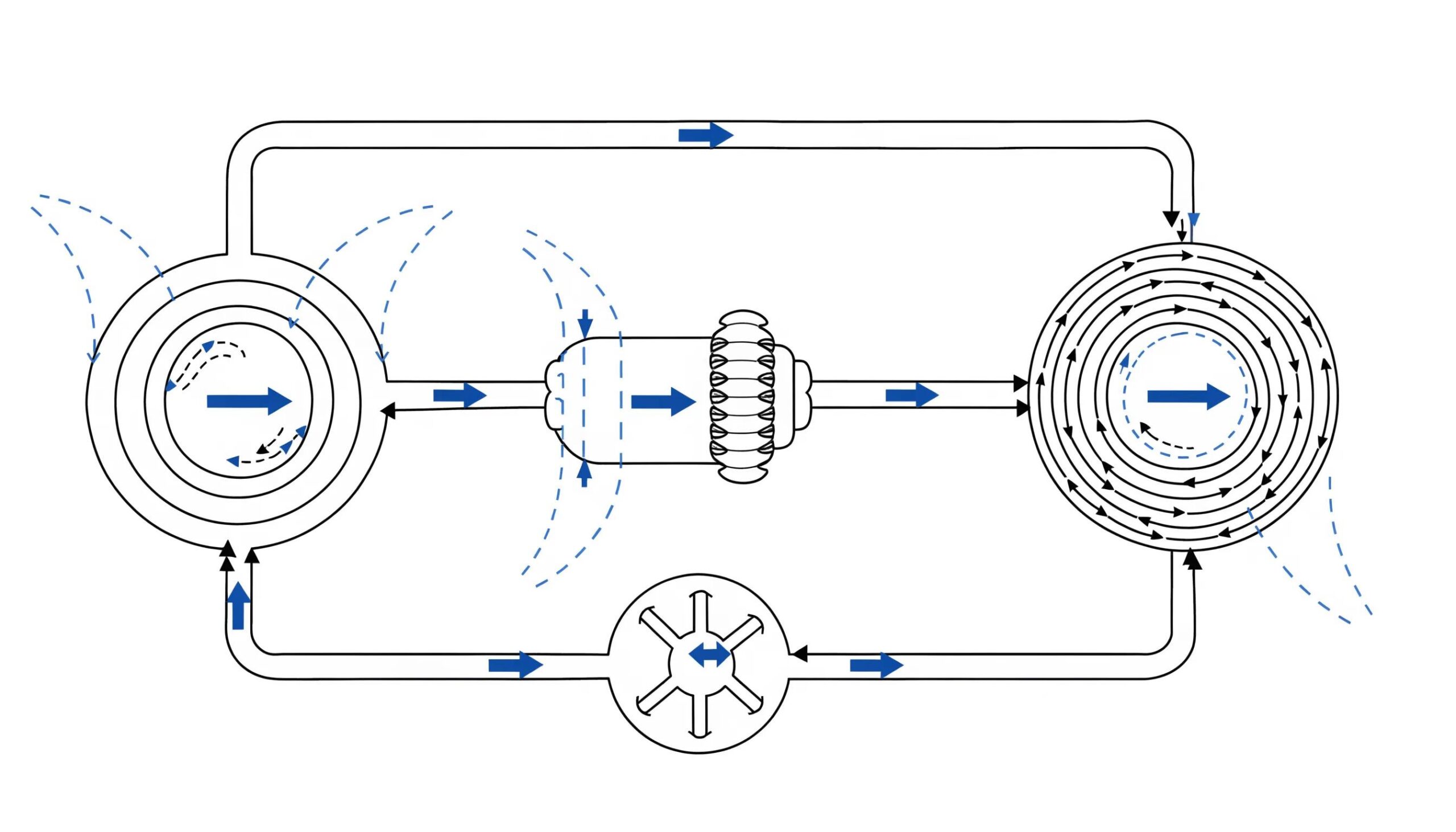
The refrigeration cycle has four key steps: evaporation, compression, condensation, and expansion. In evaporation the refrigerant soaks up heat. Compression raises its pressure and temperature. Condensation dumps heat outside and turns the refrigerant back to liquid. Expansion drops the pressure so the refrigerant can evaporate again and repeat the loop.
Key Components:
Know the main parts: the compressor, evaporator coil, condenser, and expansion valve. The compressor moves and pressurises the refrigerant. The evaporator coil is where the refrigerant absorbs heat. The condenser sends that heat outdoors. The expansion valve controls how much refrigerant goes into the evaporator. From our experience, understanding these parts helps you explain issues to a technician and decide on repairs.
Step-by-Step Operation:
The sequence is simple. The thermostat senses temperature and calls for cooling. The compressor starts and moves refrigerant through the system. The refrigerant picks up heat inside and releases it outside. Air handlers push the cooled air back into your rooms. Knowing this order shows how each step affects the next.
Importance of Component Interaction:
The parts must work together for the system to cool properly. If one part fails, the whole cycle can break down. For example, a bad compressor can stop refrigerant flow and cut cooling power. That raises energy use and wear on the system. Keeping each part in good shape keeps the whole system reliable.
Efficiency Considerations:
How well an AC cools depends on the SEER rating, home insulation, and system design. Poor maintenance often lowers performance and raises energy bills. Regular tune-ups and inspections help the system run as designed and keep running costs lower.
How Does the Refrigerant Cycle Remove Heat from Indoor Air?
The refrigerant cycle pulls heat from indoor air at the evaporator coil. The refrigerant changes from liquid to gas and soaks up heat energy. That cools the air flowing past the coil.
Next, the gas moves to the compressor and then to the condenser outside. There it releases the heat and turns back to liquid. The liquid returns to the evaporator and the loop starts over. This continuous loop keeps indoor temperatures steady during warm weather.
Why Is the Compressor Central to Cooling Performance?
The compressor is the system’s heart. It pressurises and moves the refrigerant. When the compressor runs well, the system cools properly and uses less power. If the compressor runs poorly, cooling drops and bills can go up.
If the compressor fails, the AC may stop working entirely. Watch for strange noises, weak cooling, or a unit that won’t start. Acting quickly can limit damage and save repair costs.
Which Home AC System Components Should Every Homeowner Know?
Knowing the key parts gives you control over repairs and maintenance. The critical parts are listed below and each plays a clear role in cooling your home.
- Compressor: Circulates and compresses the refrigerant, central to system operation.
- Evaporator Coil: Absorbs heat from indoor air, cooling the space.
- Condenser: Expels the absorbed heat to the outdoors, essential for the cooling process.
- Expansion Valve: Regulates refrigerant flow, ensuring optimal pressure and temperature.
Knowing how these parts work together helps you spot problems faster and talk clearly with HVAC professionals about needed repairs.
What Roles Do the Evaporator Coil, Condenser, and Expansion Valve Play?
Each part has a specific job that keeps the cycle running. The evaporator coil removes heat from the indoor air. The condenser releases that heat outside so the refrigerant can cool down. The expansion valve meters refrigerant into the evaporator at the right pressure. These roles keep the cycle steady and predictable.
When you understand these actions, you can better diagnose issues and follow a technician’s advice.
How Does the Thermostat and Air Handler Work Together to Control Comfort?
The thermostat senses the room temperature and tells the system when to run. The air handler moves air over the evaporator and through your ducts. Together they control how and when your home cools.
When cooling is needed, the air handler pulls warm air in and pushes it across the evaporator. Heat leaves the air and the cooled air is sent back into rooms. This repeats until the thermostat’s set temperature is reached.
What Common Problems Affect AC Performance and How Can You Spot Them?
Several frequent issues can cut cooling power. Watch for these common problems:
- Refrigerant Leaks: Reduced refrigerant levels lead to inadequate cooling and indicate that a professional needs to address the leak.
- Clogged Filters: Dirty air filters restrict airflow, forcing the system to work harder and reducing efficiency.
- Thermostat Malfunctions: An unresponsive thermostat causes improper temperature readings, resulting in inconsistent cooling.
Noticing these signs early helps you fix problems before they get worse and keeps airflow and performance steady.
How Should You Maintain Your Air Conditioner for Long-Term Comfort and Savings?
Regular maintenance keeps an AC running well and saves money over time. Key tasks include changing filters, cleaning coils, and checking refrigerant levels. These steps lower the chance of a breakdown and help the unit last longer.
- Changing Filters: Replace air filters every 1-3 months to prevent airflow restrictions.
- Cleaning Coils: Routinely clean the evaporator and condenser coils to promote effective heat exchange.
- Checking Refrigerant Levels: Ensure that refrigerant levels remain adequate for optimal cooling performance.
Doing these simple tasks on a steady schedule reduces repairs and extends the life of your system.
Why Regular AC Service Matters and What Does It Include?
Regular service looks deeper than basic upkeep and finds small problems early. A service visit usually includes inspecting and cleaning major parts like the compressor, coils, and thermostat. Technicians also check refrigerant levels and look for leaks. Regular AC service helps the system last longer, keeps cooling steady, and can save money by avoiding bigger repairs.
When Is It Time to Consider Professional AC Repair or Installation?
Some signs mean you should call a pro. Watch for these issues:
- Persistent Performance Issues: If the air conditioner struggles to maintain the desired temperature, it may need servicing or replacement.
- Frequent Breakdowns: A system that requires repeat repairs likely warrants replacement.
- Energy Bills Rising: Unexplained increases in energy costs may signal inefficiencies in the system.
Spotting these early can prevent bigger problems and keep your home comfortable during hot spells. If you see any of these signs, consider professional AC repair to fix the issue quickly.
How Can Smart Thermostats Enhance Your Home Cooling Efficiency?

Smart thermostats help your system run smarter. They let you control temperature from your phone and set schedules that match when the house is occupied. When the thermostat adjusts to real use, it cuts wasted runtime and keeps you comfortable.
Adding a smart thermostat often lowers energy bills and gives better temperature control. For rooms or homes that need different zones, consider options like ductless HVAC.
What Benefits Do Smart Controls Provide for Managing AC Usage?
Smart controls give useful features such as:
- Remote Access: Homeowners can adjust settings from anywhere using a smartphone app, improving convenience and fostering energy savings.
- Learning Capabilities: Many smart controls learn user habits, adapting settings automatically to enhance comfort levels while reducing energy consumption.
- Energy Reports: These devices often provide detailed insights into energy usage, allowing homeowners to adjust their settings for further savings.
As these devices improve, they add options to manage cooling better. For complex needs like multiple zones or mixed heating and cooling, VRF systems offer a higher level of control.
How Do Smart Thermostats Help Prevent Costly Repairs?
Smart thermostats can warn you when something needs attention. They send reminders for filter changes and flag unusual temperature patterns that may point to a problem. Proper installation and use of smart data can cut down on common issues. Pay attention to alerts and act on them to keep the system running longer.
Frequently Asked Questions
What are the signs that my air conditioner needs servicing?
Look for odd noises, weak cooling, or rooms that don’t hold temperature. A sudden jump in energy bills is another red flag. Regular maintenance can catch these issues early and keep the system working when you need it.
How can I improve the energy efficiency of my air conditioning system?
Do regular ac maintenance like changing filters each month and cleaning coils. Install a programmable or smart thermostat to match cooling to when people are home. Make sure your home is well insulated so cooled air stays inside. These steps lower energy use and save money.
Can I install a smart thermostat myself, or should I hire a professional?
Many homeowners can install a smart thermostat using the instructions. A professional can confirm compatibility with your HVAC system and place the thermostat where readings are most accurate. Proper installation helps you get the full energy and comfort benefits.
How often should I have my air conditioning system checked?
Have your system checked at least once a year. A spring check lets a technician clean coils, inspect parts, and check refrigerant before the cooling season. This helps spot issues early and keeps the unit reliable.
What should I do if my air conditioner is blowing warm air?
Start with simple checks: replace dirty filters and verify the thermostat settings. If the unit still blows warm air, the problem may be low refrigerant or a faulty compressor. Those issues need a professional technician.
What factors can affect the lifespan of an air conditioning unit?
Life expectancy depends on build quality, how often the unit is maintained, how hard it runs, and the local climate. Units that get regular care usually last longer. A well-kept system commonly runs 10 to 15 years, and careful maintenance can extend that.
Conclusion
Knowing how your AC works helps you protect your comfort and avoid big repair bills. From our experience, steady maintenance and timely service keep systems reliable and save money over time. Explore our professional services to keep your home cool and your system running well.
Related Services
- Cooling Services
- Air Conditioning Repair
- Air Conditioning Installation
- Air Conditioning Maintenance Service
- Ductless Mini-Splits
Keep Reading
Browse all HVAC tips and guides.
Need a technician? Perfection Contracting serves homeowners across Sussex County, NJ and the surrounding North Jersey service area.