
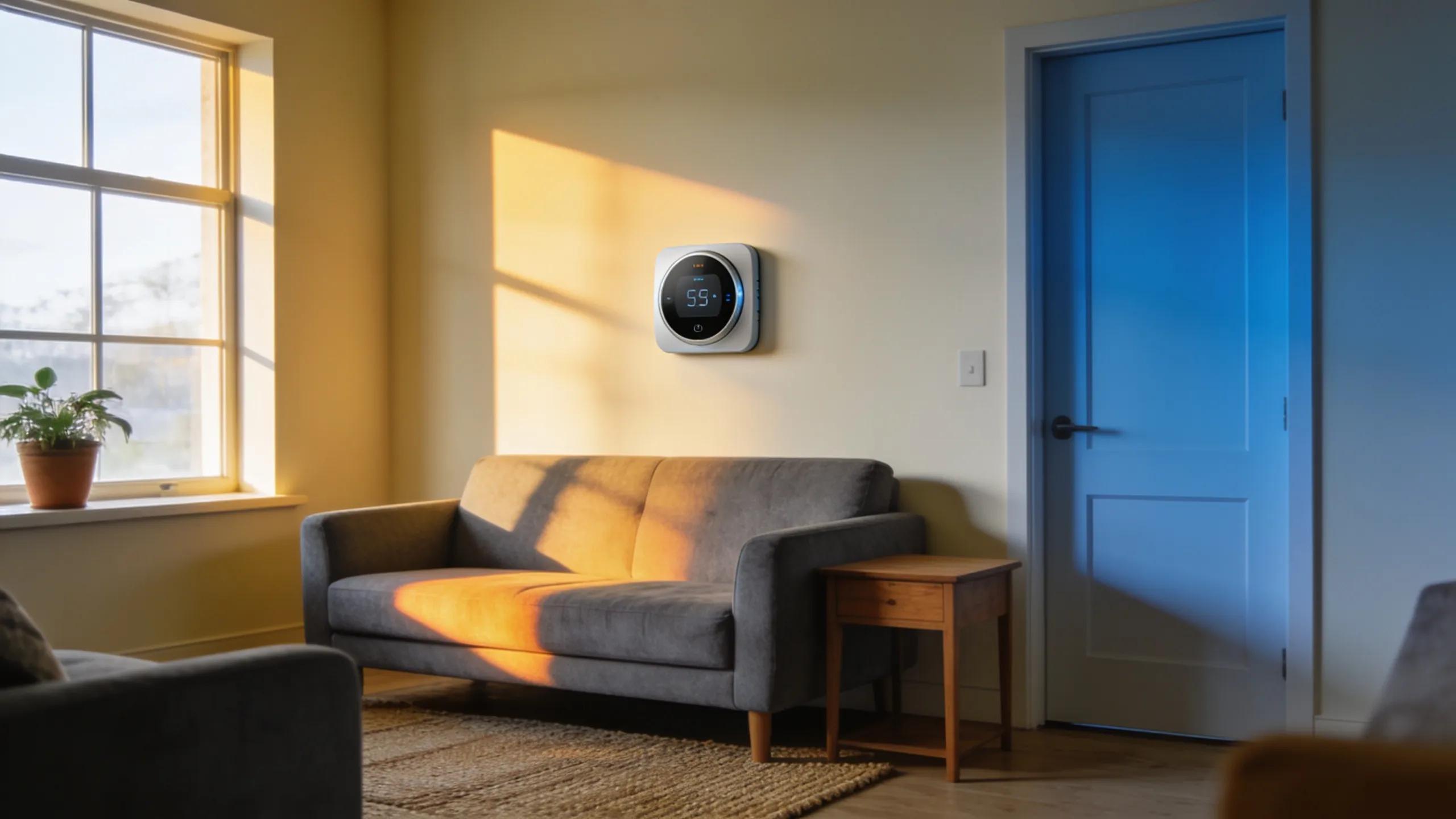
Uneven temperatures in a house are frustrating. Some rooms feel too warm while others stay too cool. From our experience, this usually points to issues with airflow, insulation, or the HVAC setup. Below we explain the common causes, practical fixes, and tips to keep your whole home comfortable long term.
Problems like poor insulation or the wrong-sized system cause many of these comfort issues. This guide looks at those causes and gives clear steps homeowners can take. We also cover how New Jersey homes can stay balanced through the seasons.
Key Takeaways
- Uneven cooling in homes results from factors like heat rising, sun exposure, and older HVAC systems.
- Poor attic insulation causes conditioned air loss, leading to warmer rooms and reduced cooling efficiency.
- Improper AC sizing causes short cycling or insufficient cooling, impacting comfort and energy use.
- Ductwork issues such as leaks and poor design create hot and cold spots by disrupting airflow.
- Duct sealing and balancing improve temperature consistency by preventing air loss and optimizing airflow distribution.
- Zoning systems and multiple thermostats enable precise, room-by-room temperature control for better comfort.
- Ductless mini-split and VRF systems offer targeted cooling solutions for homes with complex temperature needs.
- Regular HVAC maintenance and professional evaluations help sustain efficient cooling and identify underlying problems.
- Addressing uneven cooling enhances year-round comfort, reduces energy bills, and increases home value.
Causes of Hot and Cold Spots in Homes:
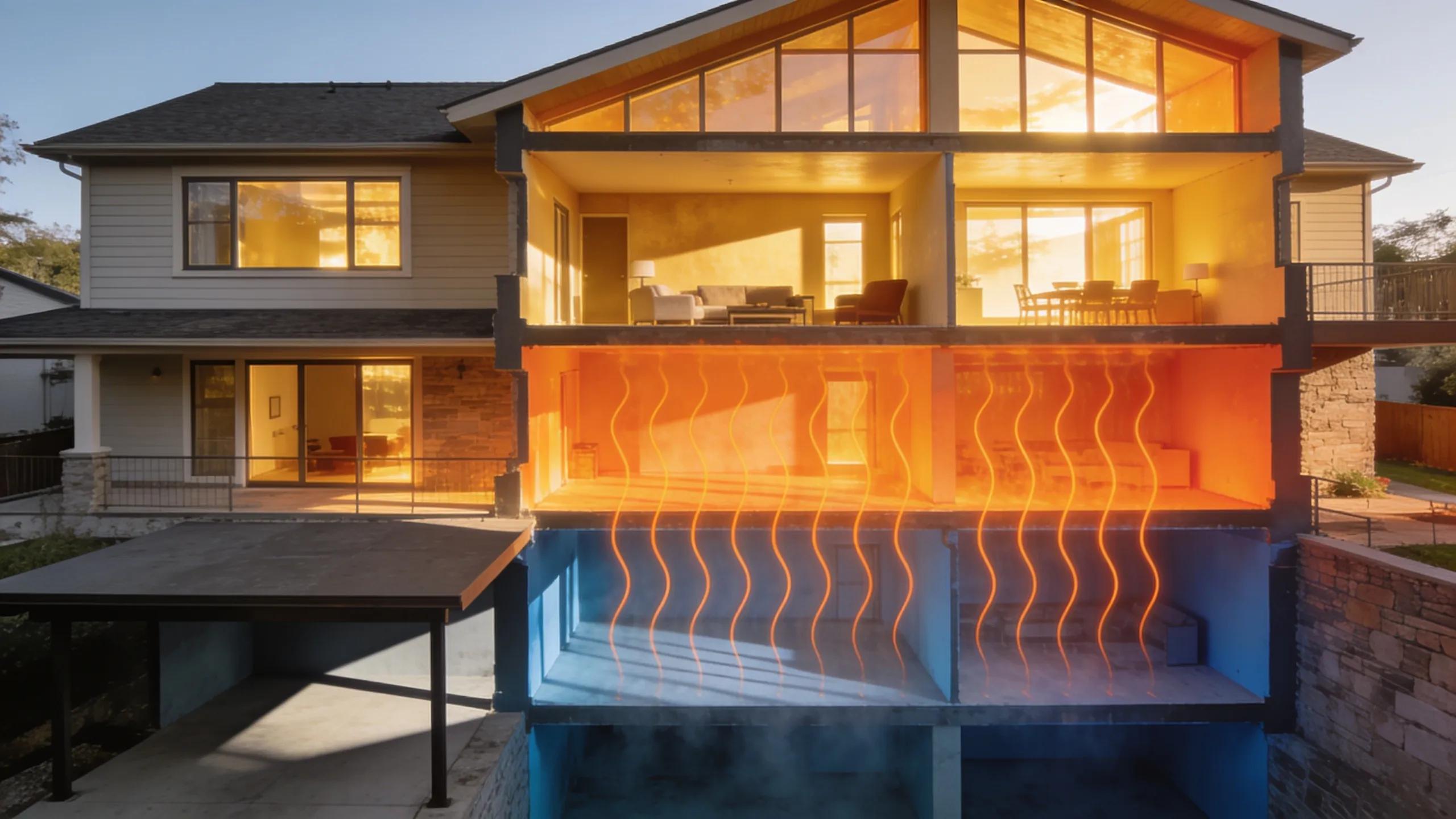
Hot and cold spots come from a few common problems. These include heat rising in multi-story homes, older HVAC gear that can’t keep up, and rooms that get strong sun. Each factor changes how air moves and where cool air ends up.
- Heat Rises: In homes with multiple stories, heat tends to rise, making upper floors warmer than lower ones.
- Older HVAC Systems: Many older heating and cooling systems struggle to keep up with modern energy demands, leading to uneven cooling.
- Sun Exposure: Rooms that receive direct sunlight often warm up faster compared to those that are shaded, resulting in temperature discrepancies.
Finding the root cause helps pick the right fix. From our experience, checking airflow, insulation, and system size is a good first step.
Potential Solutions:
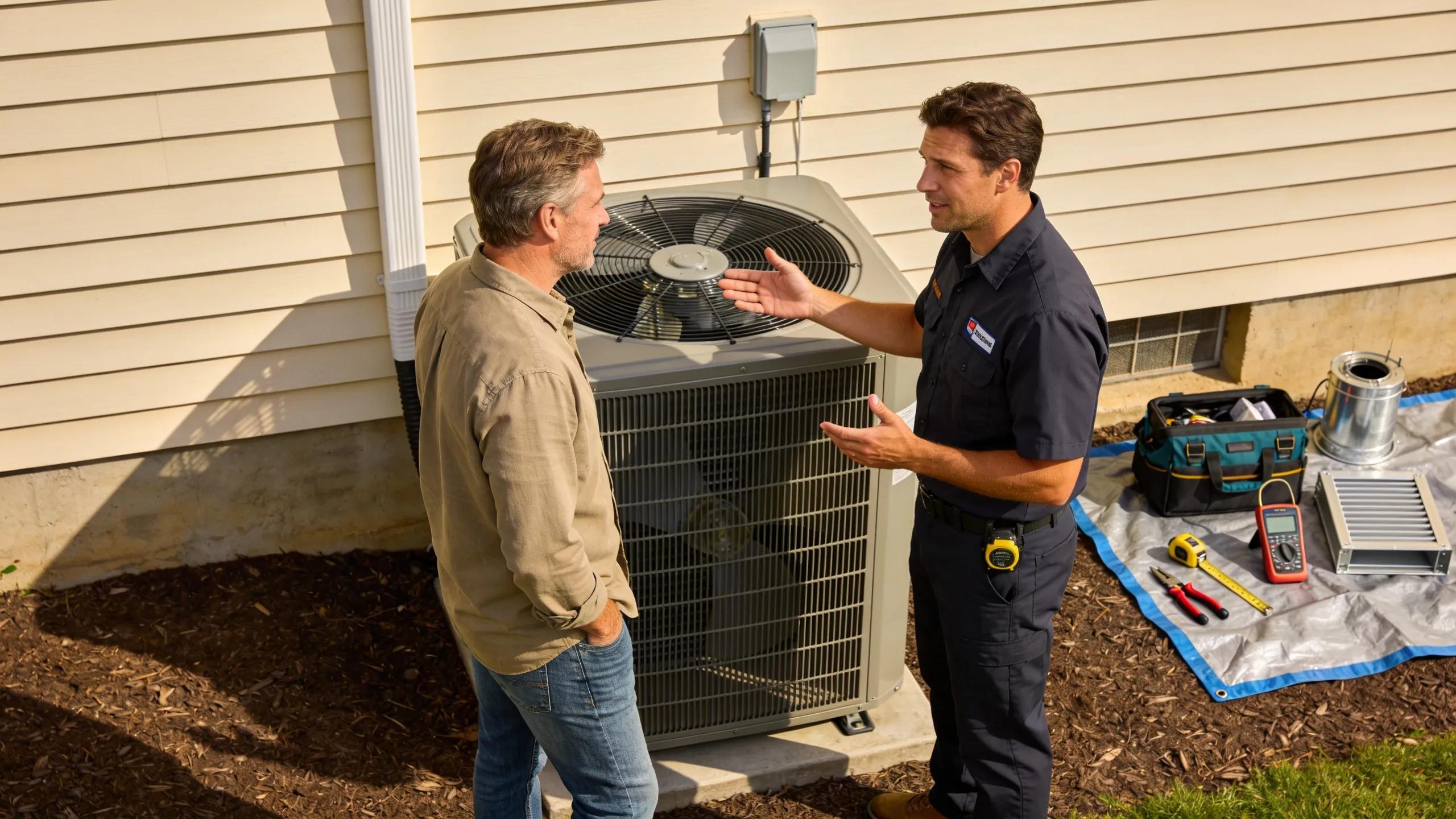
There are practical options to reduce uneven cooling. Common choices include fixing ductwork, adding zoning controls, or using ductless units for problem rooms. Each approach targets the main causes we just discussed.
- Duct Balancing: This process adjusts airflow in the duct system to ensure all rooms receive adequate cooling and heating.
- Zoning Systems: Installing these systems allows for different areas of the home to be controlled independently, tailoring cooling needs room by room.
- Ductless Units: These are a strategic approach for targeted cooling in rooms that experience consistent discomfort.
Simple fixes like duct balancing often deliver fast, visible results. They improve airflow so your vents send conditioned air where it’s needed.
Tips for Achieving Lasting Comfort:
Small, steady steps keep your home comfortable. Regular checks and smart upgrades stop problems from coming back. Focus on maintenance, sealing leaks, and fixing airflow first.
- Regular HVAC Maintenance: Schedule routine inspections and maintenance checks to keep your system running efficiently.
- Professional Evaluations: If uneven temperatures persist, it’s advisable to have a professional evaluate your HVAC system and insulation to pinpoint problems.
Taking proactive steps keeps your home comfortable through heat waves and cold snaps. It also reduces wear on your system over time.
Why Do Some Rooms Stay Hot While Others Feel Cold?
Most of the time it’s about airflow and home design. Blocked or leaky ducts stop cool air from reaching certain rooms. Heat also moves upward, so upper floors often run warmer. Once you know which factor is at work, the right fix is straightforward.
What Role Does Poor Attic Insulation Play in Uneven Home Cooling?
Weak attic insulation lets cool air escape and warm outside air enter. That makes some rooms harder to cool. Adding or upgrading insulation keeps conditioned air inside and lowers strain on the system.
How Can AC System Sizing Problems Lead to Uneven Cooling in NJ Homes?
Wrong AC size causes clear problems. An oversized unit cools fast but doesn’t remove enough humidity and can short cycle. An undersized unit runs too long and still can’t reach set temps. Correct sizing, using methods like Manual J Load Calculation, helps avoid these issues and improves comfort and system life. For persistent problems or upgrades, professional air conditioning repair can fix underlying faults.
What Is Manual J Load Calculation and Why Does It Matter for Proper Sizing?
Manual J Load Calculation estimates the heating and cooling needs of a home. It looks at size, insulation, windows, and climate. From our experience, using Manual J prevents buying a unit that’s too big or too small. That saves energy and keeps temperatures steady.
What Are Signs Your Air Conditioner Is Too Big or Too Small?
Watch for short cycles and high indoor humidity—signs of an oversized AC. If the system runs constantly and some rooms stay warm, the unit may be too small. A service visit can confirm the issue. Professional air conditioning service helps diagnose and correct sizing problems.
How Does Ductwork Design and Leakage Cause Hot and Cold Rooms?
Duct layout and leaks change where air flows. Air escaping through gaps never reaches the rooms that need it. Poor duct paths can starve some rooms while over-delivering to others. Fixing leaks and improving the layout restores balance.
Why Is Duct Sealing Vital to Prevent Conditioned Air Loss?
Sealing ducts keeps conditioned air inside the system. That keeps rooms nearer to the desired temperature and cuts wasted energy. From our experience, duct sealing often pays for itself through lower bills and better comfort.
What Does Ductwork Balancing Involve and How Does It Improve Comfort?
Duct balancing adjusts airflow so each room gets the right amount of air. Technicians change dampers or tweak vents to spread air evenly. Balanced ducts reduce hot and cold spots and make the whole house more comfortable.
Can Thermostat Placement and Zoning Systems Fix Uneven Cooling?
Thermostat location affects system response. If the thermostat sits in a hot spot, the system may stop cooling before other rooms reach comfort. Zoning or moving the thermostat to a neutral spot gives the system better data and cuts temperature swings.
How Does Single Thermostat Control Create Temperature Imbalances?
A single thermostat controls the whole house from one spot. That can leave some areas overcooled and others neglected. Installing multiple controls or a zoning system fixes that by matching cooling to how rooms are used.
What Benefits Do Zoning Systems Provide for Room-by-Room Comfort?
Zoning systems let you set different temperatures for different areas. That means less wasted cooling and more comfort where people spend time. Over months and years, zoning can lower energy use and improve daily comfort.
When Should You Consider Upgrading to Ductless Mini-Split or VRF Systems?
If ducts are hard to change or rooms stay uncomfortable, consider ductless mini-split or VRF systems. They give room-by-room control without major ductwork work. These options suit homes with tricky layouts or varied temperature needs.
How Do Ductless Mini-Splits Offer Targeted Cooling Solutions?
Ductless mini-splits cool individual rooms with small wall units. You control each unit separately. That makes them a good choice for problem rooms or additions where ducts are impractical.
What Are VRF Systems and How Do They Improve Home Temperature Control?
Variable Refrigerant Flow (VRF) systems use one outdoor unit with multiple indoor units. Each indoor unit can run to a different level. That gives precise control across rooms while keeping energy use reasonable. For more on these systems, see VRF systems.
What Long-Term Benefits Does Proper Home Cooling Bring to NJ Homeowners?
Fixing uneven cooling improves daily comfort and reduces stress on your HVAC system. Over time, that means lower bills and fewer repairs. A home that stays comfortable also appeals more to buyers when you sell.
How Does Addressing Uneven Cooling Save Energy and Reduce Bills?
Solving airflow and insulation issues lowers the work your system must do. That cuts energy use and monthly bills. If you plan a new system to get those savings, professional air conditioning installation can help pick the right option.
Why Does Fixing Hot and Cold Spots Improve Year-Round Comfort and Home Value?
Removing hot and cold spots makes daily life more comfortable and protects your HVAC investment. Buyers notice a well-maintained climate system. That can boost curb appeal and the resale value of your home.
Frequently Asked Questions
What can I do to improve air circulation in rooms with hot and cold spots?
Move furniture away from vents so air can flow. Check that ceiling fans spin the right way—clockwise in winter and counterclockwise in summer—to help move air. You can also fit vent deflectors to aim airflow into living space instead of at the wall. Use exhaust fans in kitchens and bathrooms to remove warm, humid air.
How often should I schedule HVAC maintenance to prevent uneven cooling?
We recommend a yearly checkup. A technician can clean parts, change filters, check refrigerant levels, and find leaks in ducts. Regular maintenance catches small problems before they cause uneven cooling or bigger failures.
Can I improve insulation in my home without professional help?
Yes. You can add insulation in accessible areas like attics or crawl spaces and seal gaps around windows and doors with caulk or weatherstripping. Use foam board or fiberglass batts where appropriate. For large jobs or complex spaces, a professional can ensure the work is done safely and effectively.
What are the signs that my ducts need sealing or repairs?
Look for big temperature differences between rooms, rising energy bills, and dust near vents. You might also hear whistling or notice weak airflow. These signs often mean leaks or damaged ducts. A professional inspection will confirm the issue and show needed repairs.
Is it worthwhile to invest in a zoning system for uneven cooling issues?
Yes, if different areas of your home have different needs. Zoning gives control by room or zone. That reduces wasted cooling and improves comfort where people spend time. Over time, it can lower energy use too.
How do window treatments affect indoor temperatures?
Window coverings block or let in sunlight. Light-coloured blinds and shades reflect heat and help keep rooms cooler. Thick or thermal curtains help keep heat in during winter. You can add window film or weatherstripping to cut drafts and keep temperatures steadier.
What DIY methods can help monitor indoor temperatures effectively?
Place simple thermometers in several rooms to compare temperatures. Smart thermostats and Bluetooth sensors give more data and can log differences over time. Check these readings regularly to spot trouble spots and track the effect of any changes you make.
Conclusion
Fixing uneven cooling makes your home more comfortable and helps your HVAC system last longer. Start with airflow, insulation, and correct sizing. If you need help, connect with our team for an expert evaluation and long-term fixes that work for your home.
Related Services
- Cooling Services
- Air Conditioning Repair
- Air Conditioning Installation
- Air Conditioning Maintenance Service
Keep Reading
- Emergency AC Repair: What To Do Before the Technician Arrives?
- Why Does My AC Keep Turning On and Off? Understanding AC Short Cycling
Browse all HVAC tips and guides.
Need a technician? Perfection Contracting serves homeowners across Sussex County, NJ and the surrounding North Jersey service area.