

HVAC Installation Services Near Me: What Homeowners Should Expect for Cost, Process, and Efficiency
By Andreyan Solanoy, Perfection Contracting, Inc.
Struggling to understand HVAC costs and what the installation will actually look like is common. Many homeowners assume price alone tells the whole story, but the wrong size or poor installation causes most problems—not just the equipment. From our experience, knowing the typical costs, the steps installers follow, and the energy-efficient options available in Northern New Jersey makes the decision easier. This guide walks you through what to expect so you can pick a system that improves comfort and lowers bills over the long term.
Key Takeaways
- HVAC installation costs in Northern New Jersey typically range from $6,000 to $14,000 depending on system type and complexity.
- The installation process includes home evaluation, load calculation, and can take from a few hours to several days.
- Energy-efficient HVAC options include ductless mini-split systems, heat pumps, and geothermal systems for long-term savings.
- Professional HVAC installation ensures system efficiency, longevity, and compliance with local codes and regulations.
- Regular maintenance and annual inspections are essential to maintain HVAC system performance and extend equipment lifespan.
- Commercial HVAC installations require larger systems with zoning and energy-efficient solutions like VRF and smart thermostats.
- Geothermal HVAC systems reduce energy costs by up to 60% and have a lower environmental impact.
- Ductless HVAC systems improve home comfort by allowing precise temperature control in individual zones.
- Variable refrigerant flow (VRF) systems offer high energy efficiency and individualized temperature control for commercial and residential buildings.
Cost Expectations
Worrying about sticker shock is normal when planning a new HVAC system. People often focus only on the unit cost and miss installation factors that drive the final price. In Northern New Jersey, expect total installation costs commonly between $6,000 and $14,000. Regional differences and system choice matter, so use that range to budget and ask for detailed estimates that explain labor, materials, and any ductwork work.
Several factors influence these costs, including:
- System Type: Different HVAC systems, such as central air conditioning, ductless mini-split systems, and geothermal systems, come with varying price tags.
- Installation Complexity: The layout of your home and existing ductwork can affect installation time and costs.
- Energy Efficiency: Higher efficiency systems may have a higher upfront cost but can lead to significant savings on energy bills over time.
This table gives a quick look at typical costs for common services so you can plan your budget. From our experience, getting a few detailed quotes helps you compare true value—not just the lowest price.
Installation Process
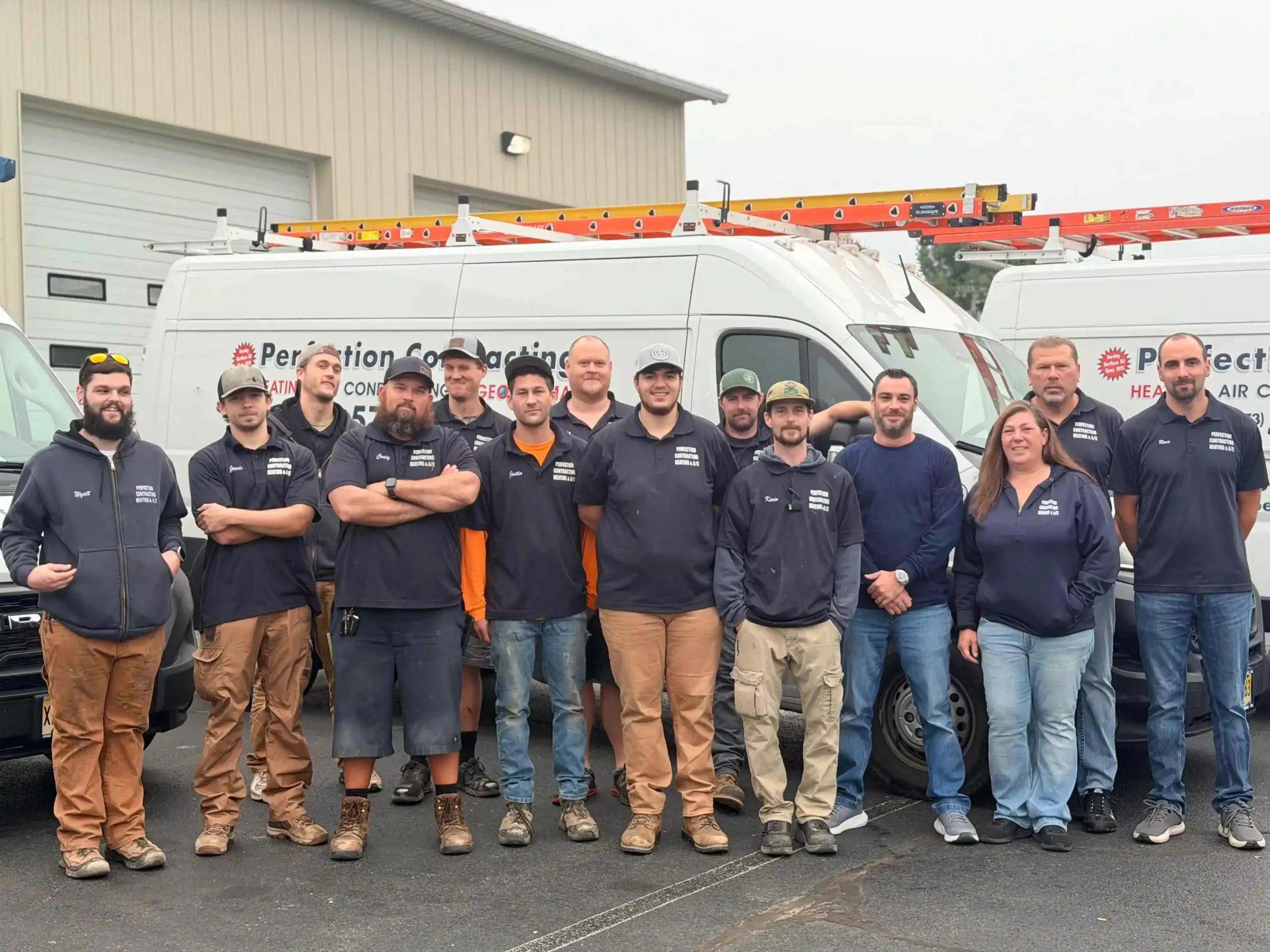
Not knowing what happens on installation day makes homeowners anxious. Most people don’t realize a proper install starts long before the crew arrives. Installers begin with a home evaluation and load calculation to size the system correctly. On the day of work they follow a checklist so the system runs efficiently from day one.
- Home Evaluation: A thorough assessment of your home’s size, layout, insulation, and airflow is conducted to determine the appropriate system size and type.
- Load Calculation: This calculation helps in selecting the right HVAC system that meets your home’s heating and cooling needs.
- Installation Day: The actual installation typically takes between 4 to 8 hours, depending on the system type and complexity.
How Long Does Professional HVAC Installation Take?
Worrying about how long your home will be disrupted is common. A simple AC replacement usually takes about 4 to 8 hours. Ductless mini-splits often need 1 to 2 days. A full system swap can take 1 to 3 days depending on ductwork and project details. From our experience, clear communication up front helps set realistic expectations.
What Are the Typical Steps in the HVAC Installation Process?
People often expect a quick swap, but proper installation follows a few careful steps. First comes inspection and prep to protect your home. Next the old system is removed safely. Finally the new unit is installed, tested, and explained to you so it works correctly and you know how to use it.
- Inspection and Preparation: This initial phase can take 30 to 60 minutes, where the installation team assesses the site and prepares for the new system.
- Removing the Old System: This step typically takes 1 to 2 hours, depending on the complexity of the existing setup.
- Installing the New Unit: The installation of the new HVAC unit usually takes 1 to 2 hours, ensuring that all components are correctly set up and functioning.
Energy Efficiency Options
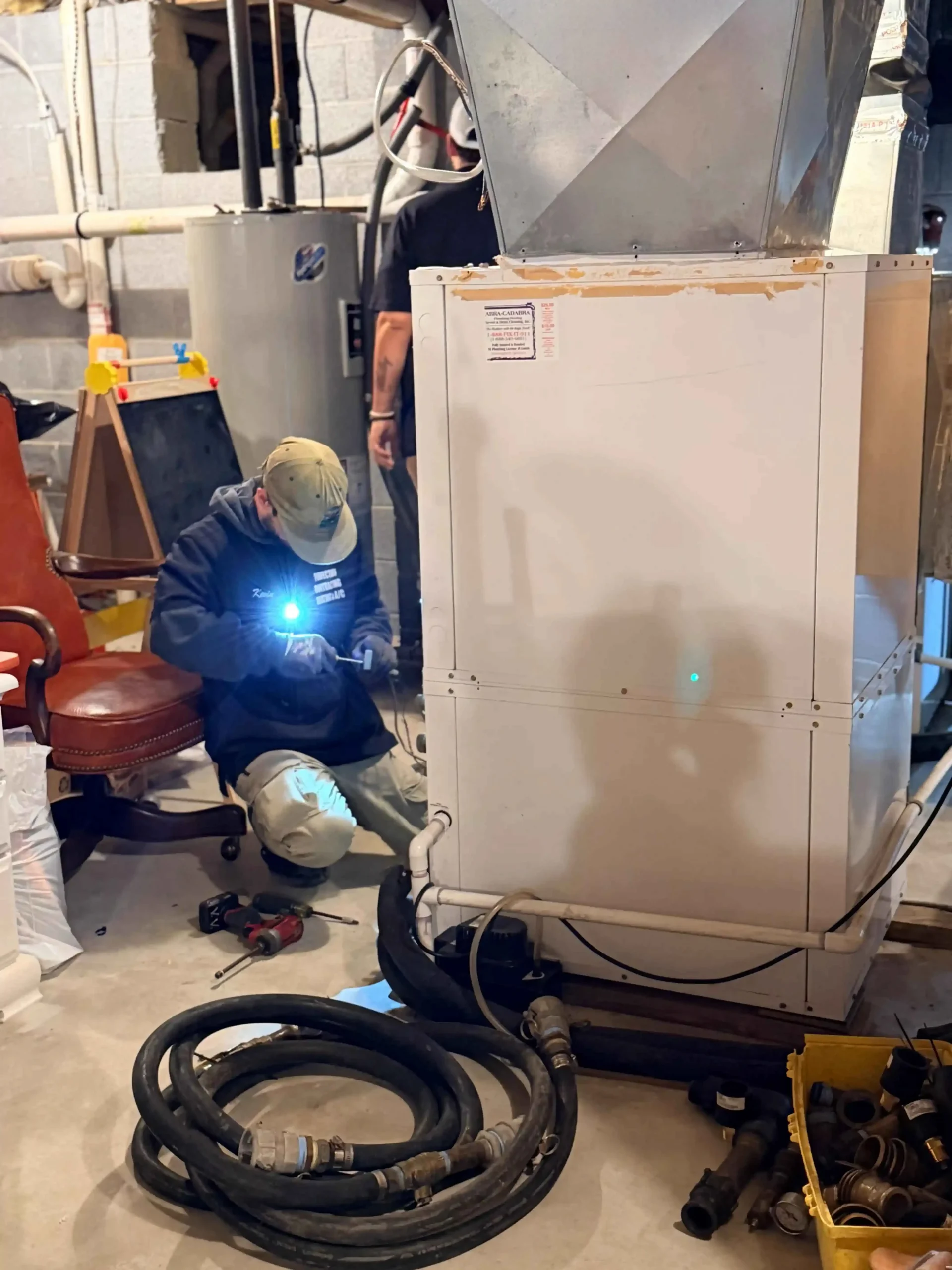
High energy bills are a top concern for homeowners. Many assume any new system will cut costs, but efficiency depends on the type of system and correct installation. Options like ductless mini-splits, heat pumps, and geothermal systems can lower energy use when matched to your home and installed properly. Think long term when choosing—efficiency pays off over years, not just months.
- Ductless Mini-Split Systems: Ideal for homes without existing ductwork, these systems provide targeted heating and cooling, enhancing comfort while minimizing energy waste.
- Heat Pumps: These systems are highly energy-efficient, providing both heating and cooling solutions, making them a versatile choice for homeowners.
- Geothermal Systems: Utilizing the earth’s stable temperature, geothermal systems offer exceptional energy efficiency and long-term savings.
Which Energy-Efficient HVAC Options Are Available for New Installations?
- Ductless Mini-Split Systems: Perfect for older homes lacking ductwork, these systems allow for flexible zoning and energy savings.
- Heat Pumps: These systems are known for their efficiency in both heating and cooling, making them a popular choice for many homeowners.
- Geothermal Systems: Although they require a higher initial investment, geothermal systems can lead to substantial energy savings over time.
What Are the Benefits of Geothermal and VRF Systems?
If rising utility bills are the problem, geothermal systems can be a strong solution. They often cut energy costs substantially—sometimes by 30% to 60%—and use the earth’s stable temperature to heat and cool your home. From our experience, geothermal systems also tend to last longer than conventional equipment, giving better long-term value.
- Energy Efficiency: They can reduce energy costs by 30% to 60% compared to traditional systems.
- Environmental Impact: Utilizing renewable energy from the earth, they have a lower carbon footprint.
- Longevity: Geothermal systems typically last longer than conventional HVAC systems, providing reliable service for many years.
How Do Ductless HVAC Solutions Improve Home Comfort?
Many homeowners feel uncomfortable with uneven temperatures. Ductless systems fix that by letting you control each room separately. That means better comfort where you need it and energy savings when you don’t heat or cool empty rooms. From our experience, zoning makes a big difference in both comfort and bills.
Why Choose Professional HVAC Installers Near Me?
Choosing professional HVAC installers avoids the common mistake of assuming all installs are the same. Experienced installers size the system correctly, follow local codes, and test performance so the system runs efficiently from day one. That protects comfort and your investment over time.
How Does Expert Installation Impact System Longevity and Efficiency?
Thinking the equipment alone will solve problems is a common mistake. Proper installation reduces strain on components, so systems run more efficiently and last longer. Installers who test and tune the system at the end of the job help prevent early failures and costly repairs down the road.
What Should Homeowners Look for in a Trusted HVAC Contractor?
- Experience and Qualifications: Look for contractors with a proven track record and relevant certifications.
- Customer Reviews: Check online reviews and testimonials to gauge customer satisfaction.
- Transparent Pricing: A reputable contractor should provide clear and detailed estimates without hidden fees.
What Maintenance Is Needed After HVAC Installation?
After installation, many homeowners think nothing more is needed. Regular maintenance is the real key to keeping performance high. Schedule annual inspections and tune-ups to check refrigerant, clean or replace filters, and inspect electrical parts. These small steps prevent bigger problems later.
How Can Regular Service Extend System Life and Save Costs?
Waiting for a breakdown is costly. Regular service finds small issues before they become big repairs. From our experience, consistent maintenance lowers energy bills and reduces the chance of a mid-summer or mid-winter failure that can be expensive to fix.
When Should Homeowners Schedule Post-Installation Checkups?
If you just had a system installed, plan a post-installation check within the first year so any adjustments can be made. After that, annual maintenance keeps the system in good shape. This schedule helps maintain efficiency and avoids surprises.
What Are Key Considerations for Commercial HVAC Installation?
- System Size: Commercial systems must be appropriately sized to handle larger spaces and higher occupancy levels.
- Zoning Needs: Many commercial spaces require zoning to maintain comfort across different areas.
- Energy Efficiency: Businesses should prioritize energy-efficient systems to reduce operational costs.
How Does Commercial Installation Differ from Residential?
Business owners often assume a residential approach will work for commercial spaces. Commercial installations use larger equipment and more complex zoning and controls to handle bigger loads and varied spaces. That means planning and experience are more important to get right.
What Energy-Efficient Solutions Benefit Small Businesses?
- Variable Refrigerant Flow (VRF) Systems: These systems provide precise temperature control and energy savings.
- High-Efficiency Heat Pumps: Ideal for small commercial spaces, these systems offer both heating and cooling capabilities.
- Smart Thermostats: Implementing smart technology can optimize energy use and reduce costs.
Research supports the idea that VRF systems deliver strong energy efficiency and individualized temperature control, though they can cost more upfront. Consider the long-term benefits when weighing the initial price.
VRF HVAC Systems: Efficiency, Comfort, and Initial Costs
Buildings use a lot of energy for air conditioning and ventilation, so efficient designs matter. The variable refrigerant flow (VRF) system is often chosen because it improves energy efficiency and lets different areas have their own temperature control. It does have downsides, such as limited outdoor air for ventilation and a higher initial cost.
A comprehensive review of variable refrigerant flow (VRF) and ventilation designs for thermal comfort in commercial buildings, YH Yau, 2024
Understanding real-world energy use for VRF systems—especially in homes—is important to judge their cost-effectiveness and savings potential.
Residential VRF System Energy Efficiency & Consumption
Space cooling consumes a large share of building energy, and VRF systems are widely used in some countries for homes and offices. The system’s real energy efficiency and electricity use strongly affect overall cooling energy. Measuring true performance is costly, so researchers sometimes use modeling to estimate actual efficiency and consumption across many systems.
Power consumption and energy efficiency of VRF system based on large scale monitoring virtual sensors, M Qian, 2020
For those considering air conditioning repair, act quickly when problems appear. Addressing issues early keeps the system efficient and prevents minor faults from becoming major damage.
Additionally, regular air conditioning service helps your unit last longer and run at peak performance. Small, routine checks save money over time.
When the time comes for an upgrade, professional air conditioning installation ensures the new system performs as expected and delivers the efficiency you paid for.
For homes without existing ductwork, ductless HVAC systems give flexible, energy-efficient heating and cooling for specific rooms or zones.
Businesses looking for advanced climate control may consider VRF systems for precise temperature management and potential energy savings.
Frequently Asked Questions
What factors should I consider when choosing an HVAC system?
Picking the wrong system size is a common mistake. Think about your home’s size, whether you have ductwork, and your real heating and cooling needs. Look at energy ratings like SEER and HSPF, consider long-term savings, and check the contractor’s reputation before deciding.
How can I improve the energy efficiency of my existing HVAC system?
If your bills feel high, start with simple fixes: change dirty filters, clean ducts, and schedule an annual inspection. A programmable or smart thermostat and sealing duct leaks or adding insulation also make a big difference in efficiency.
What are the signs that my HVAC system needs repair or replacement?
If rooms feel uneven, the system makes odd noises, your energy bills jump, or it cycles on and off a lot, those are warning signs. Systems over 10–15 years old that need frequent repairs are often better replaced. Have a pro assess humidity and overall performance.
Are there financing options available for HVAC installation?
Worried about upfront costs? Many contractors offer financing like payment plans or low-interest loans, and some manufacturers have rebates for efficient systems. Ask your contractor for options that fit your budget.
How often should I schedule maintenance for my HVAC system?
Many homeowners wait too long between services. We recommend at least once a year—AC in spring and heating in fall. In extreme climates or for heavy use, twice a year can be worth it to avoid failures and keep efficiency high.
What should I do if my HVAC system is not cooling effectively?
Start with basic checks: make sure the thermostat is set to cool, replace dirty filters, and clear debris around the outdoor unit. If that doesn’t fix it, call a technician for a full inspection so small issues don’t turn into major repairs.
What are the benefits of upgrading to a smart thermostat?
Smart thermostats save energy and add convenience. You can control them from your phone, set schedules, and they learn habits to run more efficiently. Many offer usage reports that help you track and lower energy use.
Conclusion
Confused by choices and worried about long-term costs is normal. Many people choose equipment without focusing on correct sizing and installation, which causes most problems. By selecting the right system and working with professional installers, you get reliable comfort, better efficiency, and lower costs over time. Schedule a consultation to review options and find the right solution for your home.
Related Services
- Cooling Services
- Air Conditioning Repair
- Air Conditioning Installation
- Air Conditioning Maintenance Service
- Ductless Mini-Splits
Keep Reading
- AC Compressor vs Condenser: Key Differences Explained
- Perfection Contracting: About Us, Capabilities & Market Overview (2026)
- HVAC Troubleshooting Guide: Fix Common Problems Fast
Browse all HVAC tips and guides.
Need a technician? Perfection Contracting serves homeowners across Sussex County, NJ and the surrounding North Jersey service area.