
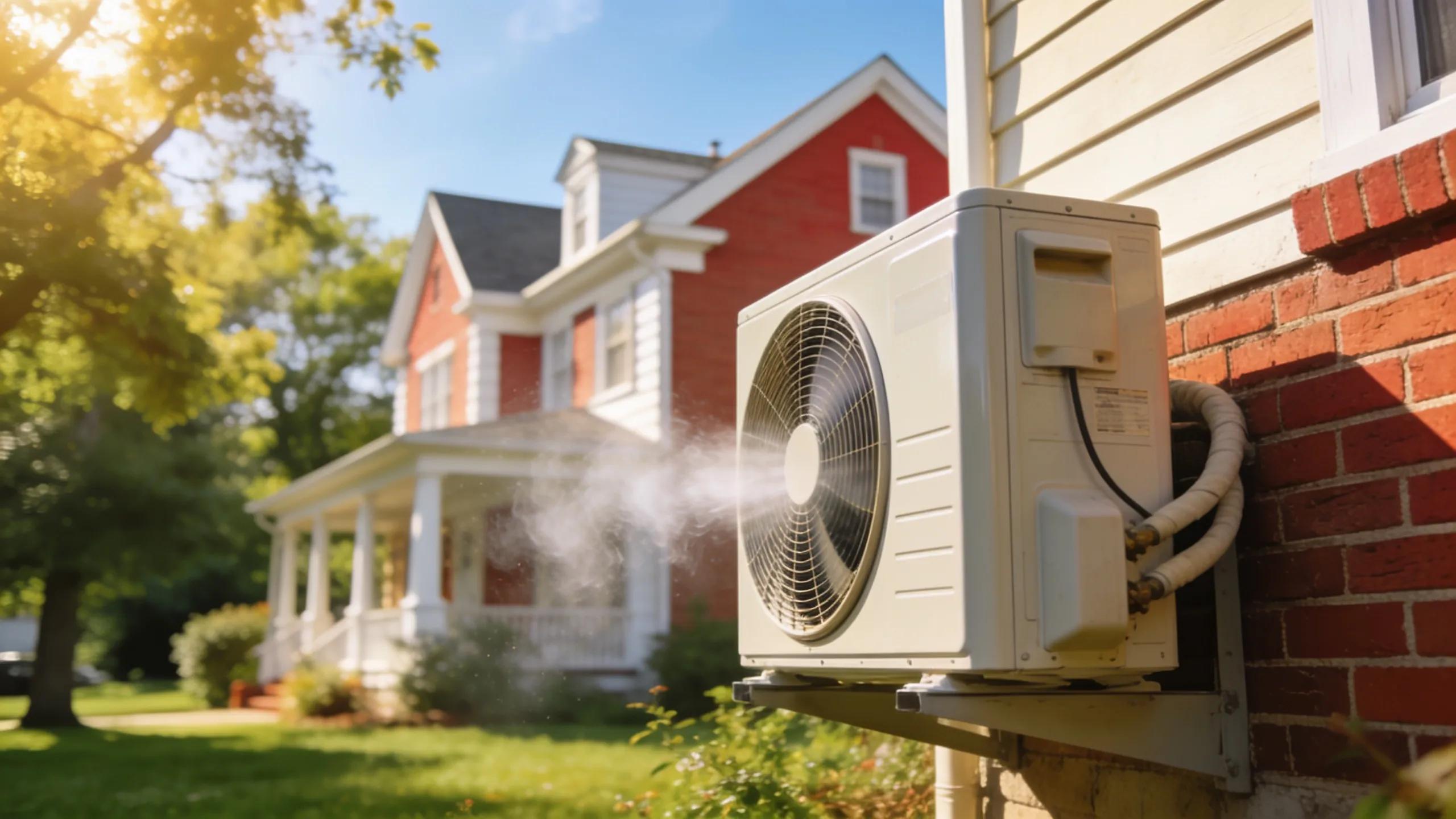
If your AC keeps turning on and off, you’re not alone. This issue, called short cycling, causes uneven comfort and higher energy bills. Knowing what causes it helps you protect your system and keep your home comfortable through the warmer months. Here we explain what short cycling is, the signs to watch for, and simple steps to find and fix the cause. We also cover long-term fixes that stop short cycling, which matters in Morris County where temperatures can swing.
Key Takeaways
- AC short cycling causes frequent on/off cycles, reducing comfort and increasing energy costs in Morris County homes.
- Common signs of short cycling include rapid cycling, inconsistent cooling, and increased mechanical wear on the system.
- Short cycling accelerates compressor wear, shortens AC lifespan, and leads to higher electricity bills.
- Oversized units, dirty filters, thermostat faults, low refrigerant, frozen coils, and electrical issues commonly cause short cycling.
- Dirty air filters and refrigerant leaks restrict airflow and pressure, triggering premature AC shutdowns.
- Electrical problems and thermostat malfunctions cause repeated AC shutoffs by misreading temperatures or disrupting power supply.
- In New Jersey, oversized AC units combined with high humidity worsen short cycling and reduce dehumidification effectiveness.
- Diagnosing short cycling involves checking thermostat settings, inspecting air filters, and monitoring refrigerant levels for leaks.
- Properly sized units, zoning systems, and regular HVAC maintenance help prevent short cycling and extend system life.
What Is AC Short Cycling and How Does It Affect Your Home?
Short cycling happens when your AC starts and stops too often, sometimes every few minutes. A normal cooling cycle usually runs 15 to 20 minutes. When cycles stop early the compressor works harder, which raises energy use and wears parts faster. Over time, frequent short cycling can shorten your air conditioner’s life and lead to costly AC repair or replacement.
What Are the Signs of AC Short Cycling I Should Watch For?
Spotting short cycling early can save you money and hassle. Watch for these signs:
- Frequent On/Off Cycling: If your air conditioner starts and stops every few minutes, it’s a clear sign of short cycling.
- Inconsistent Cooling: You might notice that some areas of your home feel warmer or cooler than others, indicating that the system is unable to maintain a steady temperature.
- Increased Wear and Tear: Short cycling puts extra stress on the compressor and other parts, leading to signs of mechanical wear over time.
Noticing these symptoms early helps you find the real problem and fix it before it gets worse.
How Does Short Cycling Damage Your Air Conditioner Over Time?
When the compressor keeps starting and stopping, parts heat up and wear out faster. The system loses efficiency and uses more power. That raises bills and increases the chance of a breakdown.
- Accelerated Compressor Wear: The compressor has to work harder, which can lead to overheating and malfunction.
- Shortened Lifespan of the System: Frequent cycling can significantly reduce the overall lifespan of your air conditioning unit, necessitating early replacement.
- Higher Electricity Bills: Since the compressor runs less efficiently during short cycles, homeowners will notice an increase in their energy costs.
Seeing these effects shows why you should fix short cycling quickly.
What Common Issues Cause Your AC to Turn On and Off Quickly?
Many things can cause short cycling. Finding the right cause points to the right fix.
- Oversized AC Units: When an air conditioning system is too large for the space it is meant to cool, it will cool the area too quickly and turn off before completing its cycle.
- Dirty Air Filters: Clogged filters restrict airflow, leading the unit to overheat and shut off prematurely.
- Thermostat Issues: A malfunctioning thermostat can misread the temperature, causing the AC to turn off before the space is adequately cooled.
- Low Refrigerant: If the refrigerant level is low, the system may shut down on a low-pressure safety switch.
- Frozen Evaporator Coil: A frozen coil can cause the system to shut off, thaw, and restart within the cycle.
- Electrical Problems: Issues such as a failing capacitor or faulty thermostat wiring can lead to repeated shutoffs.
Fixing those issues improves how your system runs. For steady performance, schedule regular air conditioning service.
Can a Dirty Air Filter or Refrigerant Leak Lead to Short Cycling?
Yes. A dirty filter blocks airflow and makes the unit work harder. The system can overheat and shut off early. Low refrigerant lowers system pressure, and the compressor may stop to protect itself. From our experience, dirty filters and leaks are common causes of short cycling.
How Do Electrical Problems or Thermostat Faults Cause Repeated AC Shutoffs?
Electrical issues change how the AC gets power and signals. A bad thermostat can read the wrong temperature and cut the system off. Wiring faults or failing parts can interrupt power and cause unexpected shutdowns. Finding and fixing these electrical problems brings back reliable operation.
Why Oversized AC Units and Humidity Make Short Cycling Worse in New Jersey
In New Jersey, high humidity plus an oversized unit makes short cycling worse. A big unit cools the air fast but doesn’t run long enough to remove moisture. That leads to more cycles and a humid, uncomfortable home.
How Does an Oversized Air Conditioner Cause Frequent Cycling?
An oversized air conditioner cools the space too quickly and often shuts off before it removes humidity. That causes repeated starts and stops and uneven temperatures. Choose the right size for your home. Proper AC installation helps avoid these problems.
What Role Does New Jersey’s Humidity Play in AC Short Cycling?
High humidity makes the air feel warmer, so you may set the thermostat lower. If the AC doesn’t run long enough to remove moisture, it can short cycle often. Keep thermostat settings reasonable and use a properly sized unit to help control humidity.
How Can You Diagnose and Fix AC Short Cycling?
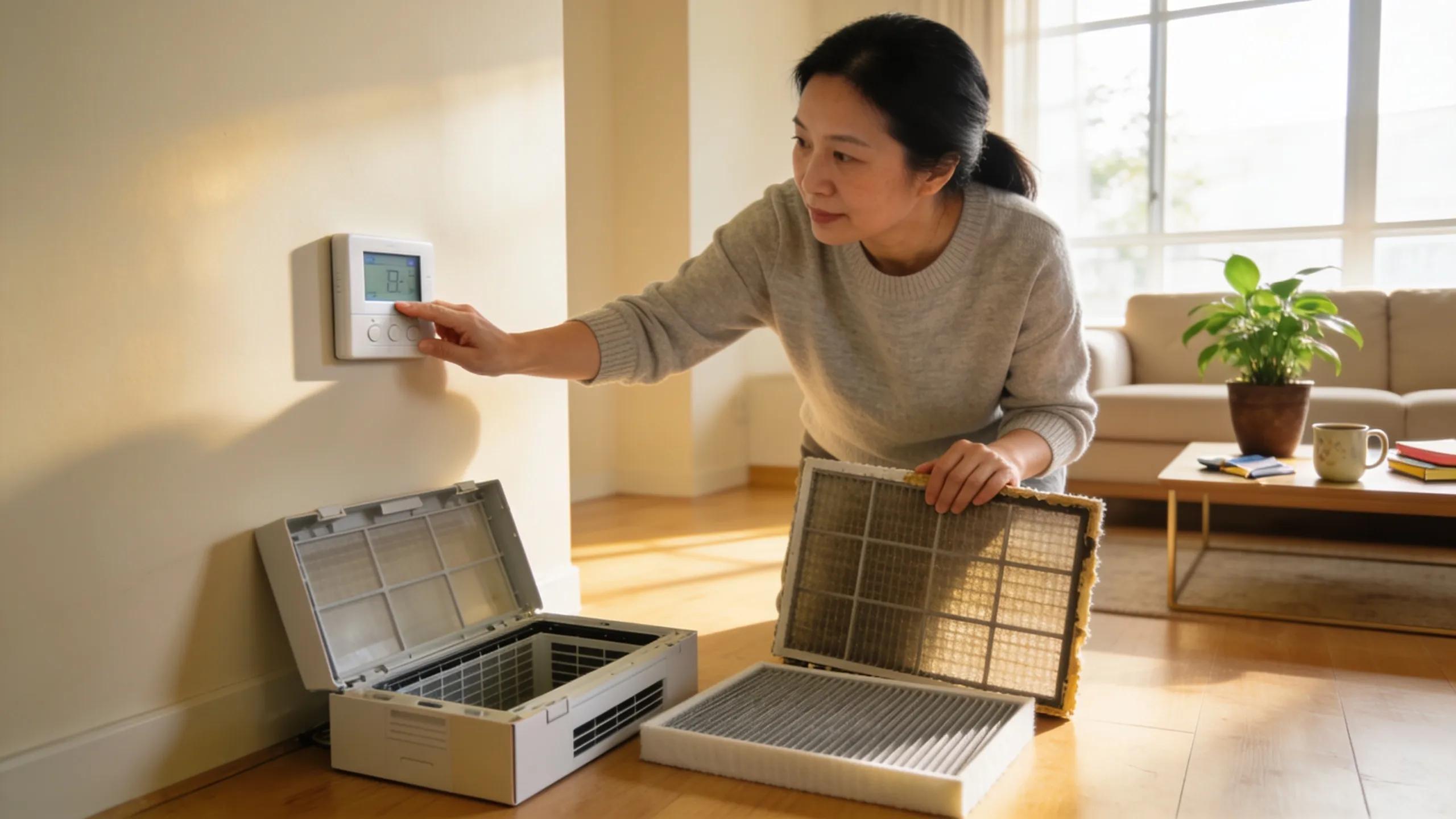
Check a few parts to find what’s causing short cycling. From our experience, these steps catch most simple problems:
- Check Thermostat Settings: Ensure that the thermostat is set correctly and functioning accurately.
- Inspect Air Filters for Dirt: Regularly replace or clean air filters to maintain optimal airflow.
- Monitor for Leakage: Inspect your refrigerant levels to confirm there are no leaks that could hinder performance.
Doing these checks often fixes the common causes and helps your AC run smoothly.
What Simple Home Checks Can Identify Short Cycling Problems Early?
You can do simple checks at home to spot short cycling:
- Inspecting the Thermostat: Confirm the thermostat functions correctly and is set to the desired temperature.
- Changing Air Filters: Regularly replacing or cleaning your air filters can prevent airflow restrictions.
- Observing AC Behavior: Monitoring how frequently the AC turns on and off can indicate underlying issues that need addressing.
These quick checks help spot issues early so you stay comfortable and avoid bigger repairs.
When Should You Call Professionals for AC Repair or Replacement?
If simple checks don’t fix the problem, call a professional for a full diagnosis. Watch for these signs:
- Frequent Repairs: If you’ve found yourself calling for repairs multiple times in a short span, it may indicate that replacing the unit is more cost-effective.
- Old Age of System: Older systems often demonstrate inefficiency and are more prone to short cycling due to wear and tear.
A qualified technician can give a clear diagnosis and recommend the right repair or replacement. That helps the system run longer and reduces future repair needs.
What Long-Term Solutions Prevent Your AC from Constantly Turning On and Off?
Long-term fixes cut the chance of short cycling. Make sure the unit is the right size for your home and consider zoning to control temperatures in different areas.
How Do Properly Sized Installations and Zoning Systems Help Avoid Short Cycling?
Right-sized systems run longer and steadier, which lowers short cycling. Zoning sends cooling where it’s needed and evens temperatures across the house. For advanced control, explore ductless HVAC or VRF systems.
Can Regular Maintenance and HVAC Upgrades Save Energy and Extend System Life?
Regular maintenance keeps small problems from becoming costly ones. Tune-ups find worn parts, leaks, and dirty coils early. Upgrading to a more energy-smart unit can lower bills and extend lifespan. Set a routine service schedule to protect your system.
Where Can Morris County Homeowners Get Trusted AC Repair and Assistance?
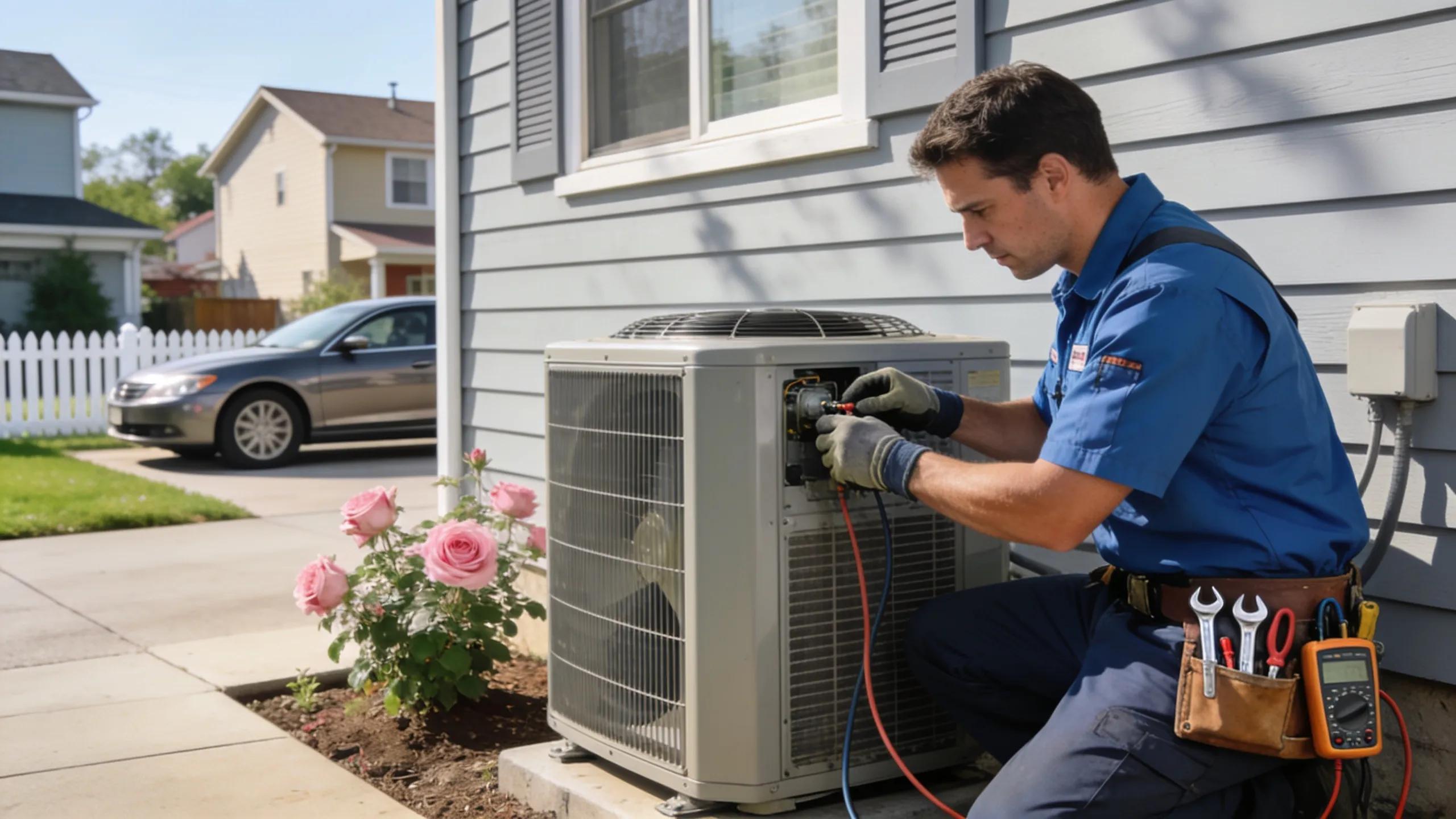
When short cycling happens, find a local service that fixes the root cause. Morris County homeowners can rely on local HVAC pros for prompt help and practical recommendations.
What Makes Perfection Contracting the Reliable Choice for AC Short Cycling Repairs?
Perfection Contracting focuses on fast, accurate diagnosis for short cycling issues. With local experience, they know how systems perform here and can recommend lasting fixes based on what they see in the field.
How to Schedule a Professional Assessment for Your Air Conditioning System in Morris County?
To schedule an assessment, call Perfection Contracting at 973-579-0182. Book an inspection as soon as you notice short cycling so repairs can start quickly.
Frequently Asked Questions
1. What are the potential health impacts of running an air conditioner that short cycles?
Short cycling can reduce how well your AC filters and circulates air. When the unit doesn’t run long enough, dust and allergens can build up indoors. That can make asthma or allergies worse. Poor dehumidification may also let mold grow. Regular checks and good operation lower these health risks.
2. Can I prevent AC short cycling through regular maintenance?
Yes. Regular maintenance is one of the best ways to prevent short cycling. Change filters, clean coils, and have a technician inspect the system. These steps catch issues early and keep your AC working as it should. Aim for a yearly professional check.
3. How does humidity specifically affect AC performance?
Humidity makes the AC work harder to cool the air. High humidity can cause the unit to cycle quickly without finishing a full cooling run. That leaves the house feeling sticky and wastes energy. Right sizing and dehumidifiers can help manage moisture.
4. What should I do if I suspect my AC unit is oversized?
If you think the unit is oversized, compare its capacity to your home’s square footage and insulation. An HVAC pro can assess sizing and suggest fixes like system adjustments, zoning, or replacing the unit with a better match for your home.
5. When is the best time to schedule AC maintenance?
Spring is the best time for AC maintenance, before the cooling season starts. A spring check makes sure the system is ready for summer demand. If you notice problems at any time, call for service right away.
6. How can zoning systems help mitigate short cycling?
Zoning lets you cool different areas separately, which prevents the whole system from shutting off too soon. With dampers and multiple thermostats, you get steadier temperatures and less wear on the AC.
7. What role do electrical components play in AC performance?
Electrical parts like the thermostat, capacitors, and wiring control how the AC runs. Failures in these components can cause erratic cycling or loss of cooling. Have a qualified technician fix electrical faults and include electrical checks in routine service.
Conclusion
Knowing the causes and signs of short cycling helps you keep your home comfortable and reduce energy costs. Regular maintenance and timely repairs can extend your AC’s life and cut repair bills. To learn more about our HVAC services, contact us today.
Related Services
- Cooling Services
- Air Conditioning Repair
- Air Conditioning Installation
- Air Conditioning Maintenance Service
Keep Reading
- Uneven Cooling in Your Home? What Causes Hot and Cold Spots
- Same-Day AC Repair: How the Process Works
Browse all HVAC tips and guides.
Need a technician? Perfection Contracting serves homeowners across Sussex County, NJ and the surrounding North Jersey service area.