
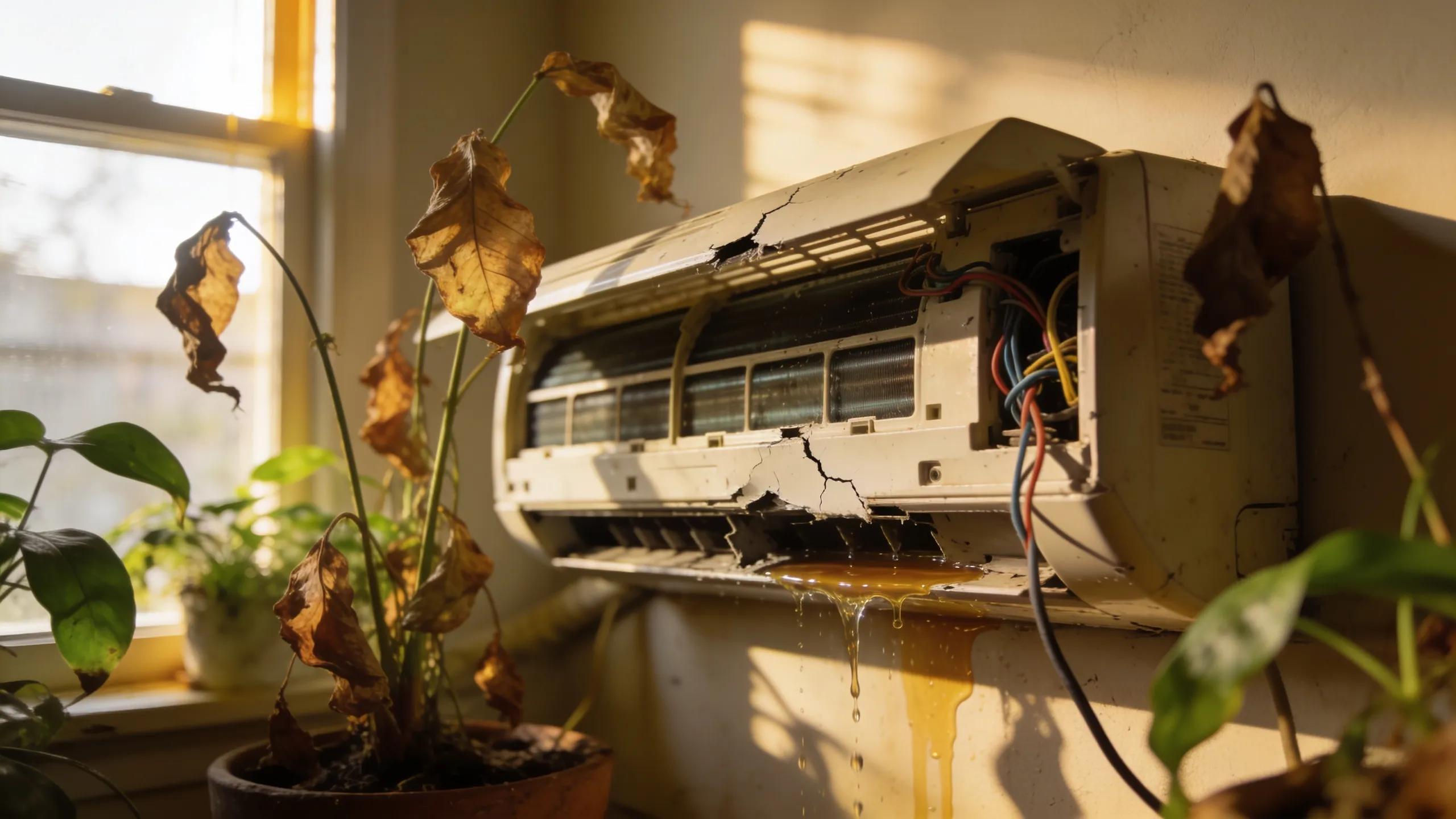
A sudden AC failure is stressful, especially on a hot day. Knowing a few practical steps you can take right away helps keep your home safer and more comfortable while you wait. This guide walks homeowners through immediate actions, heat-safety tips, how to talk with your technician, and common mistakes to avoid. If you need help right away, consider an emergency AC repair service . Follow these steps and you’ll lessen the hassle until a pro arrives.
Quick checklist
- Turn off the AC at the thermostat immediately to stop the system from running under fault conditions.
- Check and reset the circuit breaker once; do not keep resetting it if it trips again.
- Inspect the air filter and replace or clean it if it’s clogged to restore airflow.
- Keep blinds and curtains closed to cut down on solar heat gain.
- Use ceiling fans on the counterclockwise setting to improve the feel of cool air.
- Avoid running heat-producing appliances like ovens and dryers while the AC is out.
- Describe the symptoms and any past issues to your technician—clear detail speeds diagnosis.
- Don’t try DIY repairs, add refrigerant, or tamper with the outdoor unit—these can be unsafe.
- Watch for heat risk in older adults and children; seek a cooling center if needed.
Immediate Steps After AC Failure
Acting quickly can stop further damage and keep everyone safe.
- Turn Off the System at the Thermostat : Prevent the unit from running under faulty conditions by switching it off at the thermostat.
- Check the Circuit Breaker : A tripped breaker is a common cause. Reset it once; if it trips again, leave it off and wait for the technician to avoid electrical risk.
- Inspect the Air Filter : A clogged filter can choke airflow and shut the system down. Replace or clean the filter so air can move freely.
- Check Thermostat Batteries : If the thermostat is blank or unresponsive, new batteries can sometimes restore function.
If you need prompt help, Perfection Contracting offers emergency air conditioning repair in Morris County, NJ, to get your system back to normal as quickly as possible.
Keeping Your Home Cool While You Wait
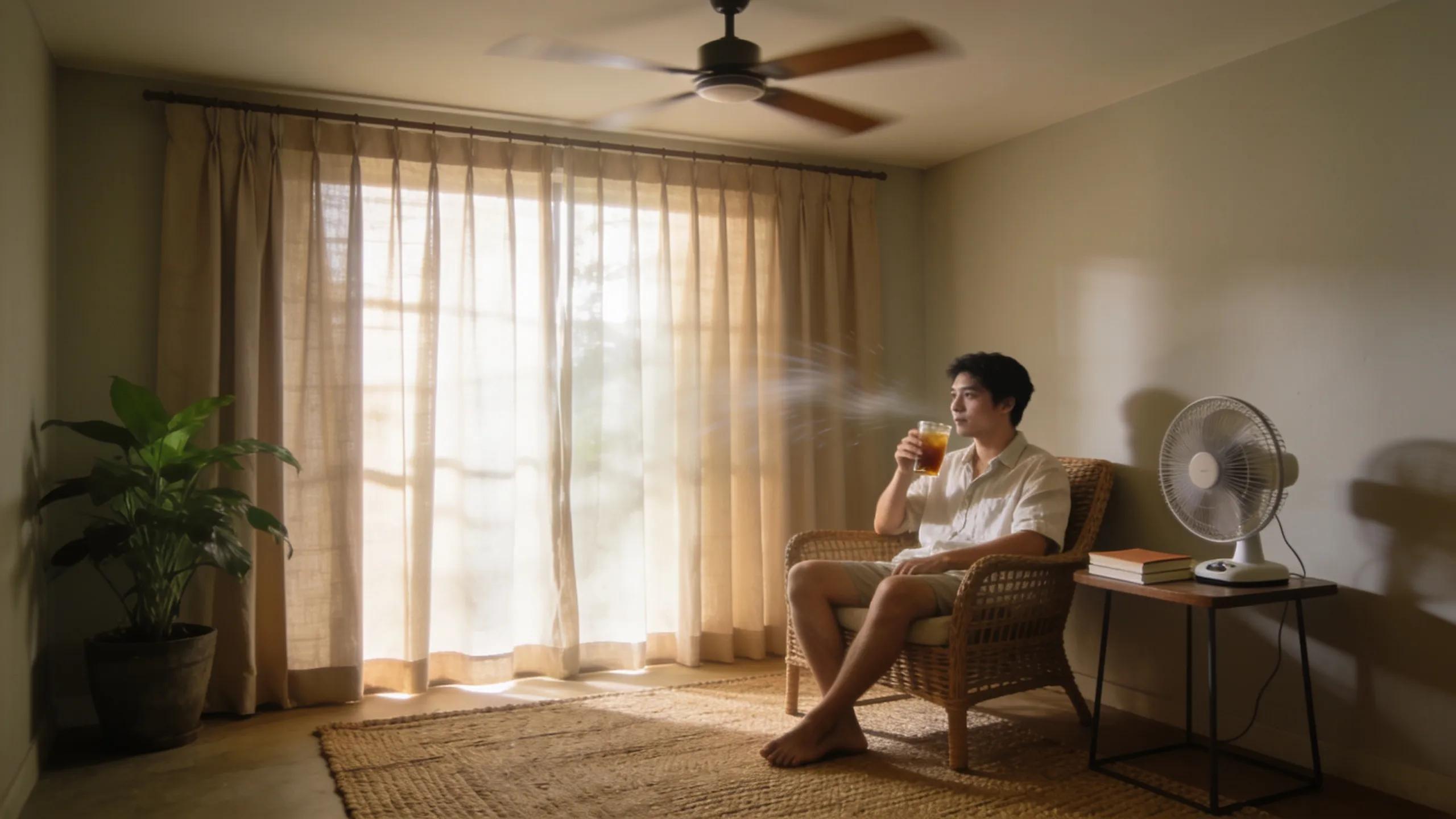
While you wait for a technician, these practical steps will help make your home more bearable:
- Close Blinds and Curtains : Blocking direct sun—especially on south- and west-facing windows—keeps indoor temperatures lower.
- Use Ceiling Fans : Fans don’t lower air temperature but they move air to create a cooling breeze. Set fans to turn counterclockwise.
- Limit Appliance Use : Ovens, dryers, and dishwashers add heat. Put off heavy appliance use until the AC is repaired.
- Identify the Coolest Room : Lower floors or north-facing rooms tend to stay cooler—use them as a temporary refuge.
These simple steps will help until repairs are finished. For long-term care of your system, consider scheduled air conditioning service to keep your unit running reliably year-round.
Heat Safety — Who Is Most Vulnerable
Some people face higher risk during extreme heat. Know who to watch and what signs to look for.
- Elderly Residents and Young Children : Older adults and small children lose heat tolerance faster and can develop heat-related illness more quickly.
- Signs of Heat Exhaustion : Heavy sweating, weakness, nausea, dizziness, or fainting require immediate cooling and hydration—seek medical help if symptoms worsen.
- Cooling Centers : In Morris County, public libraries and community centers often open as cooling centers during heat events.
For targeted temperature control in specific rooms, you might explore ductless HVAC systems as an option.
What to Tell the Technician When They Arrive?
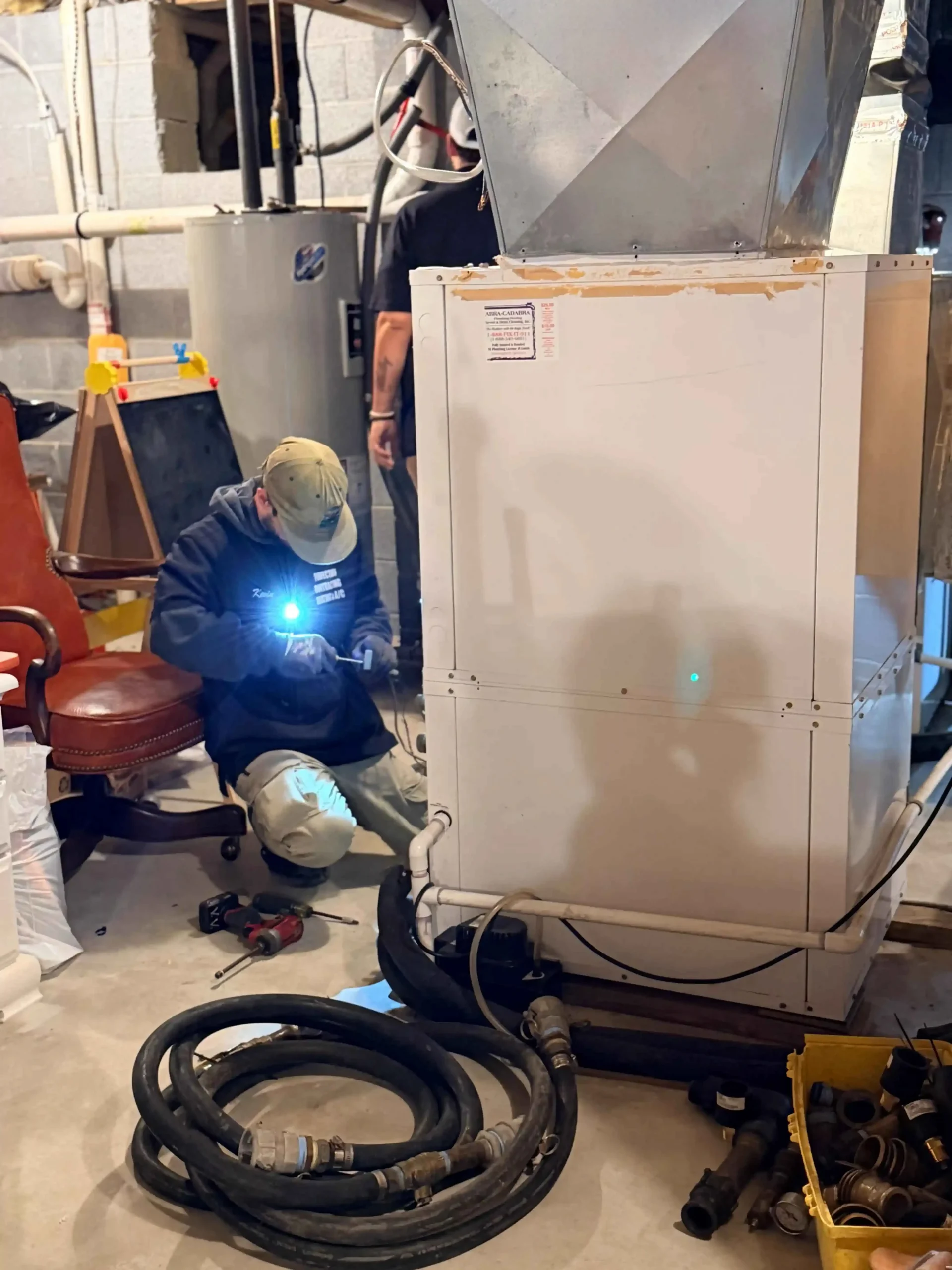
Clear, specific information helps the technician find the problem faster. Share these details:
- Describe the Problem Accurately : Explain exactly what happened and when the unit stopped working.
- Mention Any Previous Issues : Tell the technician about recurring issues or repairs that happened before this failure.
- Provide Details About Unusual Sounds or Smells : Noises or odd odors can point to specific failures—describe them as best you can.
- Note Recent System Performance : If the system has been working harder than usual or cycling more, mention that as well.
Sharing these details improves the technician’s ability to diagnose and repair the system efficiently.
What NOT to Do?
Avoid these actions before a professional arrives to reduce danger and prevent added damage.
- Don’t Restart Tripping Systems : Repeatedly resetting a breaker that keeps tripping risks electrical fire or further damage.
- Don’t Attempt Self-Repair : Opening the unit or trying technical fixes without training can worsen problems and void warranties.
- Don’t Add Refrigerant : Only certified technicians should handle refrigerant—unauthorized additions can be illegal and unsafe.
- Don’t Open the Outdoor Unit : Tampering with the condenser or controls can be dangerous and may cause additional damage.
Following these guidelines helps keep your household safe and prevents further harm to the system. For major replacements or upgrades, air conditioning installation from a professional makes sure your home gets a reliable, properly sized system.
Frequently Asked Questions
What should I do if my air conditioning system makes strange noises?
Strange sounds—like grinding, squealing, or banging—often mean mechanical trouble. Turn the system off to avoid further damage and tell the technician exactly what you heard; that information often points to the source.
Is it safe to use my air conditioning if it’s emitting a bad smell?
No. Foul or burning smells can signal electrical issues, burned wiring, or mold. Shut the system off and contact a technician right away to investigate.
How long does emergency AC repair typically take?
Repair time varies. Simple fixes may take an hour or two; more complex problems or required parts can extend the job to several hours or longer. Your technician can give a better estimate after assessing the issue.
What is the average cost of emergency AC repair?
Costs depend on the problem, parts, and local labor rates. Emergency calls often range from $100 to $700. Ask for an estimate and check for extra fees for nights, weekends, or holidays.
Are there preventative measures to reduce AC breakdowns?
Regular maintenance helps prevent most breakdowns. Change filters, schedule annual professional checks, and keep the outdoor unit clear of debris. These steps help extend equipment life and reduce repair visits.
Can I perform routine maintenance on my AC unit?
Yes—simple tasks like replacing or cleaning filters, clearing debris around the outdoor unit, and checking thermostat settings are fine for homeowners. More complex work, such as coil cleaning or refrigerant checks, should be done by professionals.
Final thoughts
Acting quickly and following these steps keeps your household safer and makes repairs easier. Regular upkeep reduces the chance of emergency breakdowns and helps your system last longer. If you need immediate help, don’t hesitate to explore our emergency AC repair services today.
Related Services
- Cooling Services
- Air Conditioning Repair
- Air Conditioning Installation
- Air Conditioning Maintenance Service
- Ductless Mini-Splits
Keep Reading
Browse all HVAC tips and guides.
Need a technician? Perfection Contracting serves homeowners across Sussex County, NJ and the surrounding North Jersey service area.