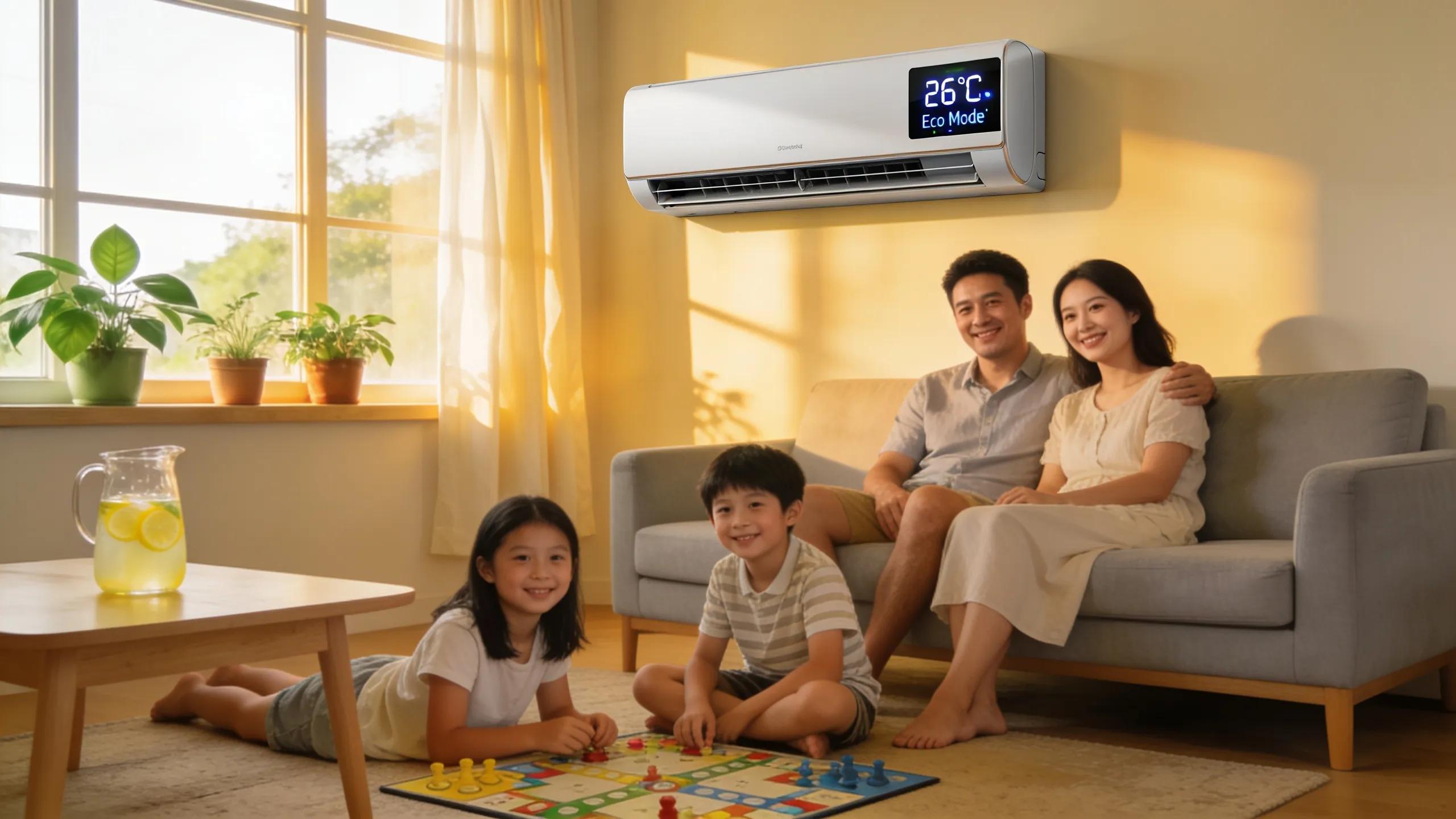
Running the AC all day can push your electric bill up during a hot New Jersey summer. From our experience, knowing how much power your unit uses and what affects that use helps you balance comfort and cost.
This article explains what running the AC all day really costs, which factors change those costs, and simple steps to lower energy use while staying comfortable.
Key Takeaways
- Running an air conditioner all day can consume between 36 to 84 kWh, increasing electricity costs significantly.
- AC energy consumption depends on unit size, SEER rating, and home insulation quality.
- Continuous AC operation often results from low refrigerant, poor airflow, or high indoor humidity.
- Regular maintenance, including filter changes and professional inspections, reduces energy use and prevents overworking.
- Setting thermostats around 75°F and using smart thermostats help balance comfort and energy savings.
- Ductless and VRF systems offer zoned cooling with higher energy savings compared to traditional central AC units.
- Frequent repairs on old AC units may justify replacement with newer, energy-efficient models for long-term savings.
- Homeowner practices like sealing ducts and clearing debris improve airflow and reduce unnecessary energy consumption.
- Professional HVAC services provide expert troubleshooting and extend AC lifespan, lowering overall energy expenses.
How Much Electricity Does an Air Conditioner Use When Running All Day?
Most air conditioners use about 1,500 to 3,500 watts, or 1.5 to 3.5 kW each hour. Over 24 hours that equals roughly 36 to 84 kWh. That amount can add up on your bill depending on local electricity rates. Knowing your unit’s hourly use helps you estimate the true cost during long hot stretches.
What Factors Affect AC Energy Consumption?
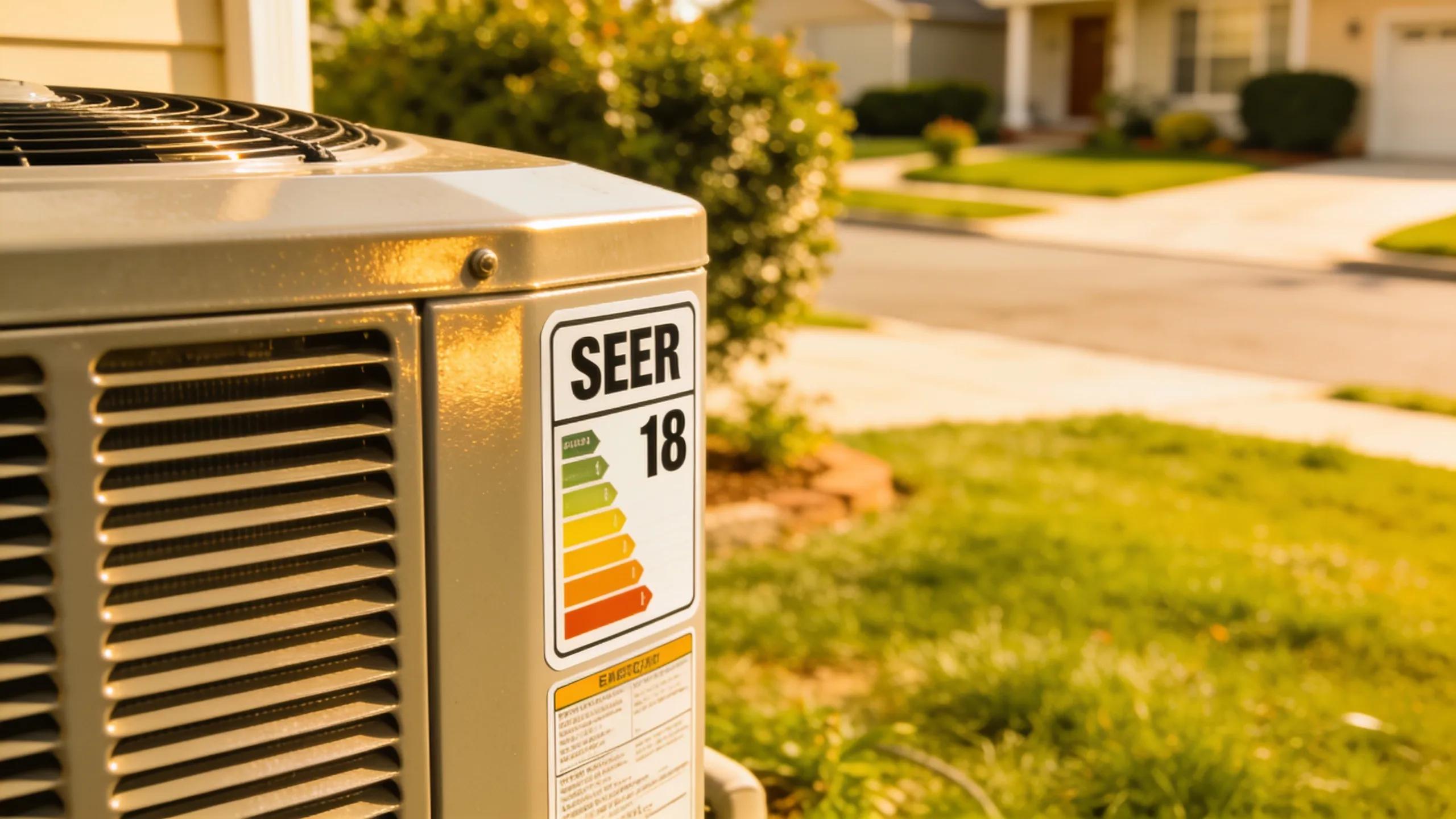
A few main things decide how much power your AC uses: the unit size, its energy rating, and how well your home holds cool air.
- Sizing Issues: If the AC unit is too small for the space, it will run longer to cool the area effectively, leading to increased energy use.
- Efficiency Ratings: Higher Seasonal Energy Efficiency Ratio (SEER) ratings indicate better efficiency, meaning units can cool spaces using less energy.
- Ductwork Conditions: Properly sealed and insulated ductwork enhances airflow and reduces energy loss, contributing to lower energy costs.
Knowing these factors helps you spot potential savings. For help with upkeep and repairs, consider air conditioning service.
Why Does My AC Run Constantly and How Does That Affect My Energy Bill?
If your AC runs all the time, your bill will climb. Many issues can cause constant running, and fixing them reduces energy use.
Common Reasons for Continuous AC Operation
Here are common causes we see that make AC’s run nonstop:
- Refrigerant Levels: Low refrigerant levels can reduce cooling efficiency, prompting the system to work harder.
- Airflow Issues: Clogged filters or obstructed ducts can limit airflow, causing the system to operate longer than necessary.
- Humidity Levels: High indoor humidity can compel the AC to run constantly to maintain comfortable conditions, further increasing energy use.
Doing basic checks and repairs can often fix these problems before they raise your bills.
How Regular Maintenance Can Prevent Overworking Your Unit?
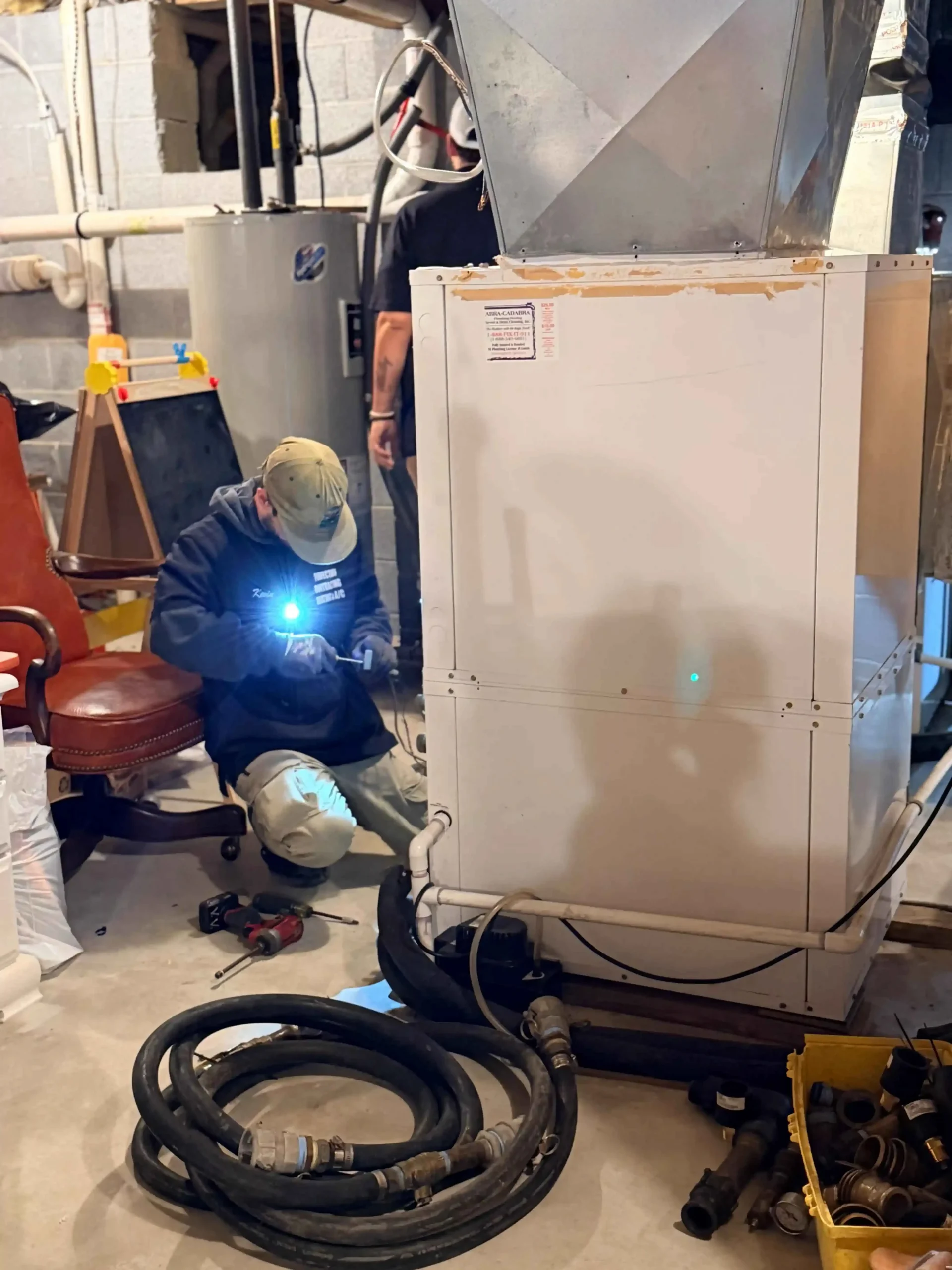
Regular maintenance keeps your AC running well and helps it use less energy.
- Routine Check-Ups: Scheduling regular professional inspections can help identify potential issues before they lead to increased energy use.
- Changing Filters: Regularly replacing dirty filters can improve airflow, allowing the unit to cool the home efficiently.
- Professional Inspections: Engaging with professional HVAC services ensures that the system operates efficiently, contributing to reduced energy consumption and costs.
From our experience, routine upkeep pays off over time. If your unit needs repairs often, look into air conditioning repair.
How Can I Reduce My Air Conditioning Energy Bills Without Sacrificing Comfort?
You can lower cooling costs without losing comfort. Use a few practical steps that cut waste and keep your home comfortable.
Thermostat Settings and Smart Use Tips to Lower Costs
Set the thermostat smartly to control energy use:
- Set at Optimal Temperatures: Keeping thermostats at a moderate temperature, generally around 75°F, can balance comfort and efficiency.
- Smart Technology: Utilizing programmable or smart thermostats allows for temperature adjustments based on occupancy, optimizing energy usage during non-peak times.
- Temperature Adjustments: Small incremental changes to the thermostat can lead to considerable savings on energy bills without significant impacts on comfort.
Use these thermostat tips to run your AC more efficiently and still feel comfortable.
Benefits of Ductless HVAC and VRF Systems for Zoned Cooling
Ductless and VRF systems are a good option if you want more control and lower energy use.
- Energy Efficiency: Ductless units and VRF systems typically provide higher energy efficiency compared to traditional central air systems, reducing overall energy consumption.
- Zoned Cooling: These systems allow for zoning, enabling different areas of the home to be cooled to different temperatures based on need, further enhancing energy savings.
- Installation Flexibility: The absence of extensive ductwork means installation is often easier, reducing labor costs and allowing for quick upgrades to existing systems.
These systems can cut cooling costs over time. Learn more about options like ductless HVAC.
What Are the Cost Differences Between Repairing and Replacing an Old AC Unit?
Many homeowners wonder whether to repair or replace an old AC. Comparing short-term repair costs with long-term savings helps you choose the best path.
Evaluating Maintenance Costs Versus Long-Term Savings
When weighing repair versus replacement, look at these points:
- Frequency of Maintenance: A unit requiring frequent repairs can indicate inefficient performance, suggesting that replacement might be the more cost-effective option.
- Long-Term Savings: Newer, energy-efficient systems can lead to monthly savings on energy bills that offset initial investment costs over time.
- Replacement Timing: Recognizing when to upgrade is essential, particularly when repair costs approach or exceed replacement costs.
Compare how often you repair the unit versus what a new system would save you each month. That comparison makes the choice clearer.
When Is It Time to Upgrade to Energy-Efficient Systems Like Geothermal or VRF?
Knowing when to upgrade helps keep your home comfortable and your costs down.
- Signs Indicating Replacement Need: If your unit is over 10-15 years old and experiencing frequent issues, it may be time to consider an upgrade.
- Cost Analysis of Upgrading Systems: While new systems may require significant initial investment, the energy savings and performance improvements often result in advantageous long-term financial outcomes.
- Benefits of New Technology: Modern systems, such as geothermal and VRF, use innovative technologies that offer significant energy efficiency compared to older models.
Upgrading to newer technology can save energy and money over time. Read more about options like VRF systems.
What Maintenance Steps Help Keep ACs Running Efficiently All Day?
A regular maintenance routine helps your AC last longer and use less power.
Simple Homeowner Tips to Prevent Constant Running
You can do simple things at home to keep your system from running nonstop:
- Scheduled Maintenance Reminders: Keeping a schedule for regular check-ups ensures the system remains in good working condition.
- Maintaining Good Airflow: Ensuring both indoor and outdoor units are clear of debris helps improve efficiency and airflow.
- Checking and Sealing Ductwork: Inspecting ducts for leaks and sealing them can minimize energy losses, ensuring more efficient cooling.
Do these basic tasks to keep your AC working well and avoid extra energy use.
Professional HVAC Service Benefits for Energy Savings
Calling a professional brings added benefits that homeowners often miss.
- Expertise in Troubleshooting: Trained technicians can identify and rectify issues that homeowners might overlook, preventing unnecessary energy usage.
- Access to Better Tools: Professionals have access to specialized equipment that can optimize system performance.
- Long-Term Cost Savings: Professional maintenance can extend the lifespan of air conditioning units, saving homeowners from costly premature replacements.
Hiring a pro can lower your bills and extend your AC’s life.
How Much Does It Cost to Run the AC All Day in NJ?
To estimate the cost, multiply the unit’s hourly use by your local rate. For example, if a unit uses 3 kWh and the rate is $0.13 per kWh, the daily cost is about $3.12. That adds up if the AC runs nonstop through the month.
Does Running AC Constantly Really Raise My Electricity Bill?
Yes. Running your AC nonstop increases your electric bill. The total depends on the unit’s efficiency, your local rate, and how many hours it runs. Knowing those numbers helps you cut needless spending.
Frequently Asked Questions
1. What is the average lifespan of an air conditioning unit?
Most air conditioners last about 10 to 15 years with regular care. How you use the unit and how often you repair it affect lifespan. If it drops in performance or needs frequent fixes, consider replacing it to save on bills.
2. How can I tell if my air conditioner is energy efficient?
Check the SEER rating: higher numbers mean better efficiency, and ratings above 14 are a good sign. Look at your energy bills too—steady or lower bills suggest the system is working well. A professional check can confirm how the unit performs.
3. What are the benefits of upgrading to a smart thermostat?
Smart thermostats learn your schedule, adjust temps when you’re away, and let you change settings from your phone. That saves energy and keeps comfort without you having to think about it.
4. Is it beneficial to seal ductwork for energy efficiency?
Yes. Leaky ducts let cooled air escape and make the system work harder. Sealing and insulating ducts reduces losses, lowers bills, and keeps your home more comfortable.
5. How does humidity affect my air conditioning system?
High indoor humidity makes the AC run longer to reach comfort levels, which raises energy use and can cause discomfort or mold. Use a dehumidifier or improve ventilation to reduce the load on your AC.
6. Are energy-efficient air conditioning systems more expensive to install?
They often cost more up front because of better components. Over time, lower energy bills usually make up the difference. Look for rebates that can cut the initial cost.
7. How can I prepare my AC for summer usage?
Start by changing or cleaning filters, clearing debris from the outdoor unit, scheduling a professional tune-up, and checking ducts for leaks. These steps help your AC run well when the heat hits.
Conclusion
Knowing what running your AC all day costs helps you balance comfort and bills. Focus on regular upkeep, the right thermostat settings, and fixing airflow issues to cut energy use over time. Talk with a professional HVAC service to make sure your system runs reliably through the summer months.
Related Services
- Cooling Services
- Air Conditioning Repair
- Air Conditioning Installation
- Air Conditioning Maintenance Service
Keep Reading
Browse all HVAC tips and guides.
Need a technician? Perfection Contracting serves homeowners across Sussex County, NJ and the surrounding North Jersey service area.