
Complete Pricing Guide, Budget Planning, Repair vs. Replacement & Money-Saving Tips
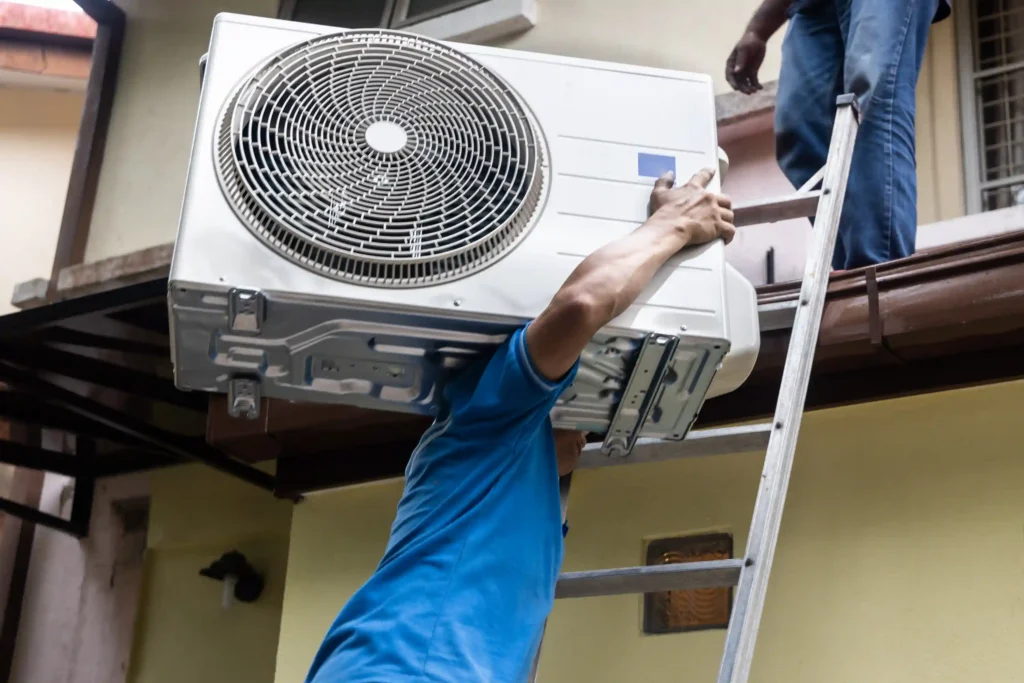
If you’ve recently received an estimate for a new air conditioner, you may have experienced a little sticker shock.
One contractor quotes $6,500. Another quotes $11,000. A third recommends replacing both your air conditioner and furnace for more than $15,000.
Naturally, the first question homeowners ask is:
“Why are these prices so different?”
It’s a fair question.
At Perfection Contracting, we’ve helped homeowners throughout New Jersey make informed HVAC decisions since 1975. One thing we’ve learned is that air conditioner replacement costs are rarely as simple as looking at a single number online.
The truth is that every home is different. The size of your home, the condition of your ductwork, your system’s efficiency rating, installation requirements, and even new refrigerant regulations can significantly affect pricing.
This guide breaks down everything New Jersey homeowners need to know about AC replacement costs in 2026, including what impacts pricing, when replacement makes sense, financing options, and practical ways to maximize your investment.
What Is the Average Cost to Replace an Air Conditioner in New Jersey?
Most homeowners in New Jersey can expect to spend between $5,500 and $15,000+ for a complete AC replacement.
However, that’s a broad range because many factors influence the final price.
Average Cost by System Type
System Type | Typical Cost Range |
|---|---|
Central Air Conditioner | $5,500 – $12,000 |
High-Efficiency Central AC | $8,000 – $15,000+ |
Heat Pump System | $7,000 – $16,000+ |
Ductless Mini-Split System | $4,000 – $12,000+ |
AC and Furnace Replacement | $9,000 – $18,000+ |
Key Takeaway
The cheapest option is not always the best value.
A properly sized, professionally installed system often saves homeowners thousands of dollars over its lifespan through lower energy bills, fewer repairs, and improved comfort.
Why Does One Homeowner Pay $6,000 While Another Pays $15,000?
This is one of the most common questions we hear.
Several major factors influence AC replacement costs.
Home Size
A larger home requires a larger system.
A 1,200-square-foot home may need a 2-ton system, while a 3,000-square-foot home could require a 5-ton unit.
Larger systems naturally cost more.
System Capacity
System size is measured in tons.
Choosing the wrong size can lead to:
- Higher energy bills
- Uneven cooling
- Excess humidity
- Premature equipment wear
This is why a professional load calculation is so important.
Efficiency Rating (SEER2)
Modern systems are rated using SEER2 efficiency standards.
Higher SEER2 ratings generally mean:
- Lower operating costs
- Better comfort
- Higher upfront investment
Many homeowners recover part of the additional cost through reduced utility bills over time.
Ductwork Condition
Many replacement projects reveal hidden duct issues.
Common problems include:
- Air leaks
- Poor insulation
- Damaged duct sections
- Improper sizing
Addressing these issues during installation often improves system performance dramatically.
Installation Complexity
Not every installation is straightforward.
Factors such as attic access, electrical upgrades, zoning systems, and equipment placement can affect labor costs.
AC Replacement Cost by Home Size
Although every home is unique, the following estimates provide a useful starting point.
Home Size | Typical System Size | Estimated Cost Range |
|---|---|---|
1,000–1,500 Sq Ft | 2 Ton | $5,500–$8,500 |
1,500–2,000 Sq Ft | 3 Ton | $6,500–$10,500 |
2,000–2,500 Sq Ft | 4 Ton | $8,000–$12,500 |
2,500–3,500 Sq Ft | 5 Ton | $10,000–$15,000+ |
Visual Element Recommendation
Add a “Home Size vs AC Cost” chart here.
AC Replacement Cost by System Type
Not every home needs the same type of cooling system.
Understanding your options can help you make a smarter decision.
Central Air Conditioning
The most common solution for homes with existing ductwork.
Pros
- Whole-home comfort
- Familiar technology
- Lower upfront cost than many alternatives
Cons
- Requires ductwork
- Energy loss through ducts
Heat Pumps
Heat pumps provide both heating and cooling.
Pros
- Year-round comfort
- High energy efficiency
- Eligible for various incentives
Cons
- Higher initial investment
Ductless Mini-Splits
Ideal for homes without ductwork or room additions.
Pros
- Excellent efficiency
- Zoned comfort
- Flexible installation
Cons
- Higher cost per indoor unit
The 2025–2026 Refrigerant Changes Every Homeowner Should Know
Many homeowners don’t realize the HVAC industry is undergoing major refrigerant changes.
Older refrigerants are being phased down in favor of more environmentally friendly alternatives.
This affects:
- Equipment availability
- Future repair costs
- Replacement decisions
If your system uses older refrigerants and develops a major leak, replacement may become a more practical long-term solution than repair.
Expert Insight
Many homeowners with aging systems are choosing replacement before major failures occur to avoid rising repair costs and future refrigerant-related challenges.
Hidden Costs Homeowners Often Forget to Budget For
Many online cost calculators don’t include these items.
Permit Fees
Municipal permit requirements vary throughout New Jersey.
Electrical Upgrades
Older homes sometimes require panel or wiring updates.
Thermostat Upgrades
Smart thermostats often improve comfort and efficiency.
Duct Repairs
Leaky ducts can waste a significant portion of conditioned air.
Indoor Air Quality Enhancements
Many homeowners choose to add:
- Air purifiers
- Humidifiers
- UV systems
- Advanced filtration
These upgrades can improve comfort and indoor air quality.
Repair or Replace? How to Make the Right Decision
Many homeowners ask us:
“Should I fix my current system or replace it?”
The answer depends on several factors.
The Age of the System
Most air conditioners last approximately 10–15 years when properly maintained.
As systems age:
- Repairs become more frequent
- Efficiency declines
- Replacement parts become harder to source
The Repair Cost
One commonly referenced guideline is the $5,000 Rule.
Multiply:
System Age × Repair Cost
If the number exceeds 5,000, replacement may be worth serious consideration.
Example
12-Year-Old AC × $600 Repair
= 7,200
This suggests replacement may deserve consideration.
When Repair Makes Sense?
- Newer systems
- Minor repairs
- Equipment still under warranty
When Replacement Makes Sense?
- Frequent breakdowns
- Rising utility bills
- Major component failures
- Aging equipment

7 Signs Your Air Conditioner May Be Nearing the End of Its Life
- Frequent Repairs
If you’re calling for service multiple times each year, costs can add up quickly.
- Rising Utility Bills
Declining efficiency often increases operating expenses.
- Uneven Cooling
Hot and cold spots throughout the home may indicate aging equipment.
- Excess Indoor Humidity
Older systems often struggle with humidity control.
- Strange Noises
Grinding, rattling, or buzzing sounds should never be ignored.
- Refrigerant Issues
Repeated refrigerant problems may signal larger concerns.
- Poor Airflow
Weak airflow often indicates system deterioration.
How Long Should an Air Conditioner Last in New Jersey?
Lifespan varies based on maintenance, usage, and installation quality.
System Type | Typical Lifespan |
|---|---|
Central Air Conditioner | 10–15 Years |
Heat Pump | 10–15 Years |
Ductless Mini-Split | 15–20 Years |
Routine maintenance can significantly extend equipment life.
Can a New Air Conditioner Lower Your Energy Bills?
In many cases, yes.
Older systems often operate far less efficiently than today’s equipment.
Modern systems can deliver:
- Better temperature control
- Improved humidity management
- Reduced energy consumption
Example
A homeowner upgrading from an older low-efficiency system to a modern high-efficiency model may see noticeable savings depending on usage patterns, utility rates, and system selection.
What Rebates and Incentives Are Available?
Homeowners should always explore available incentives before replacing an HVAC system.
Potential opportunities may include:
- Federal tax credits
- Utility rebates
- Manufacturer promotions
- Energy-efficiency incentives
Because programs change frequently, homeowners should verify current offerings when evaluating replacement options.
How to Finance an AC Replacement?
Many homeowners prefer financing rather than paying the full cost upfront.
Common options include:
Manufacturer Financing
Often includes promotional offers.
HVAC Financing Programs
Designed specifically for home comfort upgrades.
Home Equity Financing
May provide lower interest rates for qualified borrowers.
Personal Loans
Another option for homeowners seeking flexibility.
The best financing choice depends on individual financial circumstances.
Biggest Mistakes Homeowners Make When Replacing an AC
We’ve seen homeowners make costly mistakes that could have been avoided.
Choosing Based Solely on Price
The lowest bid isn’t always the best value.
Ignoring Ductwork Problems
New equipment cannot overcome major duct issues.
Skipping Load Calculations
Proper sizing matters.
Hiring Unlicensed Contractors
Poor installation often leads to expensive future problems.
Focusing Only on Equipment Brand
Installation quality often has a greater impact on long-term performance than brand selection alone.
How to Choose the Right HVAC Contractor in New Jersey?
Before signing any contract, ask:
- Are technicians certified and trained?
- Is the company licensed and insured?
- Will a load calculation be performed?
- Are permits included?
- What warranties are provided?
- Is financing available?
- How long has the company been serving the area?
A trustworthy contractor should answer these questions clearly and confidently.
Frequently Asked Questions
How much does AC replacement cost in New Jersey?
Most homeowners spend between $5,500 and $15,000+, depending on system type, efficiency, installation complexity, and home size.
Is replacing a 15-year-old AC worth it?
In many cases, replacement becomes more attractive as repair costs increase and efficiency declines.
Can I finance a new AC system?
Yes. Many contractors and manufacturers offer financing options.
How long does installation take?
Most residential installations can be completed within one day, though more complex projects may require additional time.
Should I replace my furnace at the same time?
It depends on the age and condition of the existing furnace. Many homeowners choose a matched system for maximum efficiency.
Final Thoughts
Replacing an air conditioner is a major investment.
But it’s also an opportunity to improve comfort, reduce energy costs, and gain peace of mind.
The key is understanding what drives pricing, evaluating your options carefully, and choosing a solution that fits both your home and budget.
At Perfection Contracting, we’ve been helping homeowners throughout Sussex, Warren, Morris, Passaic, Essex, and Bergen Counties make informed HVAC decisions since 1975.
Our experienced team understands that every home is different, which is why we focus on proper system design, honest recommendations, and quality workmanship that stands the test of time.
If you’re comparing repair versus replacement, exploring financing options, or simply trying to understand AC replacement costs in New Jersey, working with a trusted HVAC professional can help ensure you make the right investment for your home and family.
Related Services
- AC Replacement
- Cooling Services
- Air Conditioning Repair
- Air Conditioning Installation
- Air Conditioning Maintenance Service
Keep Reading
- Best HVAC Companies in Northern New Jersey (May 2026)
- AC Troubleshooting Guide: What to Check Before Calling for Repair
- Perfection Contracting vs A.J. Perri: The Ultimate 2026 Comparison (June 2026 Edition)
Browse all HVAC tips and guides.
Need a technician? Perfection Contracting serves homeowners across Sussex County, NJ and the surrounding North Jersey service area.