When your AC fails in summer, it becomes a serious hassle. From our experience, knowing common faults and simple fixes saves time, money, and stress. This guide shows what to check before you call for repair. From checking basic symptoms and simple diagnostics, you can make smarter choices about your HVAC system.
We cover the common AC problems Northern New Jersey homeowners face, simple troubleshooting steps, and preventive tasks. You’ll learn the signs that mean call a pro and when a DIY fix might be enough.
The sections that follow lay out diagnostics, preventive tasks, and clear signs for when to call a professional.
Key Takeaways
- Homeowners in New Jersey should perform basic AC troubleshooting before calling for professional repair services.
- Common AC problems include refrigerant leaks, compressor failures, and airflow restrictions caused by dirty filters or blocked ducts.
- Checking thermostat settings and circuit breakers are essential initial diagnostic steps for identifying AC issues.
- Regular preventive maintenance, such as changing filters and cleaning condenser units, extends AC system lifespan and reduces repair costs.
- Professional intervention is necessary when AC problems persist, produce unusual noises, or cause frequent cycling.
- Energy-efficient upgrades like smart thermostats and variable-speed compressors improve cooling performance and reduce energy consumption.
- Ductless and VRF systems offer zoned temperature control, quieter operation, and better energy savings compared to traditional units.
- Recognizing emergency signs such as smoke, refrigerant leaks, or complete system failure ensures timely and safe AC repairs.
- Scheduling annual professional maintenance before peak summer months helps maintain system reliability and efficiency in New Jersey’s climate.
AC Troubleshooting Guide for New Jersey Homeowners
Troubleshooting can seem hard, but knowing the process helps you manage issues. From our experience, being proactive cuts repair costs and helps systems last longer. Simple DIY checks can save money and keep your AC running through summer.
Start by checking your situation before you call. Listen for odd noises, notice unusual smells, and look for weak cooling. Often these checks point to easy fixes like a dirty filter or thermostat issue.
When you know common problems and their signs, you can tell what you can fix yourself and what needs a pro.
Common AC Issues
Spotting common AC problems helps homeowners. Typical issues are:
- Refrigerant Leaks: Low refrigerant levels may lead to poor cooling performance, and often signify a leak in the system.
- Compressor Issues: Problems with the compressor can hinder the entire cooling cycle. Symptoms include loud noises during operation or the system continuously running without effectively cooling.
- Airflow Restrictions: Blocked ducts or dirty filters can significantly impact airflow, compromising the system’s efficiency.
They show up as less cooling, odd sounds, or the unit not running. Quick checks of each part can tell you if one of these problems is likely.
Diagnostic Steps
When your AC acts up, a few clear checks help find the problem. Try these:
Check Thermostat Settings
Start by checking the thermostat. Make sure it’s set to “cool” and the set temperature is below room temperature. Also do the following:
- Confirm that the thermostat batteries are charged, if applicable.
- Look for any potential errors in temperature readings, as faulty thermostats can lead to system malfunctions.
Inspect Circuit Breaker
Power problems often come from a tripped breaker or blown fuse. To check:
- Open your circuit breaker panel and check for any tripped breakers.
- If a breaker is tripped, reset it to see if that resolves the issue.
- If it continues to trip, it indicates a more significant issue needing professional attention.
If these checks don’t fix the problem, know when to call a pro. For help with your cooling system, consider professional air conditioning repair.
Preventive Measures
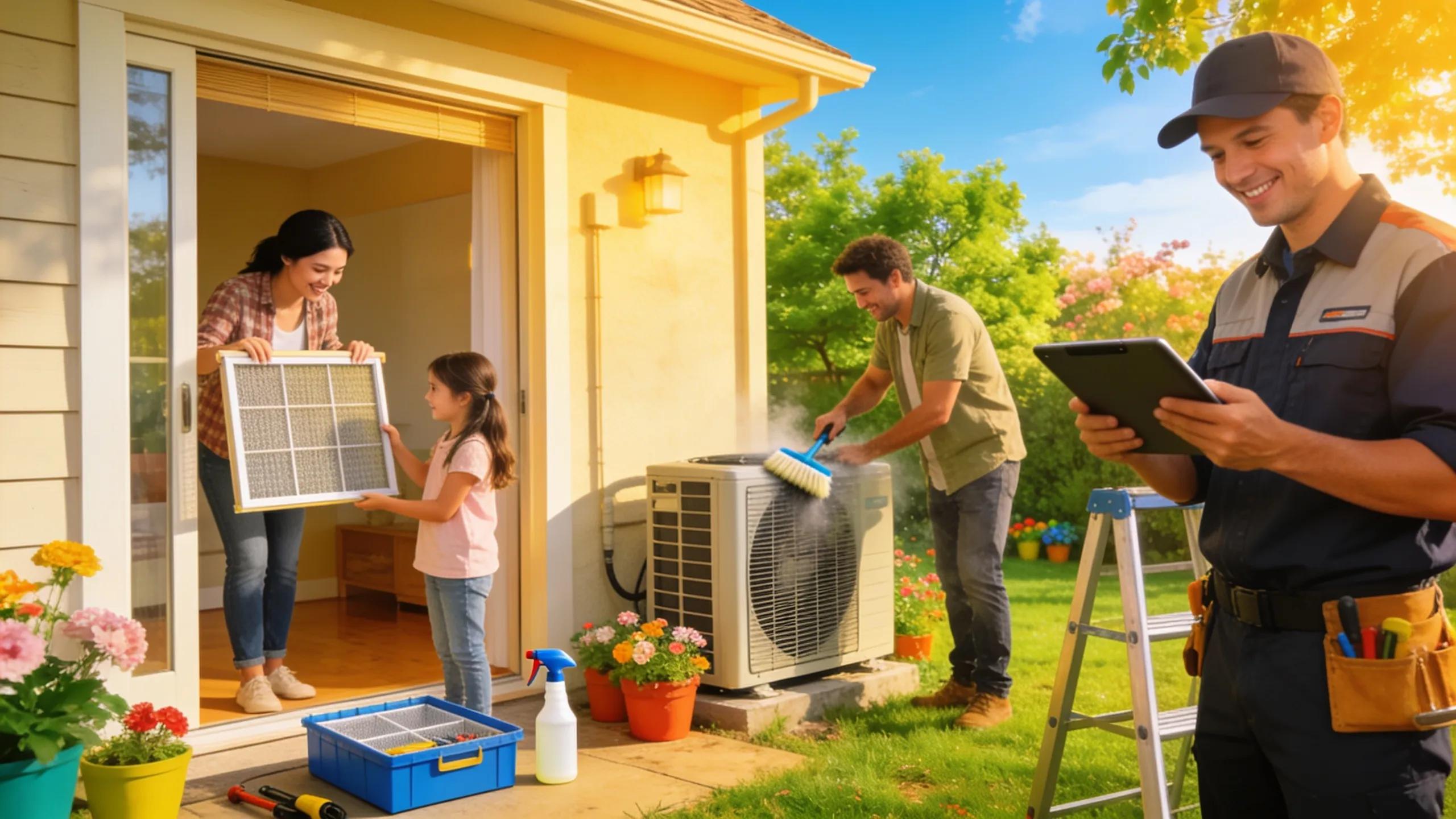
Regular maintenance helps your AC last longer. Simple routine tasks cut the chance of surprise breakdowns. Try these:
- Regular Filter Changes: Changing the air filter every 1-3 months can drastically improve airflow and system efficiency.
- Annual Professional Maintenance: Routine inspections by a qualified technician ensure that any potential issues are identified early. Consider regular air conditioning service to keep your system in top shape.
- Clean the Condenser Unit: Keeping the outdoor condenser unit clear of debris promotes optimal airflow and cooling efficiency.
These steps keep your system working well and lower repair costs over time.
When to Call a Professional?
Knowing when to call a pro matters as much as doing checks. Signs you need a technician include:
- Persistent Issues: If attempts to resolve a problem do not yield results.
- Frequent Cycling: The system turns on and off too often which can indicate an underlying issue.
- Unusual Noises or Odors: If you hear loud or strange noises, or smell unusual odors emanating from your unit, these could be indicators of serious issues.
Putting off a repair can cause more damage and higher costs. Trust your instincts and call a technician when DIY fixes don’t work.
What Are the Most Common AC Problems Homeowners Face in Northern New Jersey?
In Northern New Jersey, common problems are refrigerant leaks and compressor faults. These issues often get worse when systems aren’t maintained.
Spotting these problems early leads to faster fixes and less hassle in hot weather. If you suspect a fault, check your system right away.
How Do Thermostat Issues Affect Your Air Conditioner’s Performance?
Thermostat faults affect cooling. A bad thermostat can read wrong, making the AC run too long or not at all. Check the thermostat before deeper checks. Regular upkeep keeps it working right.
How Can You Safely Do DIY Air Conditioner Fixes Before Calling a Technician?
For small issues you can try safe DIY fixes. Turn the power off first. Changing or cleaning filters, checking ducts for blockages, and testing the thermostat often fix simple problems.
If DIY checks don’t fix the issue, stop and call a professional HVAC technician.
What Signs Show That Your AC Needs Professional Repair in Morris County?
Know the signs that need pro help. These include:
- Insufficient cooling despite the system running.
- Unusual noises like grinding or buzzing.
- High utility bills with no changes in usage patterns.
Fixing these early can avoid bigger repairs or replacement. Trust your judgment and call a qualified technician when needed.
How to Identify Emergency Situations That Require Fast AC Repair?
Some problems need immediate repair to prevent damage or danger. Emergencies include:
- Complete system breakdown during extreme temperatures.
- Presence of smoke or burning smells.
- Leaking refrigerant, which requires urgent attention to prevent environmental hazards.
Spotting these signs means getting fast repair, which reduces discomfort and risk.
What Are the Hidden Signs of Energy Inefficiency and System Wear?
These signs point to energy waste or wear:
- Increased electricity costs without a change in usage.
- Reduced airflow throughout your home.
- Frequent repairs or strange noises.
Watch for these issues so you can act before costly repairs or a full replacement are needed.
How Do Energy-Efficient Upgrades Improve Your AC’s Performance?
Upgrading to more efficient components can make your system work better. Options include high-efficiency filters, smart thermostats, and variable-speed compressors.
- Smart Thermostats: These adjust cooling based on real-time data, optimizing energy use.
- High-Efficiency Filters: Improve airflow and indoor air quality, capturing more allergens.
- Variable-Speed Compressors: Provide precise cooling capacities, reducing energy consumption during operation.
These upgrades improve comfort and can lower energy bills over time.
What Benefits Do Smart Thermostats Bring to Your HVAC System?
Smart thermostats help temperature control and can cut energy use. Key benefits include:
- Remote Access: Control your thermostat from anywhere using a smartphone.
- Energy Saving Features: Algorithms that learn your habits and adjust settings accordingly.
- Temperature Alerts: Notifications for oversized energy bills or unusual spikes in energy usage.
Adding smart control can boost comfort and lower costs.
How Can Upgrading to Ductless or VRF Systems Enhance Comfort?
Ductless or VRF systems offer benefits that improve indoor comfort. The benefits include:
- Zoned Temperature Control: Customize temperatures in individual rooms.
- Energy Efficiency: Less energy loss compared to conventional systems.
- Quiet Operation: These systems operate much quieter than traditional ones.
These upgrades help you get better comfort and save energy. For advanced control, consider ductless HVAC systems and VRF systems.
What Preventative Tips Can Help Avoid AC Breakdowns and Save Money Long-Term?
Preventive steps extend your system’s life and save money. Try these tips:
- Regular Maintenance: Schedule yearly inspections and tune-ups with HVAC professionals.
- Seasonal Preparations: Prepare your system before summer by cleaning outdoor units and ensuring filter cleanliness.
- Monitor System Performance: Stay attentive to sounds, temperatures, and irregular behaviors.
Following these tips keeps your AC reliable during hot months.
How Often Should You Schedule Professional AC Maintenance in NJ’s Climate?
In Northern New Jersey, plan a yearly AC check, preferably before summer. Regular check-ups make sure:
- Your system operates at peak efficiency.
- Potential issues are identified and addressed early.
- Your system experiences less breakdown during peak usage times.
Regular maintenance improves comfort, lowers bills, and helps your AC last longer.
What Are Simple Habits to Extend Your Air Conditioner’s Lifespan?
Simple habits can help your AC last longer. Try these:
- Air Filter Management: Regularly check and replace filters, ideally every month during peak use.
- Clear Surrounding Areas: Keep outdoor units free of debris and vegetation that could restrict airflow.
- Seasonal Shutdown: When not in use, ensure the unit is powered down properly to conserve energy.
These steps keep your AC efficient and cut repair costs over time.
Frequently Asked Questions
What regular maintenance should I perform on my AC unit?
Change or clean the air filter every month during heavy use. Also schedule an annual professional check to verify refrigerant levels, clean the condenser, and inspect components. Keep the unit clear of debris and make sure ducts are not blocked. These steps help avoid breakdowns and make your system last longer.
How can I identify if my AC issue is minor or requires professional help?
If the issue is a dirty filter or wrong thermostat setting, you can often fix it yourself. But if cooling stays weak, you hear odd noises, or the unit cycles often, call a pro. Note how long and how often symptoms happen to judge severity. When unsure, contact a technician for safety and proper repair.
What are energy-efficient habits I can adopt for my AC?
Save on cooling by setting the thermostat higher when you’re away. Use fans to move air and close curtains during hot days. Keep the system maintained, and think about a smart thermostat, which learns routines and adjusts settings to save energy.
What should I do during extreme weather events to protect my AC?
In storms or heatwaves, take precautions. Keep the outdoor unit clear of debris, and cover it in winter to protect from ice. If a severe thunderstorm hits, turn off the AC to avoid power surge damage. After the weather clears, check the unit for damage before using it again.
How does a smart thermostat benefit my home’s HVAC system?
A smart thermostat improves temperature control. It can learn your schedule and lower energy use when you’re away. You can control it from a phone and see reports of how much energy you use. A smart thermostat boosts comfort and can cut your energy bills over time.
What is the importance of ensuring proper airflow in my AC system?
Good airflow is key to your AC working properly. Blocked filters or ducts cut airflow and make the unit work harder, raising bills and causing wear. That wear can mean costly repairs. Regular maintenance to check airflow keeps the system running well.
What should I look for in an HVAC technician when I need repairs?
Pick an HVAC technician with experience, proper qualifications, and good reviews. Look for certifications and someone who knows your unit type. Expect clear estimates and honest communication. Make sure they are licensed and insured. A good technician will explain the problem and the repair clearly.
Conclusion
New Jersey homeowners benefit from knowing common AC problems and doing basic checks. This saves time and money and helps your system last longer. If problems persist, call a professional to keep equipment safe and working well. For more help, look for trusted resources and expert advice to improve your home’s climate control.
Related Services
- Cooling Services
- Air Conditioning Repair
- Air Conditioning Installation
- Air Conditioning Maintenance Service
Keep Reading
Browse all HVAC tips and guides.
Need a technician? Perfection Contracting serves homeowners across Sussex County, NJ and the surrounding North Jersey service area.