
Heat pumps are one of the most efficient HVAC systems available today. In fact, according to the U.S. Department of Energy, heat pumps can reduce electricity use for heating by up to 50% compared to traditional furnaces and baseboard heaters. That’s a huge savings. But here’s the truth most homeowners don’t realize:
Even the best heat pump can fail—or operate inefficiently—if the wiring isn’t properly connected, secured, or inspected.
We’ve seen it countless times. A homeowner calls because their heat pump isn’t heating properly, and the root cause turns out to be something simple like a loose thermostat wire or corroded electrical connection.
The good news? Many wiring issues can be detected early through safe inspection. And in this guide, we’ll show you exactly how to do that safely and effectively.
Why Heat Pump Wiring Inspection Is Critical for Performance and Safety?
Your heat pump is essentially a communication system powered by electricity. The thermostat sends signals. The control board responds. The compressor, fan, and reversing valve activate accordingly.
But if the wiring between these components becomes loose, damaged, or corroded, problems begin.
These problems may include:
- Heat pump blowing cold air during heating mode
- System not turning on
- Frequent system shutdowns
- Reduced efficiency and higher energy bills
- Electrical safety risks
According to HVAC industry inspection standards, electrical connection issues are among the top causes of heat pump performance failure and service calls.
Regular inspection helps prevent these issues before they become expensive repairs.
How Heat Pump Wiring Works? (Simple Explanation)
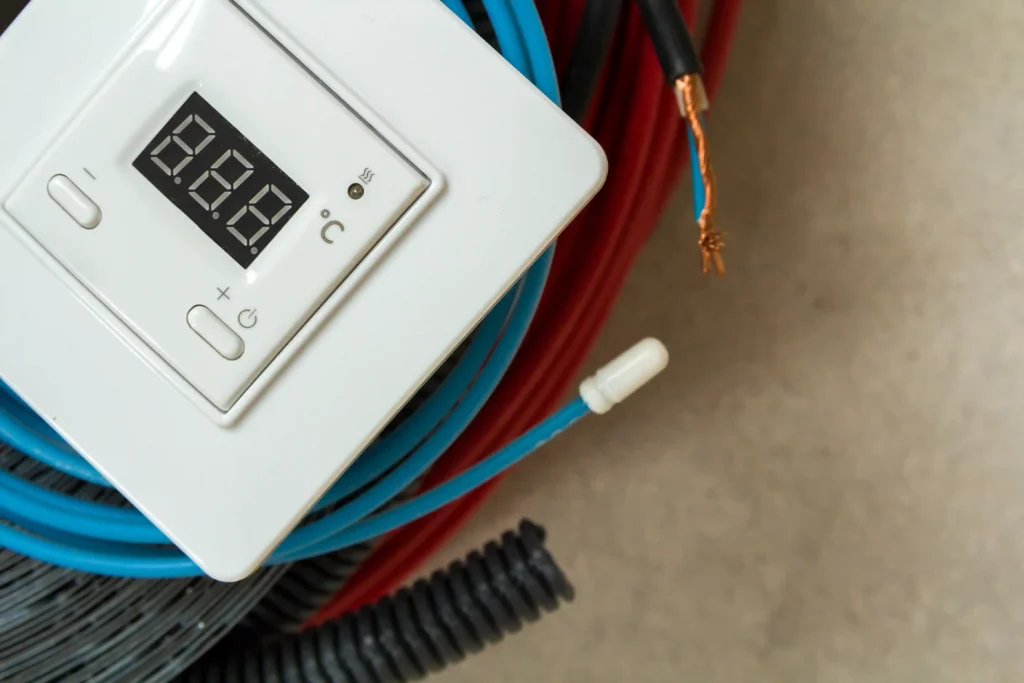
Before inspecting anything, it’s important to understand the basic components involved.
Your heat pump wiring connects:
- Thermostat
- Indoor air handler
- Outdoor condenser unit
- Compressor
- Reversing valve
- Electrical disconnect box
Each wire has a specific function. For example:
- Red wire supplies power
- Yellow wire controls the compressor
- Green wire controls the fan
- Orange wire switches between heating and cooling
If any of these connections fail, the system cannot operate correctly.
Safety First: What to Do Before Inspecting Heat Pump Wiring
This is the most important step. Safety must always come first.
Electricity is dangerous, and even low-voltage wiring can cause system damage if handled improperly.
Step 1: Turn Off All Power
Before inspecting anything:
- Turn off your thermostat
- Turn off the HVAC breaker in your electrical panel
- Shut off the outdoor disconnect switch
Use a voltage tester if available to confirm power is off.
Never skip this step.
Step 2: Gather Basic Inspection Tools
You don’t need advanced tools for visual inspection.
Recommended tools include:
- Flashlight
- Screwdriver
- Safety gloves
- Voltage tester (optional but recommended)
Remember, visual inspection is safe. Electrical testing should be done by professionals.
Step-by-Step Guide to Safely Inspect Heat Pump Wiring
Now let’s walk through the actual inspection process.
Step 3: Inspect the Thermostat Wiring
Start with your thermostat.
Remove the cover and look for:
- Loose wires
- Disconnected wires
- Corrosion
- Incorrect wire placement
Loose thermostat wiring is one of the most common causes of heat pump malfunction.
Even a slightly loose wire can interrupt communication between components.
Step 4: Inspect the Outdoor Condenser Unit Wiring
Next, inspect the outdoor unit.
Look inside the service panel for:
- Loose connections
- Burn marks
- Frayed wires
- Corrosion
These connections control major components like the compressor and reversing valve.
According to professional HVAC inspection checklists, secure electrical connections are essential for maintaining proper system efficiency and preventing component failure.
Step 5: Inspect the Indoor Air Handler Wiring
Your indoor unit contains critical electrical components.
Check for:
- Secure control board wiring
- Properly connected fan wiring
- No visible wire damage
Loose connections here can prevent the system from delivering proper heating or cooling.
Step 6: Check the Electrical Disconnect Box
The disconnect box is located near the outdoor unit.
This box protects your system from electrical surges and allows safe shutdown during maintenance.
Inspect for:
- Secure wiring
- No corrosion
- No burnt smells or visible damage
If damage exists, stop immediately and call a professional.
Warning Signs Your Heat Pump Wiring May Have Problems
Based on real HVAC service cases, here are the most common warning signs:
- Heat pump won’t turn on
- System runs but doesn’t heat or cool properly
- Frequent breaker trips
- Thermostat not responding
- Higher than normal energy bills
According to the U.S. Energy Information Administration, heating and cooling account for nearly 50% of a home’s energy usage, so wiring problems that reduce efficiency can significantly increase costs.
Common Heat Pump Wiring Problems We See Most Often
From our experience in the field, these are the most frequent issues:
Loose Electrical Connections
Causes intermittent system failure.
Corrosion
Often caused by moisture exposure.
Improper Installation
Incorrect wiring during installation can cause long-term system problems.
Aging Wiring
Older systems naturally develop wiring wear over time.
These issues reduce performance and increase system strain.
How Often Should Heat Pump Wiring Be Inspected?
We recommend inspection:
- Once per year minimum
- Before winter
- Before summer
Regular inspection ensures safe operation and optimal performance.
Preventive maintenance extends system lifespan and prevents costly repairs.
When Should You Call a Professional HVAC Technician?
While visual inspection is safe, some situations require professional help.
Call an HVAC expert if you notice:
- Burnt wires
- Melted insulation
- Electrical smells
- Frequent breaker trips
- System not responding properly
Professional technicians use specialized tools to safely diagnose and repair wiring issues.
Preventive Maintenance Tips to Protect Heat Pump Wiring
Here’s what we recommend to homeowners:
- Schedule annual professional maintenance
- Keep outdoor units clean
- Protect units from water exposure
- Replace aging systems when necessary
- Address issues immediately
Preventive maintenance improves efficiency and reduces repair costs.
Why Proper Wiring Inspection Improves Efficiency and System Lifespan?
A properly wired heat pump operates efficiently and safely.
Benefits include:
- Lower energy bills
- Improved heating and cooling performance
- Reduced repair costs
- Longer system lifespan
- Improved safety
According to industry studies, properly maintained HVAC systems can last 40% longer than neglected systems.
That’s a significant difference.
Protect Your Heat Pump With Proper Inspection and Professional Support
Heat pump wiring may seem like a small detail, but it plays a critical role in system performance, efficiency, and safety.
Regular inspection helps identify problems early, prevent system failures, and reduce energy costs.
While homeowners can safely perform basic visual inspections, professional HVAC technicians provide the most thorough and reliable evaluation.
That’s why working with experienced HVAC professionals like Perfection Contracting, Inc. is essential. With decades of experience installing, inspecting, and repairing heat pump systems across New Jersey and New York, their team ensures every system operates safely, efficiently, and reliably.
Proper wiring inspection today can prevent costly repairs tomorrow—and ensure your heat pump delivers the comfort and efficiency you depend on year-round.
Related Services
Keep Reading
- Troubleshooting Common Heat Pump Wiring Issues
- How Long Do Heat Pumps Last? Average Heat Pump Lifespan, Replacement Signs & Maintenance Tips
- How Big of a Mini-Split Do You Really Need? The Complete Sizing Guide for Homeowners
Browse all HVAC tips and guides.
Need a technician? Perfection Contracting serves homeowners across Sussex County, NJ and the surrounding North Jersey service area.