
Why Is My AC Running but Not Cooling? Common Causes for New Jersey Homeowners
By Louie Paracuelles, Perfection Contracting, Inc.
When your AC runs but the house stays warm, it’s frustrating especially in a hot New Jersey summer. This guide walks through the usual causes so you can spot the problem and act. We cover mechanical faults, thermostat errors, and airflow blockages. Spotting issues early helps you get the cooling back and avoid bigger repairs later.
- Refrigerant leaks reduce the AC’s ability to absorb heat, significantly impairing cooling performance.
- Compressor malfunctions prevent proper refrigerant circulation, causing the AC to run without cooling.
- Blocked airflow from dirty filters or obstructed ducts restricts cooling efficiency throughout the home.
- Thermostat issues, such as incorrect settings or dead batteries, can cause the AC to run without cooling.
- New Jersey’s high humidity increases AC demand, leading to longer run times and higher energy use.
- Older homes with outdated ductwork often experience airflow restrictions, reducing air conditioning effectiveness.
- Regular maintenance, including filter replacement every 1-3 months and annual duct inspections, supports optimal cooling.
- Unusual noises and frequent cycling are signs of compressor or fan motor problems requiring professional repair.
- DIY repairs on AC systems can cause further damage and safety risks; professional service is recommended.
What Causes an AC to Run Without Cooling in New Jersey?
Several things can make an AC run without cooling properly. Knowing the likely causes helps you decide what to check and when to call a pro.
These common causes show why regular checks and quick fixes matter. Early attention keeps your system running longer and saves money over time.
What Are the Most Frequent Reasons Your Air Conditioner Runs Without Cooling?
Knowing the frequent causes helps you act fast. The usual culprits are mechanical faults, thermostat errors, and blocked airflow. Check these first to narrow down the issue.
Mechanical Failures
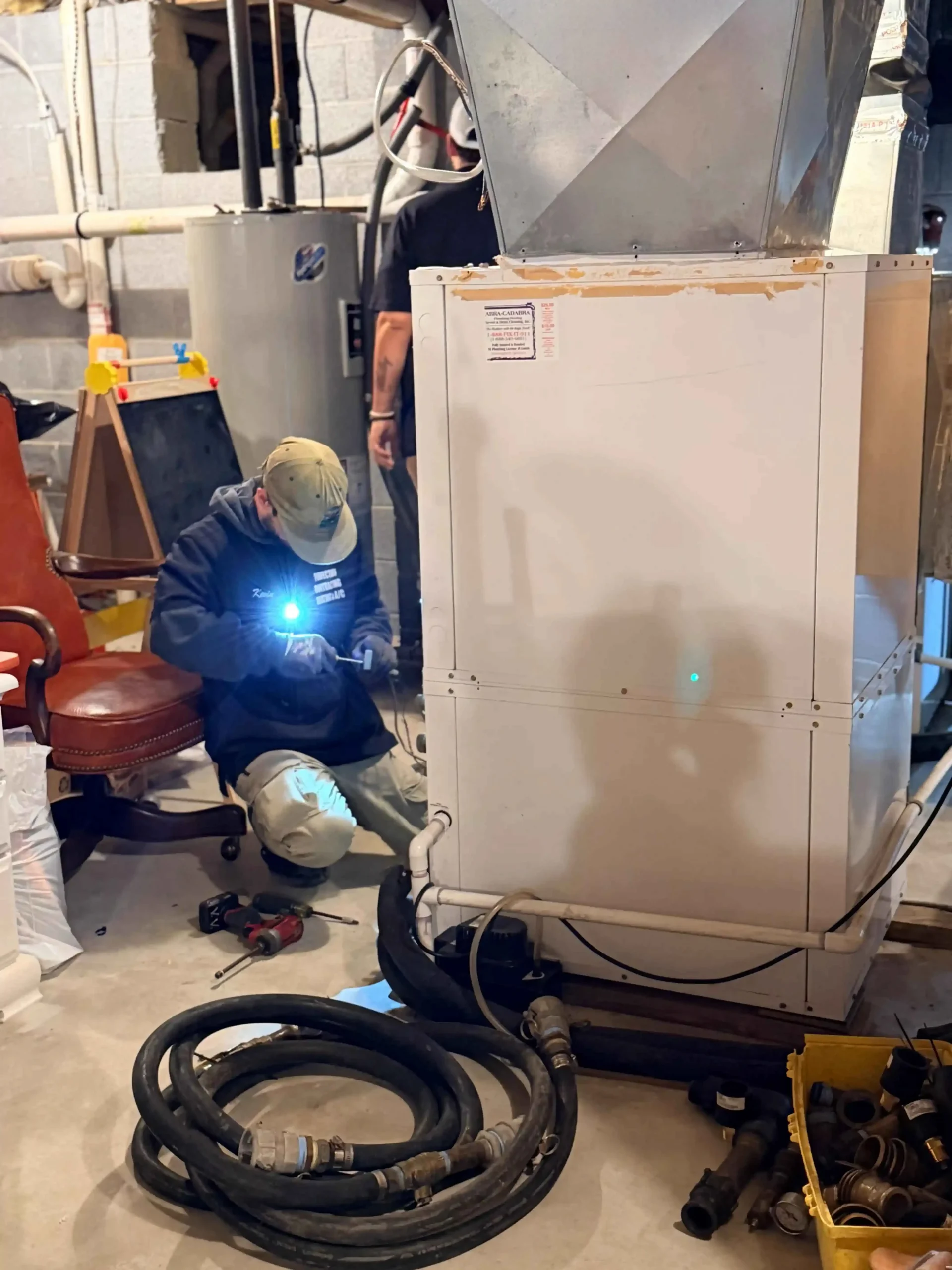
Mechanical faults often cause an AC to run but not cool. From our experience, leaks in refrigerant lines and worn compressors are common. Low refrigerant stops the system from absorbing indoor heat out of your home. A bad compressor can run but not circulate refrigerant. The fix is a professional inspection and repair. For trusted help, see air conditioning repair.
Thermostat Issues
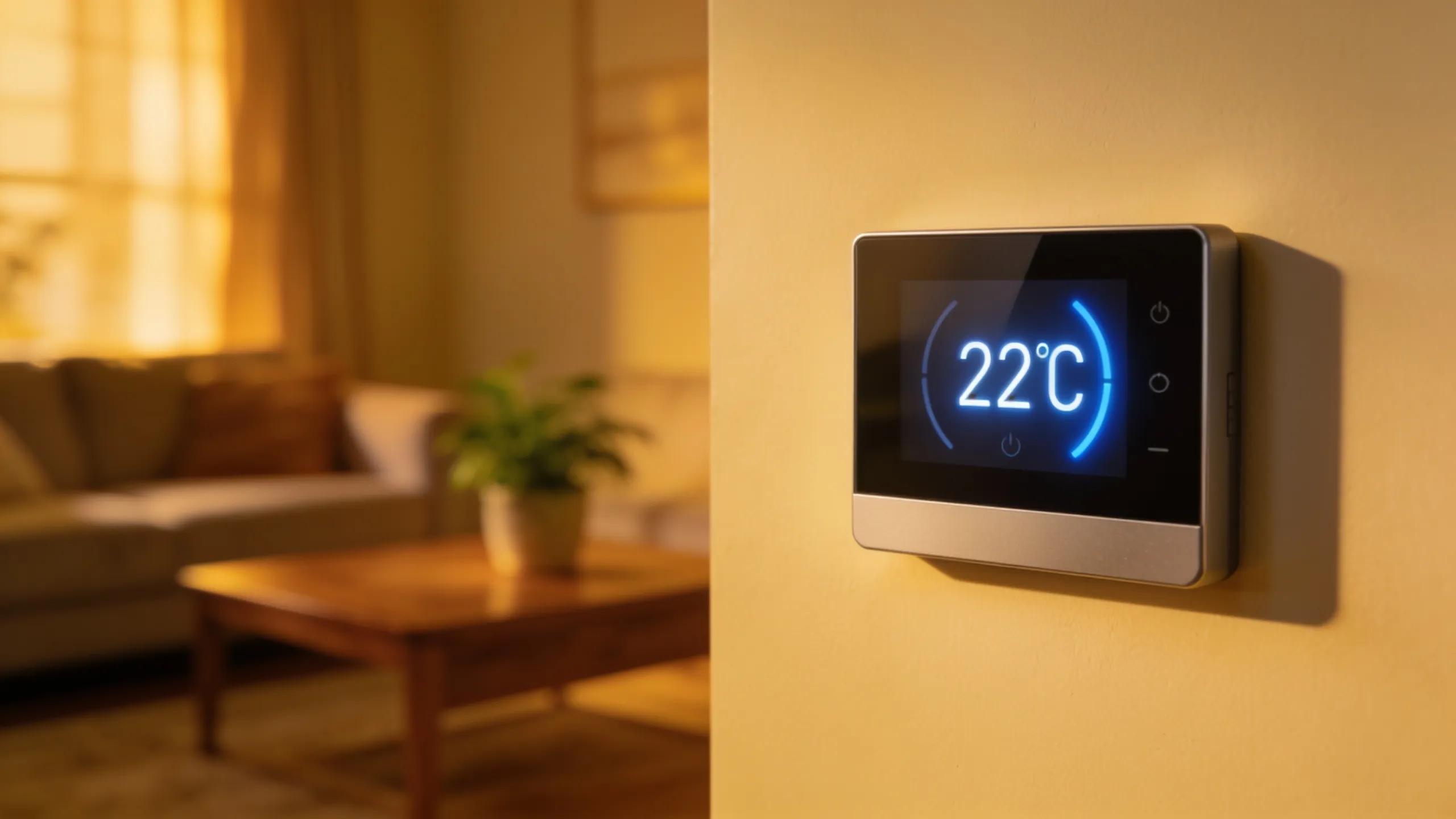
Thermostat problems can make the AC run without actually cooling. Wrong mode or bad calibration can keep the unit from cooling even while it runs. Check the mode, temperature setting, and batteries first. These simple checks often fix the problem without a service call.
Blocked Airflow
Blocked airflow is a common, fixable cause. Dirty filters, closed vents, or blocked ducts stop cool air from moving through your home. Change filters and clear vents to restore airflow. If ducts look damaged or dirty, call a pro. For expert help, see air conditioning service.
How Does Low Refrigerant Affect AC Cooling Performance?
Low refrigerant stops the system from absorbing indoor heat. The AC runs longer but cools less. That raises energy bills and stresses the system. If you suspect a leak, get a licensed technician to find and repair it and then recharge the system.
Can a Dirty Air Filter Cause Your AC to Blow Warm Air?
Yes. A clogged filter cuts airflow and makes the system struggle to cool. That can lead to warm air from vents. Change or clean filters every 1–3 months to keep cooling strong.
How Do Thermostat Problems Lead to AC Running but Not Cooling?
Thermostat faults can stop the AC from getting the right signal. If it’s set to heat or misreads the temperature, the unit won’t cool properly. Check settings and replace old or faulty thermostats so they control the system correctly.
What Thermostat Settings or Malfunctions Should You Check First?
When you troubleshoot a thermostat, start with a few simple checks.
- Thermostat Mode: Ensure the thermostat is set to “cool” mode.
- Temperature Setting: Verify that the desired temperature is lower than the current room temperature.
- Battery Status: Check for dead batteries, which can cause the thermostat to become unresponsive.
Fixing these items often restores normal cooling without more work.
How Does a Faulty Thermostat Affect Compressor Operation?
A bad thermostat can tell the compressor to run too long or at the wrong times. That extra wear can cause overheating and damage. From our experience, replacing a faulty thermostat prevents costly compressor repairs.
What NJ-Specific Factors Contribute to AC Running but Not Cooling?
New Jersey weather and older homes can make cooling problems worse. High humidity forces the AC to remove more moisture. Old or ill-fitting ductwork can block airflow. Keep these local factors in mind when you troubleshoot. For options like ductless HVAC, talk with a professional.
How Does New Jersey’s Humidity Impact AC Efficiency?
High humidity in New Jersey makes the air feel warmer and forces the AC to work harder to remove moisture. That leads to longer run times and higher bills. Proper system size and regular service help the AC handle humidity better. You can also use a dehumidifier to take some load off the system.
What Role Do Older Homes and Ductwork Play in AC Performance?
Older houses often have ducts that leak, are the wrong size, or lack insulation. That reduces airflow and makes rooms uneven in temperature. Have ducts inspected and repaired if needed to improve comfort and lower energy use.
When Is It Time to Call a Professional for AC Repair in New Jersey?
Call a pro when simple fixes don’t work. Seek help if you have poor cooling, odd noises, or frequent cycling. These signs often point to a deeper issue that needs trained technicians.
- Insufficient Cooling: The AC fails to cool the home adequately.
- Unusual Noises: Strange sounds coming from the unit may indicate mechanical issues.
- Frequent Cycling: The system turns on and off more frequently than normal.
Getting a technician in early prevents bigger damage and higher repair costs later.
Which Signs Indicate Compressor or Fan Motor Issues?
Look for grinding or squealing sounds, uneven temperatures, and rapid on-off cycling. These are common signs of compressor or fan motor trouble. If you spot them, turn the system off and call a technician.
What Are the Risks of DIY Repairs on Your AC System?
DIY fixes can make problems worse and risk safety. Working on electrical parts or refrigerant is dangerous without training. For major repairs, leave it to licensed HVAC technicians.
How Can Regular Maintenance Prevent Your AC from Running Without Cooling?
Routine maintenance catches problems early. Annual service checks let technicians inspect parts, clean components, and verify refrigerant levels. From our experience, yearly tune-ups keep systems running well and extend their life.
How Often Should You Replace Filters and Inspect Ductwork?
Follow a simple maintenance rhythm to keep cooling reliable.
- Replace Filters: Every 1-3 months, depending on use and filter type.
- Inspect Ductwork: Annually, to ensure proper airflow and identify any blockages.
Sticking to this schedule reduces breakdowns and keeps your home comfortable. For options like ductless HVAC, talk with a professional.
Frequently Asked Questions
What are the signs that my air conditioning unit may need professional service?
Watch for warm air from vents, grinding or hissing noises, and frequent on-off cycles. If the system runs but won’t hold the set temperature or you see refrigerant leaks, get a technician to check it.
How can I improve my AC’s cooling efficiency at home?
Start with clean filters and clear vents. Replace filters every 1–3 months and keep thermostat settings steady. Use ceiling fans to help circulation. Regular professional checks will catch issues you might miss.
Can high humidity impact my AC’s performance in New Jersey?
Yes. Humidity makes the AC work harder to remove moisture, which can cause longer run times and higher energy bills. Using a dehumidifier or a properly sized system helps reduce the burden on your AC.
How do I know if my thermostat is malfunctioning?
Signs include big temperature swings, the unit continuing to run after the set temperature is reached, or no response to adjustments. A blank or erratic display can point to electrical trouble or dead batteries. Check settings and batteries, and call a pro if it still acts up.
What is the impact of poor ductwork on my air conditioning system?
Poor ducts cause uneven cooling and higher energy costs. Leaks, bad insulation, or wrong sizing restrict airflow and strain the system. Regular duct inspections let you fix problems and improve comfort.
What should I do if I suspect a refrigerant leak?
If you think there’s a refrigerant leak, call a licensed HVAC pro right away. Leaks reduce cooling and can harm the environment. Don’t try to recharge refrigerant yourself; a technician will find the leak, repair it, and recharge the system safely.
How can regular maintenance benefit my air conditioning system?
Regular service keeps parts clean and working. Techs check filters, refrigerant, and electrical components. Routine care reduces breakdowns, keeps cooling strong, and helps your AC last longer.
Conclusion
Knowing why your AC runs but won’t cool helps you take the right steps. Fix issues like leaks, compressor faults, and blocked airflow quickly to restore comfort and avoid bigger bills. Regular checks and timely repairs protect your system over the long term. If you need expert help, reach out to our team for reliable service.
Related Services
- Cooling Services
- Air Conditioning Repair
- Air Conditioning Installation
- Air Conditioning Maintenance Service
Keep Reading
- AC Diagnostic Process: How Technicians Find HVAC Problems
- Outside AC Unit Won’t Turn On? Likely Causes
- Frozen Evaporator Coil: Why Your AC Ices Up and How to Stop It
Browse all HVAC tips and guides.
Need a technician? Perfection Contracting serves homeowners across Sussex County, NJ and the surrounding North Jersey service area.