
Understanding the Advantages of Ductless HVAC Systems
Ductless HVAC systems offer a range of benefits that make them an attractive option for homeowners. These systems are highly efficient, providing targeted heating and cooling without the energy losses associated with traditional ductwork. This efficiency not only enhances comfort but also contributes to lower utility bills, making it a smart investment for many households.
Additionally, ductless systems are known for their flexibility in installation. They can be placed in various locations throughout the home, allowing for customized climate control in each room. This is particularly beneficial for older homes where installing ductwork may be impractical or costly. With options for both heating and cooling, ductless systems can effectively manage indoor climate year-round.
Common Misconceptions About Ductless AC Systems
Despite their growing popularity, there are several misconceptions about ductless AC systems that can deter homeowners from considering them. One common myth is that ductless systems are only suitable for small spaces. In reality, these systems can be scaled to accommodate larger areas, making them versatile enough for various home sizes.
Another misconception is that ductless systems are too noisy. However, modern ductless units are designed to operate quietly, often producing less noise than traditional HVAC systems. Understanding these myths can help homeowners make informed decisions about their cooling options and recognize the true potential of ductless AC systems.
Maintenance Tips for Ductless AC Units
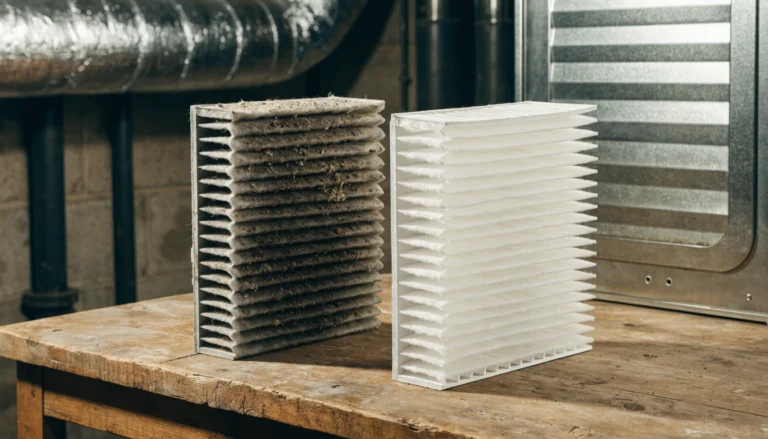
Proper maintenance is crucial for ensuring the longevity and efficiency of ductless AC units. Homeowners should regularly clean the air filters, as dirty filters can impede airflow and reduce system efficiency. It’s also essential to schedule annual professional maintenance checks to ensure that all components are functioning optimally and to catch any potential issues early.
In addition to filter maintenance, homeowners should keep the outdoor unit free from debris and vegetation to ensure proper airflow. Regularly checking for any signs of wear or damage, such as refrigerant leaks or unusual noises, can also help maintain the system's performance and prevent costly repairs down the line.
Energy Efficiency and Environmental Impact of Ductless Systems
Ductless HVAC systems are designed with energy efficiency in mind, often featuring advanced technologies that minimize energy consumption. By eliminating the energy losses associated with ductwork, these systems can significantly reduce a home's overall carbon footprint. This makes them an environmentally friendly choice for homeowners looking to reduce their impact on the planet.