
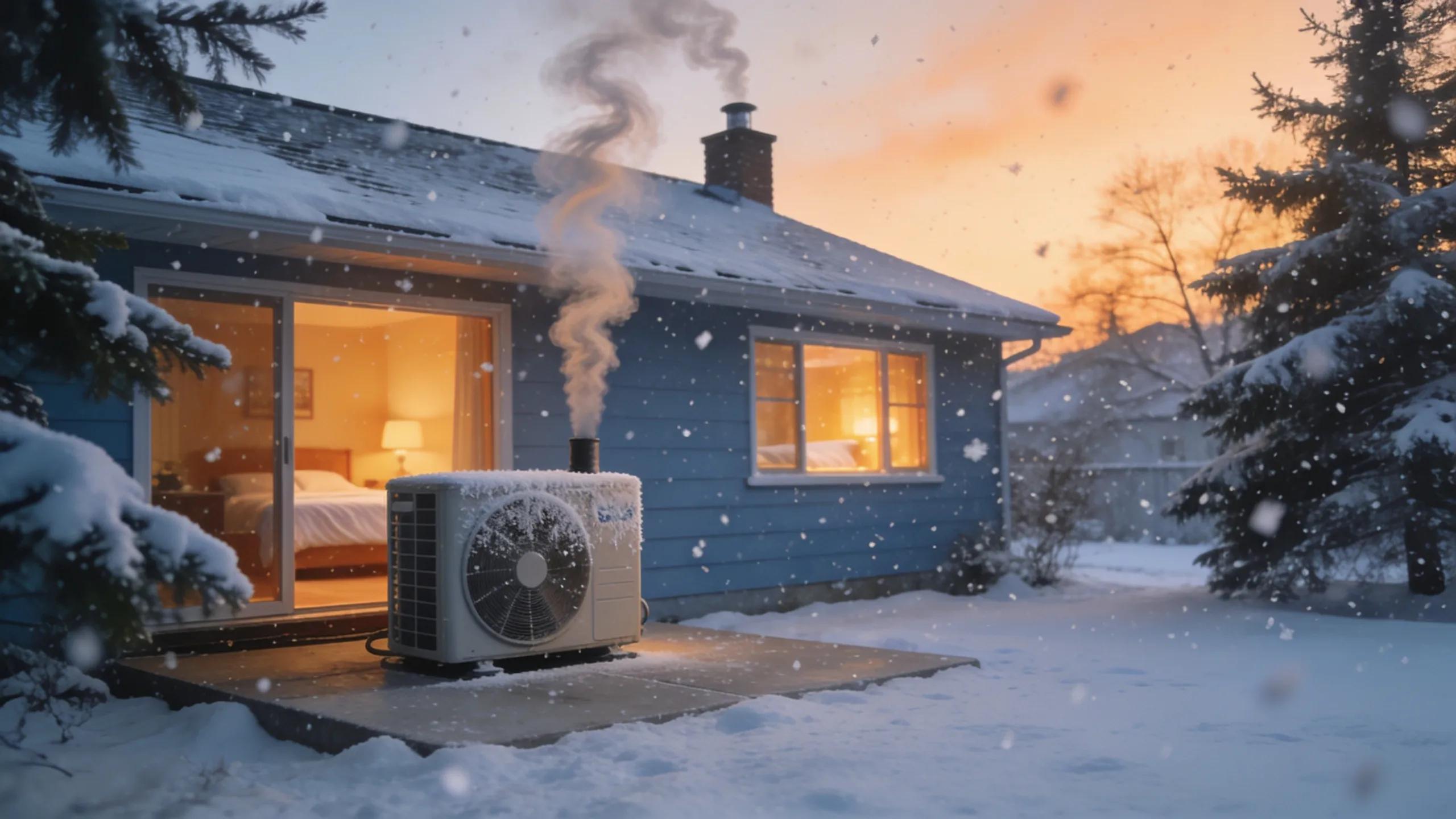
Do Heat Pumps Really Work in Cold New Jersey Winters? Clear Answers for Homeowners
Winter in New Jersey raises real questions about staying warm. This article answers how heat pumps perform in cold weather, what to expect on efficiency and maintenance, how defrost cycles work, and when backup heat helps. From our experience, modern heat pumps can be a solid choice when they’re the right size and installed properly. Read on to learn whether a heat pump fits your home this winter.
-
Heat pumps transfer heat from outside air to warm homes, maintaining efficiency down to about 30°F.
-
Modern heat pumps use advanced technology like variable-speed compressors to improve cold weather performance.
-
Defrost cycles prevent ice buildup on outdoor coils, preserving airflow and heating capacity during winter.
-
Backup heating systems, such as electric heaters or gas furnaces, support heat pumps in extreme cold.
-
Heat pumps offer lower operating costs and year-round climate control compared to traditional furnaces.
-
Regular maintenance, including filter cleaning and outdoor unit inspection, extends heat pump lifespan and reliability.
-
New Jersey homeowners can benefit from local rebates and federal tax credits to reduce heat pump installation costs.
-
Hybrid heat pump systems automatically switch to backup heat, ensuring consistent warmth in harsh winters.
-
Heat pumps contribute to lower carbon emissions by providing an environmentally friendly heating option.
Heat pumps transfer heat from outside air to warm homes, maintaining efficiency down to about 30°F.
Modern heat pumps use advanced technology like variable-speed compressors to improve cold weather performance.
Defrost cycles prevent ice buildup on outdoor coils, preserving airflow and heating capacity during winter.
Backup heating systems, such as electric heaters or gas furnaces, support heat pumps in extreme cold.
Heat pumps offer lower operating costs and year-round climate control compared to traditional furnaces.
Regular maintenance, including filter cleaning and outdoor unit inspection, extends heat pump lifespan and reliability.
New Jersey homeowners can benefit from local rebates and federal tax credits to reduce heat pump installation costs.
Hybrid heat pump systems automatically switch to backup heat, ensuring consistent warmth in harsh winters.
Heat pumps contribute to lower carbon emissions by providing an environmentally friendly heating option.
Efficiency
Heat pumps move heat from the outside air into your home, even when it’s cold. That makes them more energy-saving than many traditional heaters. You can expect lower utility bills—many units reach efficiency ratings of 300% or more, which means three units of heat for each unit of electricity used.
Efficiency varies by model and installation. From our experience, choosing a high-efficiency unit and a proper installation maximises savings. Perfection Contracting, Inc. focuses on HVAC setups for New Jersey homes to help get the best performance.
Performance
Performance in cold weather has improved. Modern heat pumps use variable-speed compressors and better refrigerants to extract heat even as temperatures fall. That helps them keep producing heat when older models would struggle.
Hybrid systems pair a heat pump with a traditional heater. They switch to backup heat when outdoor temperatures fall below a set point, so your home stays warm without manual adjustments. That makes heat pumps a dependable option for many New Jersey homeowners.
Maintenance Considerations
Regular maintenance keeps a heat pump running longer and costing less to operate. Schedule an annual inspection and clean or replace filters as needed. Common maintenance tasks include:
-
Cleaning the outdoor unit: Removing debris and ensuring proper airflow.
-
Checking refrigerant levels: Ensuring the system operates efficiently.
-
Inspecting electrical components: Preventing potential failures.
Cleaning the outdoor unit: Removing debris and ensuring proper airflow.
Checking refrigerant levels: Ensuring the system operates efficiently.
Inspecting electrical components: Preventing potential failures.
Keep to a regular service plan to avoid costly repairs and extend the system’s life. Perfection Contracting, Inc. offers maintenance plans to help your heat pump run smoothly through winter.
Overall Suitability
Heat pumps heat and cool, so they work year-round. They also cut a home’s carbon footprint compared to many traditional heating systems, which matters if you want lower emissions and steady comfort.
Whether a heat pump fits your New Jersey home depends on insulation, home size, and local climate. Talk with an HVAC professional to review your needs and pick the best option for long-term value.
How Do Heat Pumps Perform in New Jersey’s Cold Winters?
What Happens to Heat Pump Efficiency as Temperatures Drop?
Heat pumps usually keep good efficiency down to about 30°F. As temperatures drop toward 0°F, their heating capacity can fall. They still operate in colder weather, but you may notice less heat output when it gets very cold.
How Modern Heat Pumps Handle Cold Weather Challenges
Today’s units have controls that adjust operation to outdoor conditions and defrost cycles that stop ice from building on the outdoor coil. From our experience, these features help maintain reliable heating through typical New Jersey winters.
What Is the Role of Defrost Cycles in Cold Climate Heat Pumps?
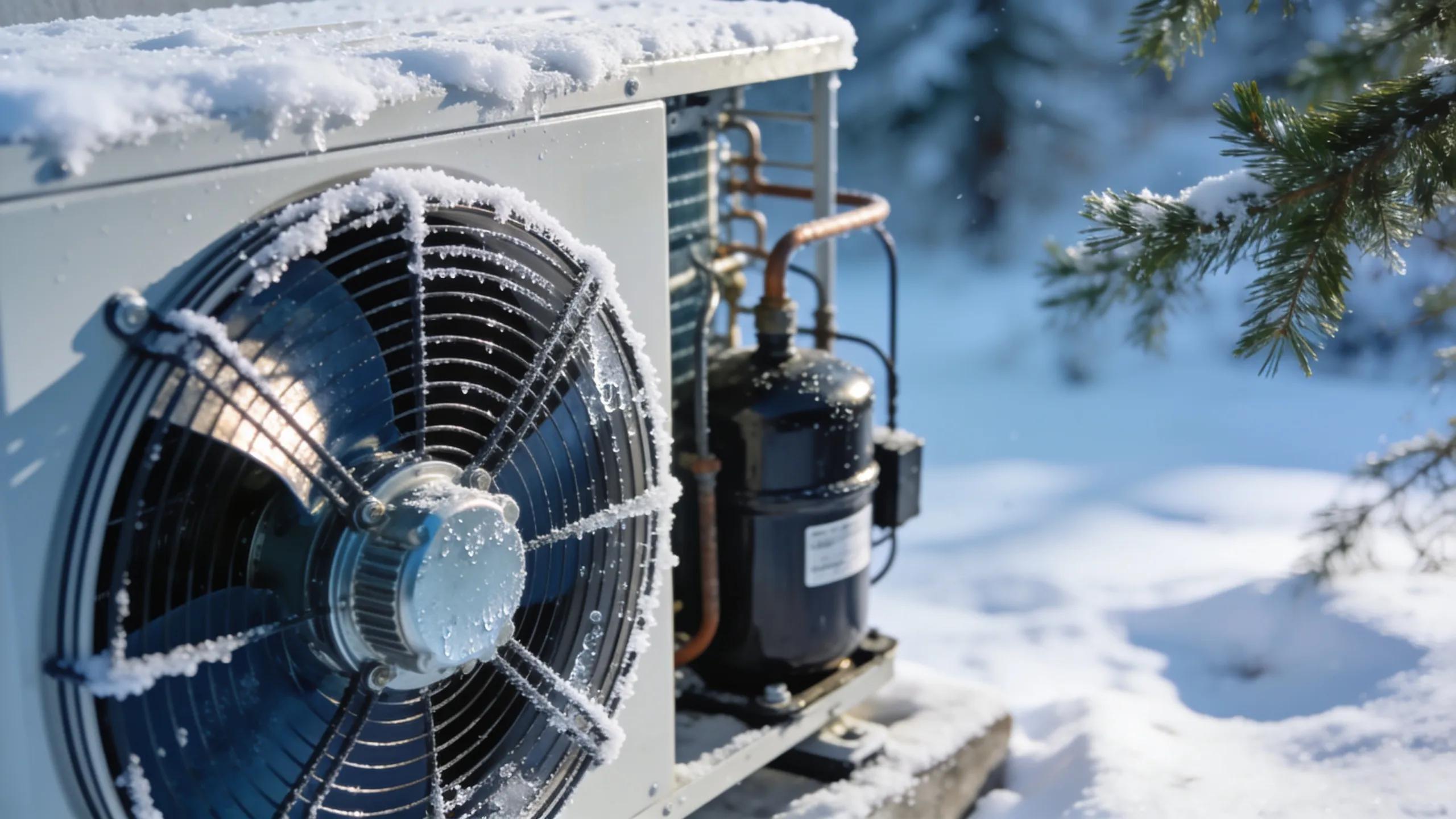
Defrost cycles reverse the heat pump briefly to melt ice on the outdoor coil. That keeps airflow steady and prevents drops in heating performance that ice can cause.
Frost buildup can cut a heat pump’s effectiveness. Defrost cycles stop that from happening and keep the system running well.
Heat Pump Defrosting: Understanding Frost Impact on Performance
When conditions are very cold and humid and the heat exchanger surface is below freezing, moisture in the air freezes on the surface and frost starts to grow. That frost reduces system performance: it blocks airflow and raises the pressure drop across the coil, so fans must work harder to keep air moving. Less airflow means the evaporator moves less heat, so the heat pump’s heating capacity and coefficient of performance fall. The frost layer also adds resistance to heat transfer between the air and refrigerant.
A critical literature review of defrost technologies for heat pumps and refrigeration systems, K Nawaz, 2018
Heat Pump Defrosting: Understanding Frost Impact on Performance
When conditions are very cold and humid and the heat exchanger surface is below freezing, moisture in the air freezes on the surface and frost starts to grow. That frost reduces system performance: it blocks airflow and raises the pressure drop across the coil, so fans must work harder to keep air moving. Less airflow means the evaporator moves less heat, so the heat pump’s heating capacity and coefficient of performance fall. The frost layer also adds resistance to heat transfer between the air and refrigerant.
A critical literature review of defrost technologies for heat pumps and refrigeration systems, K Nawaz, 2018
How Do Defrost Cycles Prevent Ice Buildup on Heat Pumps?
During a defrost cycle the system uses heat from the refrigerant to warm the outdoor coil and melt ice. The cycle usually runs for a few minutes and is automatic. Regular checks make sure the defrost function works as it should.
Common Misunderstandings About Heat Pump Defrosting
Homeowners often think defrost cycles mean a malfunction. They’re a normal part of cold-weather operation. Knowing that can ease concerns and help you trust the system to work through winter.
Should New Jersey Homeowners Use Backup Heating with Heat Pumps?
When and Why Backup Heat Is Needed in Cold Weather
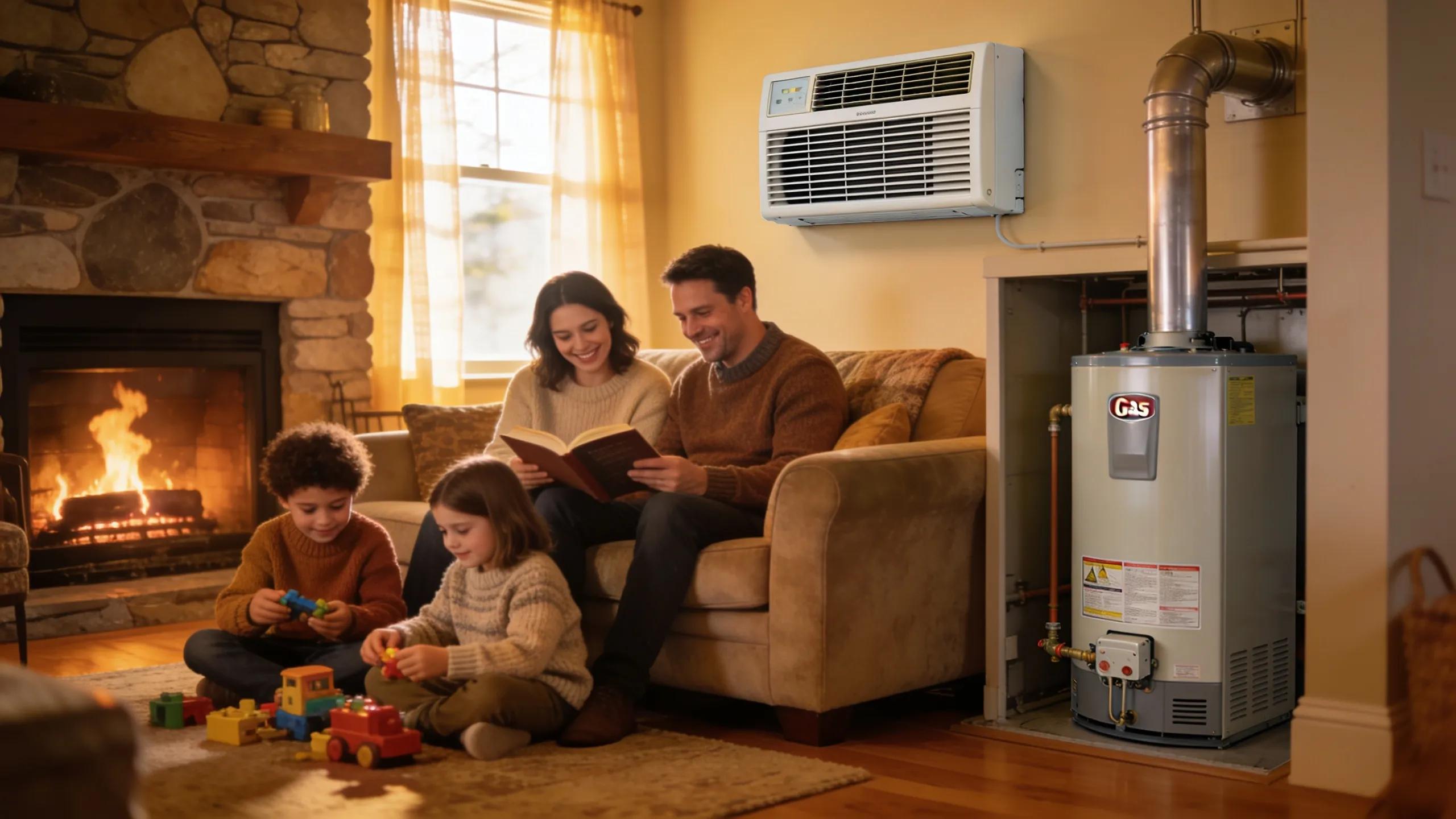
We recommend backup heat in areas that see extreme cold. When outdoor temps drop a lot, heat pumps can struggle to meet the home’s heat demand. Backup heaters like electric resistance units or gas furnaces can kick in to keep indoor temperatures steady.
Comparing Backup Heating Options for Heat Pump Systems
Common backup options include:
-
Electric Resistance Heaters: Simple and effective, but can be costly to operate.
-
Gas Furnaces: Provide reliable heat and can be more cost-effective in extremely cold conditions.
-
Hybrid Systems: Automatically switch between heat pump and backup heating, optimizing efficiency.
Electric Resistance Heaters: Simple and effective, but can be costly to operate.
Gas Furnaces: Provide reliable heat and can be more cost-effective in extremely cold conditions.
Hybrid Systems: Automatically switch between heat pump and backup heating, optimizing efficiency.
Each option has trade-offs. Think about your needs and budget when choosing the best backup for your home.
How Do Heat Pumps Compare to Furnaces for New Jersey Winters?
What Are the Long-Term Cost Differences Between Heat Pumps and Furnaces?
Heat pumps often cost more to install but cost less to run. Over time, homeowners may save money, especially if energy prices rise.
Comfort and Reliability: Heat Pumps Versus Traditional Heating
Heat pumps deliver steady warmth and reduce hot or cold spots inside the home. They also provide cooling in summer, so one system covers both seasons.
What Maintenance Helps Heat Pumps Stay Reliable in Cold Weather?
Essential Winter Maintenance Tips for Heat Pumps
To keep your heat pump reliable in winter, follow these tips:
-
Inspect and clean filters: Clogged filters can reduce efficiency.
-
Clear snow and ice from the outdoor unit: Ensuring proper airflow is crucial.
-
Schedule professional maintenance: Annual check-ups can prevent unexpected breakdowns.
Inspect and clean filters: Clogged filters can reduce efficiency.
Clear snow and ice from the outdoor unit: Ensuring proper airflow is crucial.
Schedule professional maintenance: Annual check-ups can prevent unexpected breakdowns.
How Regular Service Extends Heat Pump Lifespan in NJ
Regular service improves performance and extends lifespan. Studies show that well-maintained systems can last 15 years or longer, giving you reliable heat for many winters.
What Energy Savings Can New Jersey Homeowners Expect from Heat Pumps?
How Heat Pumps Reduce Heating Costs Compared to Other Systems
Heat pumps can cut heating costs compared with many traditional systems. Their higher efficiency lowers bills, especially in milder winters. Many models also qualify for rebates, which add to the savings.
Local Incentives and Rebates for Heat Pump Installation
New Jersey offers several incentives for energy-efficient heat pumps. These programs can help lower installation costs and make heat pumps more affordable for homeowners.
Incentive Program
Description
Benefit
NJ Clean Energy Program
Offers rebates for energy-efficient upgrades
Up to $1,000 off installation costs
Federal Tax Credit
Tax credit for energy-efficient home improvements
30% of installation costs for heat pumps
Local Utility Rebates
Incentives from utility companies for energy-efficient systems
Varies by provider
This table shows the financial benefits available to homeowners considering heat pump installation, making it a good investment for both comfort and savings.
Frequently Asked Questions
What Factors Affect the Performance of Heat Pumps in Cold Weather?
From our experience, outdoor temperature, humidity, and the heat pump model all affect cold-weather performance. Units keep running in freezing conditions, but efficiency can drop. Models with variable-speed compressors usually handle changing conditions better.
Can Heat Pumps Provide Adequate Heating in the Coldest Months?
Yes. Most modern units work well down to about 30°F, but their capacity falls when temperatures plunge. Pairing a heat pump with backup heat keeps your home comfortable in the coldest stretches.
What Are the Most Common Issues with Heat Pumps in New Jersey Winters?
Common problems include frozen coils, reduced heating power, and ice on the outdoor unit. Regular maintenance—clearing airflow, checking refrigerant, and timely inspections—helps prevent these issues. If you spot poor performance, call a technician.
Are There Specific Maintenance Tasks for Winter Preparedness?
Yes. Clear snow and ice from the outdoor unit, clean or replace air filters, and remove anything blocking airflow. Schedule an annual inspection to avoid surprise outages during cold weather.
How Do I Know If a Heat Pump Is Right for My Home?
Check your insulation, home size, and local climate. An HVAC professional can assess your house and advise whether a heat pump will meet your heating needs efficiently and cost-effectively.
What Benefits Do Heat Pumps Offer Compared to Traditional Heating Systems?
Heat pumps use less energy and provide both heating and cooling. They usually lower operating costs and cut a home’s carbon footprint. They also keep indoor temperatures more even than many furnaces.
What Incentives Are Available for Installing Heat Pumps in New Jersey?
New Jersey offers rebates through the NJ Clean Energy Program, federal tax credits, and local utility incentives. These programs can lower upfront installation costs and give long-term savings.
Conclusion
Heat pumps can be an effective heating choice for New Jersey winters, offering energy savings and reliable performance when installed and maintained correctly. From our experience, regular service and the right backup plan make the biggest difference. Local rebates and federal incentives can reduce costs, so talk with a professional to see how a heat pump could improve your home comfort this winter.
Related Services
Keep Reading
- Heat Pump vs. Furnace: Which Heats Better in NJ Winters?
- When to Turn On the Heat in New Jersey (and 6 Things to Check Before the First Cold Night)
Browse all HVAC tips and guides.
Need a technician? Perfection Contracting serves homeowners across Sussex County, NJ and the surrounding North Jersey service area.