
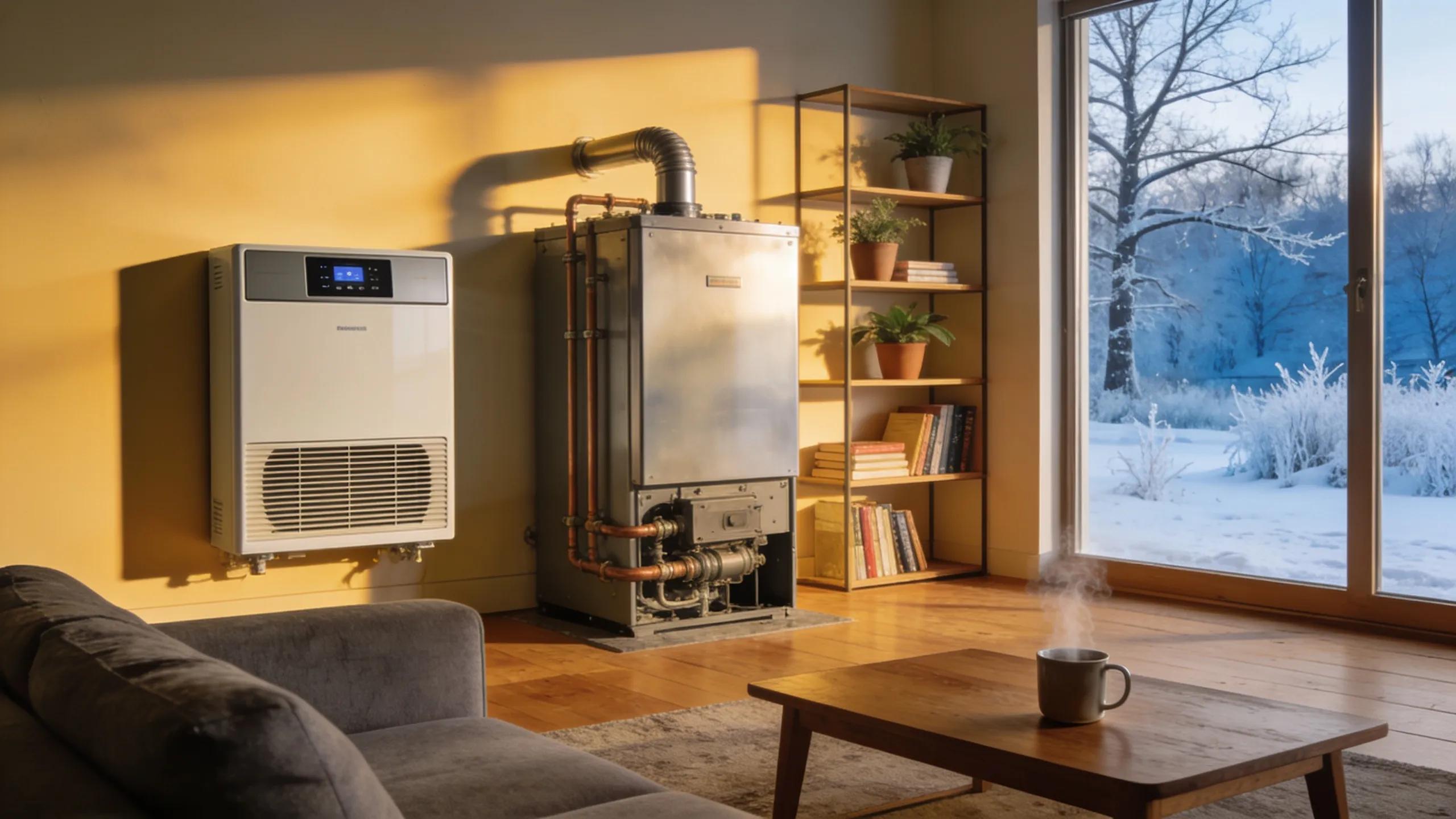
Heat Pump vs. Furnace: Which Heats Better in NJ Winters?
New Jersey winters can be rough, so picking the right heating system matters. From our experience, knowing how heat pumps and furnaces work, what they cost to run, and what upkeep they need makes the choice clearer. This article walks through heating performance, energy use, costs, and maintenance so you can decide which fits your home and budget. Many homeowners want reliable warmth and lower bills—this guide helps you weigh the trade-offs.
- Heat pumps transfer heat from outside air but lose efficiency below 32°F in New Jersey winters.
- Furnaces generate heat through fuel combustion, providing reliable warmth during extreme cold.
- Heat pumps generally consume less energy, offering up to 300% efficiency compared to furnace ratings around 90%.
- Initial installation costs are higher for heat pumps, but they typically have lower annual operating expenses than furnaces.
- Both heating systems require regular professional maintenance to maintain performance and extend lifespan.
- Heat pumps can operate effectively down to about 20°F but may need supplemental heating in colder conditions.
- Furnaces heat homes quickly and consistently, making them preferred for harsh New Jersey winters.
- Choosing the right heating system depends on factors like home size, insulation, budget, and local climate.
- Homeowners should consider long-term costs, energy efficiency, and maintenance needs when selecting heating equipment.
Comparison of Heat Pumps and Furnaces for Heating Effectiveness in New Jersey Winters
When you compare heat pumps and furnaces, focus on how they perform in cold weather and what they cost to run. Heat pumps move heat from outside into your home. Furnaces make heat by burning fuel. That core difference affects how well each works when temperatures fall.
Heating Performance
Heat pumps pull heat from outside air, even when it is cold. But from our experience, their output drops once temperatures fall below freezing. Furnaces make heat directly, so they keep working well in very cold weather. For New Jersey homeowners, reliable heat in low temperatures is a key concern.
Energy Efficiency
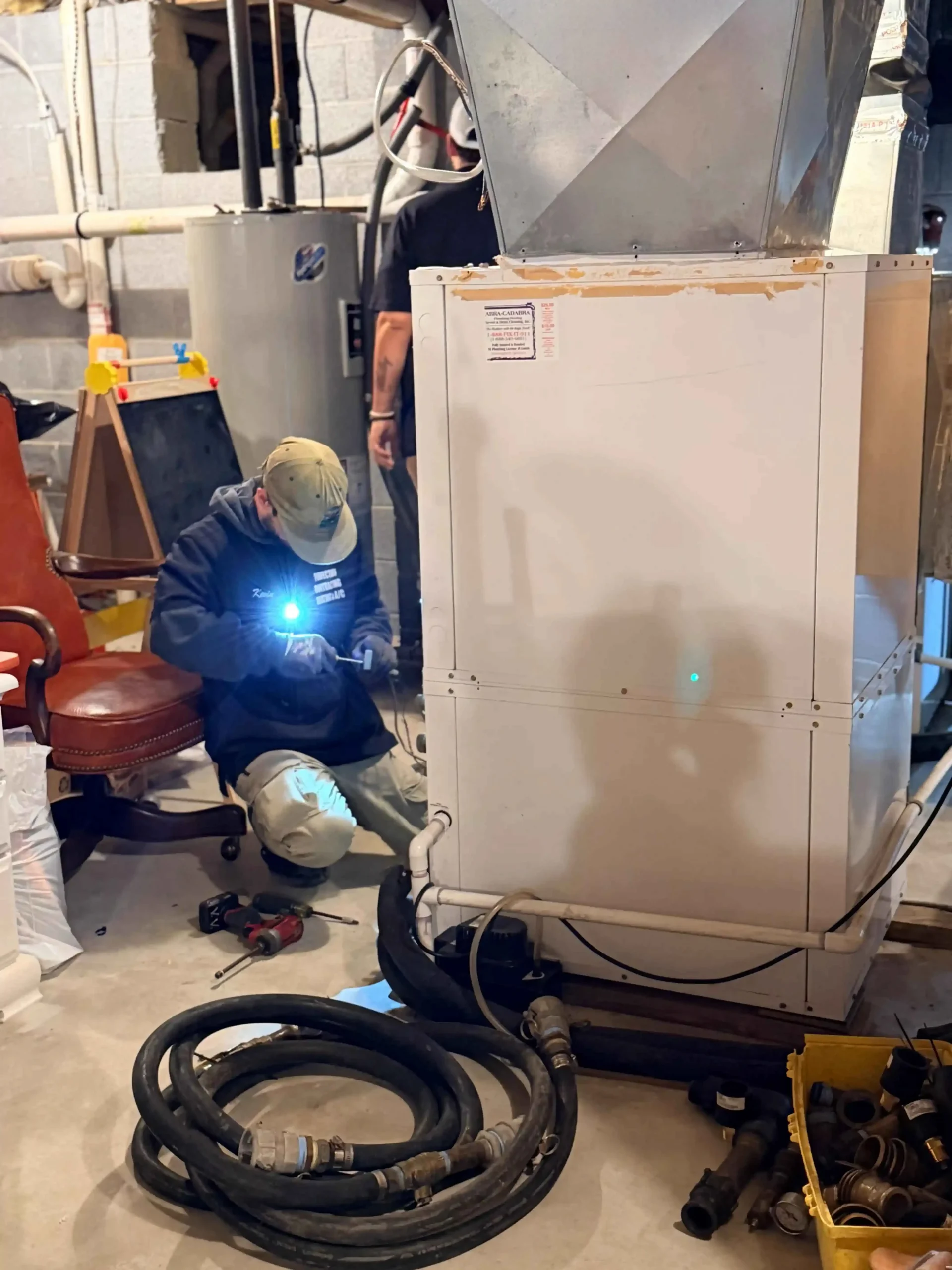
Energy use is a big factor when choosing a system. Heat pumps move heat instead of creating it, so they often use less electricity. Modern heat pumps can reach about 300% efficiency, meaning roughly three units of heat for one unit of electricity. High-efficiency furnaces can run near 90% efficiency. Still, local fuel and power prices in New Jersey affect which system costs less to run. Many homeowners want both heating and cooling, so systems tied to air conditioning service are worth considering.
Climate affects heat pump performance, so check ratings for your area before deciding.
Climatic Impacts on Heat Pump Performance
ABSTRACT: Fairey, Philip;Parker, Danny S;Wilcox, Bruce;Lombardi, Matthew.ASHRAE Transactions; AtlantaVol. 110,(2004): 178-188.Climatic impacts on heating seasonal performance factor (HSPF) and seasonal energy efficiency ratio (SEER) for air-source heat pumps, P Fairey, 2004
Cost Considerations
Look at both the upfront price and the long-term bills. Heat pumps usually cost more to install because of the equipment and setup. Over time, lower energy use can make them cheaper to run. Furnaces often cost less to buy and install but can mean higher fuel bills during long cold spells.
The table shows the cost differences and why you should weigh installation price against yearly operating costs.
Maintenance Requirements
Both systems need regular care to run well. Heat pumps require seasonal checks of refrigerant levels and clean coils. Furnaces need combustion checks and frequent filter changes. From our experience, an annual professional tune-up keeps either system running reliably and helps avoid costly repairs.
How Do Heat Pumps Perform in New Jersey’s Cold Winters?
Heat pumps can work in New Jersey winters, but their efficiency drops as it gets colder. Many modern models can still operate down to about 20°F. Below that, they may lose heating capacity and you may need backup heat to keep rooms comfortable.
What Makes Heat Pumps Suitable for NJ’s Climate?
Heat pumps suit New Jersey because they heat in winter and cool in summer. That saves space and can lower year-round energy use. They work even better when paired with renewable power. Homeowners interested in advanced systems may also want to explore VRF systems for extra control.
Can Heat Pumps Maintain Comfort During NJ’s Lowest Temperatures?
Heat pumps can keep a home comfortable at low temperatures, but performance varies by model. Check the unit’s ratings. In very cold snaps, plan for supplemental heat such as electric resistance or a backup source to keep rooms warm.
What Are the Basics of Furnace Heating Systems in NJ?
Furnaces burn fuel like natural gas, oil, or propane to make heat. They push warm air through ducts and vents to heat rooms. This direct method gives steady warmth and is familiar to many homeowners in New Jersey.
How Do Furnaces Work to Heat NJ Homes?
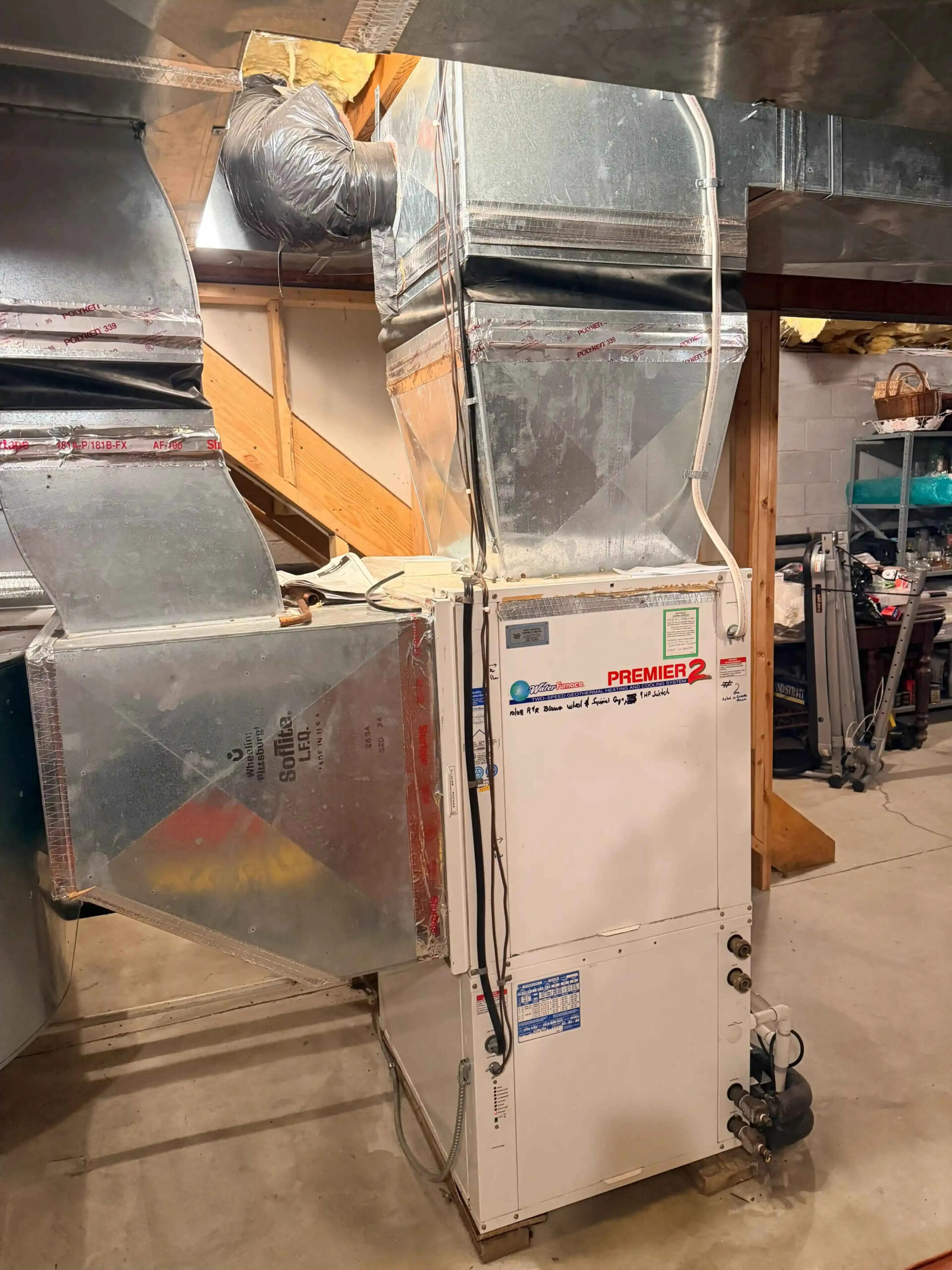
Furnaces light fuel to create heat and then blow that warm air through ductwork. A thermostat turns the unit on and off to keep the set temperature. This setup heats spaces quickly, which is why many homeowners choose furnaces for cold weather.
Why Do Many NJ Homeowners Prefer Furnaces for Winter Heating?
Many homeowners pick furnaces for their fast, steady heat and reliability in very cold weather. Also, people often stick with furnaces because the system and ductwork are already in place and familiar to them.
How Do Heat Pump and Furnace Costs Compare for NJ Homeowners?
Compare both upfront and running costs. Heat pumps often cost more to install but can lower yearly utility bills. Furnaces may be cheaper to install but can lead to higher fuel costs during long cold periods.
How Does Heat Pump Installation and Maintenance Affect Your Budget?
Professional installation matters for heat pump performance, and regular maintenance keeps it efficient. Budget for installation and yearly service when planning. If you are looking at a new system, learning about air conditioning installation steps helps set expectations.
Which Heating System Uses Energy More Wisely in NJ Winters?
Heat pumps usually use less energy than furnaces in mild to moderate conditions because they move heat instead of making it. Still, fuel prices and your home’s heating needs affect which option saves more money for you.
What Common Mistakes Should NJ Homeowners Avoid When Choosing Heating Systems?
Avoid these common mistakes when choosing a system:
- Overlooking long-term costs: Focusing solely on initial installation costs can lead to higher expenses down the line.
- Ignoring maintenance needs: Neglecting regular maintenance can result in decreased efficiency and higher repair costs.
- Not considering energy efficiency: Failing to evaluate the energy efficiency of heating systems can lead to increased utility bills.
How Can You Decide the Best Heating System for Your NJ Home?
To decide, look at your home’s size, insulation, and your budget. Think about long-term bills and how cold your area gets. These factors point to the best fit for your house.
What Factors Should Influence Your Heating System Selection?
Check these key factors before you buy:
- Energy efficiency ratings: Look for systems with high efficiency to save on energy costs.
- Installation costs: Consider the upfront costs of installation and any potential rebates or incentives.
- Maintenance requirements: Evaluate the maintenance needs of each system to ensure long-term reliability.
Where Can You Find Trusted NJ Experts for Installation and Service?
Find local HVAC professionals with good reviews and the right certifications. Ask for references and check credentials. Trusted contractors also handle air conditioning repair and routine service.
Frequently Asked Questions
1. What are the environmental impacts of using heat pumps versus furnaces?
Heat pumps usually have a smaller environmental footprint because they use electricity to move heat instead of burning fuel. If your electricity comes from renewable sources, a heat pump can cut greenhouse gas emissions. Furnaces that burn gas, oil, or propane release carbon emissions, so they tend to have a bigger impact.
2. How do heat pumps and furnaces affect indoor air quality?
Heat pumps often help air quality because they keep air moving and can include good filters. Modern units may have stronger filtration than older systems. Furnaces can dry the air and collect dust if filters are not changed often. Regular filter changes help both systems keep indoor air cleaner.
3. What subsidies or incentives are available for installing heat pumps in NJ?
New Jersey homeowners may find rebates from utilities, state programs, and federal tax credits for heat pump installs. Programs like the New Jersey Clean Energy Program offer help. Check local utility sites and state energy offices for current offers and eligibility rules before you plan work.
4. How long does it take to install a heat pump or furnace?
Installing a heat pump usually takes one to three days, depending on the system and your home. Furnace installs take a similar time, but adding or changing ductwork can extend the project. Ask your HVAC professional for a timeline tailored to your home.
5. How can homeowners ensure their heating system is environmentally friendly?
Choose a system that runs on clean energy when possible, pick high efficiency ratings, and consider solar power to cut emissions. Heat pumps with solar panels make a strong green combo. Keep systems well maintained to avoid wasted energy and check local incentives that support greener options.
6. What are the signs that indicate your heating system needs maintenance?
Watch for odd noises like banging or rattling, uneven heating, higher energy bills, and weak airflow. If the system cycles on and off a lot or hasn’t been serviced in over a year, call a pro. Timely maintenance prevents bigger problems later.
7. Can heat pumps and furnaces be used interchangeably for cooling?
Furnaces only heat. Many heat pumps also cool by reversing their cycle, so one unit can handle both seasons. That makes heat pumps a versatile option if you want one system for heating and cooling.
Conclusion
Both heat pumps and furnaces can heat New Jersey homes well, but they work differently and have different costs. Heat pumps save energy in many cases and offer year-round comfort, while furnaces give fast, reliable heat in very cold weather. From our experience, the best choice depends on your home size, insulation, budget, and local fuel prices. Talk with HVAC professionals to get an assessment and a plan that fits your needs.
Related Services
Keep Reading
- Is a Geothermal Heat Pump Worth the Upfront Cost?
- Do Heat Pumps Really Work in Cold New Jersey Winters?
Browse all HVAC tips and guides.
Need a technician? Perfection Contracting serves homeowners across Sussex County, NJ and the surrounding North Jersey service area.