
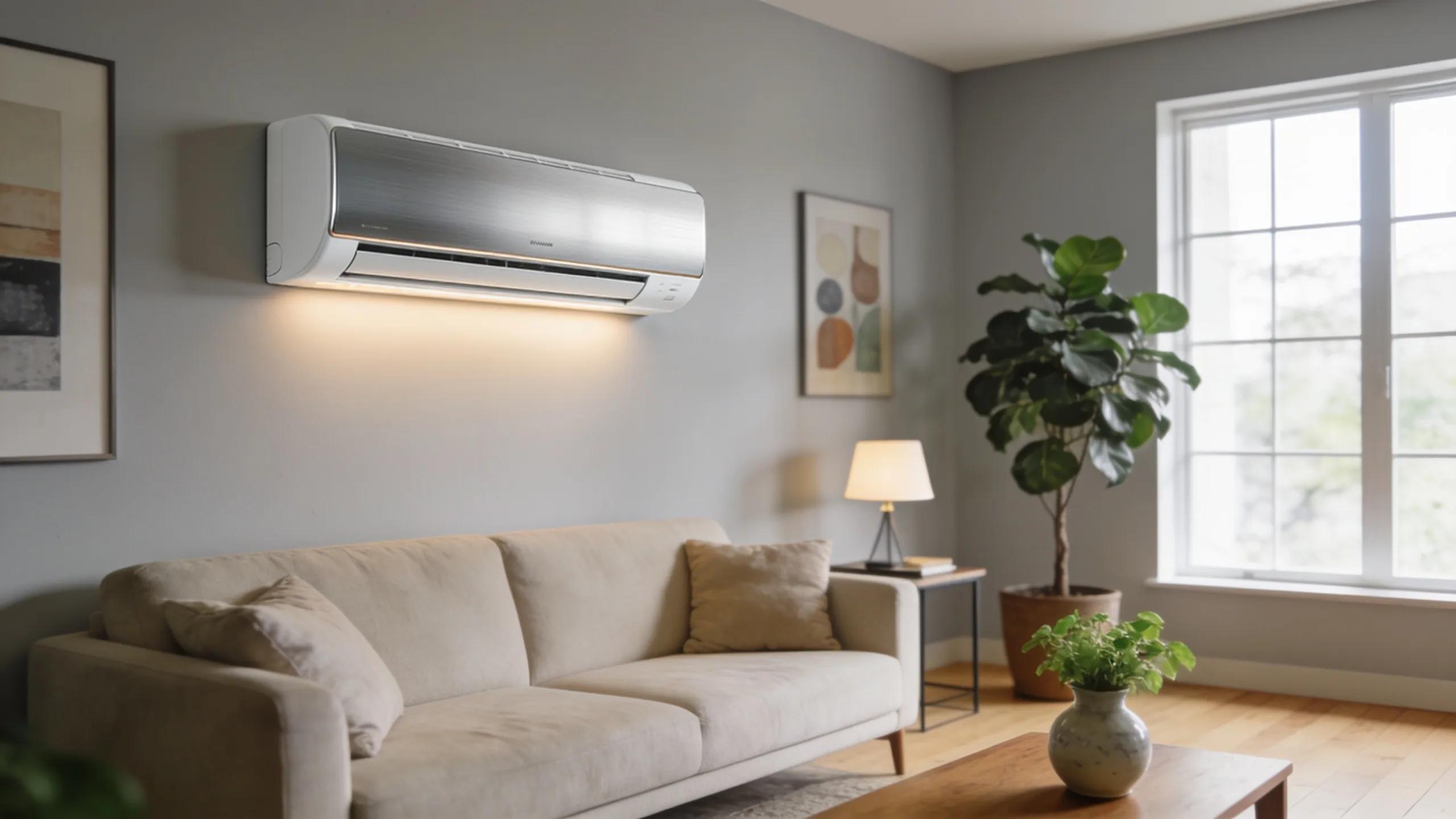
Wall-Mounted AC Without an Outdoor Unit: Do They Work for New Jersey Homeowners?
Homeowners looking for efficient cooling often consider wall-mounted ACs that don’t need ductwork. Ductless mini-splits are the main option. They give targeted comfort without major renovations. From our experience, they work well in homes that lack ducts. This article looks at how they perform, what installation involves, energy use, and upkeep for New Jersey homeowners. Many people deal with high energy bills and difficult installs with older systems. Wall-mounted units offer a practical alternative: comfort with less disruption. We’ll cover how they work, whether they suit the local climate, and the main trade-offs.
-
Ductless mini-split wall-mounted AC units provide targeted heating and cooling without requiring ductwork.
-
These systems enable zoned temperature control, improving comfort and reducing energy waste in different rooms.
-
Installation involves mounting indoor units and connecting them to outdoor compressors through small wall openings.
-
Ductless systems offer superior energy efficiency, with potential savings of 30-50% on cooling costs compared to traditional units.
-
They perform well in New Jersey’s humid summers and cold winters, providing year-round heating and cooling.
-
Regular maintenance, including filter changes and annual inspections, is essential to maintain system efficiency and longevity.
-
Portable AC units without outdoor components are less efficient and provide uneven cooling compared to ductless mini-splits.
-
Choosing between ductless mini-splits and portable ACs depends on space, energy efficiency, installation complexity, and budget.
-
Professional installation and adherence to local building codes ensure optimal performance and compliance for wall-mounted AC units.
Ductless mini-split wall-mounted AC units provide targeted heating and cooling without requiring ductwork.
These systems enable zoned temperature control, improving comfort and reducing energy waste in different rooms.
Installation involves mounting indoor units and connecting them to outdoor compressors through small wall openings.
Ductless systems offer superior energy efficiency, with potential savings of 30-50% on cooling costs compared to traditional units.
They perform well in New Jersey’s humid summers and cold winters, providing year-round heating and cooling.
Regular maintenance, including filter changes and annual inspections, is essential to maintain system efficiency and longevity.
Portable AC units without outdoor components are less efficient and provide uneven cooling compared to ductless mini-splits.
Choosing between ductless mini-splits and portable ACs depends on space, energy efficiency, installation complexity, and budget.
Professional installation and adherence to local building codes ensure optimal performance and compliance for wall-mounted AC units.
Effectiveness and Suitability
Ductless systems cool and heat specific rooms. They work well in houses that don’t have ductwork. You can set different temperatures for each room to match how you use the space. That cuts wasted energy because you don’t cool rooms that aren’t in use. In larger or multi-storey homes, zoned control can make a noticeable comfort difference.
Installation Requirements
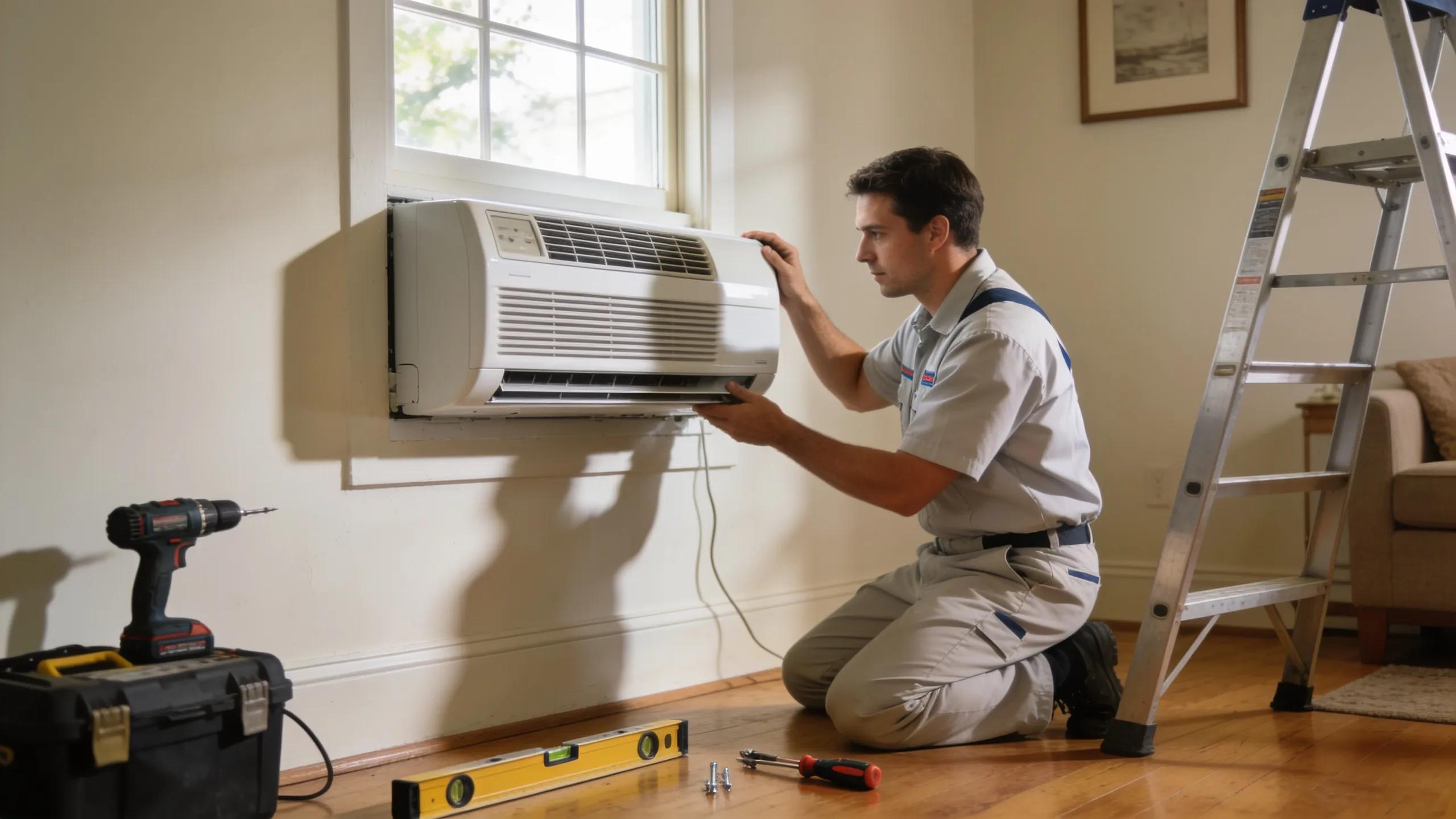
Installation starts with mounting the indoor unit on a wall and running a small set of lines through a hole to the outdoor compressor. Correct sizing and placement matter for good performance. From our experience, a skilled technician can often finish a typical install in a few hours with little disruption. For homeowners in New Jersey, seeking professional air conditioning installation services helps ensure the system runs well and meets local codes.
Energy Efficiency
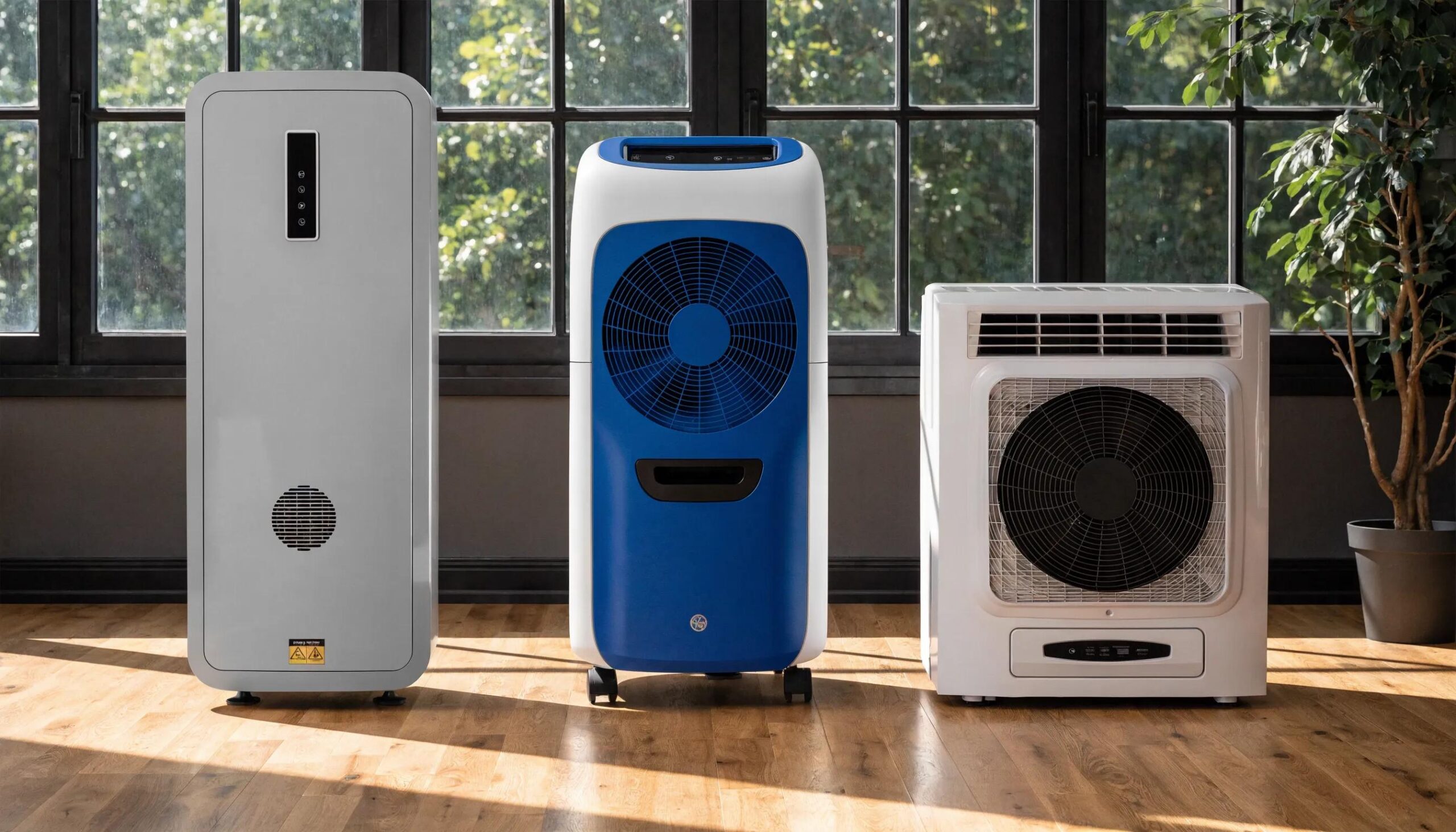
Ductless systems often use less power than older units. Inverter compressors change speed to match cooling demand, which keeps temperatures steady and lowers electricity use. Some homeowners qualify for rebates when they install efficient models. That can make ductless mini-splits a cost-smart option.
System Type
Energy Efficiency Rating
Potential Savings
Ductless Mini-Split
Up to 30 SEER
30-50% on cooling costs
Portable AC
8-12 EER
10-20% on cooling costs
Window AC
10-14 EER
15-25% on cooling costs
The table shows how much you can save with ductless mini-splits versus other common options.
Climate Compatibility
Ductless units handle New Jersey weather well—humid summers and cold winters. They can heat and cool, so you get year-round comfort. In many cases they perform better than older single-function systems during temperature extremes.
Maintenance Needs
Regular care keeps a ductless system running longer and using less energy. Change filters every one to three months to keep airflow steady. Get a professional inspection once a year to catch small issues early. From our experience, yearly checks pay off by preventing bigger repairs.
What Are Wall-Mounted Air Conditioners Without Outdoor Units?
When people talk about wall-mounted ACs without ducts, they usually mean ductless mini-splits. These systems pair an indoor air handler with an outdoor compressor. The indoor unit delivers room-by-room control while the compressor sits outside. They fit homes that lack ductwork and avoid large renovations. That makes them a good way to improve comfort without wasting energy.
How Do Ductless Mini Split Air Conditioners Operate Indoors?
The outdoor unit moves heat outside and the refrigerant carries it between units. The indoor unit cools or heats the room air and circulates it back into the space. You can set each indoor unit to a different temperature. From our experience, zoning is one of the biggest benefits for real comfort and lower energy use.
Do Portable Air Conditioners Without Outdoor Units Provide Effective Cooling?
Portable ACs usually need a single exhaust hose to vent hot air outside. That makes cooling uneven and slower than ductless systems. They can be useful for short-term or temporary needs, but they don’t match the comfort level or long-term energy savings of a wall-mounted ductless system.
When Is a Portable AC a Suitable Alternative for Apartments?
Portable units are a practical choice for apartments that can’t have an outdoor compressor. They let you cool a specific area and don’t need permanent changes to the building. They’re easier to set up, but expect louder operation and limited cooling capacity compared with ductless units.
What Are the Pros and Cons of Split System Air Conditioners Without Outdoor Units?
Ductless systems bring higher energy savings, zoned comfort, and better filtration. The downsides are visible indoor units and a higher upfront cost. You’ll also need a professional installer to get the most from the system.
-
Pros: High efficiency and energy savingsZoned comfort for individual room controlImproved indoor air quality with better filtration
-
Cons: Visible indoor units may not suit all aestheticsHigher initial investment compared to traditional systemsRequires professional installation for optimal performance
Pros: High efficiency and energy savingsZoned comfort for individual room controlImproved indoor air quality with better filtration
Cons: Visible indoor units may not suit all aestheticsHigher initial investment compared to traditional systemsRequires professional installation for optimal performance
How Do Installation and Maintenance Affect Wall-Mounted AC Performance?
Correct sizing and a proper install directly affect how well the system performs. Regular filter changes and annual professional inspections keep it running efficiently and extend its life. Prioritize these steps to protect your investment and avoid avoidable repairs.
What Should Homeowners Know About Installing ACs Without Outdoor Units?
Installing wall-mounted units usually means limited, low-impact work to the wall. Unit placement is key for good airflow, so consult a professional to find the best locations. Know the routine care required so the system lasts and runs reliably.
How Can Routine Maintenance Extend System Lifespan and Efficiency?
Routine maintenance keeps the system working and helps it last longer. Clean or change filters regularly, keep coils clean, and check refrigerant levels. Annual professional checks find small problems early and reduce the chance of costly repairs later.
Which Is the Best Air Conditioner for Apartments Without Outdoor Units in Morris County, NJ?
For apartments without space for an outdoor compressor, ductless mini-splits are often the best long-term choice. They provide heating and cooling year-round with good energy use. Portable ACs can be a lower-cost short-term choice, but weigh their higher running costs and the need for air conditioning service when you decide.
How to Choose Between Ductless Mini Splits and Portable ACs for Your Space
When you decide, think about space, running costs, and installation needs.
-
Space Requirements: Ductless systems require wall space for installation, while portable units can be moved as needed.
-
Energy Efficiency: Ductless systems typically offer better energy efficiency and lower operating costs.
-
Installation Factors: Ductless systems require professional installation, whereas portable units are easier to set up.
Space Requirements: Ductless systems require wall space for installation, while portable units can be moved as needed.
Energy Efficiency: Ductless systems typically offer better energy efficiency and lower operating costs.
Installation Factors: Ductless systems require professional installation, whereas portable units are easier to set up.
Weigh these points to choose the option that fits your home and budget.
What Local Factors Influence AC Selection and Installation?
Local climate matters when picking a system. New Jersey’s humid summers need units that handle moisture and heat well. Building rules and your home’s layout also shape what you can install. Talk with local HVAC pros who know the area to pick a system that performs well for your house.
Frequently Asked Questions
What is the lifespan of a wall-mounted AC without an outdoor unit?
Ductless mini-splits usually last 15 to 20 years with proper care. Regular filter changes and yearly professional inspections help them reach that lifespan. How often you use the unit, local weather, and installation quality also affect longevity. From our experience, fixing small issues quickly keeps units running longer.
How noisy are ductless mini-split systems compared to traditional AC?
Ductless mini-splits are generally quieter than window or central AC units. Indoor components can run as low as 19 dB, about the level of a whisper. Central systems often sound louder because of blowers and ductwork. That makes ductless a good choice for bedrooms and quiet spaces. Proper installation of both indoor and outdoor units can reduce noise further.
Can I install a wall-mounted AC unit myself?
Some homeowners consider DIY installation, but we recommend a professional. Correct sizing, placement, and a proper connection to the outdoor compressor matter for performance. Mistakes can cause poor operation, higher bills, and damage. A qualified technician also ensures the work meets local building codes and lasts longer.
What are the ruling regulations regarding wall-mounted AC systems in New Jersey?
In New Jersey, wall-mounted systems must meet local building codes that cover safe installation. Rules include requirements for electrical wiring, drainage, and placement to protect the structure. Consult certified HVAC professionals who know local codes to keep the installation compliant and avoid fines.
Are ductless mini-split systems more suitable for certain room sizes?
Ductless systems can suit a wide range of room sizes when they’re sized correctly. An appropriately sized unit delivers the best comfort and energy use. They work well for small rooms, larger open-plan areas, or multiple rooms with separate indoor units. Talk to an HVAC specialist to match unit size to your room and needs.
How do I know if a ductless mini-split is right for my home?
To decide if a ductless mini-split fits your home, check your house size, whether you have ducts, local climate, and your budget. These systems are especially useful when you don’t have ductwork and want room-by-room control. A professional assessment gives tailored recommendations on models and costs so you can choose with confidence.
What are the energy-saving benefits of using a ductless mini-split system?
Ductless mini-splits save energy because you can cool only the rooms you use. Inverter technology adjusts compressor speed to match demand, reducing power use. Homeowners often see 30–50% lower cooling costs compared with older central systems, which helps keep utility bills down.
Conclusion
Ductless mini-splits give targeted climate control and can cut cooling costs for New Jersey homes. They handle seasonal changes and fit many house layouts. Choose the right size, have a professional install it, and keep up with routine care to secure long-term comfort and savings.
Related Services
- Cooling Services
- Air Conditioning Repair
- Air Conditioning Installation
- Air Conditioning Maintenance Service
Keep Reading
- How Central Air Conditioning Works | Morris County, NJ
- How to Fix Inconsistent Cooling in Your Home Without Major Renovations
- Do Heat Pumps Really Work in Cold New Jersey Winters?
Browse all HVAC tips and guides.
Need a technician? Perfection Contracting serves homeowners across Sussex County, NJ and the surrounding North Jersey service area.