What a Furnace Limit Switch Actually Does: Clear Guide for Homeowners
Knowing what a furnace limit switch does helps you keep your heater safe and working well. The switch watches the furnace temperature and stops the unit if it gets too hot. That prevents fires and damage. This article explains why the switch matters, common problems, how to spot failures, and simple checks you can do at home.
- The furnace limit switch monitors furnace temperature to prevent overheating and potential fire hazards.
- It automatically shuts off the furnace when temperatures exceed safe limits, ensuring home safety.
- Common issues include frequent shutdowns, overheating, and rapid cycling indicating limit switch problems.
- Signs of failure include inconsistent heating, unusual noises, and unexpected furnace shutdowns.
- Troubleshooting involves checking airflow, inspecting the limit switch, and verifying thermostat settings.
- Testing the limit switch with a multimeter helps confirm its proper operation or need for replacement.
- Resetting the limit switch is appropriate after fixing overheating causes but repeated trips require professional help.
- Furnace safety controls like flame sensors and pressure switches complement the limit switch for comprehensive protection.
- Regular HVAC maintenance supports limit switch performance by ensuring clean filters and proper airflow.
Function and Importance of a Furnace Limit Switch
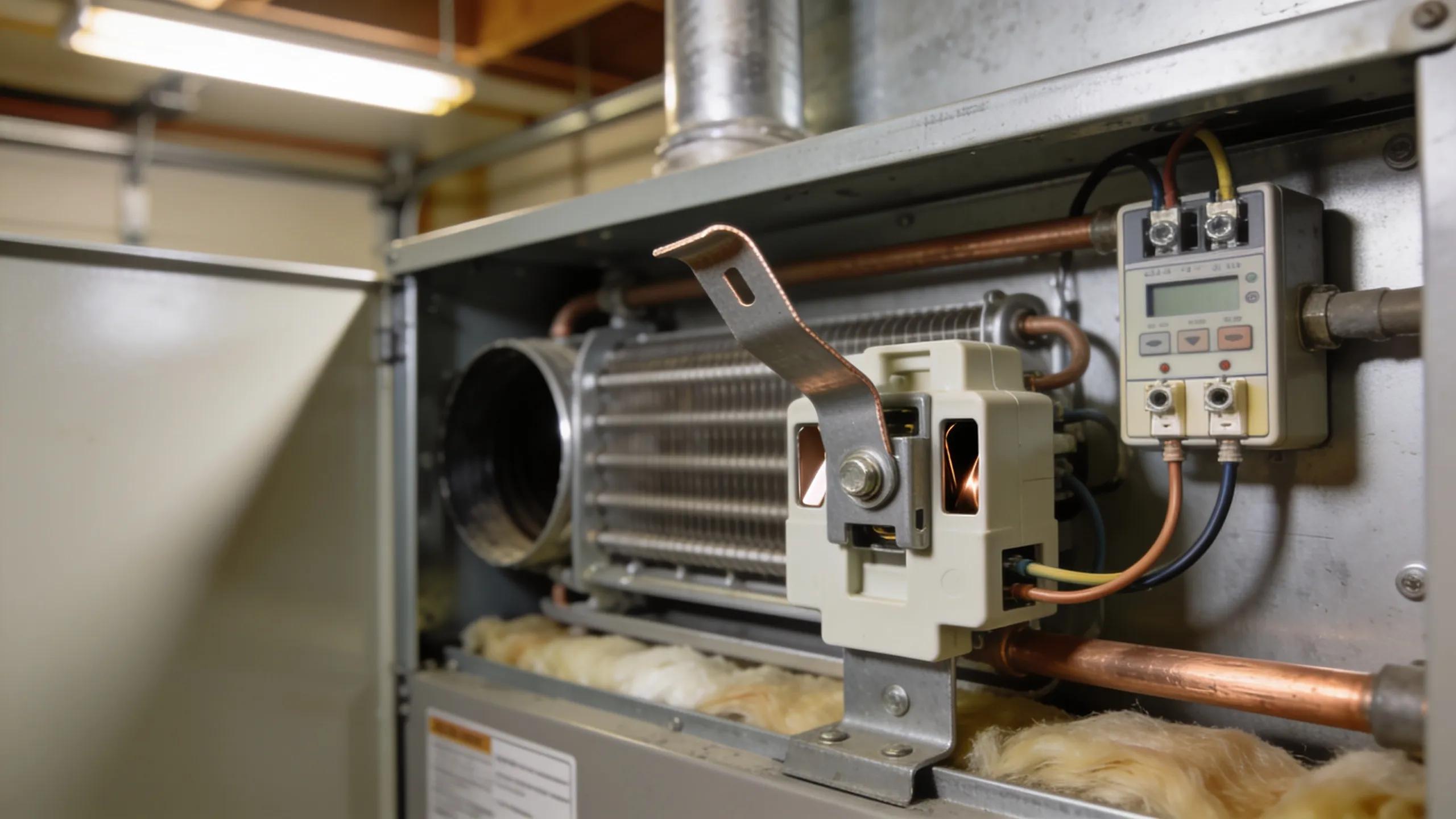
A furnace limit switch is a safety part that watches the furnace temperature and keeps it within safe limits. If the temperature goes past a set point, the switch turns the furnace off to stop overheating and lower fire risk. That protects your home and helps the system last longer. From our experience, regular checks catch small problems before they grow.
Perfection Contracting Inc specializes in HVAC services and can check your furnace during scheduled maintenance. From our experience, annual inspections catch small problems before they get worse. For other home comfort needs, see their air conditioning service.
Common Issues to Watch For
Watch for these common limit switch issues:
- Frequent Shutdowns: If your furnace frequently shuts off, it may be a sign that the limit switch is malfunctioning.
- Overheating: An overheating furnace can signal that the limit switch is not functioning correctly, leading to potential safety hazards.
- Rapid Cycling: If the furnace turns on and off quickly, this could indicate a problem with the limit switch or other components.
Spotting these signs early lets you fix issues before they get worse and keeps your system safe and running well.
Signs of Failure
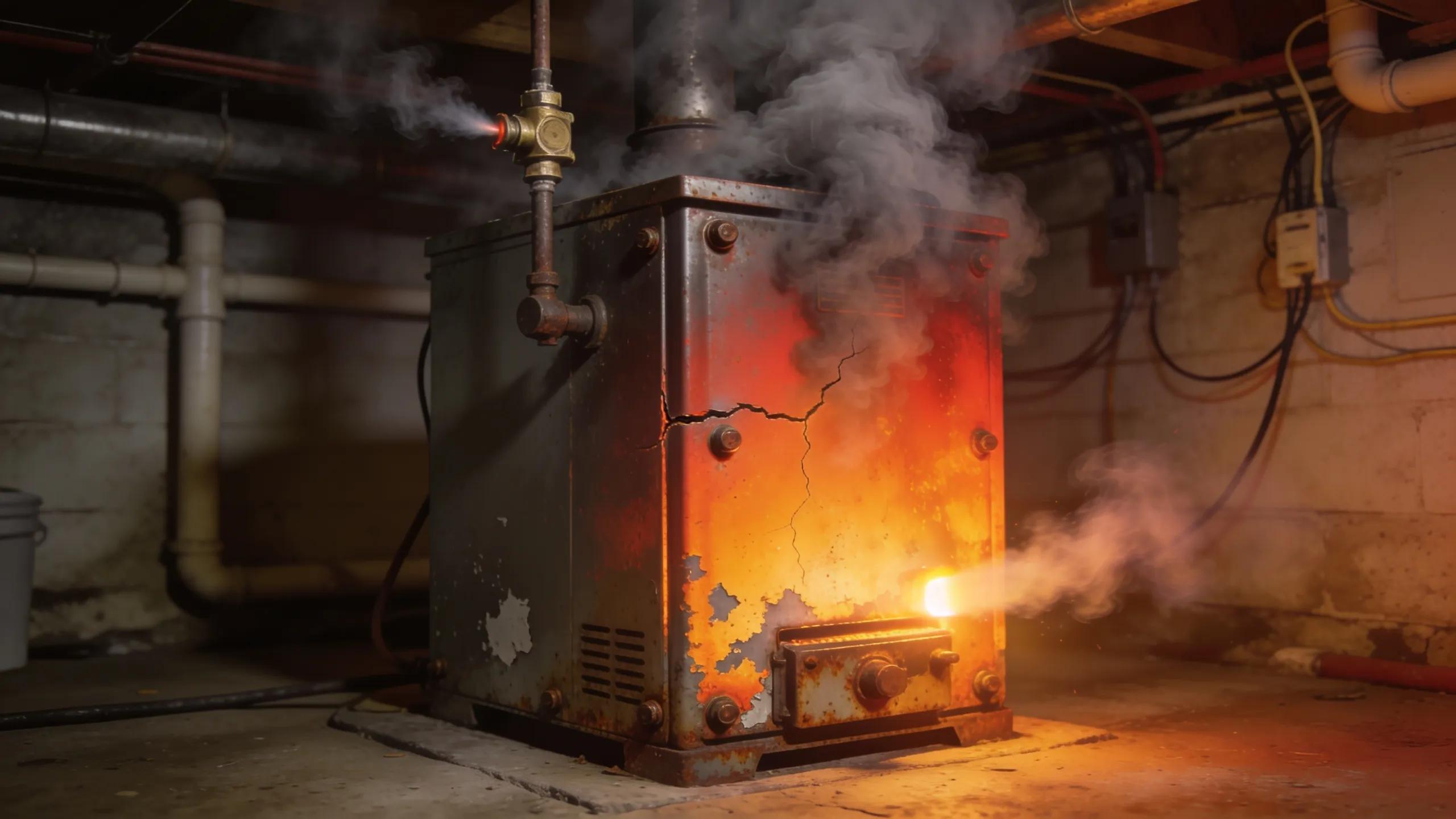
Knowing the signs of a failing limit switch helps you act fast. Common symptoms include:
- Inconsistent Heating: If certain areas of your home are not heating evenly, it may indicate a problem with the limit switch.
- Unusual Noises: Strange sounds coming from the furnace can be a sign of mechanical issues, including problems with the limit switch.
- Frequent Shutdowns: A limit switch that is failing may cause the furnace to shut down unexpectedly, disrupting your heating.
If you see these signs, check things like installation and airflow. Fixing the cause early prevents bigger problems.
Troubleshooting Tips
Try a few basic checks before calling a technician. Start with these tips:
- Check Airflow and Filters: Ensure that the airflow to the furnace is not obstructed and that filters are clean. Poor airflow can cause overheating and trigger the limit switch.
- Inspect the Limit Switch: Look for any visible signs of damage or wear on the limit switch itself. If it appears faulty, it may need to be replaced.
- Monitor Thermostat Settings: Ensure that your thermostat is set correctly and functioning properly, as incorrect settings can lead to issues with the limit switch.
If those steps don’t help, call a professional. For reliable HVAC work, including new system installs, see their air conditioning installation services.
What Role Does the Limit Switch Play in Preventing Overheating?
The limit switch stops overheating by watching the furnace temperature. When temps pass the safe level, it shuts the furnace off. That protects the unit and your home from fire risk.
Where Is the Furnace Limit Switch Located Inside Your Heating System?
You’ll usually find the limit switch near the heat exchanger or on the control board. That position lets it measure the air temperature moving through the system. Knowing where it sits makes checks easier.
How Can Furnace Overheating Problems Indicate Limit Switch Issues?
If the switch fails to turn the furnace off, the unit can overheat. Overheating raises safety risks and can damage parts. Regular checks and service help find and fix the issue before it gets worse.
To understand the broader implications of overheating in mechanical systems, consider how such issues can compromise efficiency and lead to system failure.
Understanding Overheating in Mechanical Systems
Machines are electrical and mechanical devices that make work faster and more precise. Overheating is an unwanted rise in temperature during operation. It lowers performance, wastes energy, and can cause parts to fail. Overheating can also be dangerous for the operator.
Design and Implementation of a Sensor-Based Machine Overheat Protection System with Alarm Notification, SA Akangbe, 2024
What Symptoms Should Prompt You to Check the Furnace Safety Switch?
If heat is uneven, you hear odd noises, or the furnace keeps shutting off, check the safety switch. Fixing these early can stop bigger damage and keep your home safe.
How Can You Test and Troubleshoot a Furnace Limit Switch?
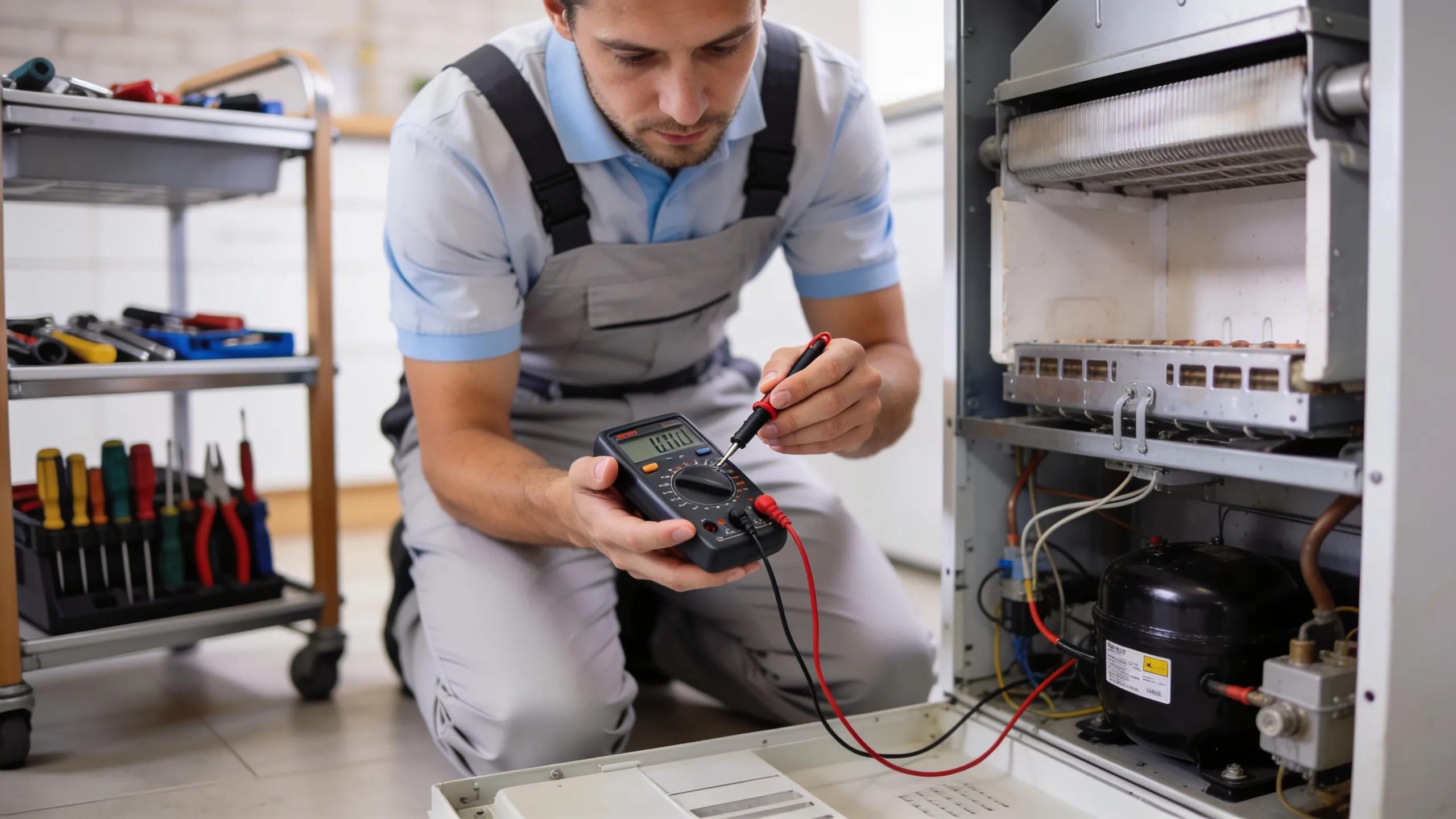
You can test the limit switch with a multimeter to check continuity. That shows if it opens and closes at the right times. If it fails the test, it should be replaced.
What Simple Steps Can Homeowners Take to Test the Limit Switch?
You can do a few basic checks yourself:
- Turn Off Power: Always turn off the power to the furnace before performing any tests.
- Access the Limit Switch: Locate the limit switch and inspect it for any visible damage.
- Use a Multimeter: Test the switch for continuity using a multimeter to ensure it is functioning correctly.
If the switch fails the test, plan to replace it so the furnace works safely.
When Is Resetting the Furnace Limit Switch Appropriate?
Reset the switch only after you fix the cause, such as cleaning filters or clearing blocked airflow. If it keeps tripping, get a technician to find the root problem.
When Should You Consider Limit Switch Replacement or Professional Repair?
If the limit switch keeps failing or shows wear, it may need replacement. If troubleshooting doesn’t resolve the issue, call a professional. Perfection Contracting Inc offers expert HVAC repair services, including air conditioning repair.
How Do Furnace Safety Controls Work Together to Protect Your Heating System?
Safety parts work together to keep the furnace safe. The limit switch watches temperature. Flame sensors check that the burner lights properly. Pressure switches monitor airflow and venting. Together they lower the chance of overheating and other hazards.
What Other Safety Devices Complement the Furnace Limit Switch?
Other safety parts include:
- Flame Sensors: Detect the presence of a flame and ensure safe operation.
- Pressure Switches: Monitor the pressure within the furnace and shut it down if unsafe levels are detected.
- Thermostats: Regulate temperature settings and ensure the furnace operates within safe limits.
These devices work together to create a safety system for your heating system.
How Does Regular HVAC Maintenance Support Limit Switch Performance?
Regular maintenance keeps the limit switch and other parts working. Inspections clean filters, check airflow, and spot worn components. From our experience, routine service prevents many common failures and saves repair costs.
Frequently Asked Questions
What are the common causes of a failing furnace limit switch?
Dirt that blocks airflow, a faulty thermostat, age, or electrical faults can cause a limit switch to fail. Clean filters and regular service can prevent many of these issues and extend the life of your heating system.
How often should a furnace limit switch be checked?
Have the limit switch checked during annual HVAC service. Also glance at it if you notice odd heating or frequent shutdowns. Regular checks help the furnace run safely all year.
What steps should be taken if a limit switch continually trips?
If it keeps tripping, check and replace dirty filters, look for loose wiring, and clear any airflow blockages. If those checks don’t fix the problem, call an HVAC technician to inspect internal controls and wiring.
Can a faulty limit switch affect other parts of the heating system?
Yes. A bad limit switch can allow the furnace to overheat and damage the heat exchanger or other parts. It can also cause short cycling, which stresses the whole system. Keeping the switch working protects the furnace overall.
Is it possible to replace a furnace limit switch yourself?
Some homeowners with basic electrical skills can replace a limit switch. Always turn off power to the furnace first to avoid shocks. If you’re unsure, hire a qualified HVAC technician to protect safety and any warranties.
What should I do if my furnace is making unusual noises?
If you hear banging, squealing, or other odd sounds, listen to locate the source and turn the furnace off if it seems unsafe. These noises can signal mechanical problems. If they continue, have a technician diagnose the issue to avoid bigger damage.
Conclusion
Knowing what the limit switch does helps you keep your heating system safe and working longer. The switch stops overheating and protects the furnace. Watch for warning signs and schedule regular maintenance. For professional HVAC help, view our services.
Related Services
- Furnace Repair Service
- Furnace Installation
- Heating Services
- Heating Repair
- Heating Installation & Replacement
Keep Reading
- AC Problems During Heat Waves
- Furnace Ignitor Replacement Cost in NJ
- Furnace Not Blowing Hot Air? Common Causes
Browse all HVAC tips and guides.
Need a technician? Perfection Contracting serves homeowners across Sussex County, NJ and the surrounding North Jersey service area.