
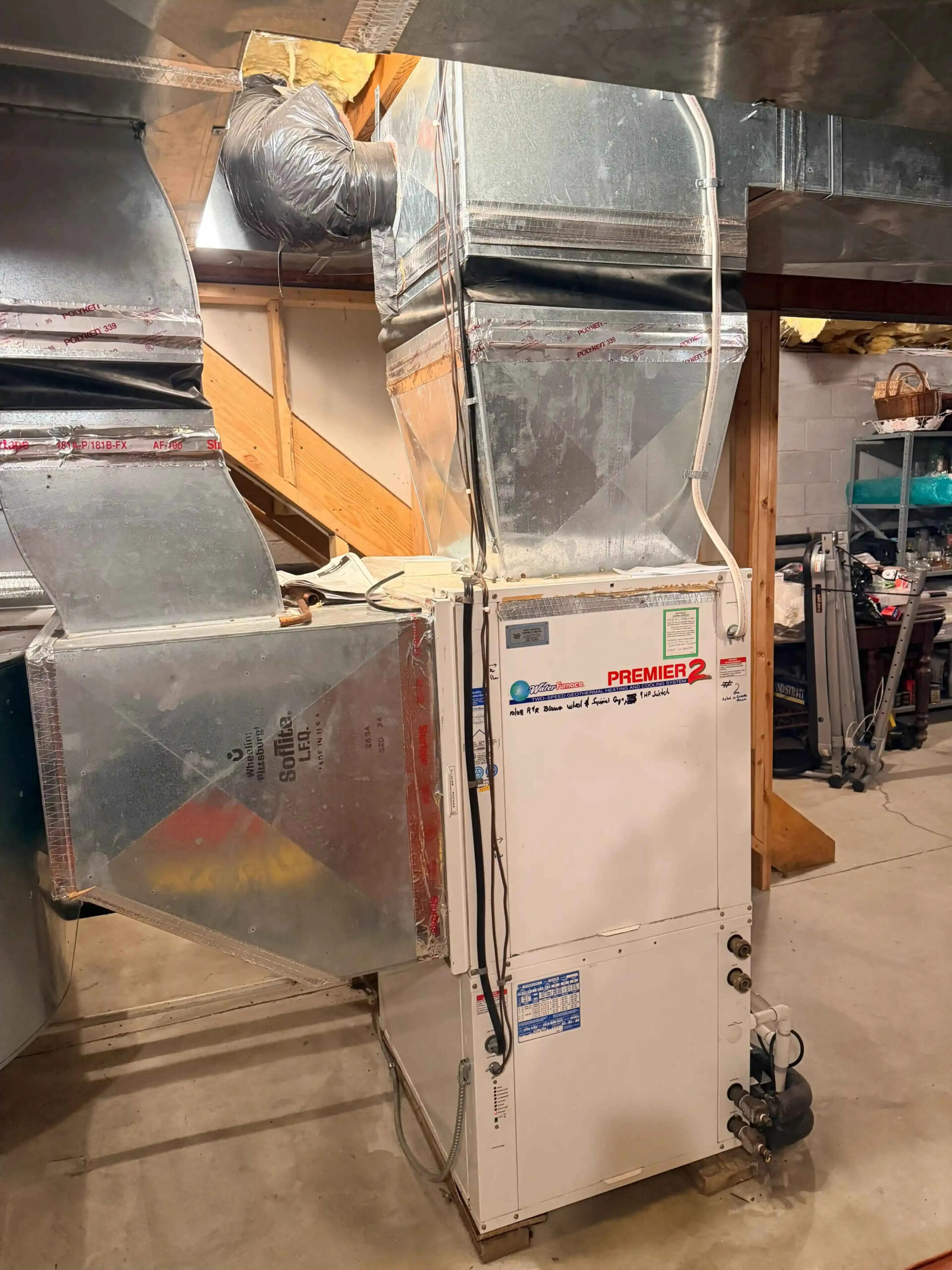
Should You Convert From Oil Heat to Natural Gas? Clear Guidance for NJ Homeowners
Energy costs are rising, and many homeowners are rethinking oil heat. From our experience, switching to natural gas can lower fuel bills, improve how the system performs, and cut emissions. This article outlines the conversion steps, likely costs, and what New Jersey homeowners should check. Knowing the pros and cons helps you pick the best heating choice for your home.
We’ll explain the benefits, the conversion steps, the costs to expect, and common myths about natural gas. We also cover local rebates in New Jersey and what to look for when hiring an HVAC contractor to make the switch go smoothly.
- Converting from oil heat to natural gas can reduce monthly heating costs for New Jersey homeowners.
- Natural gas heating systems provide higher fuel efficiency compared to traditional oil heating systems.
- Switching to natural gas lowers greenhouse gas emissions, contributing to environmental sustainability.
- The conversion process involves assessment, removal of oil tanks, gas line installation, and final safety inspections.
- Conversion costs vary based on home size, existing system condition, and available local incentives or rebates.
- Proper planning and selecting a qualified HVAC contractor ensure a safe and timely heating system conversion.
- Natural gas heating requires less frequent maintenance than oil systems, reducing long-term upkeep expenses.
- Natural gas prices tend to be more stable than oil, allowing for better heating budget management.
- Homeowners should verify local regulations and natural gas availability before initiating the conversion process.
Benefits of Converting from Oil to Gas
Switching to natural gas brings clear benefits for your home heating.
- Cost Savings: Natural gas is often less expensive than oil, leading to lower monthly heating bills. Homeowners can expect to see a reduction in their energy costs, especially during the winter months when heating demands are high.
- Efficiency Improvements: Natural gas heating systems usually operate more efficiently than oil systems, providing more heat per unit of fuel consumed. This efficiency translates to better performance and comfort in your home.
- Environmental Benefits: Natural gas burns cleaner than oil, resulting in lower greenhouse gas emissions. By converting to natural gas, homeowners can reduce their carbon footprint and contribute to a more sustainable future.
Perfection Contracting Inc. specializes in HVAC services, including natural gas furnace installation, to help make the switch and keep the project on track.
Understanding the Conversion Process
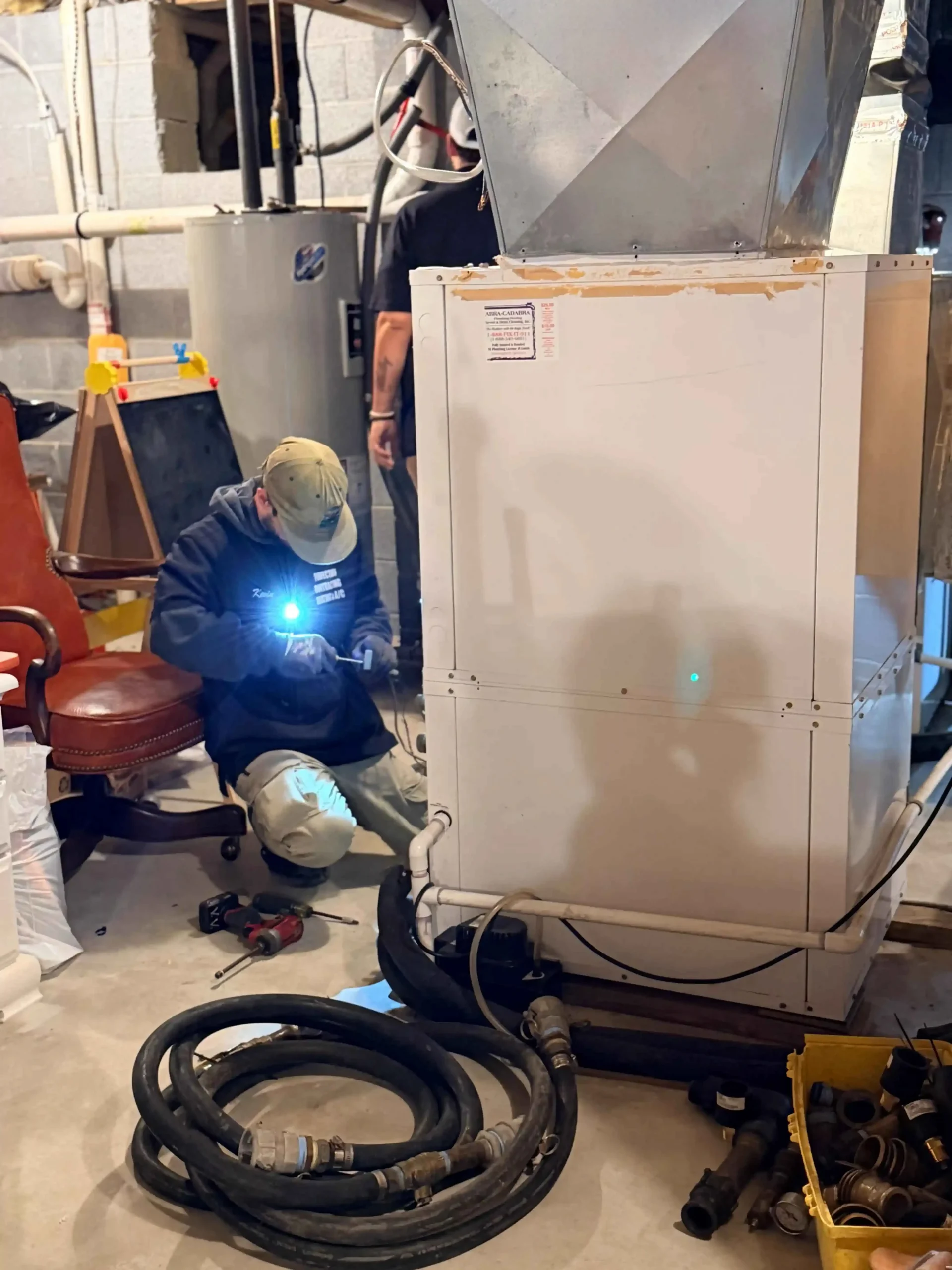
The conversion follows a few clear steps designed to keep the job safe and effective.
- Initial Assessment: A qualified HVAC contractor will evaluate your current heating system and determine the necessary modifications for the conversion.
- Installation Steps: This includes removing the oil tank, installing gas lines, and setting up the new natural gas heating system. Professional handling is crucial to ensuring compliance with local regulations and safety standards.
- Final Inspection: After installation, a final inspection is conducted to ensure everything is functioning correctly and safely.
Knowing these steps helps you prepare and reduces the chances of surprises or long delays.
Cost Factors
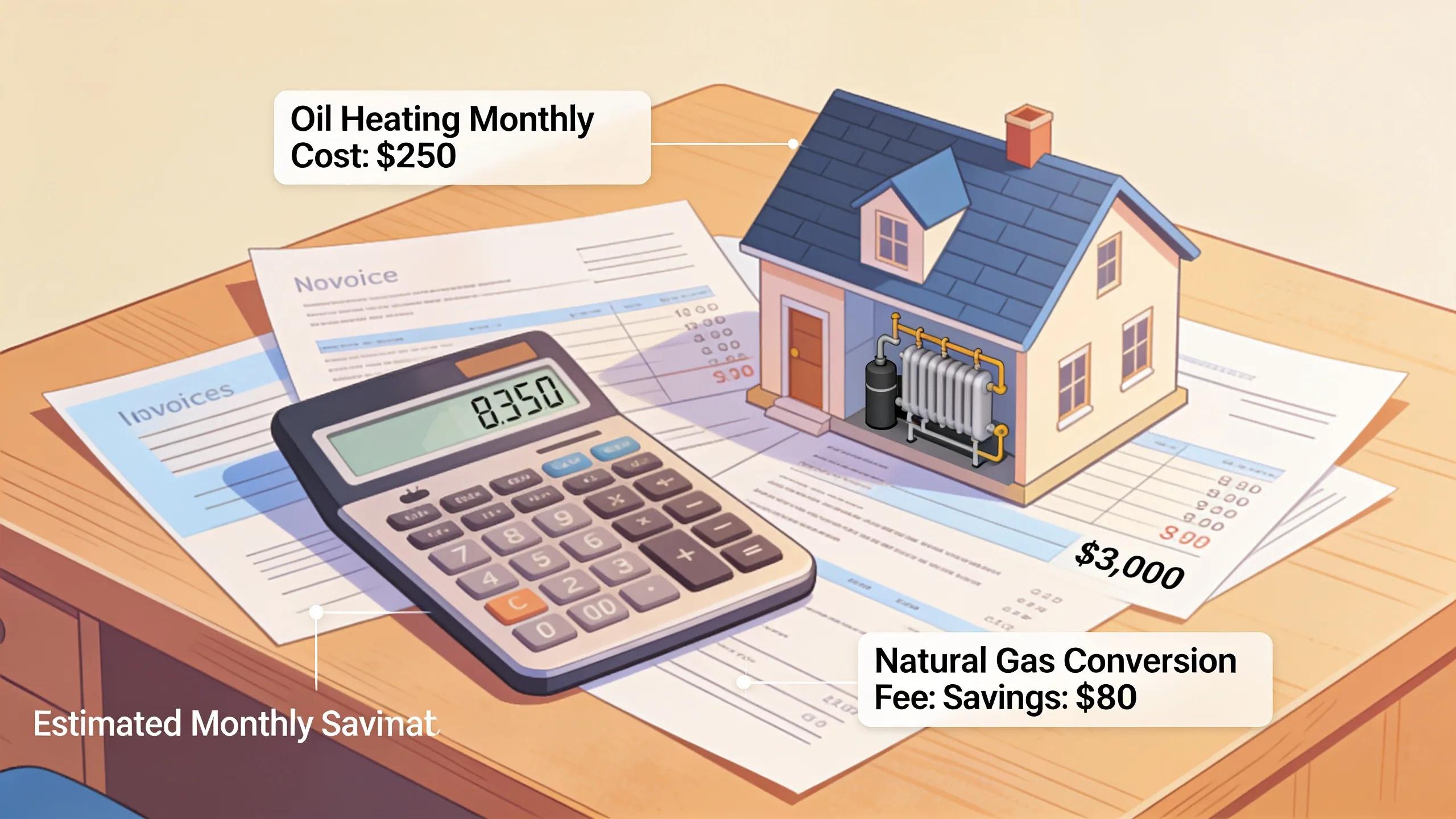
Several cost factors affect the total price when you switch from oil to natural gas.
- Home Size Impact: The size of your home will influence the overall cost of the conversion, as larger homes may require more extensive modifications and larger heating systems.
- Existing System Condition: The condition of your current oil heating system can affect conversion costs. If significant repairs or upgrades are needed, this can increase the overall expense.
- Available Incentives: Homeowners in New Jersey may qualify for local incentives or rebates that can help offset the costs of conversion. It’s essential to research these options to maximize savings.
This table shows how those factors can change the overall conversion cost.
Key Considerations
Before switching, think through a few important items.
- Safety: Natural gas is generally safe, but proper installation and maintenance are crucial to prevent leaks and ensure safe operation.
- Maintenance Needs: Natural gas systems typically require less maintenance than oil systems, but regular inspections are still necessary to ensure optimal performance.
- Home Value Impact: Converting to natural gas can enhance your home’s value, making it more attractive to potential buyers who prefer energy-efficient heating options.
Steps to Start the Conversion
Start the conversion with a few practical actions.
- Contact a Professional: Reach out to a qualified HVAC contractor to discuss your heating needs and assess your current system.
- Assess Heating Needs: Determine the appropriate size and type of natural gas heating system for your home.
- Plan Installation: Work with your contractor to create a detailed plan for the conversion, including timelines and costs.
These steps help keep the project on schedule and reduce risks during the work.
Why Consider Switching From Oil Heat to Natural Gas? Benefits and Real-World Tradeoffs
Switching is not only about short-term savings. It also changes how your home heats over the long term.
- Cost Savings: Over time, the savings on heating bills can add up significantly, making the initial investment worthwhile.
- Increased Efficiency: Natural gas systems often provide better heating performance, which can enhance comfort levels in your home.
- Cleaner Energy Source: Natural gas is a cleaner-burning fuel, which can help reduce your household’s environmental impact.
Also remember the upfront conversion cost and the need for routine checks to keep the system running well.
What Are the Main Advantages of Natural Gas Heating Over Oil?
Natural gas has a few clear benefits over oil.
- Lower Monthly Bills: Natural gas is typically cheaper than oil, leading to reduced heating costs.
- Better Heating Performance: Natural gas systems provide consistent and reliable heat, improving overall comfort.
- Less Maintenance: Natural gas systems generally require less frequent maintenance than oil systems, saving homeowners time and money.
Those benefits make natural gas a solid option for many homeowners thinking about an upgrade.
What Common Misconceptions Should Homeowners Avoid?
Homeowners should watch for myths that can cloud the decision to switch to natural gas.
- Conversion Costs: Many believe that converting to natural gas is prohibitively expensive, but local incentives can significantly reduce costs.
- Efficiency of Natural Gas: Some homeowners may underestimate the efficiency of natural gas systems compared to oil, leading to missed opportunities for savings.
- Environmental Impact: There is a misconception that natural gas is as harmful as oil, but it burns cleaner and produces fewer emissions.
Clearing up these myths helps you make a more practical choice for your home.
What Does the Oil to Gas Conversion Process Involve? Step-by-Step Overview
The conversion follows key steps most jobs use.
- Initial Assessment: A professional evaluation of your current heating system.
- Permitting: Obtaining necessary permits for installation.
- Installation Steps: Removing the oil tank, installing gas lines, and setting up the new heating system.
A professional guide at each stage reduces risk and keeps the work code-compliant.
Which Equipment and Permits Are Needed for Conversion?
The switch needs certain equipment and permits to meet safety rules.
- Gas Lines: Installation of new gas lines to connect the heating system to the gas supply.
- Heating System: A new natural gas furnace or boiler designed for your home’s heating needs.
- Permits: Local permits to ensure compliance with safety regulations.
Knowing the required equipment and permits helps you plan the work and budget.
How Long Does the Conversion Typically Take?
Time to complete the conversion can vary by project.
- Installation Duration: Typically, the installation can be completed within 1-3 days, depending on the project’s complexity.
- Factors Affecting Timeline: Weather conditions, the size of the home, and the existing heating system’s condition can all impact the timeline.
Plan ahead to keep disruption low and the schedule predictable.
How Much Does It Cost to Convert From Oil Heat to Natural Gas? Understanding Expenses
Conversion costs vary widely depending on the home’s needs and other factors.
- Cost Variations: On average, homeowners can expect to spend between $3,000 and $7,000 for the conversion, including equipment and installation.
- Long-Term Savings: While the upfront costs may seem high, the long-term savings on heating bills can make the investment worthwhile.
- Incentives Available: Homeowners should explore local incentives that can help offset conversion costs.
Knowing likely costs helps you set a realistic budget for the project.
What Factors Influence Oil to Gas Conversion Costs?
A few key factors shape the total cost of converting from oil to gas.
- Home Size: Larger homes may require more extensive systems and modifications, increasing costs.
- Existing System Condition: The condition of the current oil heating system can affect conversion expenses.
- Regional Variations: Costs can vary based on local labor rates and material availability.
Thinking through these items helps you plan for the expected expense.
Are There Local Incentives or Rebates in NJ, NY, and PA?
Homeowners in New Jersey, New York, and Pennsylvania may qualify for local incentives and rebates that lower conversion costs.
- State Programs: Many states offer programs that provide financial assistance for energy-efficient upgrades.
- Utility Company Rebates: Some utility companies offer rebates for homeowners who switch to natural gas heating systems.
Checking available programs can reduce your final outlay for the conversion.
What Are Common Mistakes During Oil to Gas Conversion and How to Avoid Them?
Watch for common mistakes that can slow the project or raise costs.
- Planning Mistakes: Failing to plan adequately can lead to unexpected costs and delays.
- Choosing the Right Contractor: Selecting an inexperienced contractor can result in poor installation and safety issues.
Avoiding those errors makes the conversion simpler and safer.
Why Is Proper Planning Essential for a Smooth Conversion?
Good planning is key to a successful oil to gas conversion.
- Avoiding Delays: A well-thought-out plan can help prevent delays during the installation process.
- Ensuring Safety: Proper planning ensures that all safety regulations are met, reducing the risk of accidents.
Prioritizing planning helps the job finish on time and meet safety standards.
How Can Choosing the Right HVAC Contractor Make a Difference?
Picking the right contractor has a big effect on the outcome.
- Expertise: A knowledgeable contractor provides valuable insights and recommendations throughout the process.
- Safety Compliance: Ensuring that the installation meets all safety standards is essential for the long-term performance of the heating system.
A skilled contractor helps the work meet codes and gives you confidence the system will run well for years.
How Does Natural Gas Heating Compare to Oil in Maintenance and Long-Term Savings?
Gas heating often wins on lower upkeep and long-term cost.
- Maintenance Frequency: Natural gas systems typically require less frequent maintenance, saving homeowners time and money.
- Cost Differences: The lower cost of natural gas compared to oil can lead to significant savings over time.
Knowing these differences helps you decide which system fits your home and budget over the long run.
What Are the Maintenance Differences Between Oil and Gas Systems?
Oil and gas systems need different kinds of care.
- Service Requirements: Oil systems require regular tank inspections and filter changes, while gas systems typically need less frequent servicing.
- Cost Implications: The reduced maintenance needs of gas systems can lead to lower overall costs for homeowners.
Knowing the service needs helps you plan for routine checks and set a service budget.
How Does Fuel Price Stability Affect Your Heating Budget?
Price stability matters for your heating budget.
- Price Fluctuations: Oil prices can be volatile, leading to unpredictable heating costs.
- Budgeting for Heating Costs: Natural gas prices tend to be more stable, allowing homeowners to budget more effectively for their heating expenses.
Knowing likely price trends helps you plan your heating costs over the season.
What Local Considerations Should NJ Homeowners Know About Switching to Natural Gas?
NJ homeowners should check local rules and whether gas service is available before switching.
- Local Regulations: Compliance with local regulations is essential for a successful conversion.
- Utility Availability: Homeowners should confirm the availability of natural gas in their area before proceeding with the conversion.
Checking these items ahead of time makes the switch easier and faster.
Which State and Utility Programs Support Heating System Upgrades?
State and utility programs in New Jersey can help pay for heating upgrades.
- Available Programs: Homeowners can explore various programs that offer financial assistance for energy-efficient upgrades.
- Eligibility Requirements: Understanding the eligibility criteria for these programs helps homeowners maximize their savings.
Look into these programs to lower your out-of-pocket costs for the conversion.
How Do Regional Regulations Impact Your Conversion Decision?
Regional rules can change the cost and steps of a conversion.
- Compliance Requirements: Homeowners must ensure that their conversion meets all local regulations to avoid penalties.
- Impact on Costs: Understanding the regulatory landscape helps homeowners anticipate potential costs associated with compliance.
Knowing the rules helps you avoid surprise costs and plan the project smarter.
Frequently Asked Questions
1. What are the environmental impacts of switching to natural gas?
Switching from oil to gas lowers your home’s carbon output. Natural gas burns cleaner than oil and creates less air pollution. From our experience, that leads to a smaller household footprint. It also can serve as a bridge to renewable energy while you plan future upgrades.
2. Are there safety concerns with natural gas heating systems?
Gas is safe when installed and checked correctly. Make sure a licensed pro fits the system and run regular inspections. Install carbon monoxide detectors so you’ll know if there is incomplete combustion or a leak. Routine checks keep the system safe and working well.
3. How do I know if my home is ready for a natural gas system?
First, confirm natural gas service reaches your area. Then have an HVAC contractor inspect your current system, home size, and insulation. That check shows what changes are needed and if your house can take a new gas system.
4. How can I find qualified HVAC contractors for the conversion?
Search local directories, read online reviews, and ask friends for recommendations. Verify licenses and look for contractors with oil-to-gas experience. Choosing someone who knows this work reduces installation risks.
5. What long-term savings can I expect by converting to natural gas?
You can save over time from lower fuel costs and fewer repairs. Natural gas systems give more heat per dollar and usually need service less often, so both bills and upkeep can fall.
6. What types of natural gas heating systems are available?
Common options include gas furnaces that heat air through ducts, gas boilers for hot water or radiators, and tankless gas water heaters for on-demand hot water. The best choice depends on home size, existing piping, and your heating needs.
7. Can natural gas heating systems be installed in older homes?
Yes. Older homes often can get natural gas systems, but they may need new gas lines, venting, or code updates. A qualified contractor will assess the house and suggest the right adjustments so you keep the home’s character and improve energy use.
Conclusion
Switching to natural gas can give New Jersey homeowners lower heating bills and better home comfort, while cutting emissions. We recommend discussing options with a licensed HVAC contractor so you understand costs, timelines, and local rules. Contact us to talk through how natural gas could work for your home.
Related Services
Keep Reading
- Oil Heat vs. Gas in NJ: Clear Cost and Comfort Comparison for Homeowners
- The Best Winter Thermostat Setting for NJ Homes
- Boiler vs. Furnace: What’s the Difference for NJ Homes?
Browse all HVAC tips and guides.
Need a technician? Perfection Contracting serves homeowners across Sussex County, NJ and the surrounding North Jersey service area.