Furnace Safety: How to Protect Your Home From Carbon Monoxide with Reliable Detector Installation and Inspections
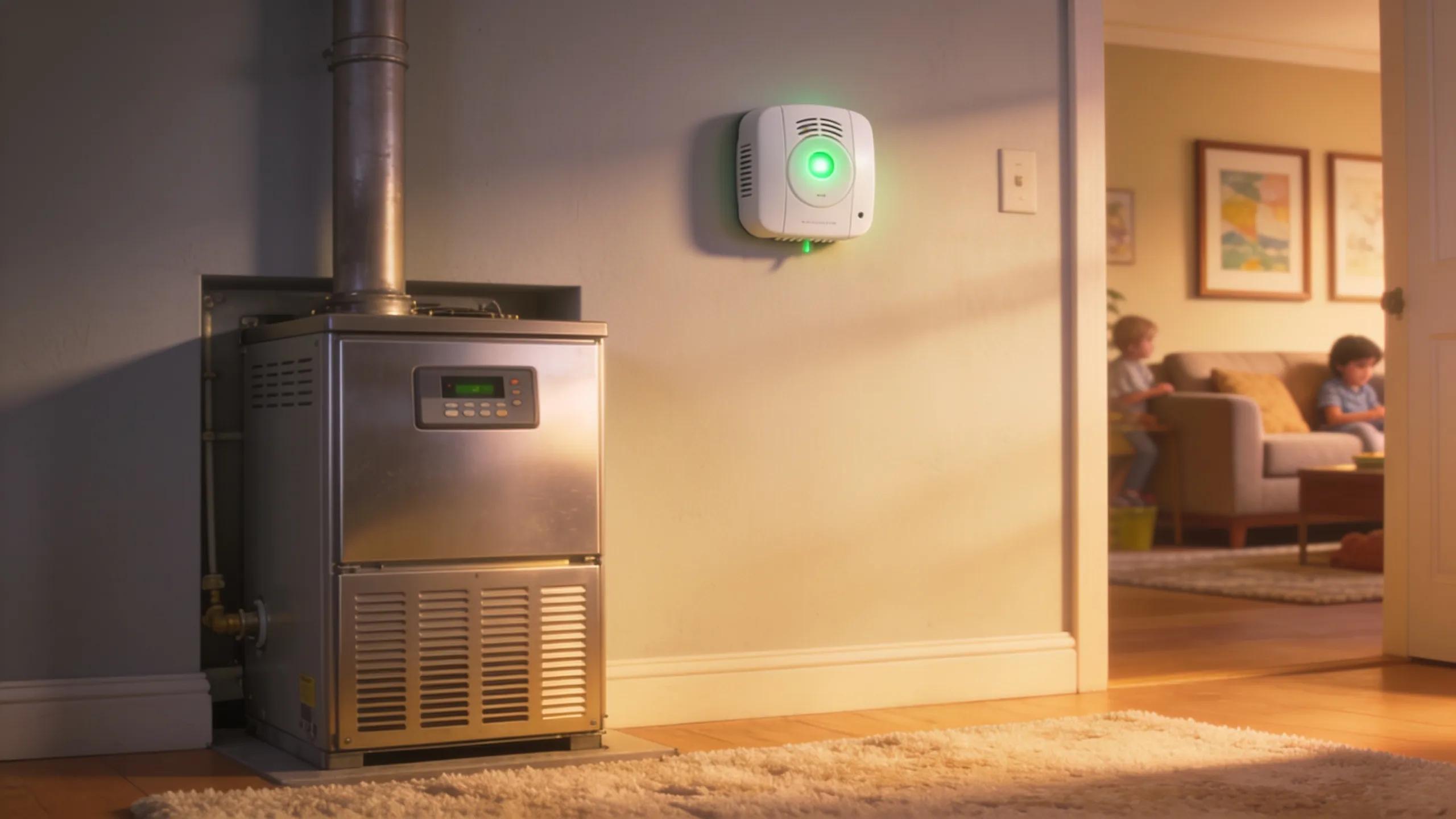
Furnace safety matters because a faulty furnace can make carbon monoxide (CO), a gas you can’t see or smell. From our experience, a few simple steps cut the risk a lot: install detectors, get regular inspections, and keep the system maintained. This guide explains detector placement, the value of routine checks, CO risks, and basic furnace upkeep so you can keep your family safe.
- Carbon monoxide detectors must be installed on every home level, especially near sleeping areas, for effective safety.
- Regular furnace inspections identify hazards like clogged filters and blocked vents that cause carbon monoxide leaks.
- Incomplete fuel combustion in furnaces produces carbon monoxide, posing serious health risks to occupants.
- Common carbon monoxide poisoning symptoms include headaches, dizziness, and confusion, requiring immediate evacuation.
- Annual furnace safety inspections before heating seasons help maintain safe and efficient operation.
- Proper furnace maintenance includes filter changes, ductwork checks, and gas component safety assessments.
- Clear ventilation and exhaust pathways are essential to prevent dangerous carbon monoxide accumulation indoors.
- Homeowners should follow local regulations on carbon monoxide detector installation to ensure compliance and safety.
- Replacing detectors every 5–7 years and monthly testing ensures reliable carbon monoxide detection.
Carbon Monoxide Detector Installation
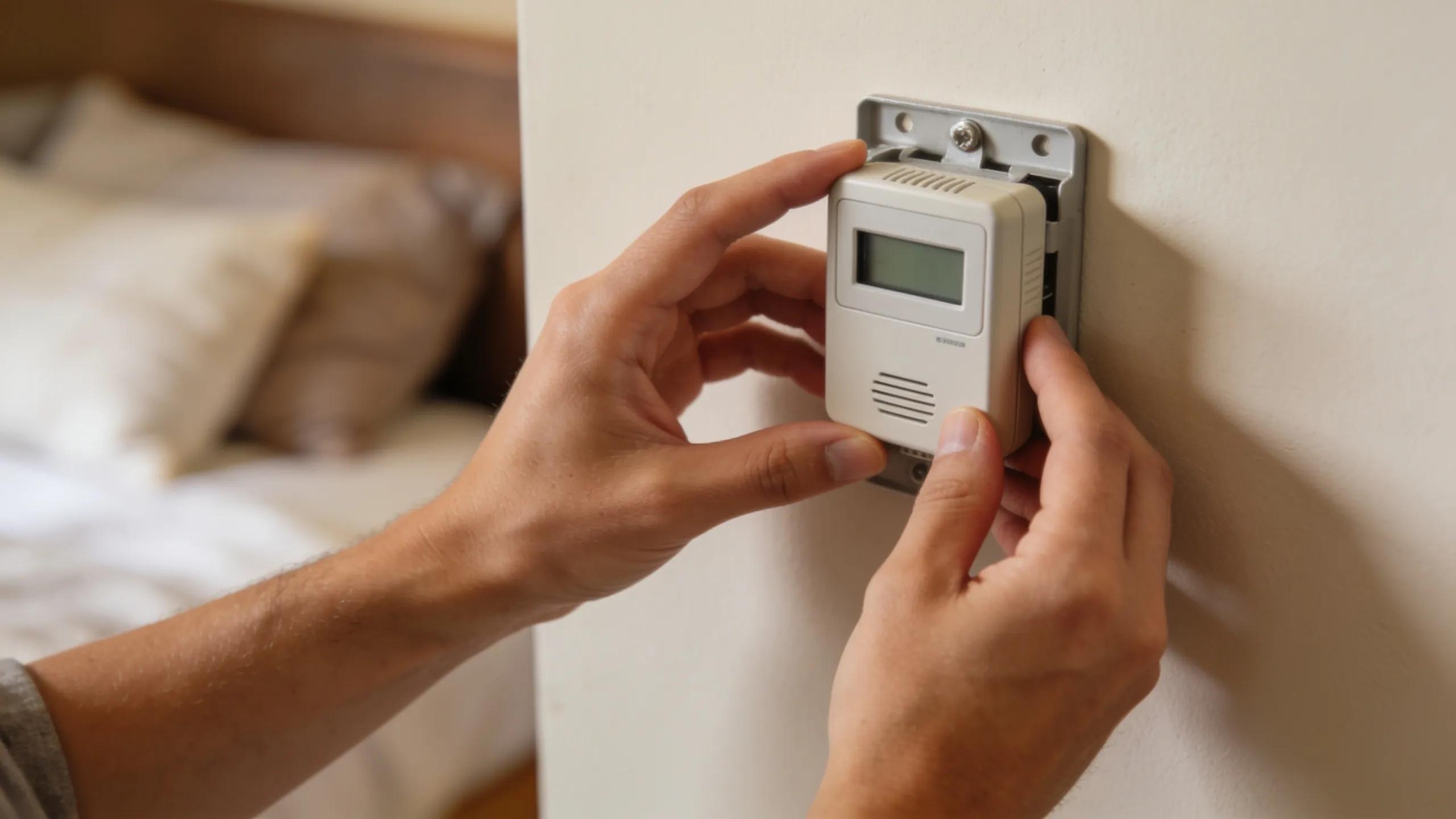
Detectors save lives because they warn you when CO builds up. Place them on every floor and near bedrooms so they wake you if levels rise while you sleep. Choose battery or hardwired models based on your home layout and needs. Test detectors regularly and replace them when the manufacturer says to so they work when you need them.
Importance of Regular Inspections
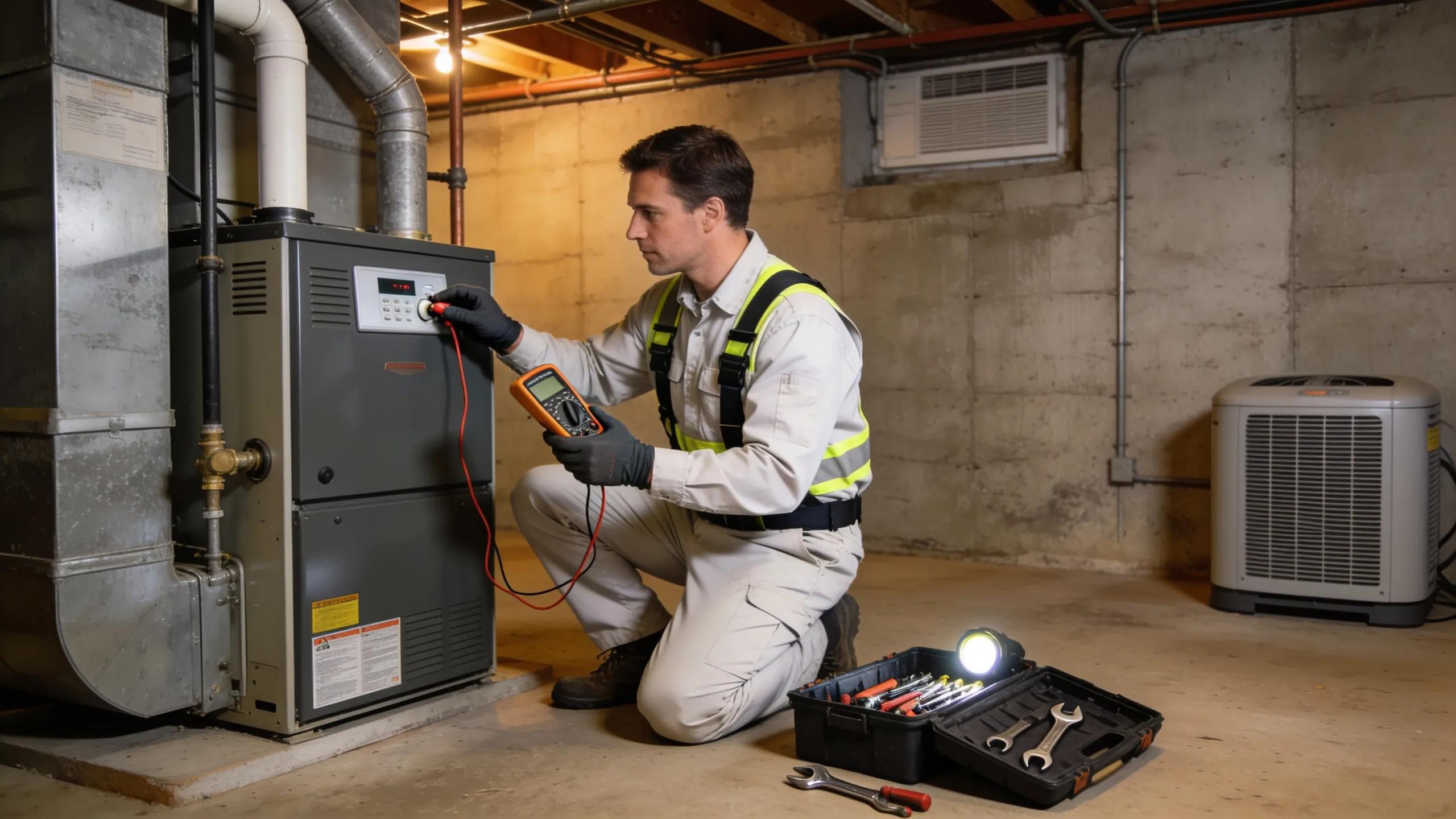
Inspections catch small problems before they become dangerous. Technicians look for things like blocked vents, worn parts, and poor combustion that can make CO. From our experience, yearly checks before the heating season keep systems safe and can stop costly repairs later.
Perfection Contracting Inc specializes in HVAC services, including thorough furnace inspections. Their team checks for safety issues and makes sure your heating system runs reliably.
Importance of Regular Furnace Inspections for Carbon Monoxide Safety
Participants scheduled twice-yearly HVAC inspections, and a professional prepared the furnace for winter by checking its emissions and functionality.
Risk and protective behaviours for residential carbon monoxide poisoning, JA Poehlman, 2013
What Are the Risks of Carbon Monoxide From Your Furnace?
CO is dangerous because it replaces oxygen in the blood. A furnace can make CO when combustion isn’t right. Blocked vents or clogged filters can stop exhaust from leaving the house and let CO build up indoors.
How Does a Furnace Produce Carbon Monoxide?
CO forms when fuel doesn’t burn fully. That can happen from poor airflow, worn burners, or other faults. Clogged filters and blocked vents are common causes. Regular upkeep and inspections find these issues before they turn into hazards.
What Are the Common Signs of Carbon Monoxide Poisoning?
Recognising CO symptoms helps you act fast. Look for headaches, dizziness, and confusion. These signs can seem like other illnesses but may mean CO exposure.
- Headaches: Often mistaken for other ailments, persistent headaches can indicate CO exposure.
- Dizziness: Feeling lightheaded or dizzy is a significant warning sign.
- Confusion: Difficulty concentrating or confusion can occur as CO levels rise.
If you have these symptoms, get outside to fresh air right away.
How Often Should You Schedule a Furnace Safety Inspection?
Have your furnace checked at least once a year, ideally before you turn the heat on. Check filters and vents each month. Do seasonal checks for leaks and clear ventilation so the system runs safely all year.
What Does a Furnace Safety Inspection Include?
An inspection looks at several safety items to make sure the furnace runs right. Technicians check filters, look for duct leaks or blockages, and inspect gas connections and burners for safe operation.
- Filter Checks: Inspecting and replacing air filters to ensure proper airflow.
- Ductwork Inspection: Checking for leaks or blockages in the duct system.
- Gas Component Safety Check: Ensuring that all gas connections are secure and functioning correctly.
These checks help keep your furnace safe and working well.
How Can Regular Inspections Prevent Carbon Monoxide Leaks?
Inspections find worn parts and blocked vents before CO can build up. Cleaning and tuning during a check make the furnace burn cleaner and run steadier. Hiring a trained technician adds a layer of safety because they follow the correct steps to spot and fix risks.
Perfection Contracting Inc offers expert furnace inspection services, helping to ensure your system is safe and efficient. Their trained technicians can identify potential hazards and recommend necessary repairs.
Where and How Should You Install Carbon Monoxide Detectors?
Put detectors near bedrooms and on every floor. Follow the maker’s instructions for height and distance from appliances. Correct placement makes sure alarms detect CO where people sleep and spend time.
What Are the Best Locations for Carbon Monoxide Alarms Near Furnaces?
The best locations for carbon monoxide alarms include:
- Near Sleeping Areas: Ensures that alarms can wake you if CO levels rise while you sleep.
- On Every Level: Provides comprehensive coverage throughout your home.
- At Least 15 Feet from Fuel-Burning Appliances: Prevents false alarms while still monitoring for CO.
How to Maintain and Test Your Carbon Monoxide Detectors?
Test detectors once a month using the test button. Change the batteries at least every year. Replace the unit after 5 to 7 years or when the maker says to. Keeping detectors current and tested makes sure they warn you when CO appears.
What Are Common Furnace Safety Mistakes to Avoid?
Homeowners often make several common mistakes regarding furnace safety that can increase the risk of carbon monoxide exposure. These include:
- Ignoring Maintenance: Failing to schedule regular inspections can lead to undetected issues.
- Clogged Air Filters: Neglecting to change filters can restrict airflow and lead to CO production.
- Neglecting Exhaust Checks: Not ensuring that exhaust systems are clear can result in dangerous gas buildup.
Why Is Improper Ventilation a Major Hazard?
Poor ventilation traps exhaust gases in the house. When vents or flues are blocked, exhaust can flow back into living spaces and raise CO levels. Clear venting is a simple but crucial safety step.
How Can Neglecting Maintenance Increase Carbon Monoxide Risks?
Skipping upkeep lets small faults grow until they cause leaks or failures. Regular checks stop this pattern. From our experience, routine care keeps systems safer and lasts longer.
What Local Regulations Should New Jersey, New York, and Pennsylvania Homeowners Know?
Homeowners in New Jersey, New York, and Pennsylvania should follow local rules on CO detectors. Those rules often require detectors in homes, especially near fuel-burning appliances, to meet safety standards.
Mandatory Carbon Monoxide Detector Installation in Residential Buildings
Smoke and carbon monoxide detectors for early detection of threats like fires or escaping carbon monoxide are key parts of home safety for owners of residential buildings. In many EU countries it is required to install detectors in homes.The Role of Smoke Detectors and Carbon Monoxide Detectors in the Fire Safety of Residential Buildings, U Garlińska, 2021
What Are the 2025 Carbon Monoxide Detector Requirements Near Furnaces?
Regulations set for 2025 will require detectors to be placed within a certain distance from fuel-burning appliances like furnaces. Keep up with local updates so your home meets those rules and stays safe.
How Do These Regulations Affect Your Home Safety Practices?
Following local rules changes how you place and maintain detectors. Complying protects your family and makes sure your home has the right alarms where they are needed most.
How Can You Maintain Your Furnace for Long-Term Safety and Comfort?
Routine care keeps your furnace safe and comfortable over the years. Use a simple schedule: yearly professional checks, filter changes every 1–3 months, and watch for wear or damage. This approach lowers the chance of CO issues and keeps heat reliable.
What Furnace Maintenance Tips Help Prevent Carbon Monoxide Leaks?
To prevent carbon monoxide leaks, consider these maintenance tips:
- Schedule Annual Inspections: Professional checks can identify potential hazards.
- Keep Vents Clear: Ensure that all exhaust vents are unobstructed.
- Replace Old Equipment: Consider upgrading to newer, more efficient models that meet current safety standards.
When Should You Consider Furnace Repair or Replacement?
Look for these signs that repair or replacement may be needed: the furnace is over 15 years old, you call for repairs often, or your energy bills jump unexpectedly. Addressing these signs keeps your home safer and saves money in the long run.
By following these steps and making furnace safety a priority, homeowners reduce the risk of carbon monoxide and keep their homes comfortable.
Frequently Asked Questions
What type of carbon monoxide detector is best for my home?
The right detector depends on your house. Battery models work where you don’t have wiring. Hardwired units are tied to your power and can be more dependable. Look for features you find useful, like a digital readout, voice alerts, or alarms that link to other units in the home.
How can I tell if my carbon monoxide detector is working properly?
Test the alarm once a month with the test button. If it sounds, the unit is working. Change batteries at least every year. A green power light usually shows it has power. Replace the detector after 5 to 7 years or when the manufacturer recommends.
What should I do if my carbon monoxide detector goes off?
If the alarm sounds, take it seriously. Get everyone outside to fresh air right away. Call emergency services from outside. Don’t go back inside until pros say it’s safe, and have the source checked before returning.
How can I improve ventilation in my home to prevent carbon monoxide buildup?
Keep vents and flues clear of debris. Open windows now and then to move fresh air through the house, especially when using fuel-burning appliances. Have a professional inspect exhaust fans and venting to make sure they work correctly.
Are there specific maintenance routines for different types of furnaces?
Yes. Gas furnaces need checks for gas leaks, burner operation, and venting. Electric furnaces need their electrical parts inspected. Oil furnaces need oil filter changes and burner cleaning. Follow the maker’s care guide for each type.
Why is it important to register my carbon monoxide detector?
Registering your detector helps the maker contact you about recalls or safety notices. It also helps with warranty service so you stay informed about fixes or important updates for your model.
Conclusion
Furnace safety protects your family from carbon monoxide. Install detectors, test them, and get yearly inspections. Take one step now—schedule an inspection or check your detectors—to keep your home safe and comfortable.
Related Services
- Furnace Repair Service
- Furnace Installation
- Heating Services
- Heating Repair
- Heating Installation & Replacement
Keep Reading
Browse all HVAC tips and guides.
Need a technician? Perfection Contracting serves homeowners across Sussex County, NJ and the surrounding North Jersey service area.