Red Light Flashing on Your Furnace? Clear Guide to Blink Codes and What They Mean
A flashing red light on your furnace can feel worrying. From our experience, these lights are the system’s way of telling you there’s a problem. This guide explains what those blink codes mean, how to check them safely, and when you should call a pro. Follow the steps here to spot the issue and protect your home’s heat long term.
- A flashing red light on a furnace signals a malfunction or error requiring attention.
- Furnace blink codes help identify specific problems quickly for effective troubleshooting.
- Common blink codes include ignition failure, limit switch open, and pressure switch error.
- Locate the control board and count flashes to determine your furnace’s specific error code.
- Safely reset the furnace by turning off power, waiting, inspecting components, and restoring power.
- Ignoring blinking error lights can worsen furnace issues and increase repair costs.
- Always prioritize safety by turning off power and avoiding uncertain repairs during troubleshooting.
- Persistent blinking after reset indicates the need for professional HVAC technician assistance.
- Regular preventive maintenance, like filter changes and inspections, helps prevent furnace error codes.
What Does a Red Light Flashing on Your Furnace Mean?
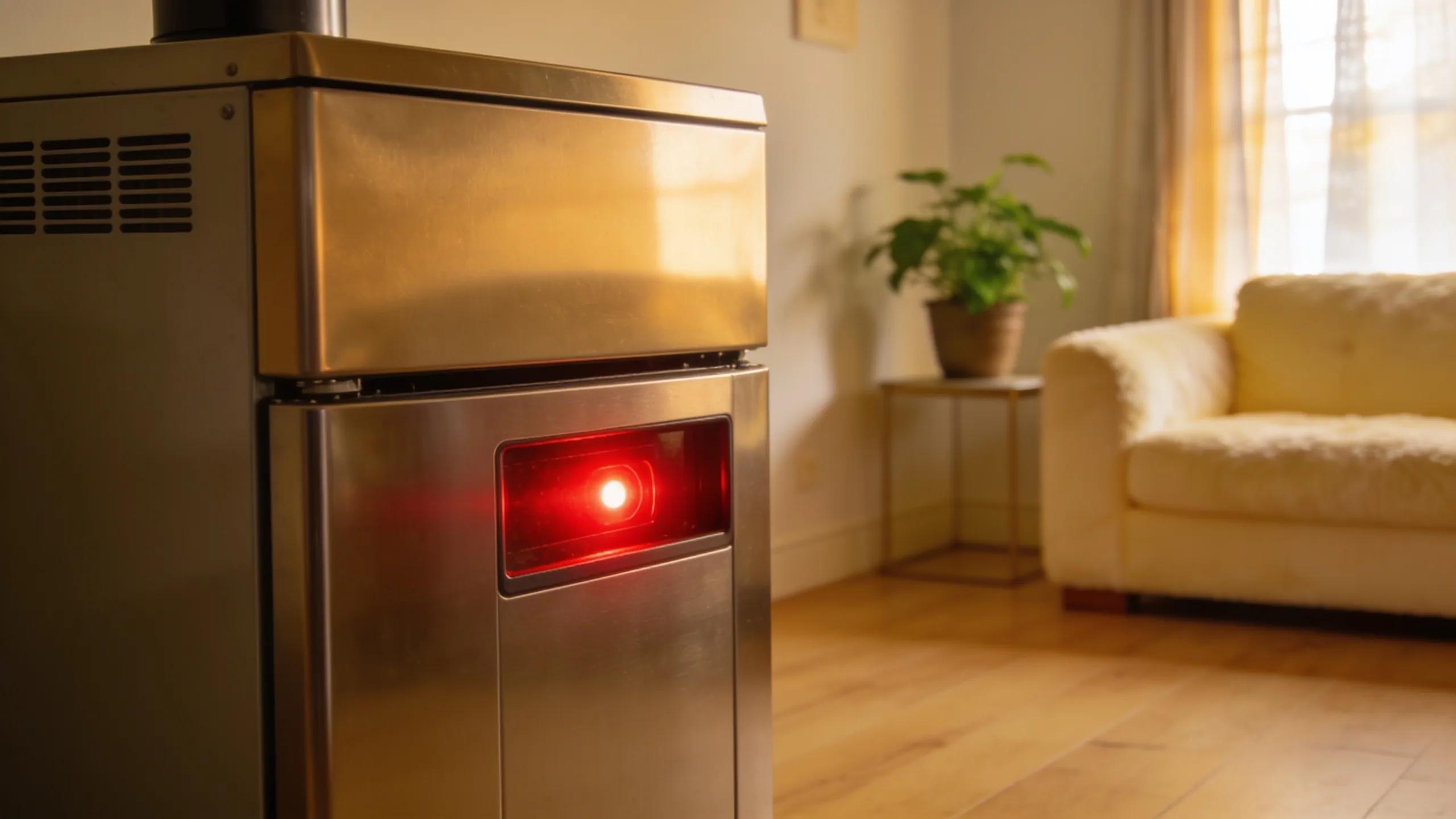
A flashing red light usually points to a fault in the system. The furnace uses blink codes to tell you where the problem is. Knowing what those signals mean helps you decide the right fix and avoid bigger issues.
Why Furnaces Use Blink Codes to Signal Issues
Furnaces use blink codes as a basic diagnostic method. From our experience, these quick signals speed up finding the issue. Read the pattern and you can move straight to the right repair or call a technician with clear information.
Common Misunderstandings About Furnace Error Lights
Homeowners often jump to worst-case scenarios when they see a flashing light. Not every blink means a major breakdown. Learn the code first so you can choose a safe, measured response instead of panic or guessing.
Which Furnace Blink Codes Should Homeowners Know?
Some blink codes show up more often. They vary by maker, but many systems use similar patterns. Learning the common ones saves time and helps you fix small problems before they grow.
Most Frequent Furnace Error Codes and Their Meanings
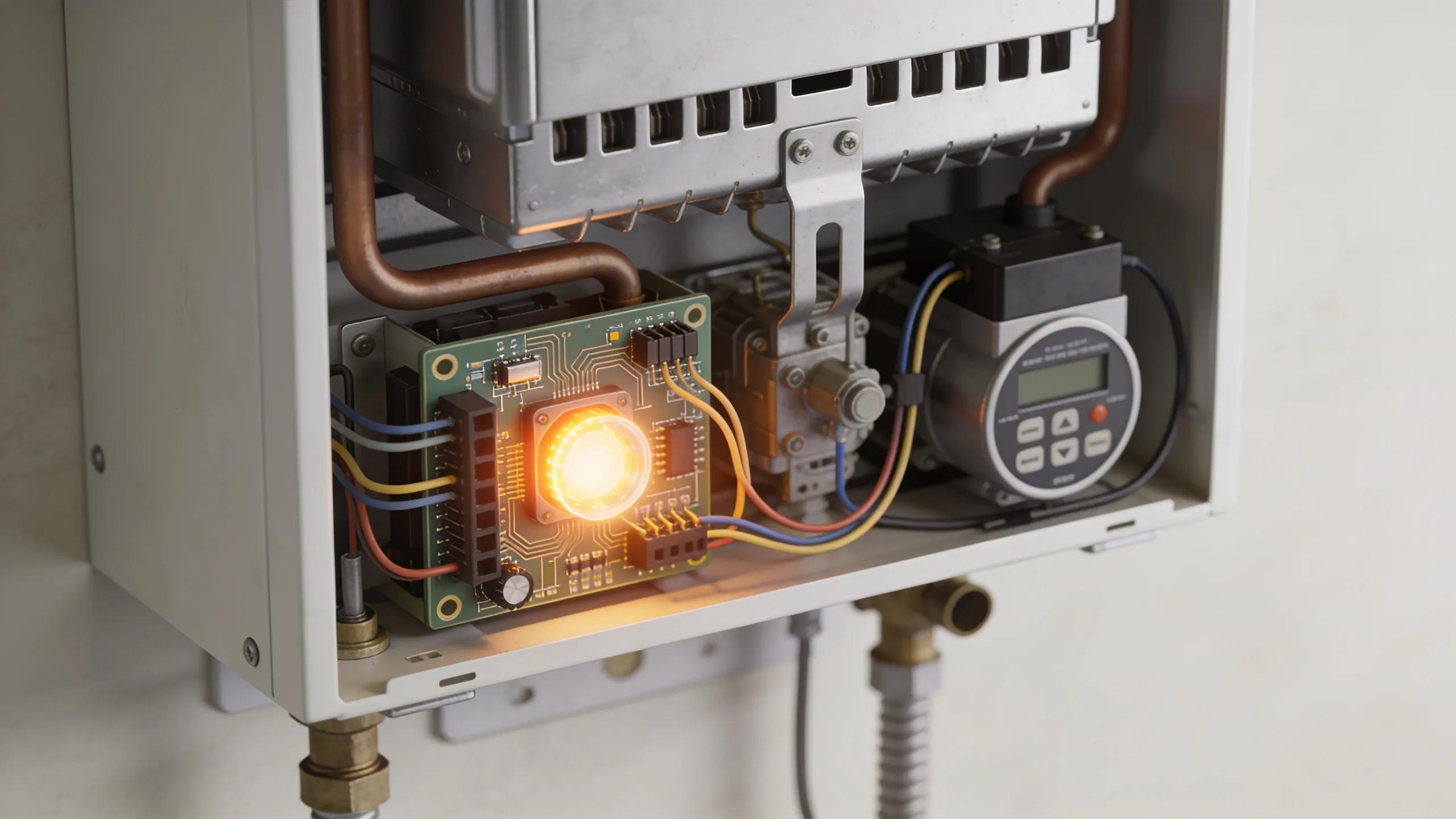
Here are some of the most common furnace error codes you might encounter:
Knowing these codes helps you pick the right action and get heat back sooner.
How to Identify Your Furnace’s Specific Blink Code
Start by finding the control board behind the front panel. Watch the light and count the flashes. Then check your manual or the manufacturer’s website for the code meaning. That tells you what to check next.
How Can You Safely Reset a Furnace with a Red Light?
Resetting can clear minor faults, but safety matters first. Follow a safe reset process so you don’t cause more damage or risk injury.
Step-by-Step Instructions
- Turn Off Power: Locate the power switch on your furnace and turn it off.
- Wait for 5 Minutes: Allow the system to cool down and reset.
- Check the Thermostat: Ensure the thermostat is set to the desired temperature.
- Inspect the Air Filter: A clogged filter can restrict airflow and cause issues.
- Check the Gas Supply: Ensure the gas valve is open and functioning.
- Inspect for Blockages: Look for any obstructions in the venting system.
- Check the Furnace Door: Ensure the door is securely closed.
- Turn the Power Back On: Restore power to the furnace.
- Observe the Red Light: Monitor the light for any changes in the blinking pattern.
Safety Precautions
Put safety first when you reset the furnace. Turn off power before you touch anything. Use insulated tools if you must work near electrical parts. If you smell gas, leave the house and call a professional right away.
Troubleshooting Tips
If a reset doesn’t fix the issue, listen and look for other signs. Unusual noises or smells point to bigger problems. Check the thermostat settings and the owner’s manual next. If the light keeps blinking, call a technician.
Step-by-Step Furnace Reset Instructions for Homeowners
Use the checklist above to reset safely. If problems continue after a careful reset, you likely need professional diagnosis and repair.
When Resetting Your Furnace Might Not Solve the Problem
Sometimes a reset won’t clear the root cause. If the red light returns, don’t ignore it. Investigate further or arrange service to prevent worse damage.
What Are Common Mistakes When Troubleshooting Furnace Blink Codes?
People often skip basic checks or try fixes they don’t understand. That can make a small problem worse. Take a steady approach: identify the code, follow safe steps, and call a pro when needed.
Why Quick Fixes Often Lead to Bigger Issues
Quick fixes that miss the real cause can cause more damage. For example, running the furnace with a persistent fault can stress parts and raise repair costs. Fix the underlying issue, not just the symptom.
How to Avoid Unsafe DIY Repairs
Follow a few simple rules: always turn off power first, don’t attempt repairs you don’t fully understand, and leave gas or electrical work to a technician. That keeps you and your home safe.
When Should You Call a Professional HVAC Technician?
Some issues you can handle. Others need a trained technician. Knowing the difference saves time and prevents extra expense.
Signs That Your Furnace Needs Expert Attention
Call a pro if you notice uneven heating, loud or strange noises, or a sudden jump in energy bills. These signs often mean the system needs expert care.
How Perfection Contracting Inc. Supports NJ Homeowners
Perfection Contracting Inc. serves homeowners in Northern New Jersey with experienced HVAC technicians. From our experience, we handle furnace repairs, routine maintenance, and installations to keep homes warm and safe. If you’re having trouble with your heating system, consider contacting our team or visiting our air conditioning repair page for more details.
How Does Preventive Maintenance Help Avoid Furnace Blink Codes?
Regular preventive maintenance keeps parts working well and cuts down on fault codes. Small checks now help avoid major repairs later and keep your furnace running longer.
Routine Checks That Keep Your Furnace Running Smoothly
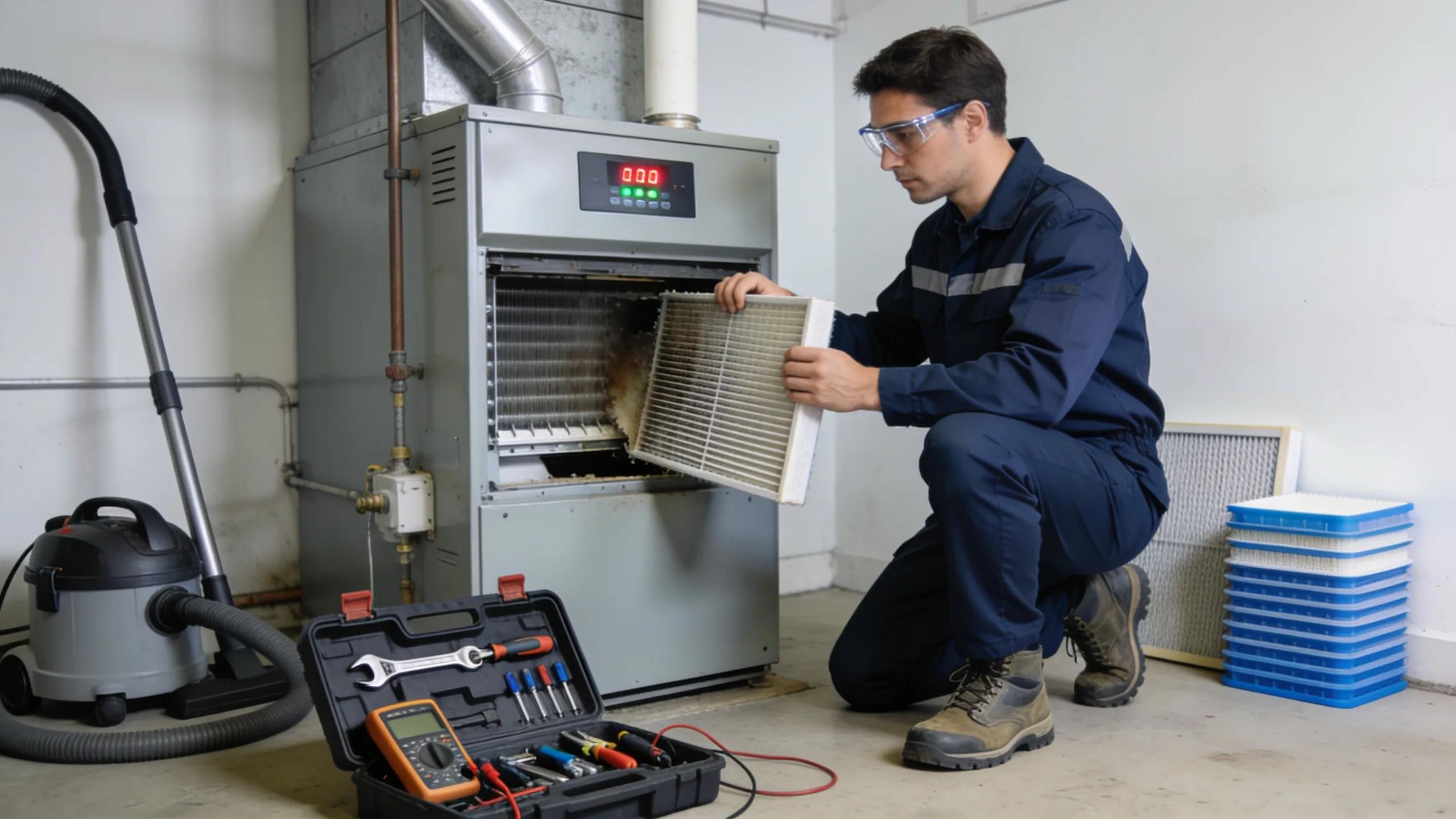
Set a simple maintenance routine to reduce common problems. Key tasks include:
- Regular Filter Changes: Replace air filters every 1-3 months to ensure proper airflow.
- Annual Inspections: Schedule professional inspections to identify potential issues before they escalate.
- Cleaning Vents and Ducts: Ensure that vents and ducts are free from obstructions to maintain efficient airflow.
Local Climate Factors Affecting Furnace Performance in NJ, NY, and PA
Cold winters put extra strain on furnaces and speed up wear. That makes pre-season checks more important in NJ, NY, and PA. Homeowners here should combine furnace care with regular air conditioning service so systems work well year-round.
Frequently Asked Questions
What should I do if the red light on my furnace keeps flashing despite resetting it?
If the light keeps flashing after a reset, the issue is likely ongoing. Check the owner’s manual to match the blink code. If you can’t fix it safely, call an HVAC technician to diagnose and repair the problem.
How can I prevent my furnace from displaying error codes in the first place?
Preventive care cuts the chance of error codes. Schedule yearly inspections, replace filters every 1–3 months, and keep vents clear. These steps keep airflow steady and reduce faults.
What tools do I need to troubleshoot furnace blink codes at home?
Basic tools help with safe checks: a flashlight for visibility, a screwdriver to open panels, and a multimeter to test electrical parts. A wrench may help check gas fittings. Always switch off power before you start.
Can weather conditions affect furnace performance and blink codes?
Yes. Cold weather makes furnaces work harder and can cause more wear. Components can fail or become blocked during extreme conditions. A pre-winter check helps your furnace handle the season.
What are the risks of ignoring the blinking red light on my furnace?
Ignoring a blinking red light can lead to bigger failures or safety hazards like gas leaks. Letting a problem run can raise repair costs and create unsafe conditions. Respond to warnings quickly.
Is it safe to perform DIY repairs on my furnace?
You can do simple tasks like changing filters. For anything involving gas or electrical parts, get professional help. That prevents mistakes and keeps your home safe.
How often should I have my furnace inspected by a professional?
Get a professional inspection at least once a year, ideally before the heating season. An annual check finds small issues early and keeps your system reliable through winter.
Conclusion
Understanding what a flashing red light means gives you the power to act smartly. Learn the code, try safe checks, and book service when the problem persists. Regular care prevents costly repairs and keeps your home comfortable. For help, reach out to our technicians or explore our service options.
Related Services
- Furnace Repair Service
- Furnace Installation
- Heating Services
- Heating Repair
- Heating Installation & Replacement
Keep Reading
- Furnace Ignitor Replacement Cost in NJ
- Oil Heat vs. Gas in NJ: Clear Cost and Comfort Comparison for Homeowners
Browse all HVAC tips and guides.
Need a technician? Perfection Contracting serves homeowners across Sussex County, NJ and the surrounding North Jersey service area.