
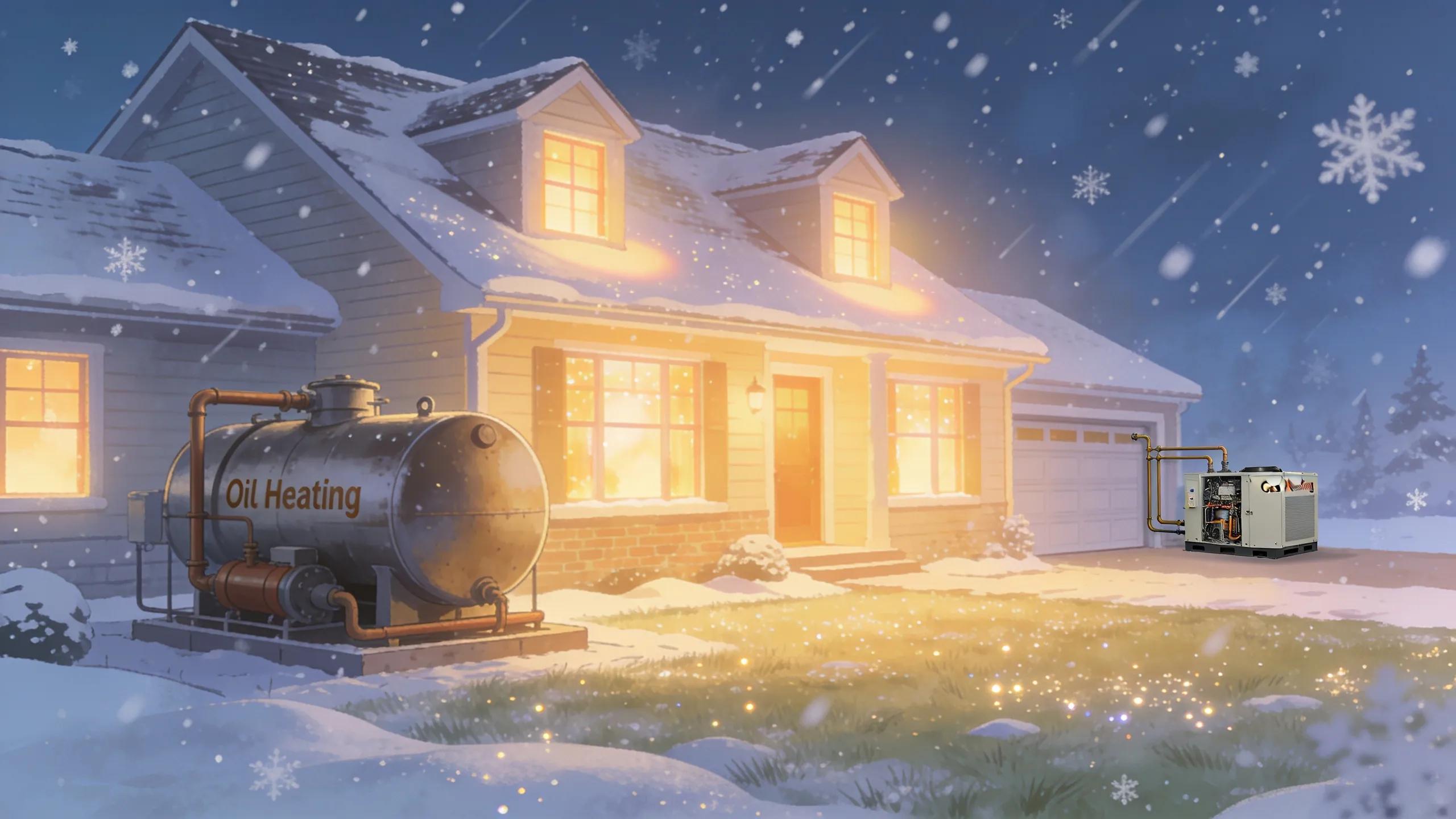
Winter in New Jersey means choosing the right home heating. From our experience, that choice affects your comfort and your bills. This article compares oil and gas heat on cost, efficiency, comfort, maintenance, and environmental impact. Read on and you’ll have a clear view of which system fits your home and budget.
- Oil heat generally has higher upfront and monthly costs due to fluctuating oil prices and tank installation.
- Gas heating systems offer lower installation costs and more stable, predictable fuel pricing in New Jersey.
- Oil furnaces often exceed 85% efficiency, while gas furnace efficiency ranges from 78% to 98% depending on the model.
- Oil heat provides consistent, enveloping warmth, whereas gas heat warms spaces more quickly.
- Maintenance for oil systems includes regular tank inspections to prevent leaks, while gas systems require safety checks on lines and burners.
- Gas heating produces fewer greenhouse gas emissions and is considered a cleaner, safer option than oil heating.
- Gas systems respond faster to temperature changes, benefiting homeowners needing quick heat during cold weather.
- New Jersey regulations mandate safety and environmental compliance for oil tanks, emphasizing regular maintenance and inspections.
- Choosing between oil and gas heating depends on balancing comfort preferences, budget, and long-term cost considerations.
Comparison of Oil Heat vs. Gas Heating for Homeowners in New Jersey
Cost, efficiency, and comfort matter most when you compare oil and gas. From our experience, oil often costs more up front because of the tank and fuel swings. Gas usually costs less to install and gives steadier fuel bills. Knowing these facts helps you pick the right system.
Costs:
Costs change with market swings and how much heat you use. That affects both monthly bills and long-term spending.
| Heating Type | Average Monthly Cost | Installation Cost | Fuel Price Stability |
|---|---|---|---|
| Oil Heat | Higher due to fluctuating oil prices | Generally higher due to tank installation | Less stable, subject to market changes |
| Gas Heating | Lower, with more predictable pricing | Typically lower installation costs | More stable, with fixed pricing options |
For New Jersey homeowners, this choice can change monthly bills a lot. Oil prices can swing widely. Gas prices tend to be steadier, which makes monthly costs easier to predict.
Knowing how New Jersey tracked heating oil prices in the past helps explain why oil costs move so much.
Monitoring Residential Heating Oil Price Fluctuations in New Jersey
ABSTRACT: To help the Energy Information Administration (EIA) do its work on fuel prices, the US Department of Energy and the New Jersey Department of Energy signed a cooperative agreement from February 26, 1979 to May 30, 1979. The NJ DOE ran a weekly program to watch and evaluate price changes for residential heating oil (No. 2) sold in New Jersey. The sample came from a random list of home heating oil dealers in each county. Each dealer was told by letter why the survey was happening and what specific information would be requested. The survey was done by phone each Monday during the period from February 26, 1979 through May 30, 1979. The dealers were asked for specific price information. FUEL OIL NO. 2 IN THE STATE OF NEW JERSEY
Heating Efficiency:
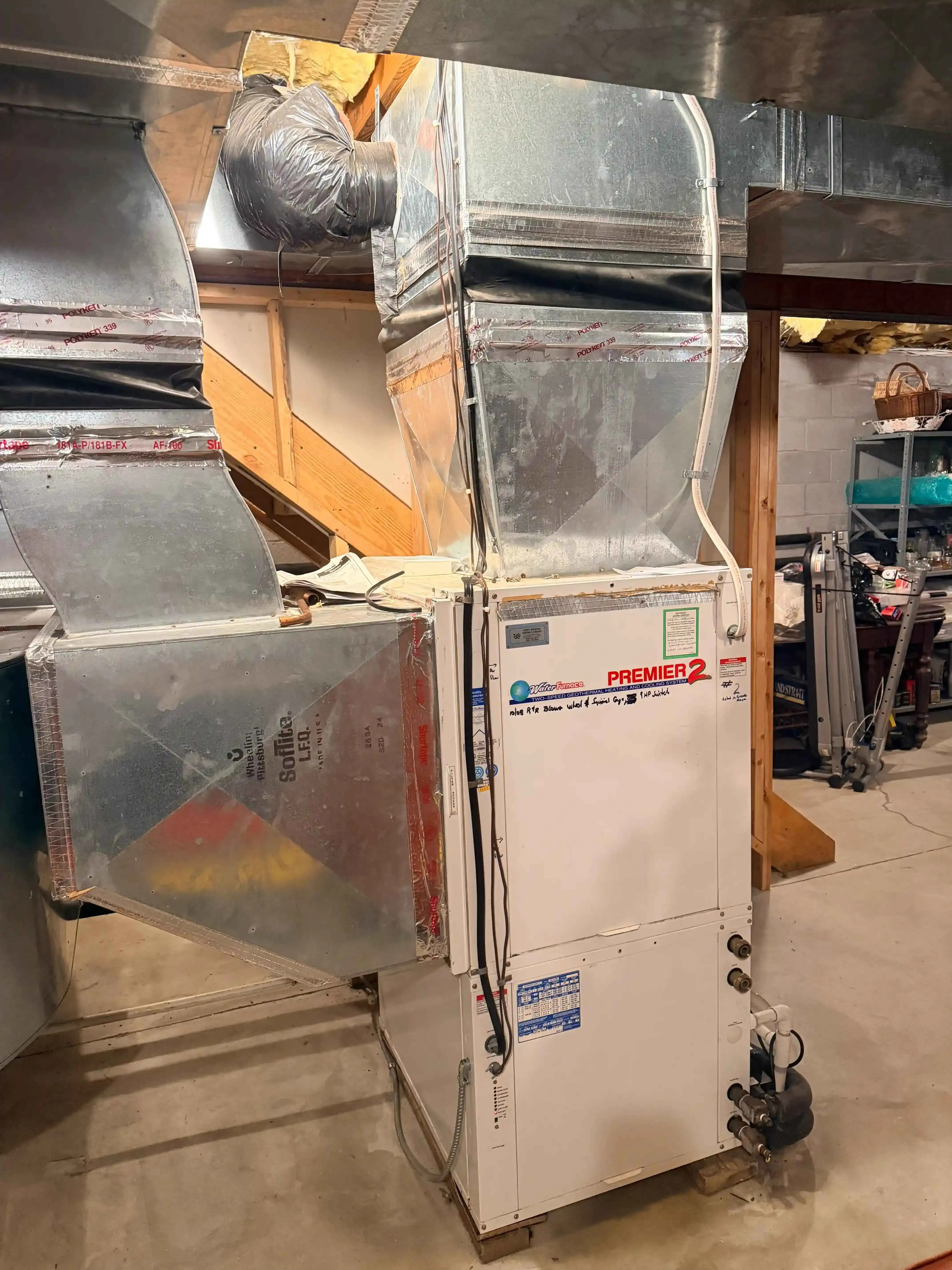
Efficiency matters because it affects fuel use and bills. Oil furnaces often run above 85% efficiency. Gas furnaces can range from about 78% to 98%, depending on the model and how well it’s kept. That means oil can give more heat per unit of fuel in some setups, but model choice and upkeep change the result.
Comfort Levels:
Comfort depends on how you like heat delivered. Oil tends to give steady, enveloping warmth. Gas heats up faster and can change room temperature sooner. Think about what feels best in your home when you decide.
Maintenance Expenses:
Both systems need care. Oil systems need regular checks on the tank and burner to avoid leaks and clogs. Gas systems need inspections on lines and burners to stay safe and run well.
From our experience, hiring professional HVAC techs helps keep either system running. Regular maintenance prevents costly breakdowns and keeps your system working the way it should.
Responses to Winter Conditions:
Both oil and gas work in cold NJ winters. Oil systems may take a bit longer to warm the house. Gas systems usually respond faster when you need heat quickly. Choose based on how fast you want the house to warm up.
Environmental Impact:
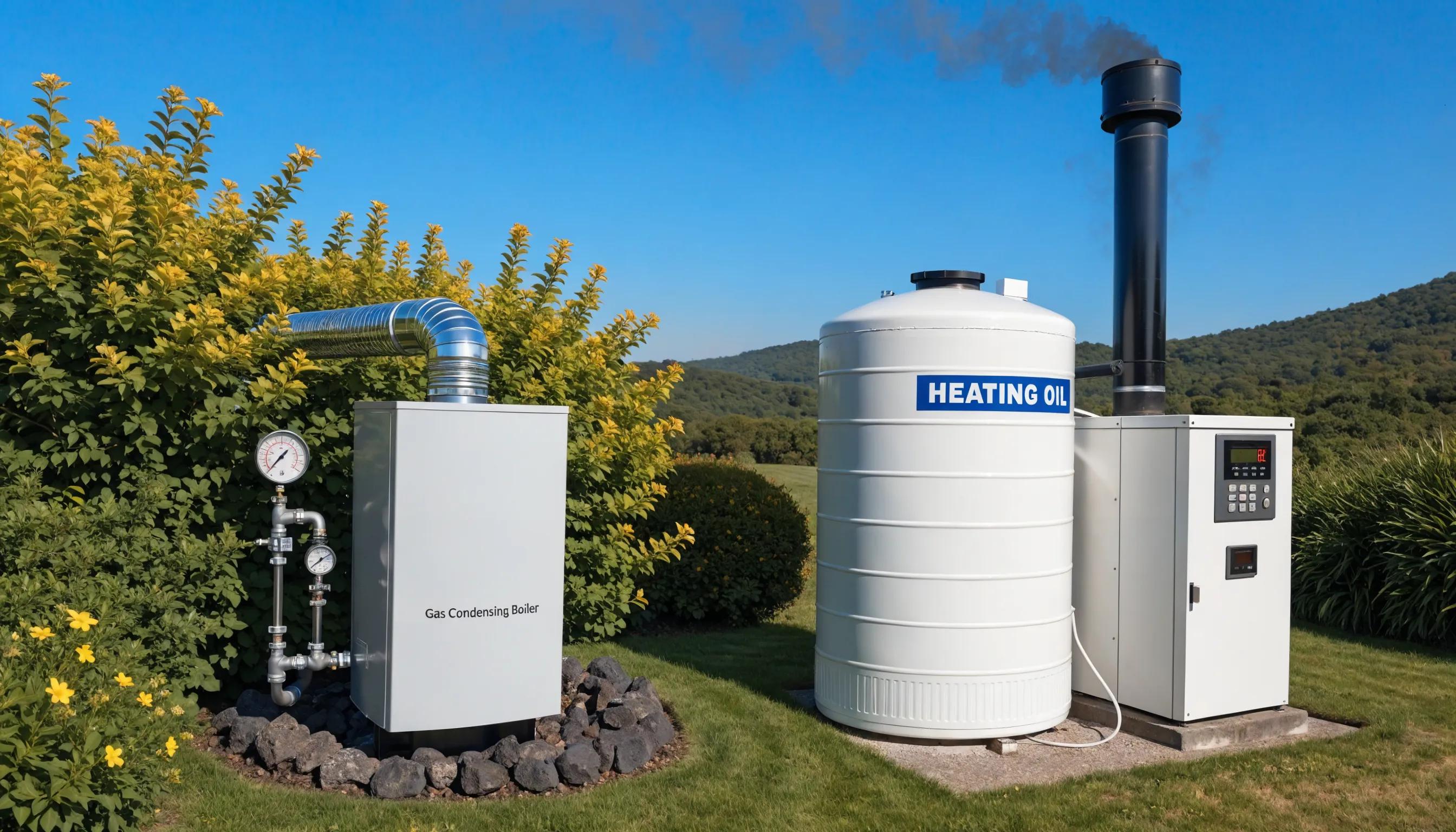
Environmental impact is an important factor. Oil systems generally make more greenhouse gases than gas systems. Gas is often the cleaner option and can help indoor air quality. If emissions matter to you, gas usually has the edge.
What Are the Real Costs of Oil Heat and Gas Heating in New Jersey?
Real costs depend on current fuel prices and how long you plan to keep the system. Look at both short-term bills and long-term spending to get the full picture.
How Do Current NJ Heating Fuel Prices Affect Your Bills?
Fuel prices in New Jersey drive your monthly bills. Watch oil and gas prices. From our experience, gas tends to be steadier, which can lower surprise costs over time.
What Maintenance Expenses Should NJ Homeowners Expect?
Expect different maintenance needs. Oil systems may need service more often because of tanks and filters. Gas systems need regular safety checks. Plan and budget for these services to avoid big repair costs later.
How Does Comfort Differ Between Oil Heat and Gas Furnaces?
Comfort varies by system. Oil gives steady, lasting warmth. Gas delivers heat fast. Think about whether you prefer steady background heat or quick temperature control.
What Heat Quality and Warmth Can You Expect from Each System?
Both systems give good heat quality. Oil feels more enveloping. Gas gives quicker temperature changes. Knowing this helps match the system to your home and habits.
How Quickly Do Oil and Gas Systems Respond to NJ Winters?
Gas systems usually heat up faster than oil systems. If you want quick warmth during a cold snap, gas often performs better.
What Are Common Maintenance Issues and Mistakes with Oil and Gas Heating?
Common problems include oil tank leaks and clogged filters for oil systems, and overlooked gas line checks for gas systems. Skipping routine service often leads to bigger, costlier repairs.
How Can NJ Homeowners Prevent Oil Tank Leaks and Related Problems?
Prevent leaks with regular inspections and timely repairs. Check tanks for rust, keep the area clear, and call a pro at the first sign of a problem.
What Safety Checks Are Essential for Gas Heating Systems?
Schedule regular inspections for gas lines, burners, and carbon monoxide detectors. These checks catch issues early and keep your home safe.
How Do Environmental and Safety Factors Compare for Oil Heat and Gas in NJ?
Gas generally has lower emissions and fewer spill risks than oil. Oil can pose leak and cleanup risks. Both need regular care, but gas often ranks better on environmental and safety measures.
What NJ Regulations Impact Oil Tank Safety and Environmental Concerns?
New Jersey has rules for oil tank safety and environmental protection. Homeowners should learn the rules for tank placement, inspections, and reporting to stay compliant and avoid fines.
How Safe Is Natural Gas Heating for NJ Homes?
Natural gas is safe when systems are installed and serviced correctly. Regular maintenance and safety checks reduce the small risks that can come with gas systems.
What Should You Know About Installing or Upgrading Oil or Gas Heating Systems?
When you install or upgrade, weigh the upfront cost, fuel price outlook, and how long you plan to keep the system. Get a professional assessment to choose the best option for your home.
What Installation Steps Should NJ Homeowners Expect?
Expect a site check, equipment selection, and final installation with testing. A good installer will walk you through each step and explain what to expect.
How Can You Choose the Right Heating System for Long-Term Comfort and Savings?
Pick a system based on how you use your home, your comfort needs, and your budget. Think long term—look at fuel trends and maintenance costs, not just the sticker price.
Frequently Asked Questions
What factors should homeowners consider when choosing between oil heat and gas heating?
Think about upfront and ongoing costs, how reliable the fuel is in your area, efficiency ratings, and what kind of heat you prefer. Also check local fuel prices and how easy it is to get service. Weigh environmental concerns and maintenance needs before you decide.
Are there any long-term financial implications in choosing oil heat versus gas heating?
Yes. Oil often costs more up front and its fuel price can jump. That can raise long-term bills during price spikes. Gas usually has lower install costs and steadier fuel prices, which can save money over time. Consider both fuel trends and maintenance when you compare lifetime costs.
How does installing a heating system vary between oil and gas options?
Oil installation usually means placing a tank and following safety rules. That can add time and cost. Gas often connects to an existing line and can be simpler to install. Site conditions and local rules affect the process for both systems.
What are the safety concerns related to oil and gas heating systems?
Oil systems risk tank leaks and soil contamination if not kept up. Gas systems can have leaks that pose fire or health risks. Regular inspections and prompt repairs are the best ways to stay safe with either system.
What are the environmental benefits of choosing gas over oil heating?
Gas produces fewer greenhouse gases than oil. That can mean lower emissions for your home and cleaner indoor air. If cutting emissions matters, gas is usually the cleaner choice.
How can homeowners assess their heating needs based on NJ’s weather conditions?
Look at past winters and how cold your home gets. Check insulation, home size, and how often you need quick heat. These points help match a system to your real needs and keep costs down.
What are the common mistakes homeowners make with their heating system maintenance?
People often skip routine service, which leads to bigger problems later. For oil, missing tank checks is common. For gas, skipping safety inspections is risky. Set a regular service schedule and stick to it.
Conclusion
Choosing between oil and gas in New Jersey means weighing comfort, cost, and long-term upkeep. Gas often gives steadier costs and faster heat. Oil can give strong, steady warmth but has more price swings. Talk to local HVAC pros for a site-specific recommendation so you get the right system for your home and budget.
Related Services
Keep Reading
- Red Light Flashing on Your Furnace? Blink Codes Explained
- Should You Convert From Oil Heat to Natural Gas?
Browse all HVAC tips and guides.
Need a technician? Perfection Contracting serves homeowners across Sussex County, NJ and the surrounding North Jersey service area.