
Choosing the right air conditioning system isn’t just about staying cool—it’s about comfort, efficiency, long-term value, and how well the system fits your home and lifestyle. Homeowners today are often deciding between ductless mini-split systems and traditional central air conditioning, and while both can deliver excellent results, the right choice depends on several important factors.
This guide is written to help you make that decision with confidence. We’ll walk through how each system works, the real-world pros and cons, cost and efficiency considerations, and which homes benefit most from each option—all in plain, practical terms.
Understanding the Basics
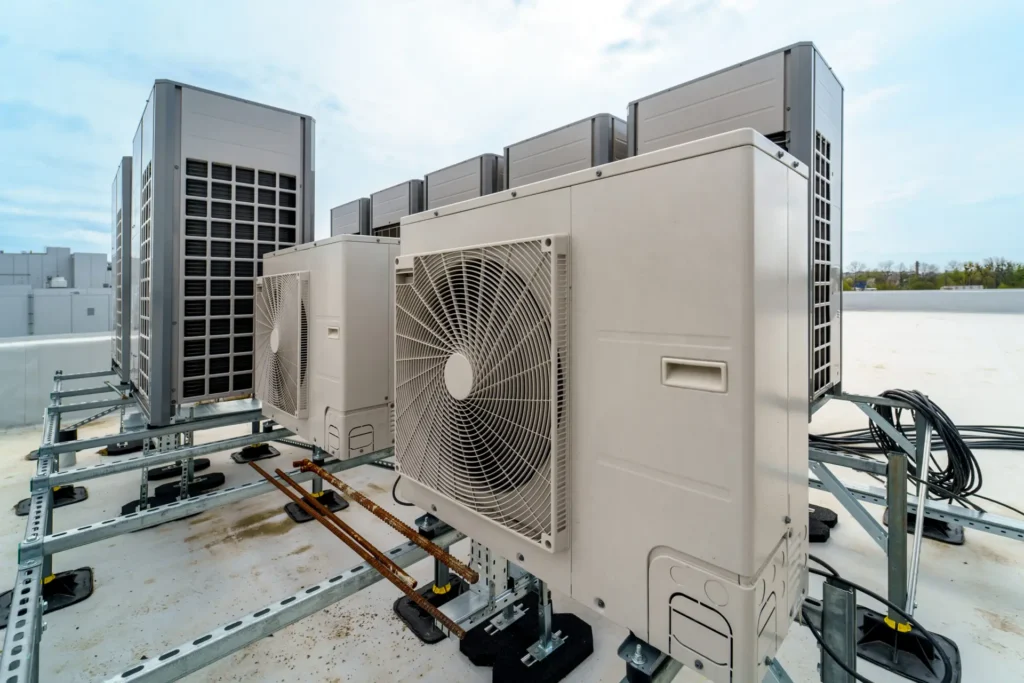
Before comparing them head-to-head, it’s important to understand what separates these two systems at a fundamental level.
What Is Central Air Conditioning?
Central air conditioning uses a single outdoor condenser connected to an indoor air handler. Cool air is distributed throughout the home via ductwork, supplying multiple rooms at once. Most systems operate on a single thermostat, meaning the entire home is cooled to the same temperature.
Central air is common in homes that already have ducts in place, particularly larger homes or properties with multiple floors.
What Is a Mini-Split System?
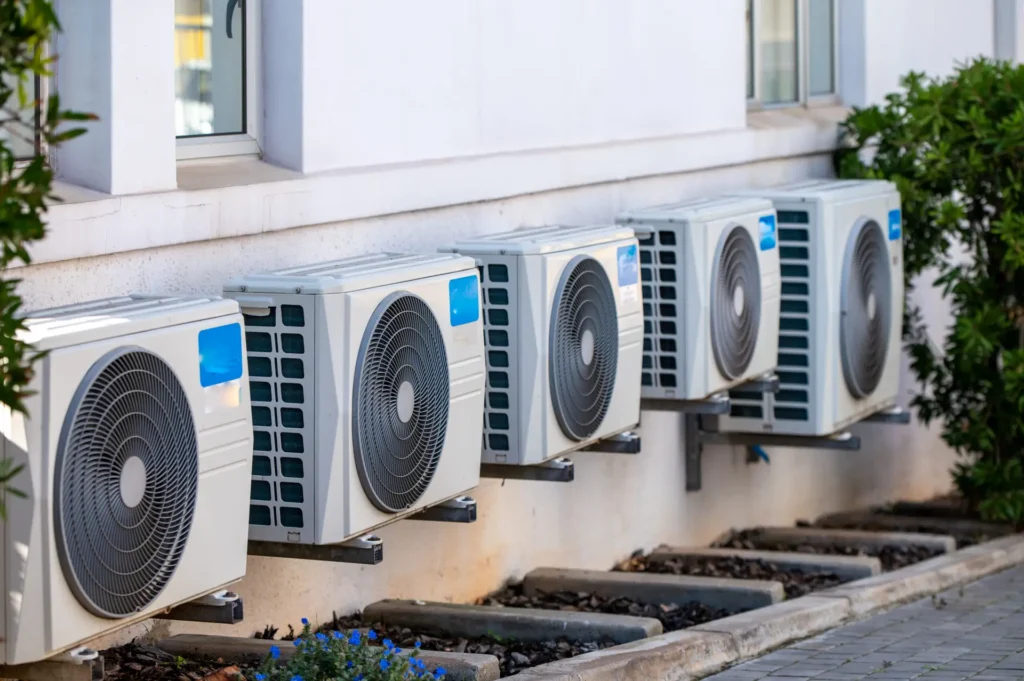
A ductless mini-split system also uses an outdoor unit, but instead of ducts, it connects to one or more indoor air handlers mounted in specific rooms or zones. Each indoor unit operates independently, allowing precise temperature control in individual areas of the home.
Mini-splits are especially popular in homes without ductwork, room additions, finished basements, and spaces where targeted comfort matters.
Energy Efficiency: Where the Differences Matter?
Energy efficiency is often one of the biggest deciding factors—and it’s where mini-splits frequently stand out.
Mini-Split Efficiency Advantages
Mini-splits avoid one major source of energy loss: ductwork. In many homes, ducts can leak or lose conditioned air before it ever reaches living spaces. By delivering air directly to the room, mini-splits operate more efficiently and often achieve higher SEER (Seasonal Energy Efficiency Ratio) ratings.
Zoned control also means you’re not cooling rooms you’re not using. Over time, that can translate into noticeable savings on monthly energy bills.
Central Air Efficiency Considerations
Central air systems can still be very efficient, especially newer models paired with well-sealed, insulated ductwork. However, cooling the entire home at once—even unused spaces—can increase energy consumption unless zoning systems are added.
For homeowners who prefer uniform temperatures throughout the house, this tradeoff may be perfectly acceptable.
Comfort and Temperature Control
Comfort isn’t just about cold air—it’s about consistency and control.
Mini-Splits and Zoned Comfort
Mini-splits shine when it comes to personalized comfort. Each room or zone can be set to a different temperature, which is ideal for families with varying preferences or homes with hot and cold spots.
This level of control is also useful for spaces like home offices, sunrooms, or bedrooms that don’t need cooling all day.
Central Air and Whole-Home Consistency
Central air provides even cooling across the entire home. For many homeowners, that simplicity is a major advantage. One thermostat, one system, consistent results.
If your home has balanced ductwork and similar cooling needs across rooms, central air can deliver reliable comfort without added complexity.
Comfort and Temperature Control
Comfort isn’t just about cold air—it’s about consistency and control.
Mini-Splits and Zoned Comfort
Mini-splits shine when it comes to personalized comfort. Each room or zone can be set to a different temperature, which is ideal for families with varying preferences or homes with hot and cold spots.
This level of control is also useful for spaces like home offices, sunrooms, or bedrooms that don’t need cooling all day.
Central Air and Whole-Home Consistency
Central air provides even cooling across the entire home. For many homeowners, that simplicity is a major advantage. One thermostat, one system, consistent results.
If your home has balanced ductwork and similar cooling needs across rooms, central air can deliver reliable comfort without added complexity.
Installation and Home Compatibility
Your home’s layout and existing infrastructure play a major role in determining which system makes more sense.
When Mini-Splits Are the Better Fit
- Homes without existing ductwork
- Older or historic homes where installing ducts would be invasive
- Additions, garages, or finished basements
- Homes with frequent temperature imbalance issues
Installation is generally faster and less disruptive, as only small wall penetrations are required for refrigerant lines.
When Central Air Makes Sense
- Homes with existing ductwork in good condition
- New construction projects
- Larger homes needing consistent cooling across many rooms
If ducts are already present, installing or upgrading central air is often more cost-effective than installing multiple mini-split units.
Cost: Upfront vs. Long-Term Value
Cost comparisons aren’t always straightforward, because the right system depends on how it’s used.
Mini-Split Costs
Mini-splits typically have a higher upfront cost per room, especially for multi-zone systems. However, lower operating costs and improved efficiency can offset that investment over time.
For targeted cooling needs, mini-splits often provide excellent long-term value.
Central Air Costs
Central air systems usually have a lower upfront cost when ductwork is already in place. Maintenance and repairs can be more involved over time due to ducts, but the overall cost remains competitive for whole-home cooling.
Maintenance and Longevity
Both systems are reliable when professionally installed and properly maintained.
- Mini-splits require regular filter cleaning and periodic professional servicing.
- Central air systems require filter changes, duct inspections, and seasonal tune-ups.
With routine maintenance, both systems can last 15–20 years or more.
Common Questions Homeowners Ask
Is a mini-split worth it for a whole house?
Yes, in some cases—but for larger homes, central air may be more practical and cost-effective.
Can I combine both systems?
Absolutely. Many homeowners use central air for the main living areas and mini-splits for additions or problem rooms.
Which system adds more home value?
Both can add value when installed professionally. Buyers often appreciate energy efficiency and modern systems, especially when comfort is clearly improved.
Making the Right Decision
There’s no universal “best” system—only the best system for your home. The right choice depends on:
- Home size and layout
- Existing ductwork
- Budget and long-term energy goals
- Comfort preferences
- Future renovation plans
A professional evaluation is the most reliable way to determine which option delivers the best balance of comfort, efficiency, and value.
Why Professional Guidance Matters?
Choosing between a mini-split and central air is a significant investment, and the quality of installation matters just as much as the system itself. Working with an experienced HVAC contractor ensures that your system is sized correctly, installed to manufacturer standards, and optimized for efficiency and longevity.
That’s where Perfection Contracting, Inc. plays an important role. With decades of hands-on experience, certified technicians, and a reputation built on trust and technical expertise, Perfection Contracting, Inc. helps homeowners make informed HVAC decisions—not sales-driven ones. Whether you’re considering a high-efficiency mini-split, upgrading a central air system, or exploring a hybrid solution, their professional guidance ensures your comfort investment delivers real, lasting value.
Related Services
- Ductless Mini-Splits
- Mini-Split Installation
- Cooling Services
- Air Conditioning Repair
- Air Conditioning Installation
Keep Reading
- 6 Best HVAC Systems for Your Home in 2026 (Types, Pros & Buying Guide)
- How Big of a Mini-Split Do You Really Need? The Complete Sizing Guide for Homeowners
- Troubleshooting Common Heat Pump Wiring Issues
Browse all HVAC tips and guides.
Need a technician? Perfection Contracting serves homeowners across Sussex County, NJ and the surrounding North Jersey service area.