Furnace Not Blowing Hot Air? Common Causes and Practical Fixes for Homeowners
A furnace that won’t blow hot air is frustrating, especially when it’s cold. From our experience, knowing the usual causes helps you find the problem faster. This article lays out the common reasons a furnace fails and gives simple, practical fixes you can try. Find the root cause and take the right steps to get your heat back.
We cover thermostat errors, power and airflow problems, and other common faults. You’ll also get basic prevention tips and answers to common questions. Whether you do some DIY or call a pro, this guide gives clear, practical advice so you can make smart choices.
- Thermostat issues often cause furnaces to stop blowing hot air due to incorrect settings or dead batteries.
- Power problems like tripped circuit breakers or switched-off power can prevent furnace operation.
- Dirty or clogged air filters restrict airflow, causing furnaces to blow cold air and increase energy costs.
- Ignition or pilot light failures can stop the furnace from heating properly and require relighting or professional help.
- Blocked vents and airflow obstructions reduce heating efficiency and should be cleared regularly.
- Faulty components such as limit switches, blower motors, or control boards can cause furnace malfunctions needing professional repair.
- Regular maintenance, including filter changes and annual inspections, helps prevent furnace heating issues and prolongs system life.
- Old furnaces over 15 years may lose efficiency and require replacement to maintain adequate heating.
- Safety concerns like gas supply problems and improperly closed furnace doors must be addressed promptly to ensure safe operation.
Common causes of a furnace not blowing hot air and practical fixes for homeowners include:
A furnace that doesn’t blow hot air can come from many places. Finding the issue early usually saves time and money. Below are common causes and what to do for each.
Thermostat Problems:
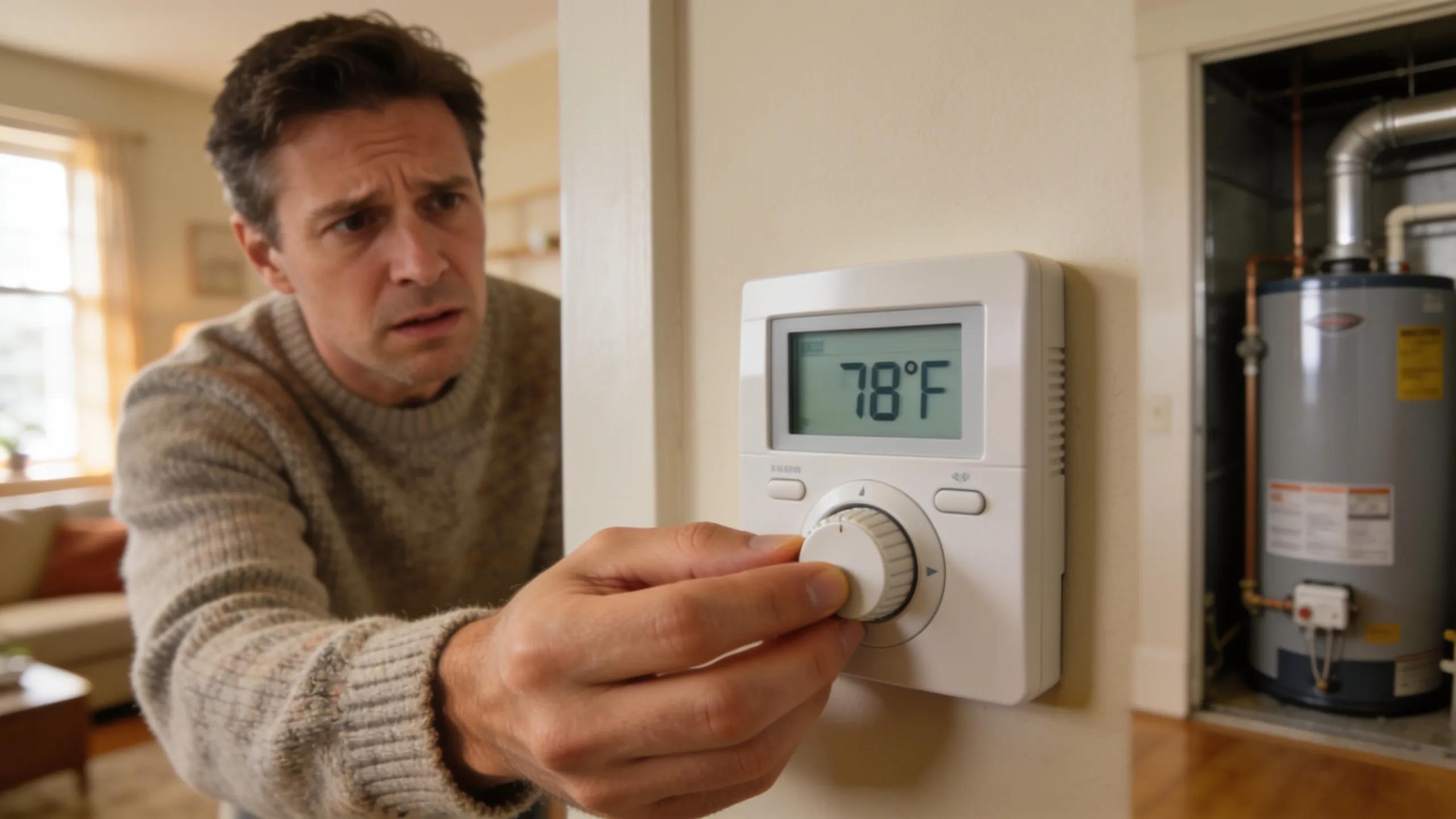
Thermostat problems are a common cause. Check it’s set to “heat” and that the set temperature is higher than the room. If it uses batteries, replace them. From our experience, a bad thermostat can make the furnace stop running when it should keep heating.
Tripped Circuit Breaker or Power Issues:
Power problems can stop the furnace completely. A tripped breaker or a switched-off power source may be the cause. Check your electrical panel and reset any tripped breaker. Ensure that the power switch for the furnace is turned on. If the furnace still won’t run, call a professional.
Dirty or Clogged Air Filter:
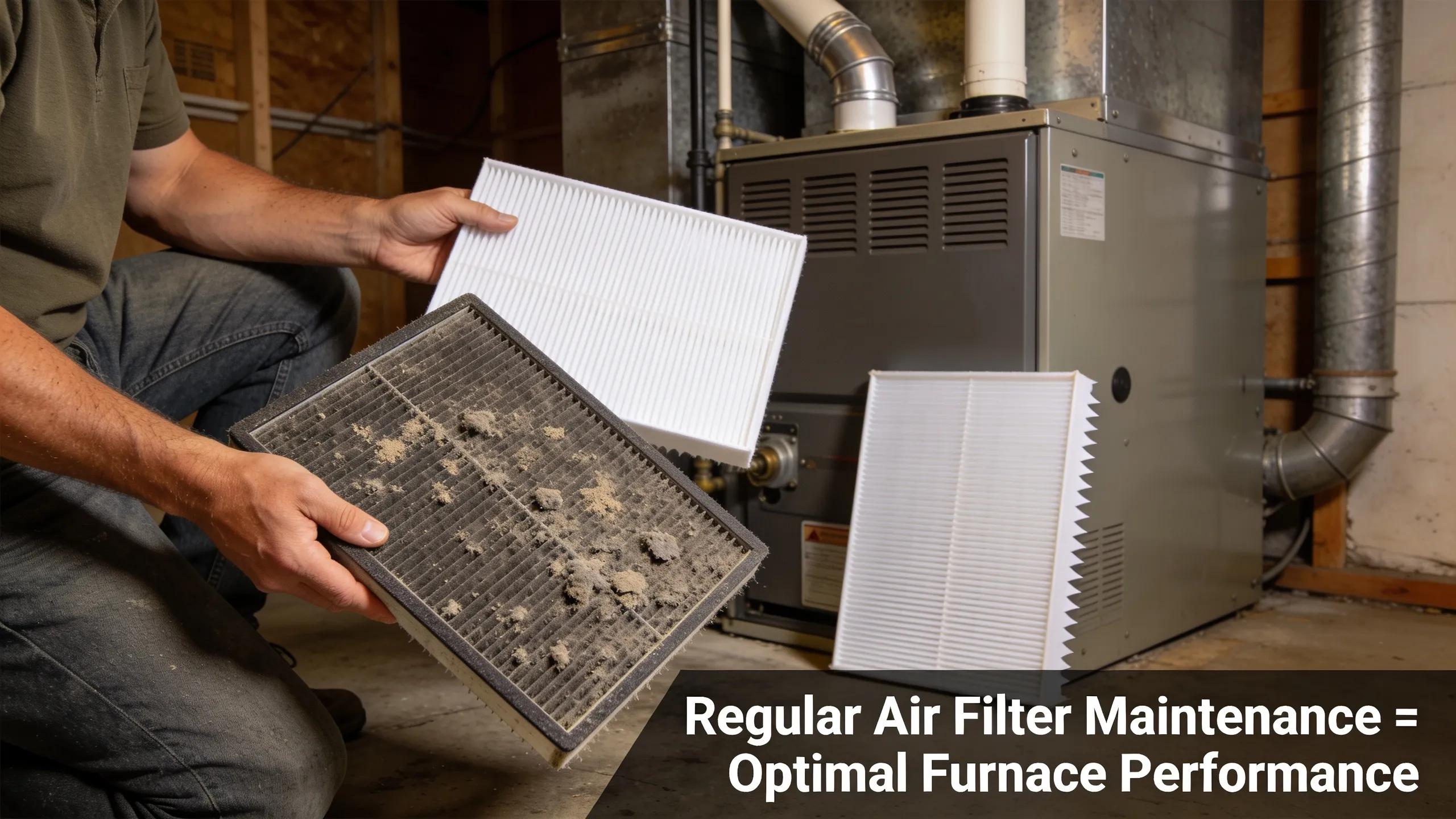
A dirty or clogged filter limits airflow and can make the furnace blow cold air. Check and replace the filter every 1–3 months, depending on use. Signs of a clogged filter include weak airflow and higher energy bills. Clean filters keep your system working well.
Ignition or Pilot Light Problems:
If the pilot light is out or the ignition won’t fire, the furnace won’t heat. If your unit has a pilot, check if it’s lit and relight it following the manual. For electronic ignition, you may need a technician if parts aren’t working. When unsure, call a pro.
Gas Supply Problems:
If your furnace runs on gas, make sure the gas valve is open and other gas appliances work. If you suspect a gas issue, stop and call a professional at once. Gas problems can be dangerous.
Blocked Airflow or Closed Vents:
Blocked vents and closed registers reduce heat in your home. Check every vent and remove furniture, curtains, or rugs that block airflow. Opening and clearing vents often restores even heating.
Clogged Condensate Drain Line:
A blocked condensate drain can force the furnace to shut down for safety. Check the drain and clear blockages if you can. Regular checks keep this from happening again.
Furnace Door Isn’t Fully Closed:
A door that isn’t closed can trip safety switches and stop the unit. Make sure the furnace door is latched. If the latch or door is damaged, have it repaired.
Faulty Limit Switch:
The limit switch controls temperature limits. If it fails, the furnace may refuse to blow hot air. From our experience, testing or replacing this part is best left to a technician.
Blower Motor Failure:
If you hear odd noises or there’s no airflow, the blower motor may be failing. That part is critical. Call a qualified technician to diagnose and fix it.
Control Board or Wiring Issues:
Faulty wiring or a bad control board can shut the furnace down. Look for burnt wires or loose connections and call a professional if you see them. Don’t try complex electrical fixes yourself.
Old Furnace:
An older furnace can struggle to heat well. If it’s over 15 years, it may be time to consider replacement. A newer unit can give more reliable heat and lower running costs.
Preventive Measures:
Keeping your furnace working well helps avoid problems. Try these simple steps to reduce breakdowns and keep your home warm.
- Regular Filter Changes: Change your air filter every 1-3 months to ensure proper airflow and efficiency.
- Annual Maintenance Checks: Schedule annual inspections with a qualified HVAC technician to identify and address potential issues before they escalate.
- Clear Vents and Registers: Regularly check and clear any obstructions from vents and registers to maintain optimal airflow.
Why Is My Furnace Blowing Cold Air Instead of Warm?
Cold air can come from wrong thermostat settings, a pilot or ignition fault, or blocked airflow. Start with the thermostat, filter, and vents. If those checks don’t fix it, a technician can find the deeper cause.
What Are the Signs of a Furnace Blower Motor Problem?
Noisy operation, weak airflow, or a blower that doesn’t run are common signs of motor trouble. If you see these symptoms, get a technician to inspect and repair the motor to prevent bigger damage.
How Does a Faulty Thermostat Affect Furnace Heating?
A faulty thermostat gives wrong temperature readings. That makes the furnace turn off too soon or not run at all. Make sure the thermostat is working and placed correctly for steady heat.
How Can Air Filters and Vents Cause Furnace Heating Issues?
Dirty filters and blocked vents stop air from moving through the system. That leads to poor heating and extra strain on the furnace. Regular filter changes and clear vents keep the system running normally.
When Should You Replace Your Furnace Air Filter?
Replace the air filter every 1–3 months, based on how much you use the system and the filter type. That simple step keeps airflow steady and protects your furnace.
How Do Blocked Vents Impact Furnace Performance?
Blocked vents cut down airflow and force the furnace to work harder. That can cause uneven heat or trips for safety. Keep vents clear so the system can heat your home properly.
What Role Do the Pilot Light and Flame Sensor Play in Furnace Heating?
The pilot light lights the gas, and the flame sensor confirms the flame is present. If either fails, the furnace may shut down. Cleaning or replacing the flame sensor can fix repeated shutdowns.
How to Check If Your Pilot Light Is Working Properly?
Find the pilot assembly and look for a steady flame. If it’s out, relight it following the manufacturer’s steps. If it keeps going out, call a technician to check the system.
Why Does a Dirty Flame Sensor Stop the Furnace from Heating?
A dirty flame sensor may not detect the flame and will shut the furnace down as a safety step. Cleaning the sensor often restores normal operation.
What Common Mistakes Do Homeowners Make That Affect Furnace Heat?
Common errors are skipping filter changes, blocking vents, and skipping yearly checks. Avoid these mistakes to keep your heating steady and reduce repairs.
Why Skipping Regular Furnace Maintenance Leads to Cold Air Problems
Skipping maintenance lets small issues grow. Filters clog, parts wear faster, and performance drops. Regular checks catch problems early and keep your system reliable.
How Can Incorrect Thermostat Settings Cause Heating Issues?
Wrong thermostat settings make the furnace run at the wrong times or not at all. Check settings regularly so your home stays comfortable when you want it to be.
How Can You Maintain Your Furnace for Long-Term Comfort and Savings?
Simple steps—filter changes and annual inspections—help your furnace last longer and cost less to run. From our experience, small regular tasks save big headaches later.
What Simple Steps Keep Your Furnace Running Efficiently?
- Change air filters regularly: This ensures proper airflow and efficiency.
- Schedule annual maintenance: Professional inspections can identify potential issues early.
- Keep vents clear: Ensure all vents and registers are unobstructed for optimal airflow.
When Should You Call a Professional for Furnace Repair?
If the furnace keeps having problems—strange noises, frequent shutdowns, or you can’t find the cause—call a professional. A technician will diagnose the issue and make safe, lasting repairs.
For a deeper understanding of heating systems and effective troubleshooting, consider consulting comprehensive guides like the one cited below.
Troubleshooting Heating Systems: Furnaces and Boilers
Practical guidance on servicing and troubleshooting furnaces and boilers. Audel HVAC Fundamentals, Volume 1:
Heating Systems, Furnaces and Boilers, 2012
Frequently Asked Questions
What should I do if my furnace starts making strange noises?
If you hear grinding, screeching, or rattling, something is likely loose or failing. Turn the furnace off to avoid more damage and call a qualified technician for an inspection and repair.
How can I tell if my furnace needs repair or replacement?
Frequent breakdowns, uneven heating, or rising bills are signs it needs repair. If the unit is older than 15 years and needs constant fixes, replacement may be the better choice. A professional can help you decide.
Can thermostat placement affect furnace performance?
Yes. A thermostat near drafts, heat sources, or in a poor spot gives wrong readings. Place it in a central, unobstructed location for the most accurate control.
What are the risks of ignoring small furnace issues?
Ignoring small problems can lead to bigger, costlier failures. A clogged filter can strain parts and a small gas leak can become dangerous. Regular checks keep your home safe and the system reliable.
How does the age of my furnace impact its efficiency?
Older furnaces, especially those over 15 years, usually use more energy and heat less evenly. Replacing an old unit can cut energy use and give steadier warmth.
What maintenance should I perform on my furnace?
Change filters every 1–3 months, check vents for blockages, and arrange a yearly inspection by a qualified technician. These steps prevent problems and extend the life of your furnace.
Conclusion
Knowing the common causes of a furnace not blowing hot air helps you act fast and avoid larger repairs. Check thermostat settings, filters, vents, and power first. Do regular maintenance and call a technician when needed. Taking these steps keeps your home comfortable and your system working longer.
Related Services
- Furnace Repair Service
- Furnace Installation
- Heating Services
- Heating Repair
- Heating Installation & Replacement
Keep Reading
- How Long Do Heat Pumps Last? Average Heat Pump Lifespan, Replacement Signs & Maintenance Tips
- The Complete Homeowner’s Guide to Heat Pump Wiring & Maintenance for Homeowners
- Why Annual AC Maintenance Pays for Itself
Browse all HVAC tips and guides.
Need a technician? Perfection Contracting serves homeowners across Sussex County, NJ and the surrounding North Jersey service area.