
Multi-Zone Mini-Split Systems in Sussex County, NJ
A multi-zone mini-split system connects several indoor units to a single outdoor condenser, giving each room or area its own thermostat while sharing one piece of equipment outside. It is how a ductless system moves from conditioning one problem room to heating and cooling an entire home, and it is one of the most flexible HVAC layouts available for houses in Sussex County that were never built with ductwork.
Designing a multi-zone system well is mostly an engineering exercise. Perfection Contracting has been doing that work here since 1975, and as a Mitsubishi Electric Diamond Preferred Contractor we design and install multi-zone systems across Newton, Sparta, Vernon, Hopatcong and the surrounding towns.
Call (973) 579-0182 for a free design consultation.
How a Multi-Zone System Is Put Together
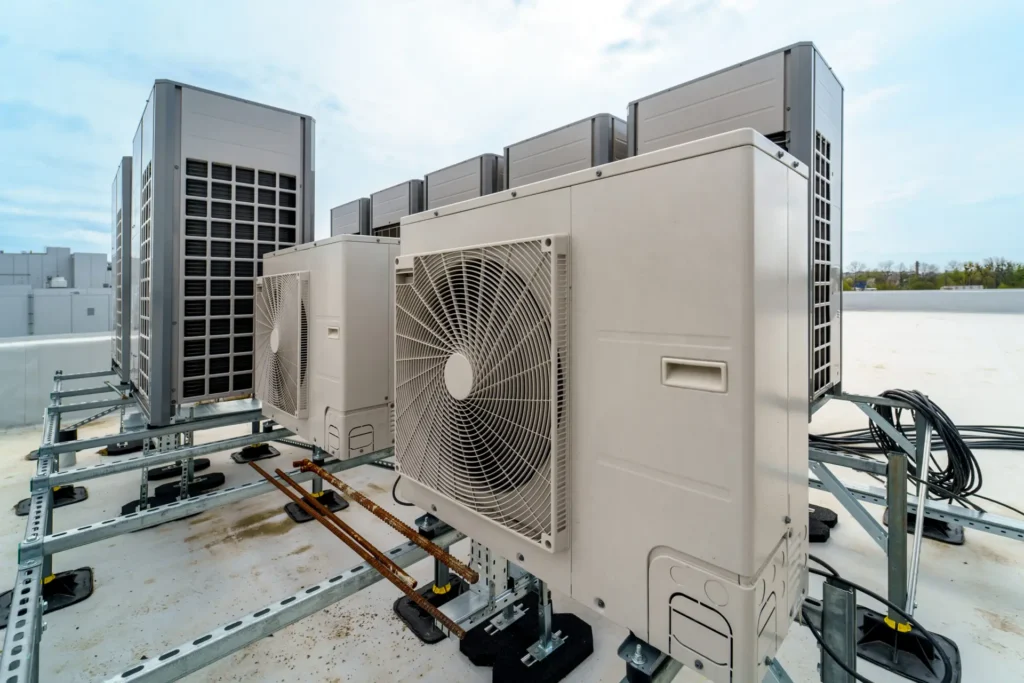
Every multi-zone system has the same three parts:
- One outdoor unit sized for the combined load of all the zones it serves. Residential multi-zone condensers typically support anywhere from two to eight indoor units depending on the model.
- Multiple indoor units, one per zone, each with its own remote or wall thermostat. A zone can be a single bedroom, an open kitchen and living area, or a whole finished basement.
- A branch box or individual line sets that distribute refrigerant from the outdoor unit to each indoor unit. On larger systems a branch box hidden in a closet or attic keeps the number of penetrations through the exterior wall to a minimum.
Because each indoor unit runs independently, unused rooms can be turned down or off entirely without affecting the others, which is where most of the energy savings over a central system comes from.
Choosing the Right Indoor Unit for Each Zone
One of the advantages of multi-zone design is that the indoor units do not have to match. We pick the style that suits each space:
High-wall units are the familiar choice: efficient, easy to install and available in the widest range of capacities. Good for bedrooms, offices and living rooms.
Ceiling cassettes recess into the ceiling and deliver air in four directions. They disappear visually and suit kitchens, great rooms and finished basements with adequate ceiling depth.
Floor-mounted units sit low on the wall like a radiator and are ideal for rooms with knee walls, large windows or sloped ceilings, and for rooms where heating performance matters most, since warm air is delivered near the floor.
Concealed ducted units hide in a ceiling or closet and feed two or three small rooms through short duct runs. They let a single zone serve a hallway of bedrooms while keeping walls clear of equipment.
Mixing these styles on one outdoor unit is routine, and it is often what makes a whole-home ductless design work in an older Sussex County farmhouse or a lakefront home with an unusual layout.
The Design Mistakes We See Most Often
Multi-zone systems that disappoint their owners almost always share the same root causes, none of which have anything to do with the equipment brand:
- Oversized indoor units. Small bedrooms get the smallest available head, and even that is often more capacity than the room needs. Oversized heads short-cycle, leave the room clammy in summer and can starve the other zones of refrigerant.
- Too many zones on one condenser. Pushing an outdoor unit to its maximum head count reduces its cold-weather capacity. We size for the coldest week of the year, not the mildest.
- Ignoring how the house is used. If four bedrooms and the living room all call for heat at 6 a.m. in January, the condenser has to be sized for that moment, not the average.
- Long or poorly insulated line sets. Every foot of line set matters for capacity, and uninsulated lines sweat and lose performance.
Each of our designs starts with a room-by-room load calculation. It takes longer than a walkthrough estimate, and it is why our systems hold temperature in every zone when the weather turns.
Multi-Zone Mini-Split vs. Several Single-Zone Systems
Sometimes the better answer is two or three single-zone systems rather than one multi-zone system. A multi-zone layout costs less per zone, needs one electrical circuit and takes up less space outside. Separate single-zone systems can be more efficient in each room, avoid a single point of failure and allow a room to be serviced without shutting down the rest of the house.
The deciding factors are usually the distance between the rooms, how much outdoor space you have for equipment and whether the zones will be used at the same time. Rooms on opposite ends of a long ranch may be better served by two smaller systems; a compact two-story colonial is usually a clean single multi-zone design.
We lay out both options with real numbers for your home. In many Sussex County houses the best design is a hybrid: a multi-zone system for the main floors and a single-zone unit for a detached office, garage apartment or in-law space.
If your home has ductwork in good condition, a ducted heat pump or dual-fuel system may serve it better than ductless. We will tell you if that is the case.
Whole-Home Ductless: Replacing Baseboard, Oil or Window Units
A growing number of our multi-zone installations replace an entire heating system. Homes with electric baseboard heat, aging oil furnaces or a boiler with no cooling at all can move to a single ductless system that heats efficiently in winter and cools in summer, with no ductwork added. Cold-climate outdoor units rated well below zero make this practical for Sussex County winters, and keeping the old system as a backup for the first season is a reasonable way to gain confidence.
These larger projects benefit most from utility and state incentives when they are available. Ask us about current programs and our financing options.
Once installed, a multi-zone system needs every indoor unit cleaned and the outdoor unit checked on a schedule. Our mini-split maintenance service covers all of the heads in one visit.
Design Your Multi-Zone System With Us
Bring us a floor plan or just walk us through the house. We will measure the loads, recommend the zones and unit types, and give you a written proposal with the equipment, placement and costs spelled out.
Call (973) 579-0182 or request a quote using the form on this page. Perfection Contracting designs and installs multi-zone ductless systems throughout Sussex County and neighboring counties.
Frequently Asked Questions
How many indoor units can one outdoor unit support?
Residential multi-zone condensers generally support two to eight indoor units depending on the model and capacity. The right number for your home depends on the combined load of the zones, not just the head count.
Can each room have a different temperature?
Yes. Every indoor unit has its own thermostat and can be set independently, turned down or switched off without affecting the other zones.
Can a multi-zone system heat my whole house in winter?
With a cold-climate outdoor unit sized for your home’s heating load, yes. We design for the coldest week of the year and confirm the equipment’s low-temperature rating before recommending it as your primary heat.
Do all the indoor units have to be the same type?
No. You can mix wall-mounted, ceiling cassette, floor-mounted and concealed ducted units on one outdoor unit, which is often what makes a whole-home design fit an older layout.
Is one multi-zone system cheaper than several single-zone systems?
Usually per zone, yes, because there is one outdoor unit and one circuit. Separate single-zone systems can be more efficient per room and avoid a single point of failure. We price both for you.
How long does a multi-zone installation take?
Typically two to three days for a three- or four-zone system, longer for larger whole-home projects or complex line-set routing.
Related Services
REQUEST A FREE QUOTE NOW
Related Ductless Services
- Ductless Mini-Splits
- Mini-Split Installation
- Mini-Split Repair
- Mini-Split Maintenance
- Benefits of Ductless HVAC
- Heat Pumps
- VRF Systems
- Mitsubishi Diamond Contractor
- Cooling Services
- Heating Services
Service area: Sussex County, Morris County, Warren County and Bergen County. See every town we serve.