If you’re researching ductless AC installation costs, you’re probably feeling a mix of curiosity and frustration. One website says it costs $3,000. Another says $15,000. Reddit threads are all over the place. And every contractor seems to give a different number.
We get it — and you’re not alone.
As HVAC systems evolve and homeowners look for more energy-efficient, flexible cooling solutions, ductless mini-split systems are becoming the go-to choice. But the real question remains: how much does ductless AC installation actually cost, and what should you expect before signing a contract?
Let’s break it down clearly, honestly, and in plain English.
What Is a Ductless AC System (And Why So Many Homeowners Choose It)
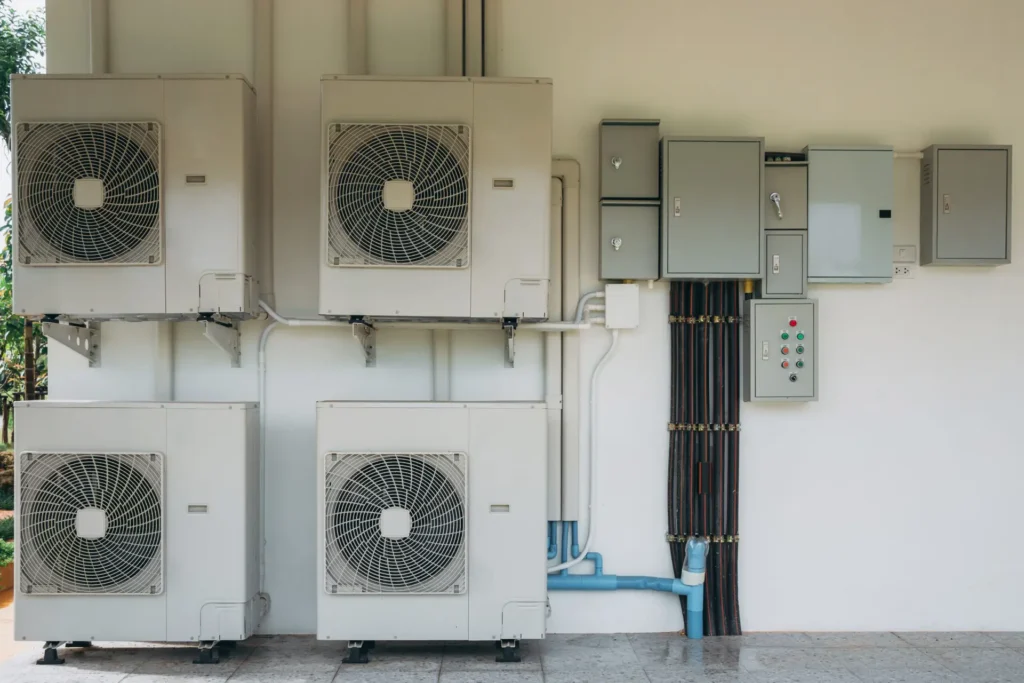
A ductless AC system, also called a mini-split, cools your home without traditional ductwork. Instead, it uses:
An outdoor condenser unit
One or more indoor air handlers (zones)
Refrigerant lines connecting them
The biggest advantage? You get room-by-room temperature control, better energy efficiency, and no need to rip open walls for ducts. That’s why ductless systems are popular for older homes, additions, finished basements, and multi-level houses.
Average Ductless AC Installation Cost in 2026
Here’s the real-world pricing homeowners are seeing in 2026:
Single-zone system: $2,500 – $6,500
Two to three zones: $6,000 – $12,000
Whole-home multi-zone systems: $10,000 – $18,000+
Most homeowners land between $4,000 and $12,000, depending on system size and installation complexity.
What the data shows:
Industry studies from Energy Star and contractor pricing reports show that multi-zone ductless systems cost more upfront but can reduce cooling energy use by 25–40% compared to older central AC systems.
What You’re Actually Paying For (Cost Breakdown)
1. Equipment Costs
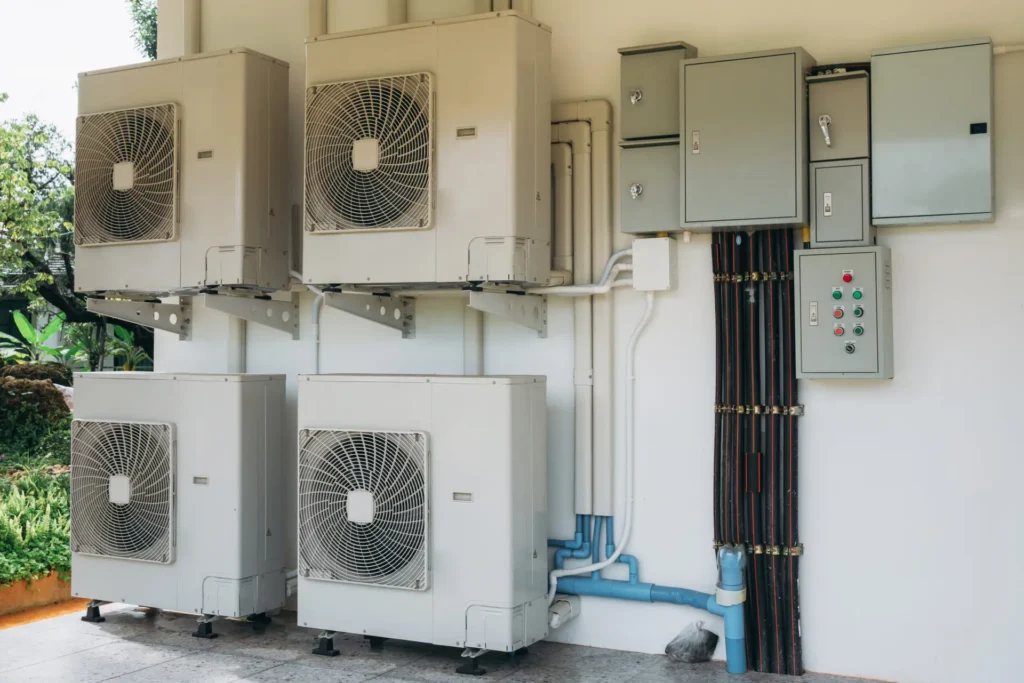
This includes the outdoor unit and each indoor air handler.
Single indoor unit: $700 – $1,800
Each additional zone: $600 – $1,500
High-efficiency systems (SEER 20+): higher upfront cost but better long-term savings
2. Labor & Installation
Professional installation usually accounts for 30–45% of the total cost. This covers:
Mounting indoor units
Running refrigerant lines
Electrical connections
System testing and calibration
If your home needs an electrical panel upgrade, that can add $500–$2,000.
3. Permits, Accessories & Extras
Line hide covers
Condensate pumps
Wall brackets
Local permits
These small items add up, but they also ensure your system runs safely and looks clean.
What Factors Influence Your Final Price?
No two homes are the same, and ductless installation pricing reflects that. The biggest factors include:
Number of zones (rooms)
Home layout and wall access
Distance between indoor and outdoor units
Efficiency rating of the system
Local labor rates
Brand and warranty level
That’s why online cost calculators are helpful for ranges — but not exact numbers.
Single-Zone vs Multi-Zone: Which One Is Right for You?
Single-Zone Systems
Best for:
Home offices
Bedrooms
Garages
Additions
Lower cost and faster install, usually done in one day.
Multi-Zone Systems
Best for:
Whole-home cooling
Multi-level homes
Homes without ductwork
More expensive upfront, but better comfort and energy savings long term.
Ductless AC vs Central Air: Is It Worth the Cost?
This is where many homeowners hesitate — and rightfully so.
While ductless systems can cost more upfront, they save money over time because:
No energy loss through ductwork (which can waste 20–30% of cooled air)
Zoned cooling reduces overuse
Inverter technology uses only the energy needed
According to DOE studies, properly installed mini-splits can reduce cooling costs by up to 40% in older homes.
How to Save Money on Ductless AC Installation?
Here’s what we recommend to homeowners looking to keep costs down without cutting corners:
1. Install During Off-Peak Seasons
Spring and fall installations often come with lower labor costs and faster scheduling.
2. Look for Rebates & Incentives
Many homeowners qualify for:
Utility rebates
State efficiency incentives
Federal tax credits under the Inflation Reduction Act
3. Compare Quotes — But Compare the Right Way
Make sure each quote includes:
Brand and model numbers
Labor scope
Warranty terms
Electrical work details
The cheapest quote isn’t always the best long-term investment.
Can You Install a Ductless System Yourself?
Technically, yes — but we don’t recommend it for most homeowners.
DIY installations often:
Void warranties
Cause refrigerant leaks
Lead to poor performance
Fail inspections
Professional installation ensures efficiency, safety, and long-term reliability.
Installation Timeline: What to Expect
Single-zone: 1 day
Multi-zone: 2–4 days
Complex projects: Up to 1 week
Most of the work is clean, fast, and minimally invasive — one of the biggest advantages of ductless systems.
Maintenance & Lifespan
Annual professional service: $150–$300
Filter cleaning: every 1–2 months
Average lifespan: 15–20 years with proper care
That’s longer than many traditional AC systems.
Frequently Asked Questions
How long does ductless AC last?
With proper maintenance, 15–20 years.
Does ductless AC add home value?
Yes — especially in homes without ductwork.
Is ductless AC noisy?
No. Indoor units are quieter than most refrigerators.
Is it worth the investment?
For comfort, efficiency, and flexibility — absolutely.
Choosing the Right Installer Matters Most
A ductless system is only as good as its installation. The equipment matters, but the contractor matters more.
That’s why working with an experienced, licensed professional like Perfection Contracting, Inc. makes all the difference. From proper sizing and clean installation to long-term efficiency and warranty protection, their team ensures your investment pays off for years to come.
If you’re ready to get real pricing, real answers, and real comfort — Perfection Contracting, Inc. is the partner you can trust.
Related Services
Keep Reading
- 5 Key Benefits of Installing Ductless AC for Old Homes
- Mini-Split vs. Central Air: Which Cooling System Is Right for Your Home?
- Heat Pump Wiring Diagrams Explained: What Every Homeowner Should Know?
Browse all HVAC tips and guides.
Need a technician? Perfection Contracting serves homeowners across Sussex County, NJ and the surrounding North Jersey service area.