
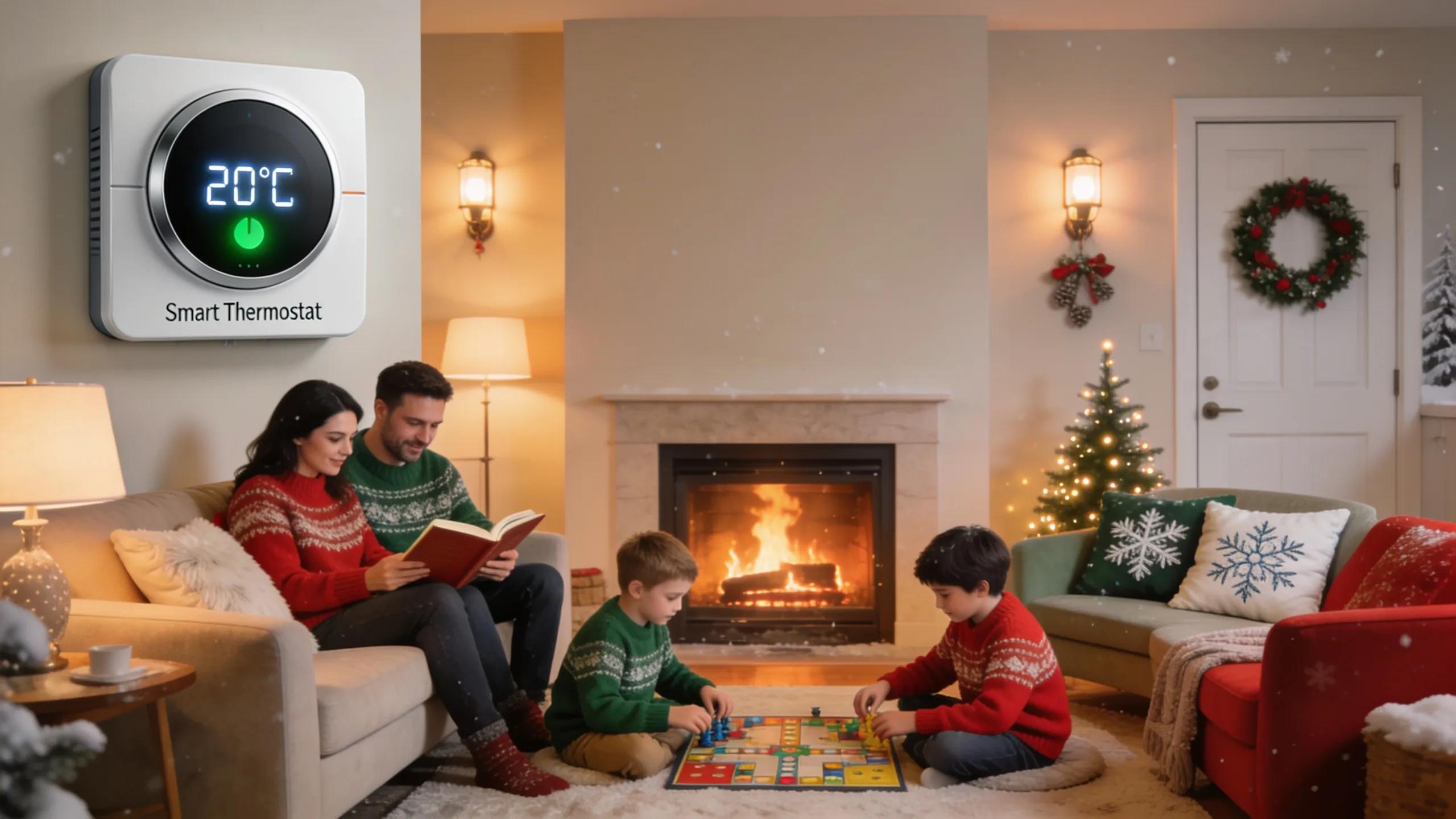
Best Winter Thermostat Setting for NJ Homes: How to Stay Comfortable and Save Energy
Winter in New Jersey can mean high bills or chilly rooms. From our experience, the right thermostat setting keeps you comfortable and cuts energy use. This guide covers the best winter thermostat settings for NJ homes, simple ways to save energy, common mistakes to avoid, and why regular heating maintenance matters. Use these tips to balance warmth and lower costs all season.
- The ideal winter thermostat setting for New Jersey homes is 68°F to 70°F during the day and 60°F to 65°F at night.
- Lowering the thermostat at night or when away reduces energy consumption and lowers heating costs.
- Smart thermostats enable programmable temperature schedules that improve comfort and save energy.
- Common thermostat mistakes include setting temperatures too high or too low, which wastes energy or causes discomfort.
- Regular heating system maintenance ensures optimal performance and prevents costly repairs during winter.
- Heating system types like ductless HVAC and VRF systems require tailored thermostat settings for best efficiency.
- New Jersey’s variable winter climate and home insulation quality influence appropriate thermostat temperature choices.
- Signs such as unusual noises and inconsistent heating indicate the need for professional heating system checkups.
- Upgrading to a smart thermostat offers long-term savings through customized control and remote temperature management.
What Is the Ideal Thermostat Temperature for NJ Winters?
Choosing the right winter temperature matters for comfort and bills. Set daytime temperatures to about 68°F–70°F and drop to 60°F–65°F at night. From our experience, this range gives steady warmth without wasting energy.
Recommended Temperature Ranges for Comfort and Savings
Keep daytime settings at 68°F–70°F for a comfortable home. Lower the thermostat to 60°F–65°F at night to save energy while you sleep. Home insulation changes how these settings feel; well-insulated houses hold heat better, so you can keep the thermostat lower and stay comfortable.
How NJ Climate Influences Your Heating Needs
New Jersey winters can swing from mild to below freezing. That means you may need to adjust settings from week to week. Humidity can make rooms feel colder, so you might raise the temperature a bit on damp days. Older homes or older heating systems often need a higher setting to reach the same comfort as newer systems.
How Can You Save Energy with Smart Thermostat Settings in Winter?
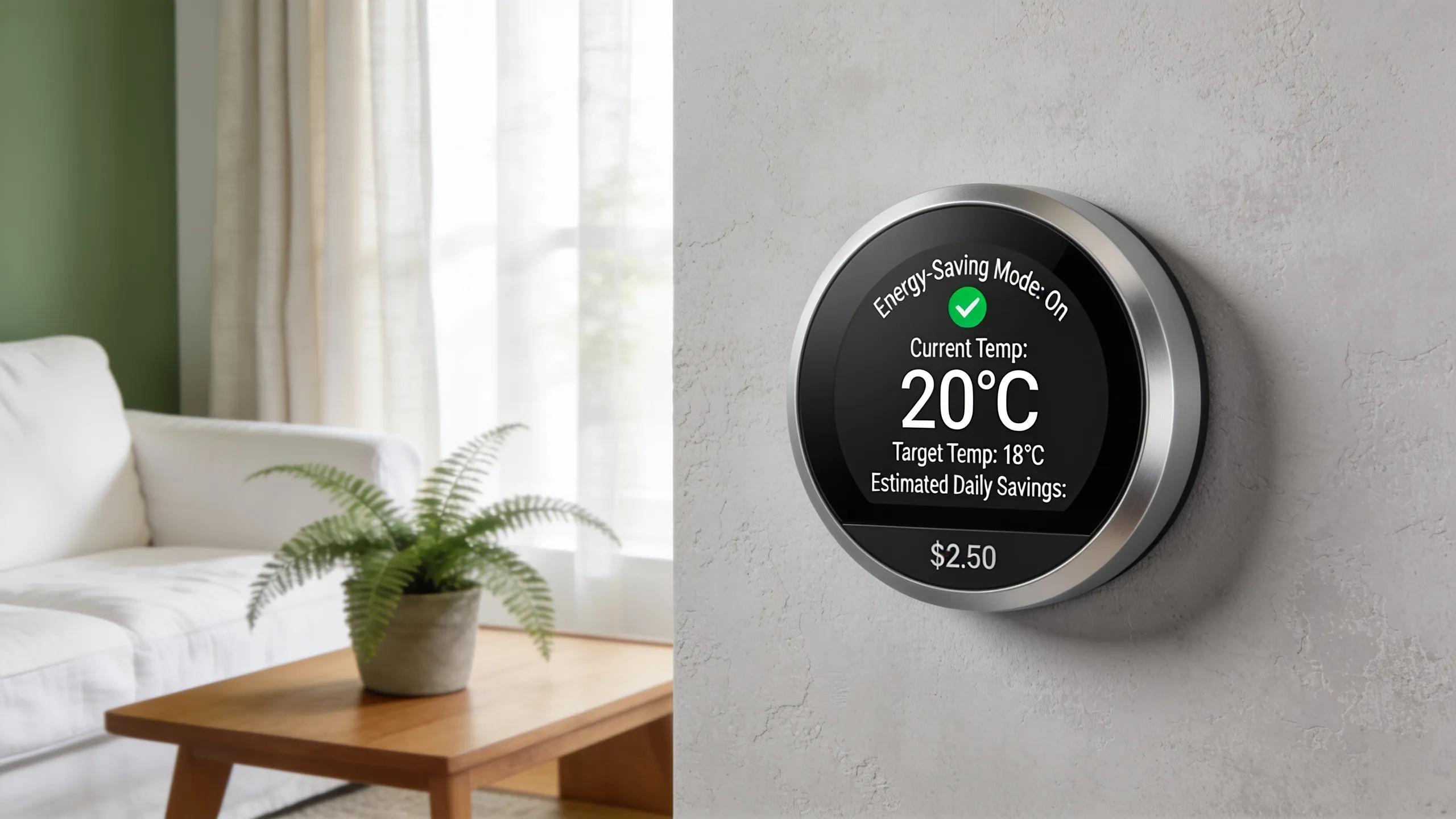
Smart thermostats help cut energy use by following your daily routine. Use programmable features to heat the house when you need it and lower the temperature when you don’t. From our experience, simple schedules deliver the best savings without sacrificing comfort.
Adjusting Temperatures for Day and Night
Program your thermostat to lower the temperature at night or while the house is empty. Dropping the thermostat a few degrees for several hours adds up to real savings. Stick to a regular schedule so your system runs predictably and uses less energy.
Using Programmable Thermostats to Cut Heating Costs
Programmable thermostats give you control over different times of day. Set warmer temps for when people are home and cooler temps for when they’re away. Track your energy use and tweak the schedule—small changes often lead to steady savings.
What Common Thermostat Mistakes Should NJ Homeowners Avoid?
Homeowners often make simple thermostat errors that raise bills or reduce comfort. Learn the common mistakes so you can set your thermostat in a way that saves energy and keeps your home comfortable.
Setting Temperatures Too High or Too Low
Turning the thermostat up to heat a room faster wastes energy without much benefit. Setting it too low leaves rooms uncomfortable. Aim for the middle range and make gradual changes instead of big jumps.
Ignoring Regular Heating System Maintenance
Skipping regular maintenance leads to reduced performance and higher energy bills. Schedule routine check-ups so a pro can catch problems early, clean parts, and keep your system running well all winter.
How Does Heating System Type Affect Your Thermostat Settings?
Your heating system type affects how you should set the thermostat. From our experience, different systems respond differently to temperature changes. If you’re thinking about a new system, consider options like air conditioning installation to get reliable heating and cooling year-round.
Differences Between Ductless HVAC and Traditional Systems
Ductless HVAC units let you heat zones separately, so you only warm rooms you use. That zoned control can lower energy use when used correctly. For more details, see ductless HVAC systems.
Optimizing Settings for VRF Systems in NJ Homes
VRF systems offer precise control for each zone, so adjust settings based on which rooms are occupied. Learn your system’s features to get the most comfort and savings. More on these systems is available at VRF systems.
When Should You Schedule Heating System Maintenance for Winter?
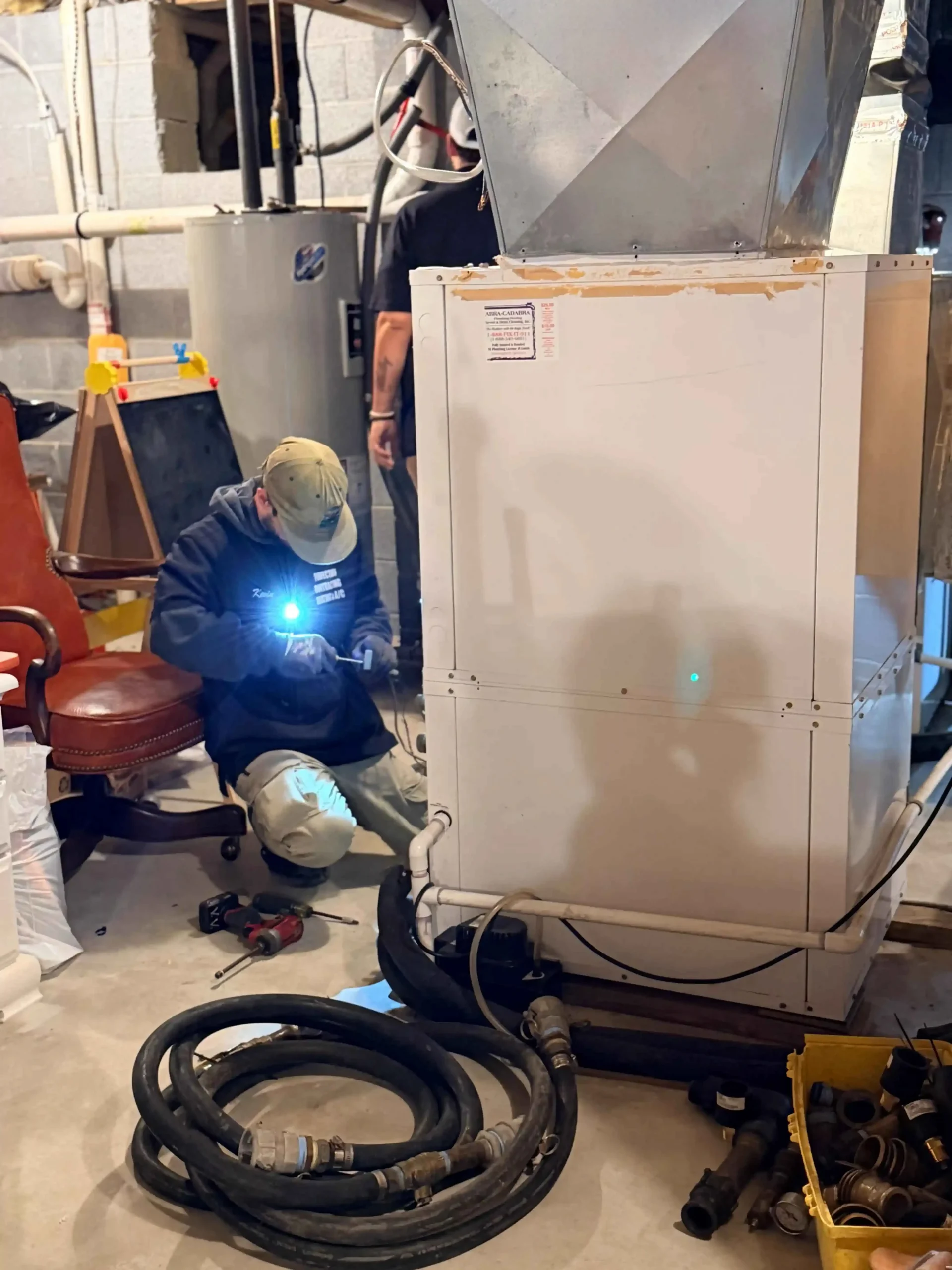
Plan maintenance before winter starts to avoid surprises. From our experience, a pre-season check saves time and money. If you think something is off, book professional AC service to make sure your system is ready.
Signs Your Heater Needs a Checkup
Watch for unusual noises, rooms that don’t heat evenly, or rising energy bills. These are clear signs your system should be inspected. Fixing problems early prevents bigger repairs later.
Benefits of Regular Maintenance for Energy Efficiency
Regular tune-ups extend your system’s life and lower energy use. A clean, inspected system runs smoother and costs less to operate. Schedule maintenance before winter so your heater performs well when you need it most.
What Are the Benefits of Upgrading to a Smart Thermostat This Winter?
Smart thermostats give extra control and convenience during winter. They help match heating to your habits and cut wasted energy without extra effort.
Customized Temperature Control for NJ Homes
Smart thermostats learn routines and let you change settings from your phone. That means the house is warm when you arrive and cooler when you’re out—without manual resets.
Long-Term Cost Savings and Comfort Improvements
Spending on a smart thermostat often pays off over time. It trims wasted heating and keeps comfort steady, which lowers bills across the season.
Frequently Asked Questions
What temperature should I set my thermostat when I’m not home?
Set your thermostat to about 60°F–65°F when you’re away in winter. That keeps pipes safe and cuts energy use. If you have a smart thermostat, program it to lower before you leave and raise it before you come back for comfort on arrival.
How does home insulation affect thermostat settings?
Insulation helps keep heat inside, so well-insulated homes stay warmer with lower settings. Poor insulation means the heater works harder and you may need higher temperatures. Check your insulation to find the best thermostat range for your home.
Can I save money by using a setback thermostat?
Yes. A setback thermostat automatically lowers temps when you sleep or are away. Dropping the temperature a few degrees during those hours can cut bills while keeping your home comfortable when you return.
How often should I perform maintenance on my heating system?
Have your heating system checked at least once a year, ideally before winter. A service visit includes cleaning, inspection, and tuning that help your system run better and last longer.
Are smart thermostats worth the investment?
Most homeowners find smart thermostats worth the cost. They save energy through better schedules and let you control your home from a phone. Over time, the savings on bills often cover the purchase.
What common heating problems should I look out for?
Look for odd noises, rooms that stay cold, or a sudden jump in energy bills. These signs usually mean the system needs maintenance or repairs. Fixing issues early keeps your system reliable and lowers repair costs.
Conclusion
Keeping your thermostat at 68°F–70°F by day and 60°F–65°F at night delivers comfort and savings in New Jersey winters. Regular maintenance and avoiding common thermostat errors help your system run reliably and cut costs. Use these practical tips and resources to get the most from your heating system this winter.
Related Services
- WiFi Thermostats
- Heating Services
- Heating Repair
- Heating Installation & Replacement
- Furnace Repair Service
Keep Reading
- Should You Convert From Oil Heat to Natural Gas?
- Furnace Safety: How to Protect Your Home From Carbon Monoxide
Browse all HVAC tips and guides.
Need a technician? Perfection Contracting serves homeowners across Sussex County, NJ and the surrounding North Jersey service area.