Frequently Asked Questions
How can I improve my HVAC systems efficiency?
Improving your HVAC system's efficiency involves regular maintenance, such as changing filters, sealing ducts, and scheduling professional inspections. Additionally, consider upgrading to a programmable thermostat and ensuring proper insulation to enhance overall performance.
What are the signs that my air conditioning needs repair?
The signs that your air conditioning needs repair include inconsistent cooling, unusual noises, unpleasant odors, increased energy bills, and frequent cycling on and off. If you notice any of these issues, it's time to call a professional for assistance.
How often should I have my HVAC system serviced?
The frequency of HVAC system servicing is essential for optimal performance. It is recommended to have your HVAC system serviced at least once a year to ensure efficiency and longevity.
What types of HVAC systems do you install?
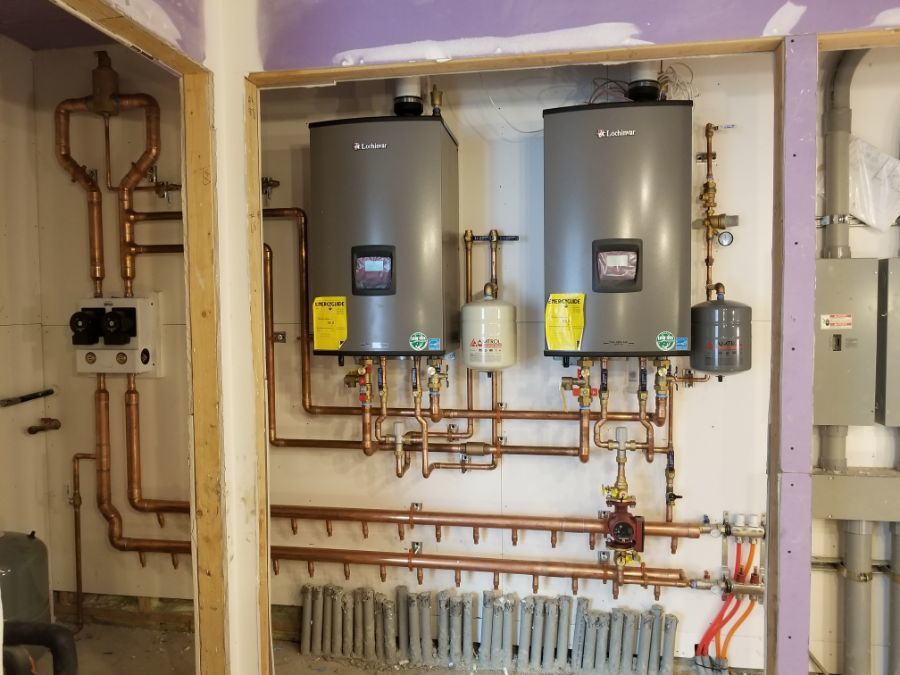
Perfection Contracting, Inc. installs a variety of HVAC systems, including central air conditioning units, ductless mini-split systems, heat pumps, and furnaces, catering to both residential and commercial needs.
Can you provide examples of your previous HVAC projects?
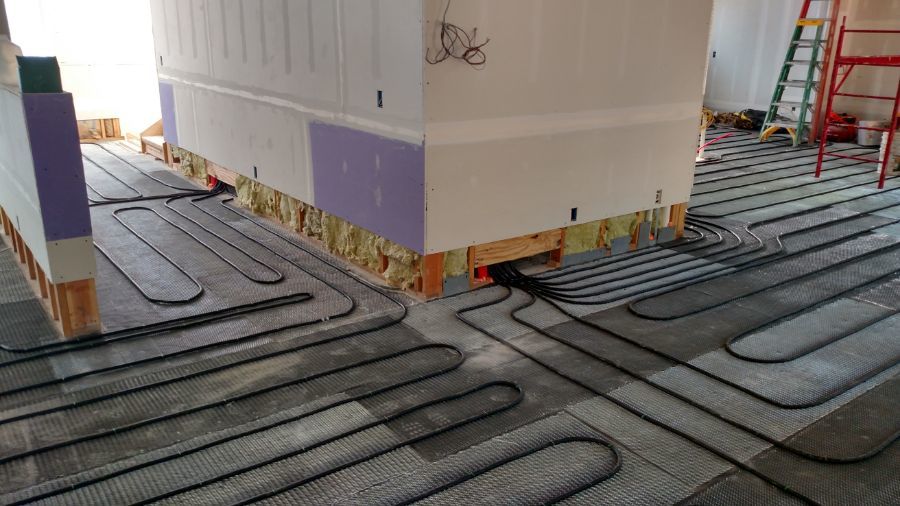
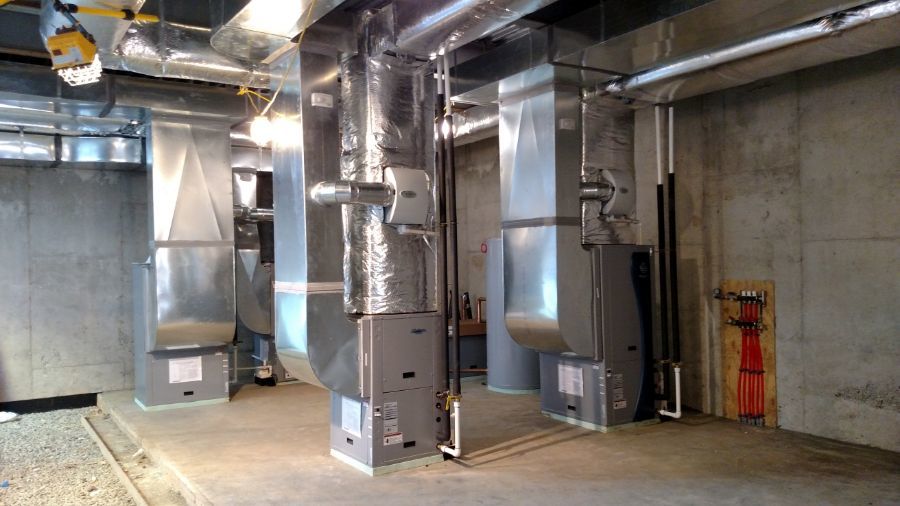
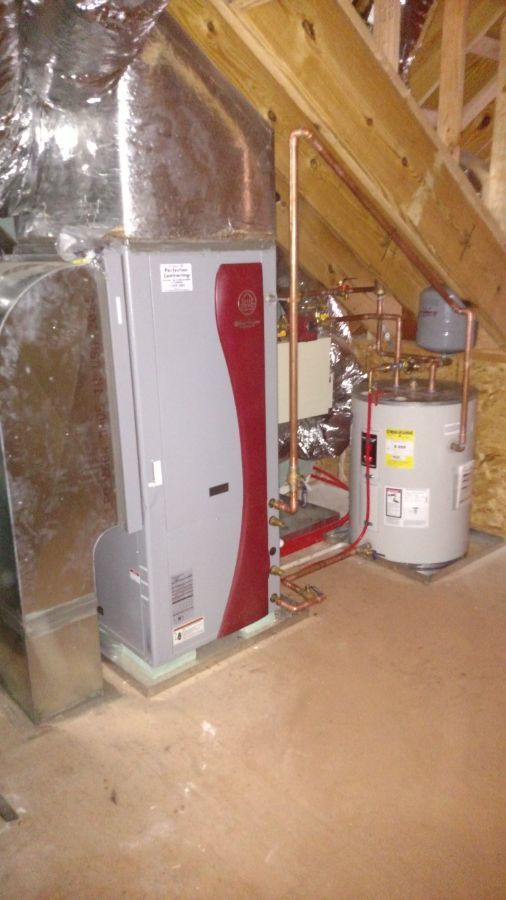
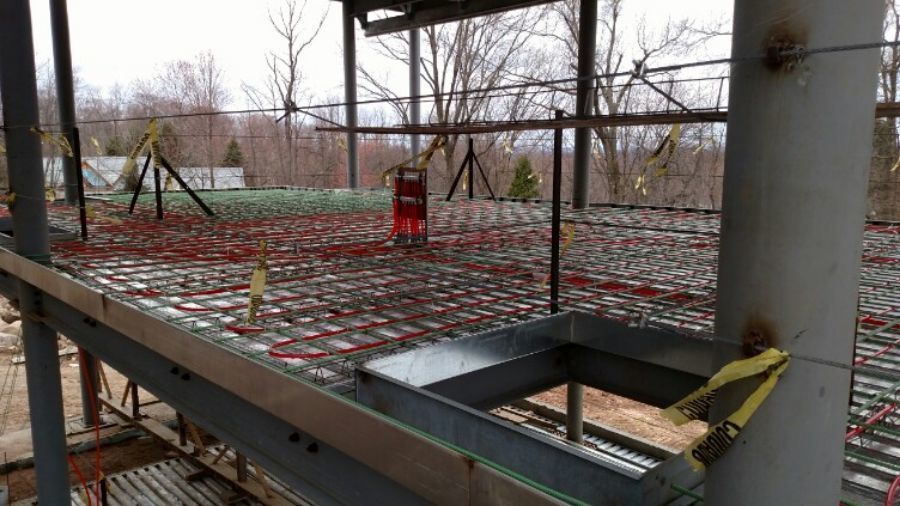
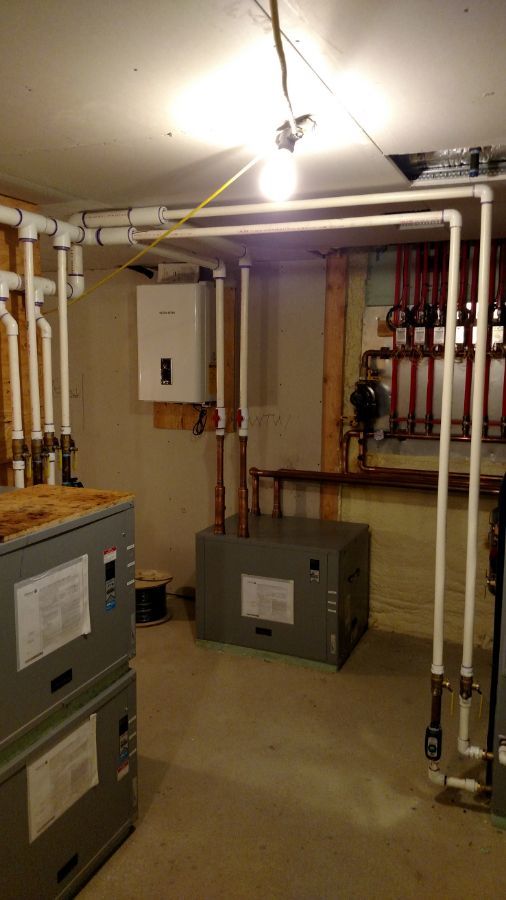
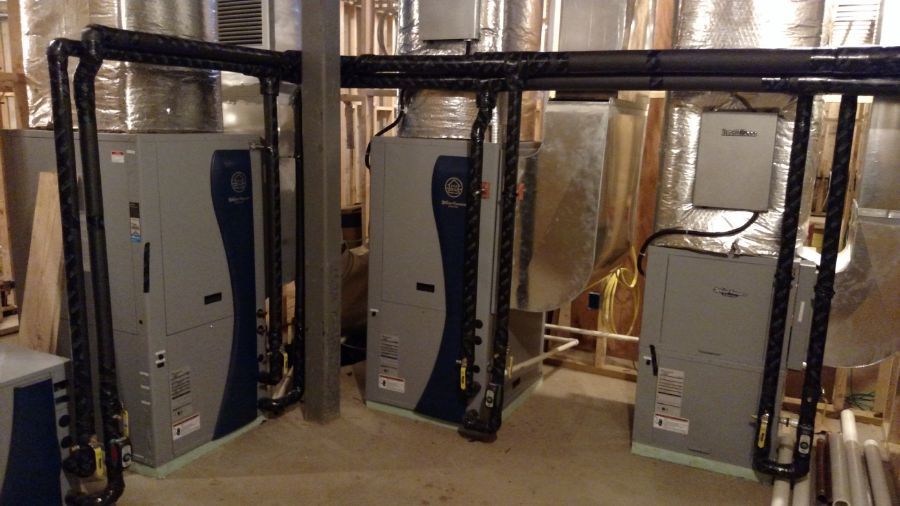
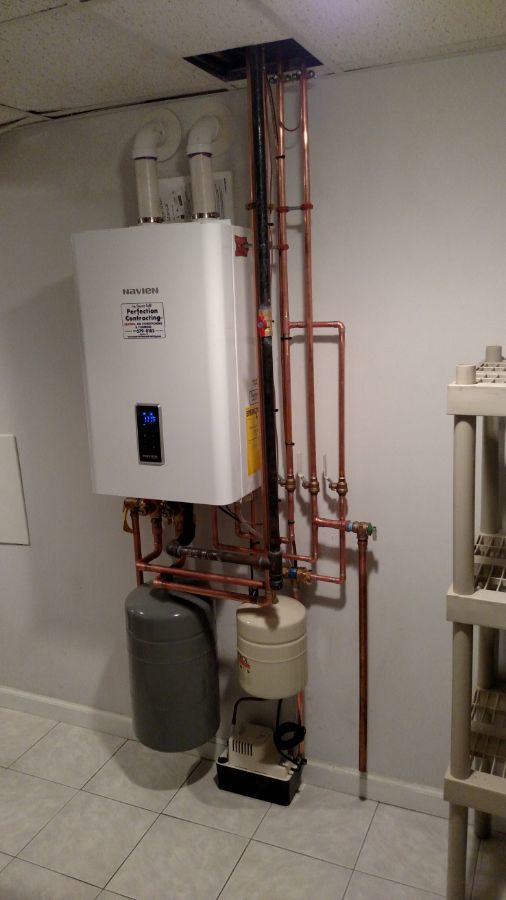
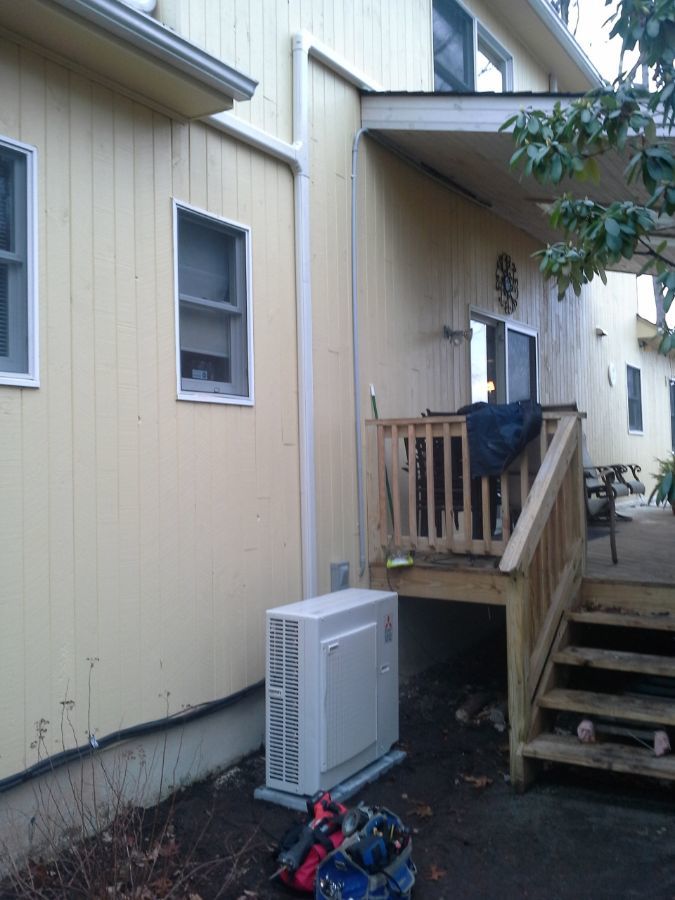
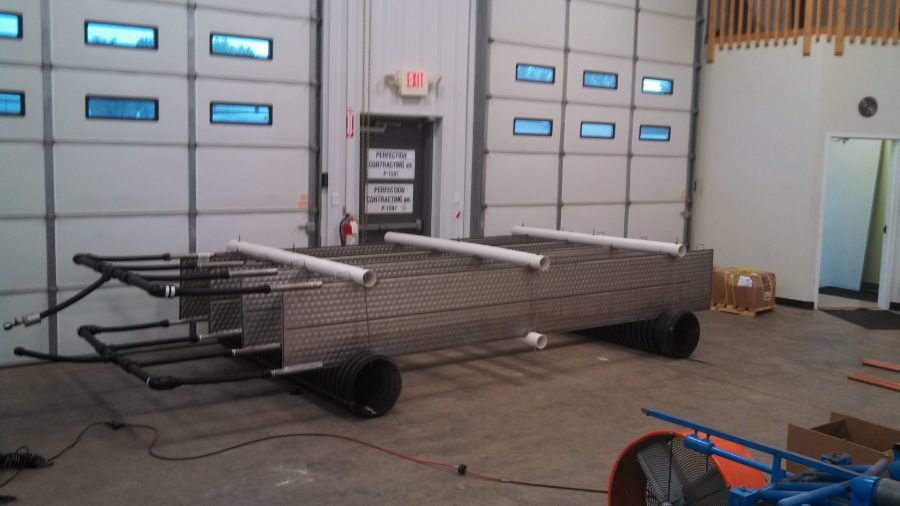
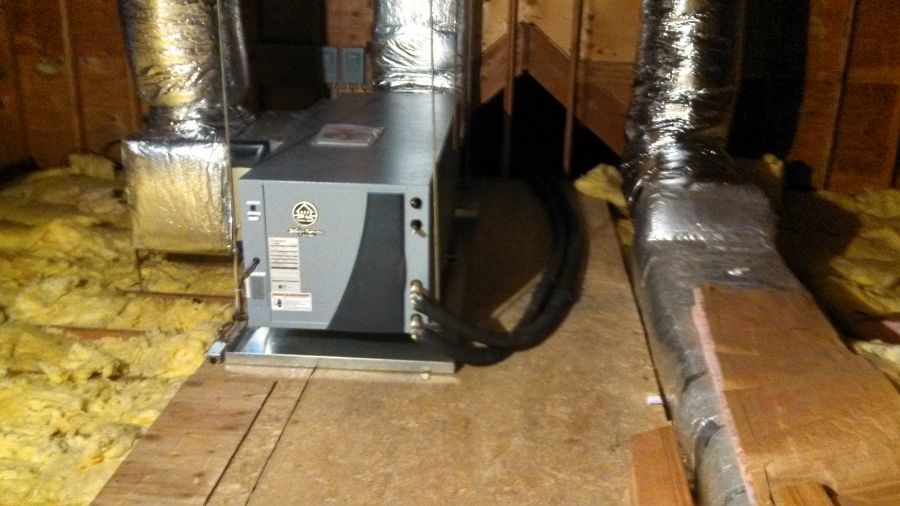
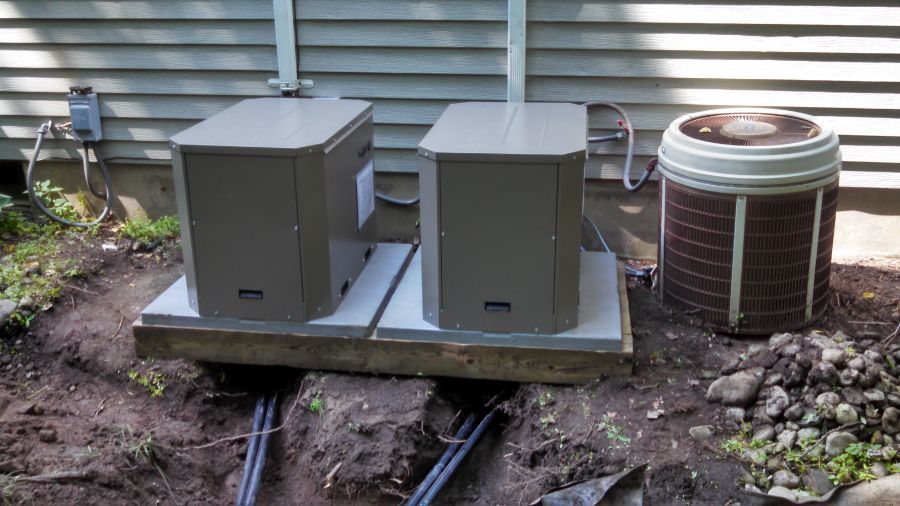
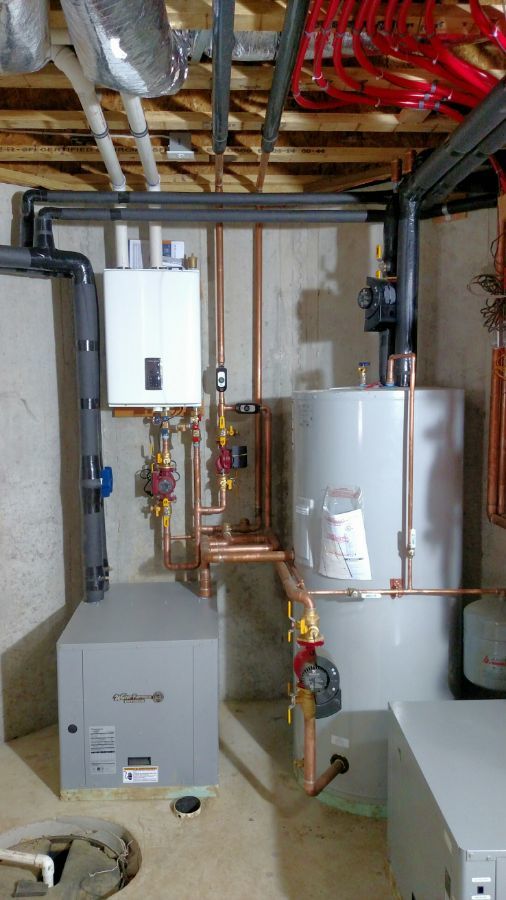
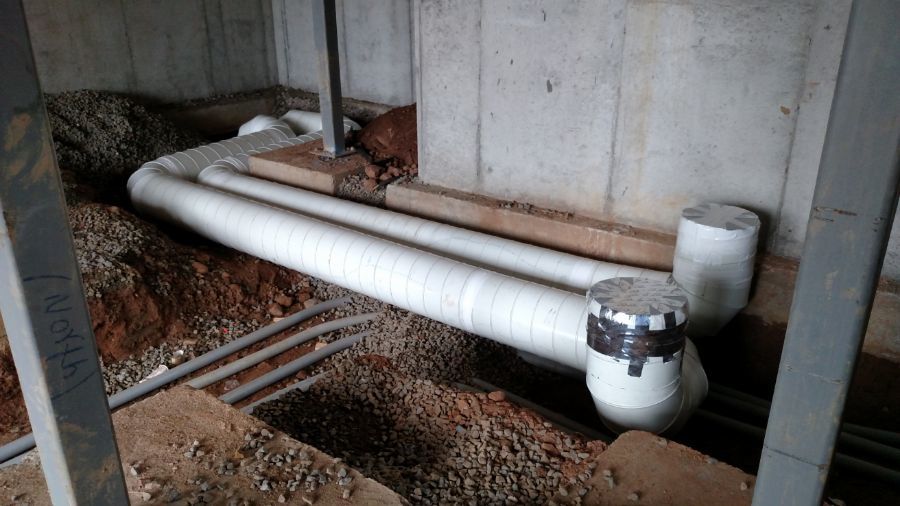
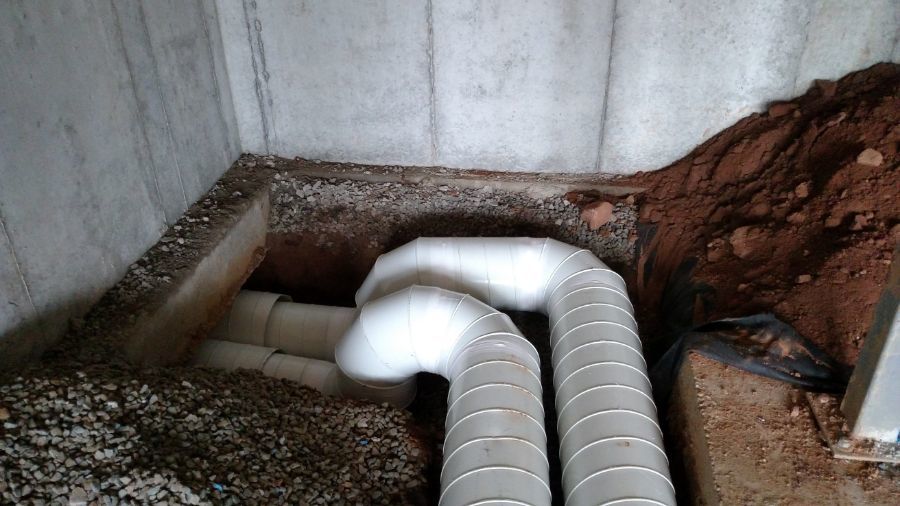
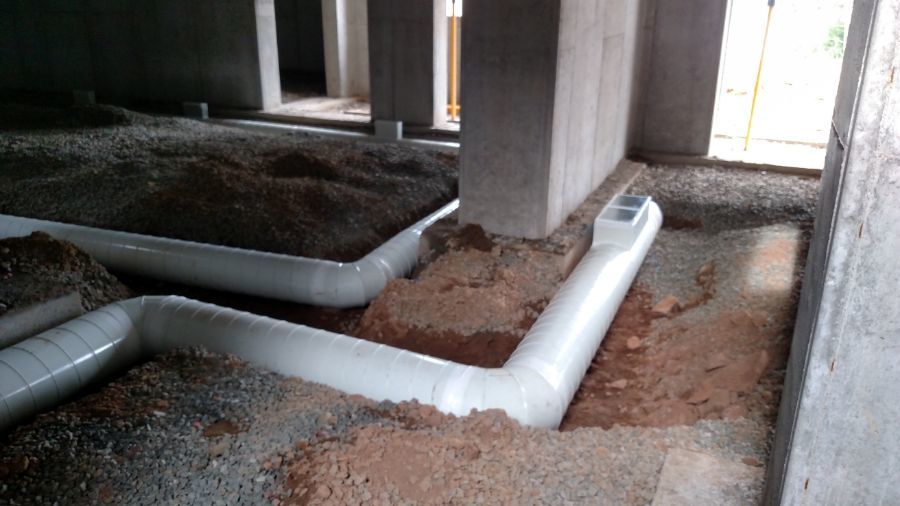
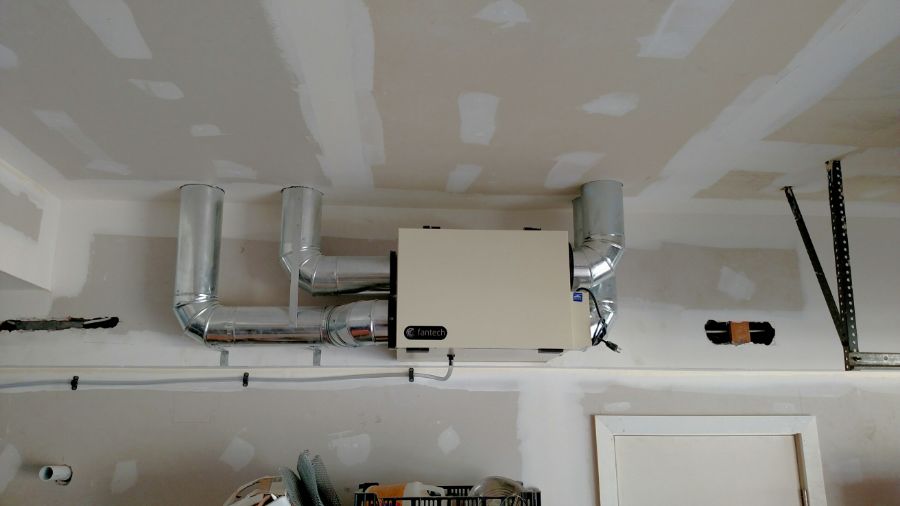
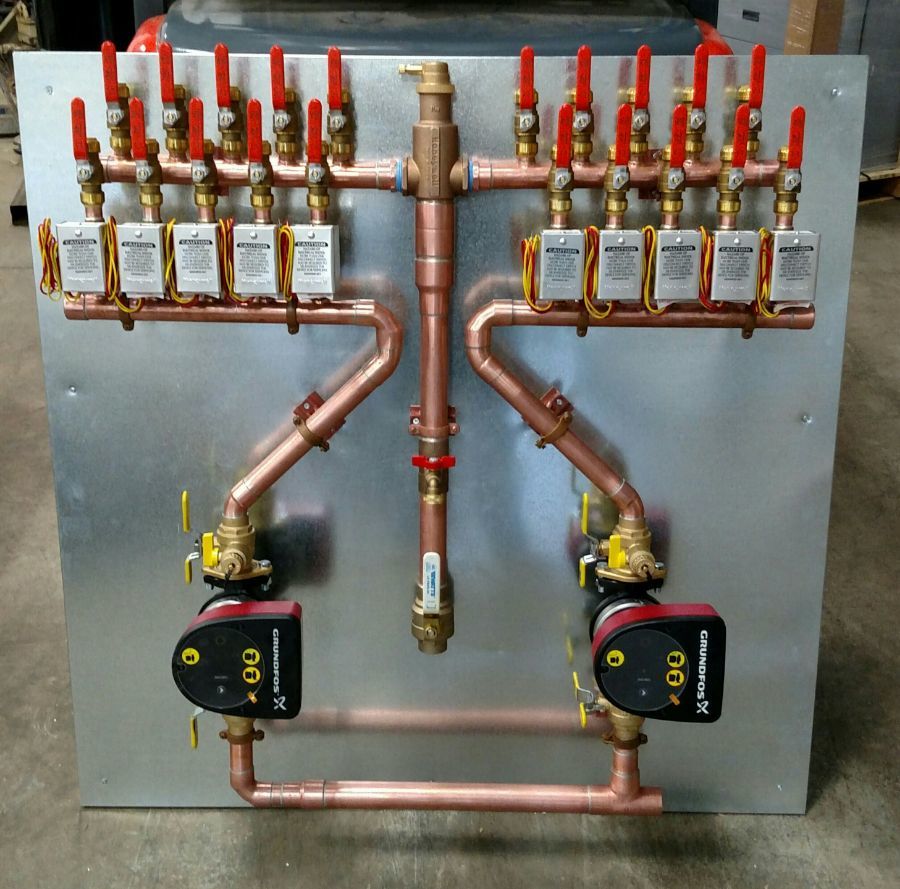
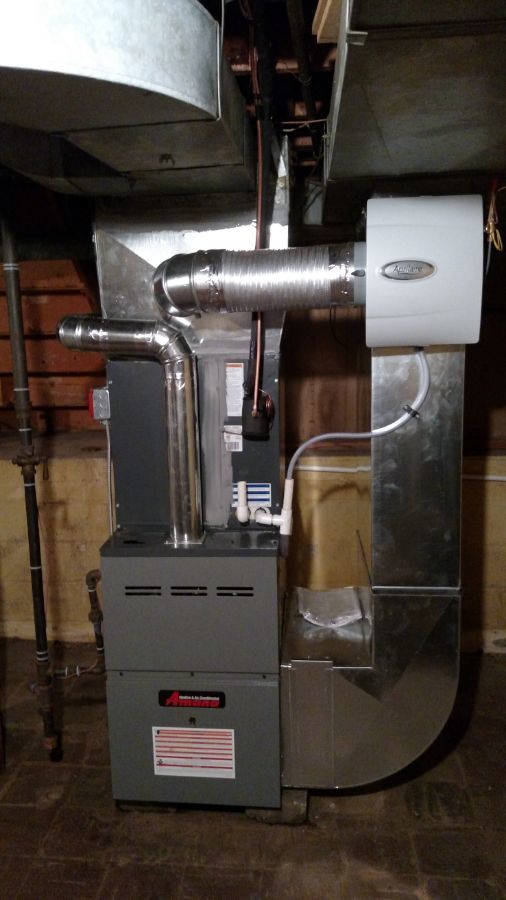
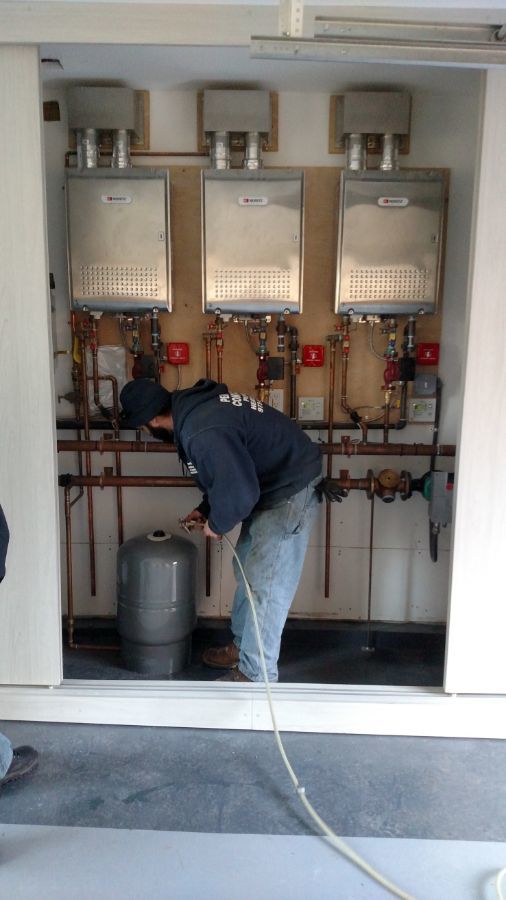
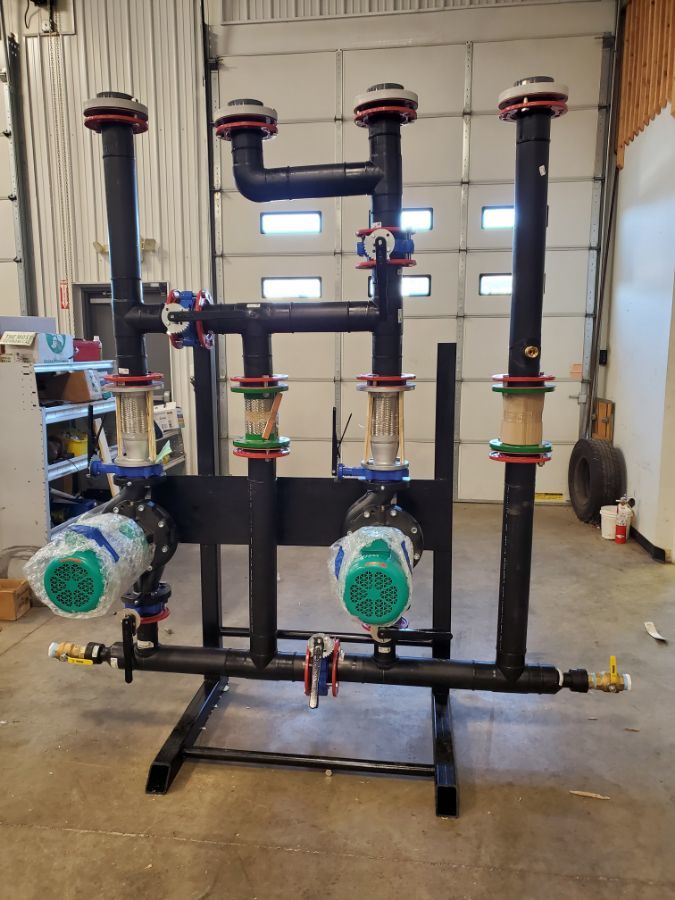
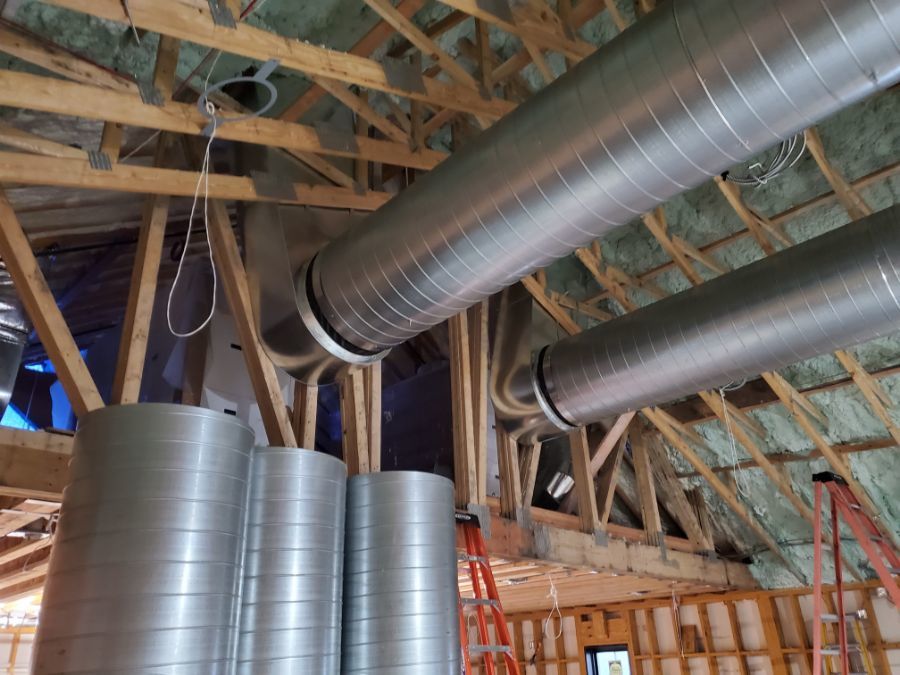
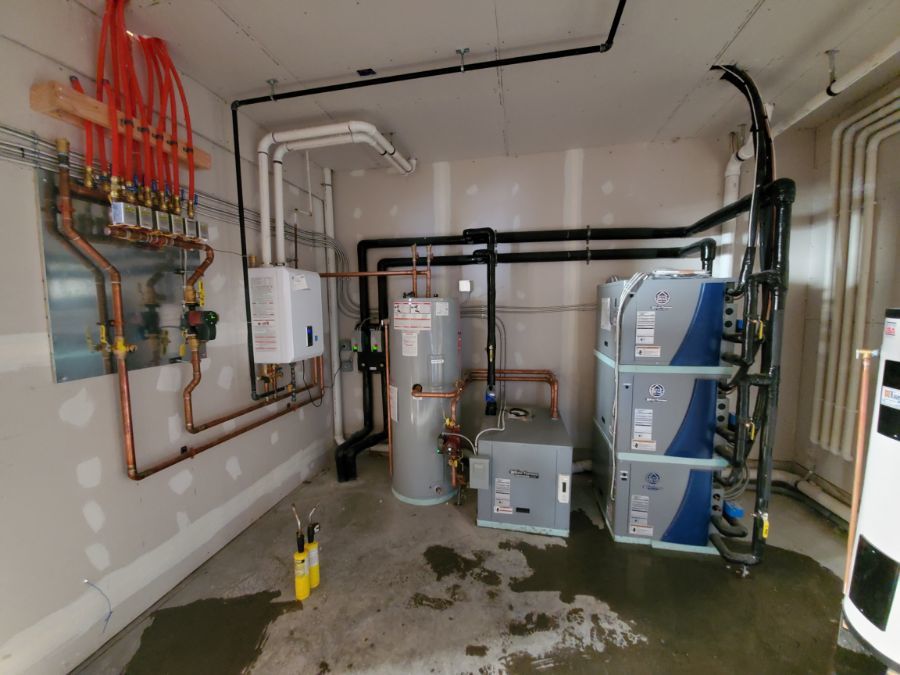
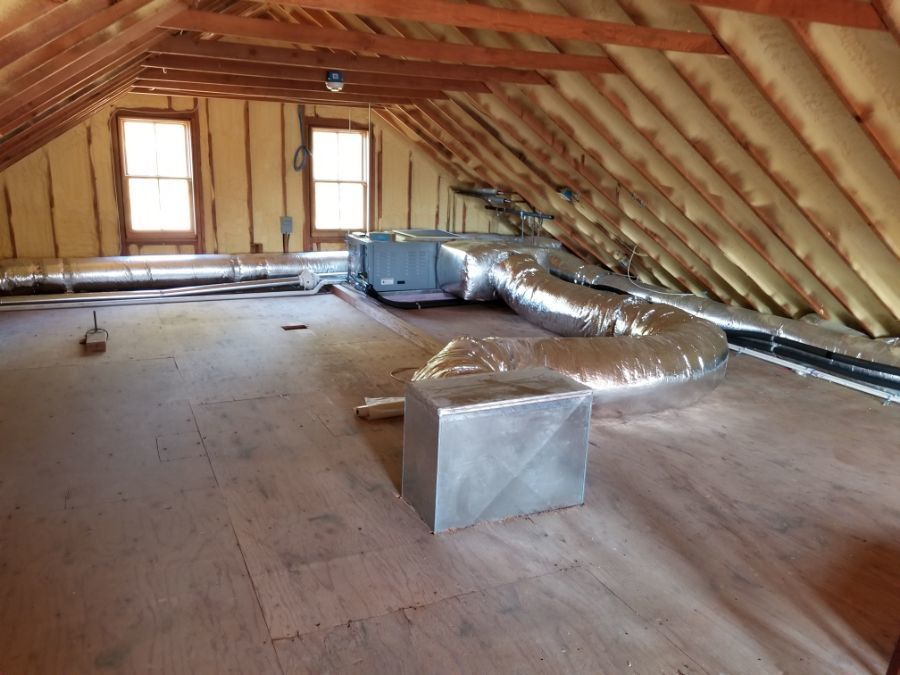
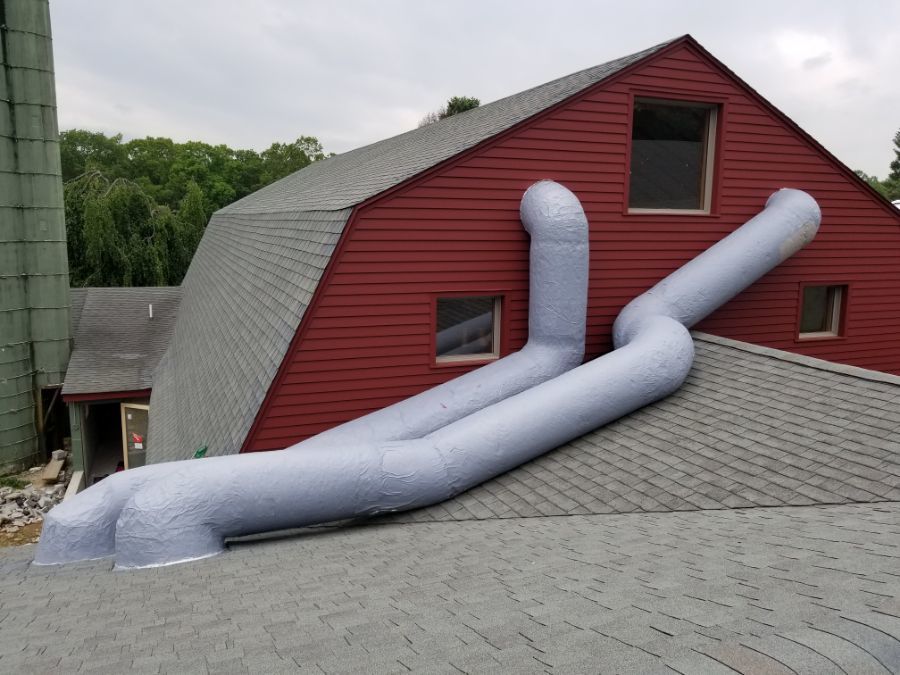
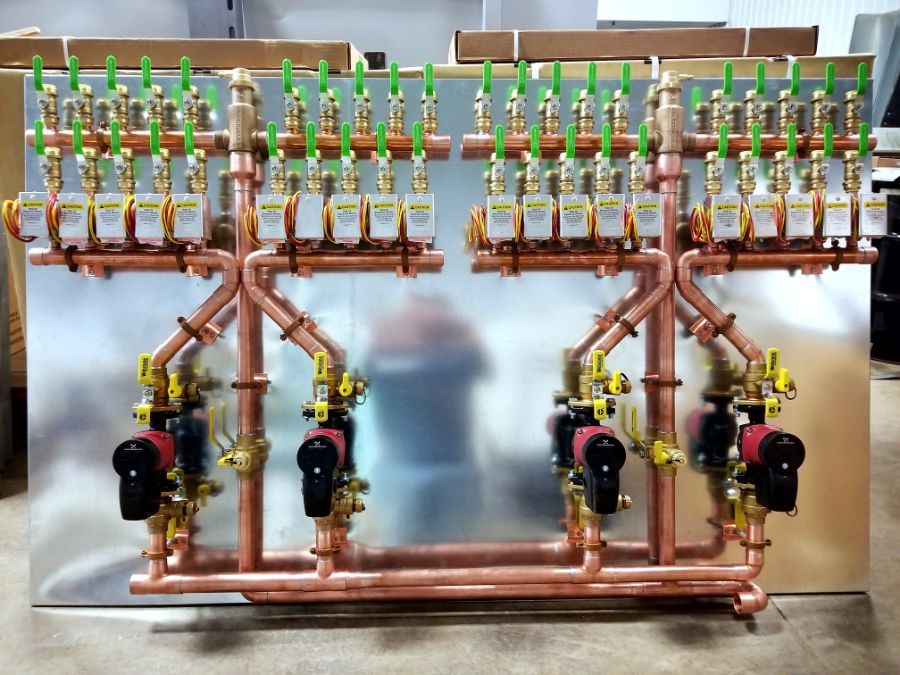
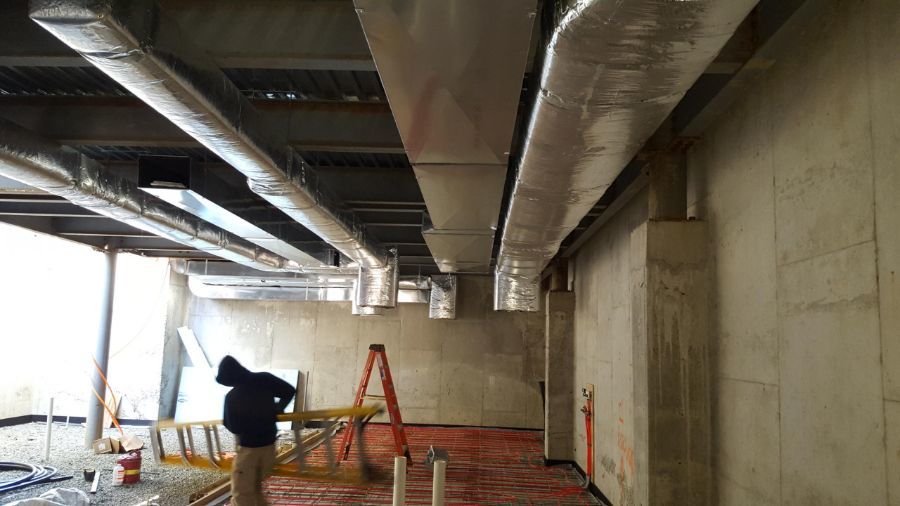
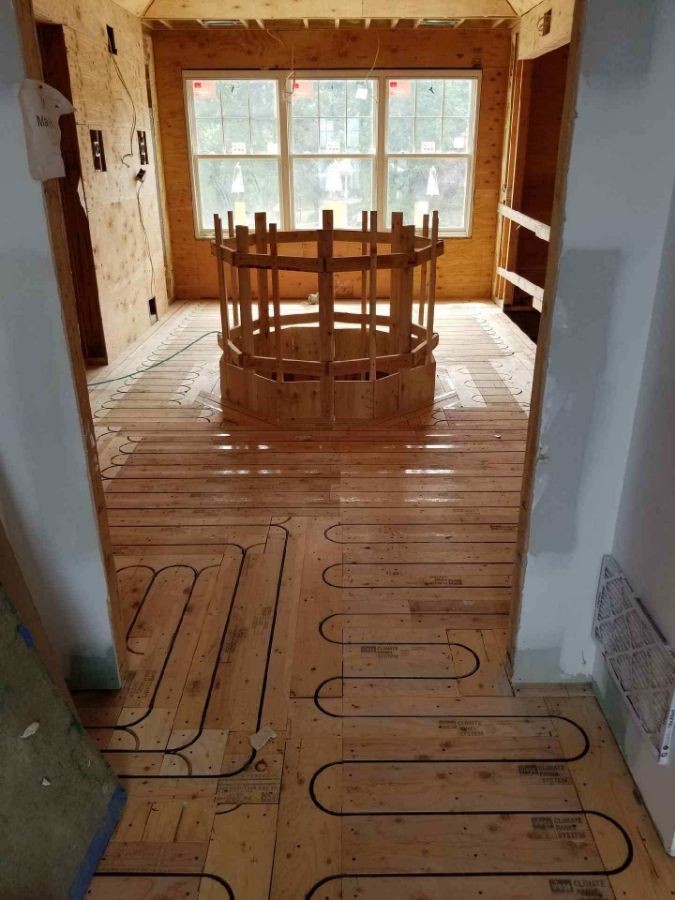
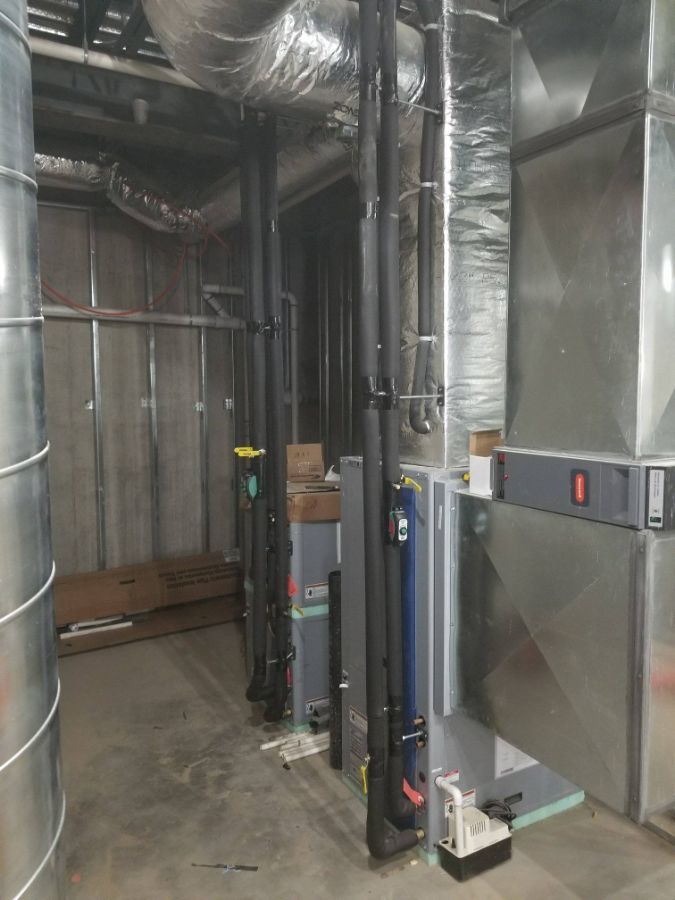
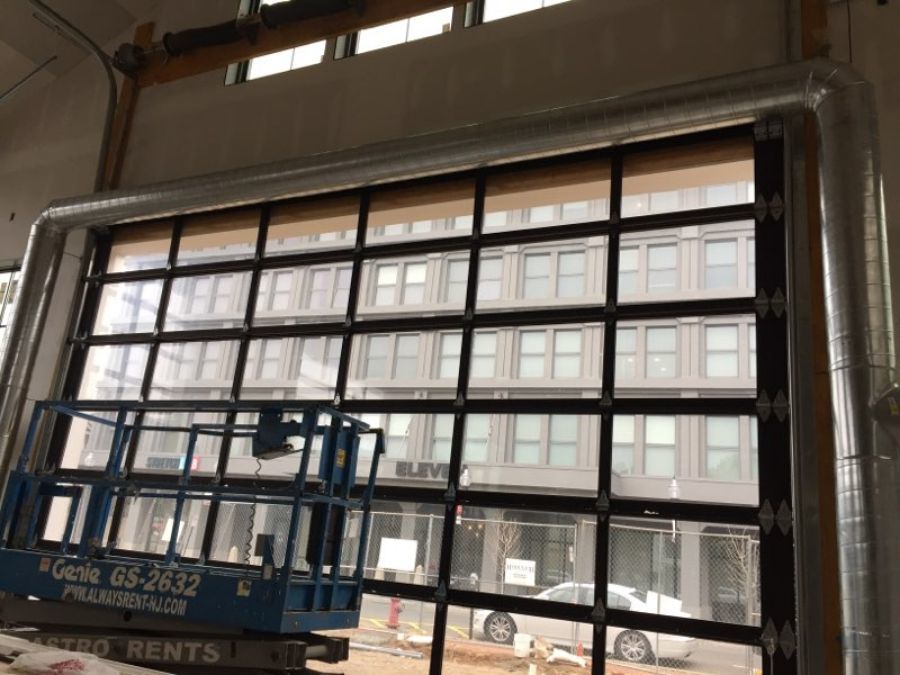
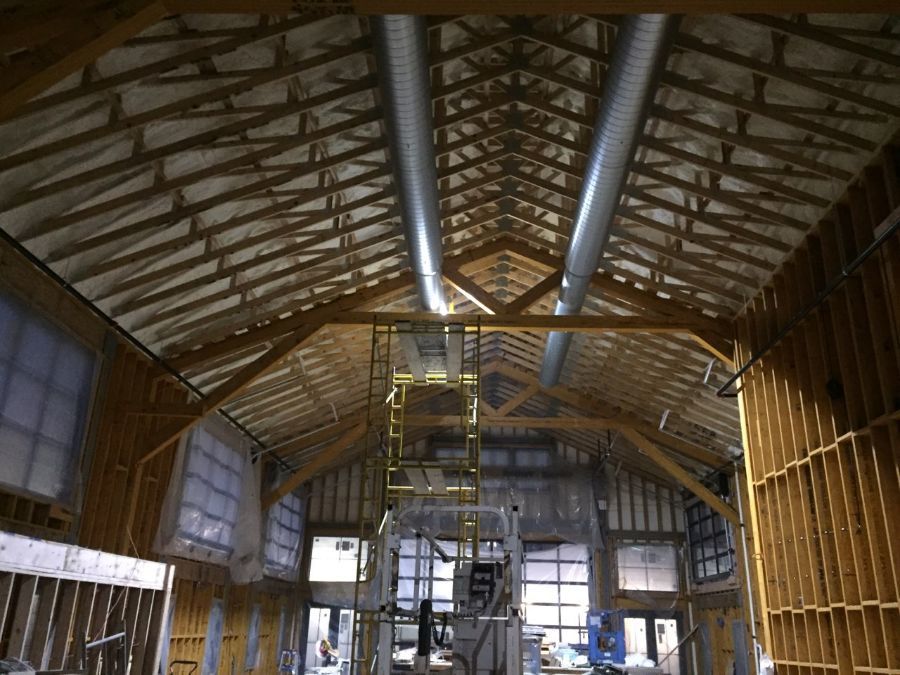
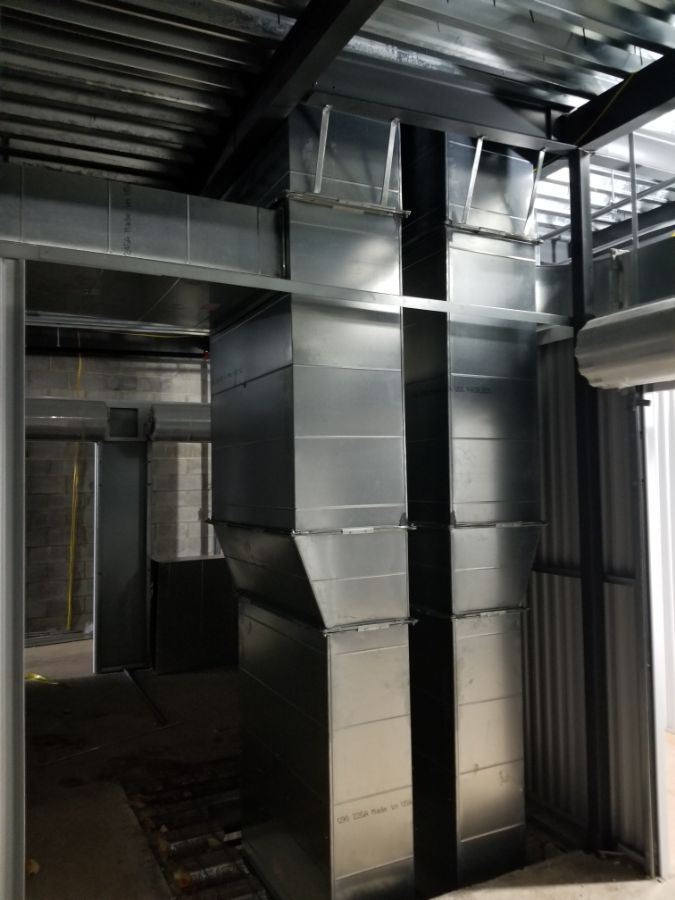
Examples of our previous HVAC projects include residential installations of energy-efficient heating and cooling systems, as well as commercial HVAC upgrades that enhance air quality and efficiency. You can view our project gallery for detailed visuals.
What maintenance tips improve HVAC efficiency?
Maintenance tips that improve HVAC efficiency include regularly changing air filters, scheduling annual professional inspections, cleaning the outdoor unit, and ensuring proper insulation and sealing of ducts to minimize energy loss.
How can I detect HVAC system issues?
Detecting HVAC system issues involves monitoring for unusual noises, inconsistent temperatures, increased energy bills, and frequent cycling on and off. Regular maintenance and inspections can also help identify potential problems early.
What are common HVAC repair costs?
Common HVAC repair costs typically range from $150 to $500, depending on the issue, with more complex repairs potentially exceeding $1,000. Factors influencing costs include the type of system, labor, and parts required.
How to choose the right HVAC system?
Choosing the right HVAC system involves assessing your space's size, energy efficiency ratings, and specific heating and cooling needs. Consulting with a professional can help ensure you select the best system for your home or business.
What are the benefits of regular HVAC servicing?
The benefits of regular HVAC servicing include improved efficiency, extended system lifespan, and reduced energy costs. Routine maintenance also helps prevent costly repairs and ensures optimal indoor air quality for a comfortable living environment.
How can I extend my HVAC systems lifespan?
Extending your HVAC system's lifespan involves regular maintenance, such as changing filters, scheduling annual professional inspections, and keeping the outdoor unit clear of debris. These practices enhance efficiency and prevent costly repairs.
What should I look for in HVAC installation?
When considering HVAC installation, look for a qualified contractor, proper system sizing, energy efficiency ratings, and comprehensive warranties to ensure optimal performance and reliability for your home or business.
How do I know if my HVAC is efficient?
The efficiency of your HVAC system can be determined by checking its energy consumption, maintenance history, and performance indicators such as temperature consistency and airflow. Regular professional inspections can also help assess its efficiency.
What are the signs of a failing air conditioner?
The signs of a failing air conditioner include inadequate cooling, unusual noises, frequent cycling on and off, and an increase in energy bills. If you notice any of these issues, it's essential to seek professional assistance.
How often should I replace my air filters?
Replacing your air filters regularly is essential for optimal HVAC performance. You should typically replace them every 1 to 3 months, depending on usage and filter type, to ensure efficient airflow and indoor air quality.
What is the average lifespan of HVAC systems?
The average lifespan of HVAC systems is typically between 15 to 25 years, depending on the type, maintenance, and usage. Regular maintenance can help extend the life of your system.
How can I improve indoor air quality?
Improving indoor air quality involves several key strategies: regularly changing air filters, ensuring proper ventilation, using air purifiers, maintaining humidity levels, and minimizing the use of chemical cleaners. These steps can significantly enhance the air you breathe indoors.
What are the best HVAC brands available?
The best HVAC brands available include Trane, Carrier, Lennox, Goodman, and Rheem. These brands are renowned for their reliability, efficiency, and innovative technology, making them top choices for both residential and commercial HVAC systems.
How do I troubleshoot HVAC system problems?
Troubleshooting HVAC system problems involves checking the thermostat settings, ensuring the power supply is on, inspecting filters for clogs, and examining ductwork for leaks. If issues persist, consult a professional for a thorough diagnosis.
What energy-saving tips can I implement?
Energy-saving tips you can implement include regularly maintaining your HVAC system, using programmable thermostats, sealing leaks in your home, and utilizing energy-efficient appliances to reduce overall energy consumption.
How does duct cleaning affect HVAC performance?
Duct cleaning significantly enhances HVAC performance by removing dust, debris, and allergens that can obstruct airflow. This leads to improved efficiency, better air quality, and reduced energy costs, ultimately ensuring your system operates optimally.
What are the advantages of programmable thermostats?
The advantages of programmable thermostats include increased energy efficiency, cost savings on utility bills, and enhanced comfort through customizable temperature settings. They allow users to automate heating and cooling schedules, ensuring optimal climate control when needed.
How can I reduce HVAC energy consumption?
Reducing HVAC energy consumption involves regular maintenance, using programmable thermostats, sealing ductwork, and ensuring proper insulation. These steps enhance efficiency and lower energy bills while maintaining comfort in your home or business.
What should I do during HVAC emergencies?
During HVAC emergencies, you should immediately turn off the system to prevent further damage, check for any obvious issues, and contact a qualified HVAC technician for prompt assistance. Prioritize safety and avoid attempting repairs yourself.
How to prepare HVAC for seasonal changes?
Preparing your HVAC for seasonal changes involves scheduling a professional inspection, replacing air filters, and ensuring proper insulation. Additionally, check the thermostat settings and clean the outdoor unit to enhance efficiency and performance.
What are the latest HVAC technology trends?
The latest HVAC technology trends include smart thermostats, energy-efficient systems, and advanced air filtration solutions. These innovations enhance comfort, reduce energy consumption, and improve indoor air quality for both residential and commercial spaces.
How can I improve airflow in my home?
Improving airflow in your home involves several key steps. Ensure that air vents are unobstructed, regularly clean or replace air filters, and consider using fans to enhance circulation. Additionally, sealing any leaks in ducts can significantly boost airflow efficiency.
What are the benefits of zoning systems?
The benefits of zoning systems include enhanced comfort, energy efficiency, and cost savings. By allowing individualized temperature control in different areas, zoning systems optimize heating and cooling, reducing energy waste and ensuring a more consistent environment throughout your space.
How do I select an HVAC contractor?
Selecting an HVAC contractor involves evaluating their experience, licenses, and customer reviews. Ensure they provide detailed estimates, warranty options, and quality service to guarantee a reliable and efficient installation or repair.
What certifications should HVAC technicians have?
HVAC technicians should have certifications such as EPA Section 608 for refrigerant handling, NATE certification for technical expertise, and state-specific licenses to ensure compliance with local regulations and standards.