
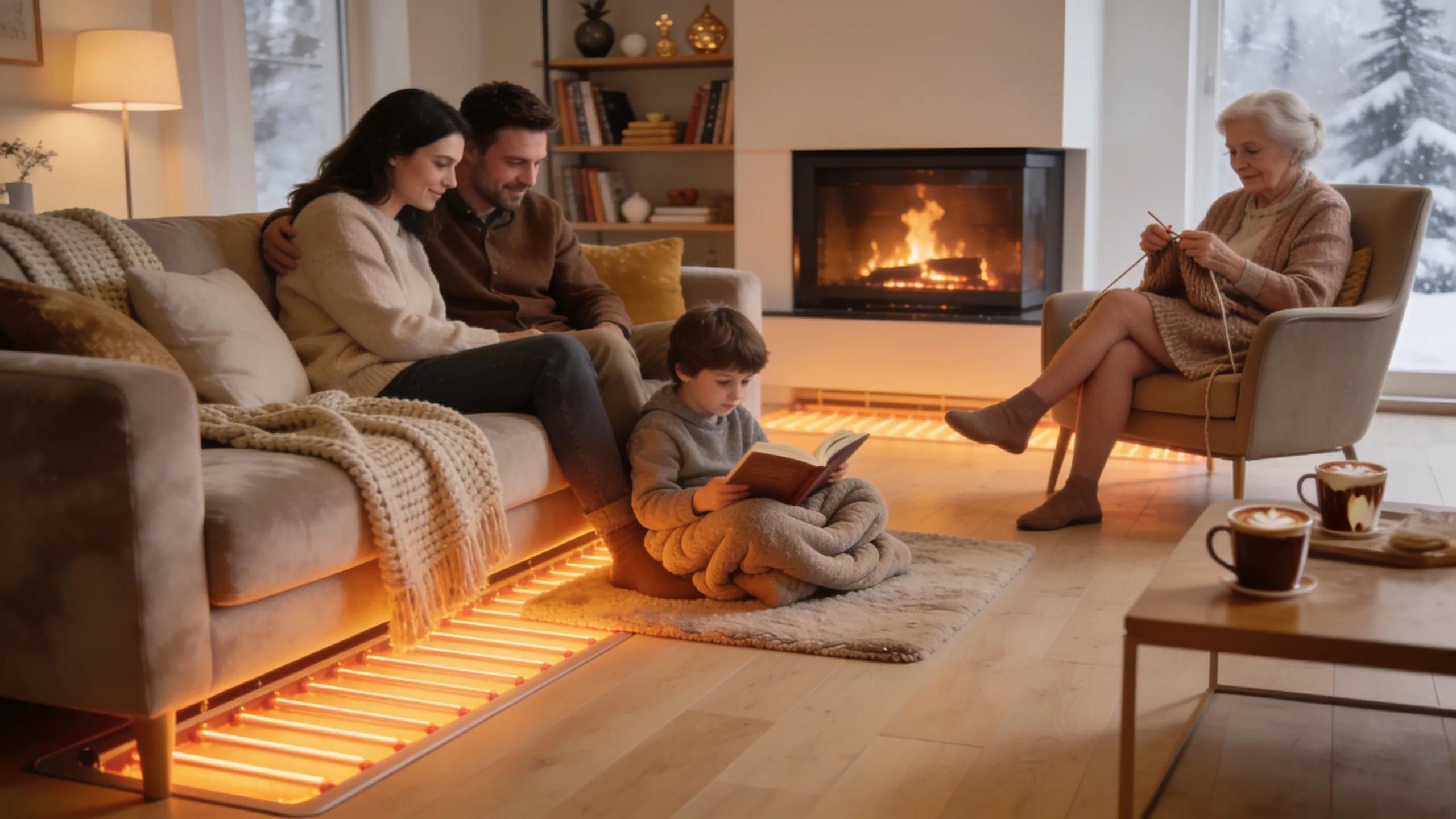
Is Radiant Floor Heating Worth It in a NJ Home? Clear Answers for Homeowners
New Jersey winters are cold, and many homeowners want a reliable way to stay comfortable. Radiant floor heating delivers steady warmth across a room instead of hot spots. This article breaks down the benefits, costs, installation needs, and long-term value. You’ll read about the main system types, how they stack up, and what affects installation costs. After this, you should know whether radiant floor heating fits your home and budget.
- Radiant floor heating provides even heat distribution, eliminating cold spots in New Jersey homes.
- These systems operate at lower temperatures, reducing energy consumption and lowering utility bills.
- Hydronic and electric radiant heating are the main types, each suited for different home sizes and needs.
- Installation costs vary from $6 to $20 per square foot depending on system type and complexity.
- Proper installation by qualified professionals ensures optimal system performance and longevity.
- Regular maintenance, including inspections and thermostat monitoring, is essential for lasting radiant heating efficiency.
- Radiant floor heating can integrate with existing HVAC systems to improve overall home comfort and energy use.
- Good insulation is critical to maximize radiant heating efficiency and reduce energy waste.
- Hydronic systems are generally more energy-efficient for larger spaces, while electric systems suit smaller areas better.
Advantages
Radiant floor heating brings steady warmth, lower operating temps, and less dust movement. That means more comfort and cleaner air in many homes.
- Even Heat Distribution: Unlike traditional heating systems that rely on forced air, radiant heating warms the floor and radiates heat evenly throughout the room, eliminating cold spots.
- Energy Efficiency: Radiant systems operate at lower temperatures, which can lead to reduced energy consumption and lower utility bills.
- Improved Air Quality: By minimizing the circulation of dust and allergens, radiant heating contributes to a healthier indoor environment.
- Aesthetic Appeal: With no visible radiators or vents, radiant floor heating allows for more design flexibility and unobstructed living spaces.
From our experience, these benefits explain why homeowners consider radiant floor heating for long-term comfort rather than a quick fix.
Benefits of Radiant Floor Heating: Installation, Maintenance & Cost
Among panel heating systems (PHS), floor heating (FH) is mostly preferred due to its easy installation and maintenance, long service life, simple ambient temperature control and currently low price of electricity if electrical radiant heating panels are used. Impact of heat source at radiant electric heating panel, D Cvetković, 2021
Cost-Effectiveness
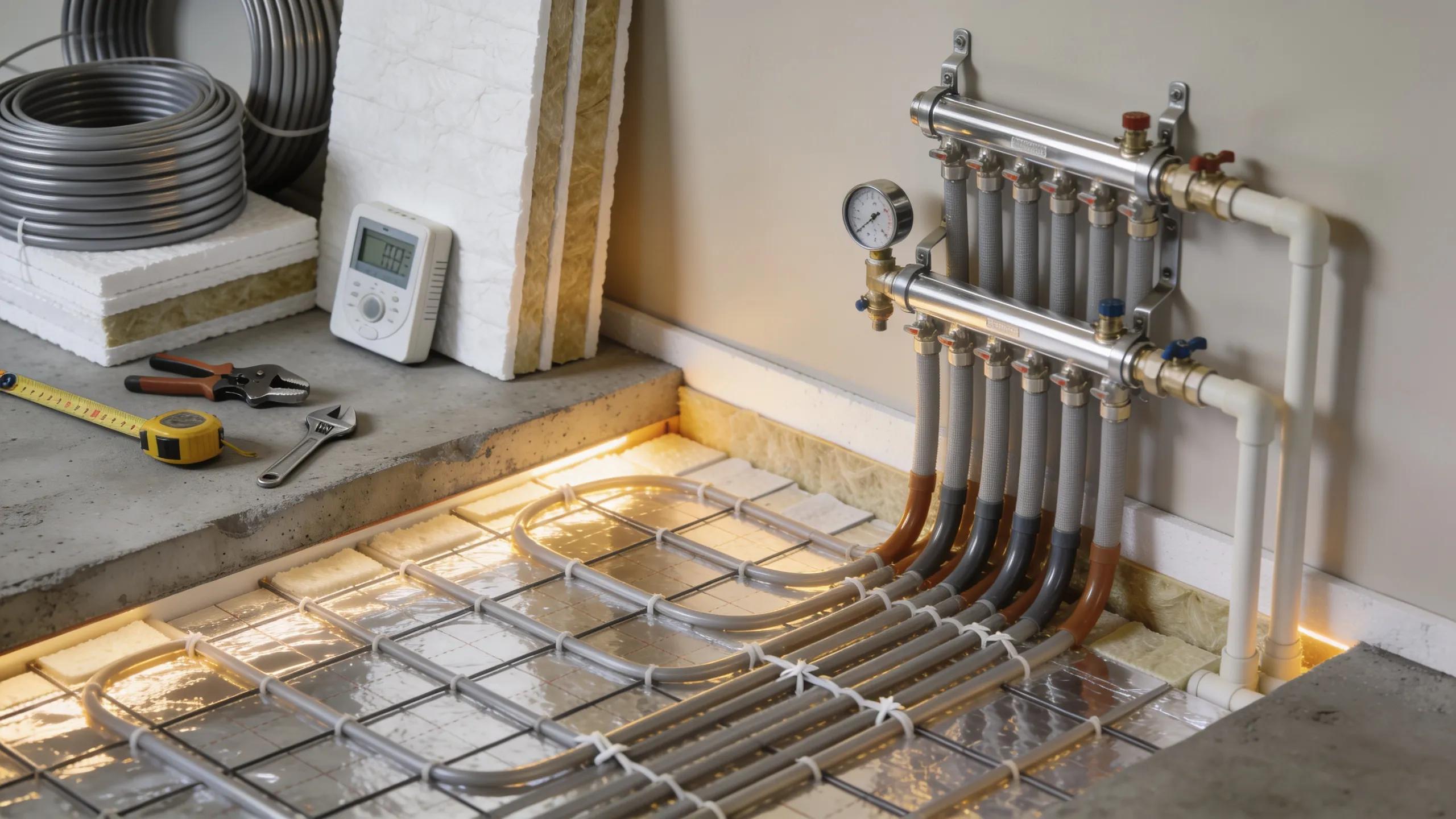
Costs matter. Radiant systems cost more up front than some heaters, but they can cut bills over time because they run at lower temperatures.
- Installation Costs: The cost to install radiant floor heating in New Jersey typically ranges from $6 to $20 per square foot, depending on the system type and installation complexity.
- Long-Term Savings: While the initial investment may be higher than traditional heating systems, the energy efficiency of radiant heating can lead to significant savings on energy bills over time.
- Factors Affecting Costs: Key factors influencing installation costs include the size of the area being heated, the type of heating system chosen (hydronic or electric), and the complexity of the installation process.
Think of the price as an investment. Smaller installs cost less now, and larger, well-designed systems often save more on bills later.
Radiant Heating Systems: Thermal Comfort & Lower Operating Costs
The reason radiant heating systems are highly preferred in recently designed or a energy efficient buildings is that they provide thermal comfort conditions with lower operating costs compared to other HVAC systems.
Experimental investigation of heat transfer coefficients between hydronic radiant heated wall and room, A Koca, 2014
Installation Considerations
Good planning makes the install run smoothly. We check layout, floor type, and how the system ties into your existing heat setup before we start.
- Assessment of Space: Evaluating the layout and size of the area is essential to determine the most effective heating solution.
- Types of Systems: Homeowners can choose between hydronic systems, which use water to transfer heat, and electric systems, which utilize heating cables. Each has its own installation requirements and benefits.
- Professional Installation Importance: Engaging a qualified HVAC contractor is crucial for ensuring proper installation and maximizing system efficiency. Perfection Contracting, Inc. specializes in radiant heating installations and can provide expert guidance throughout the process.
From our experience, hiring a qualified installer avoids common mistakes and helps the system run efficiently for years.
Homeowner Testimonials
Homeowners who installed radiant floor heating often praise the steady warmth and lower running costs. They also appreciate professional installs from Perfection Contracting, Inc., which many say made the process straightforward and reliable.
What Are the Main Types of Radiant Floor Heating for NJ Homes?
In New Jersey, two common choices are hydronic systems and electric systems. Each works well in different situations.
- Hydronic Radiant Heating: This system circulates warm water through pipes installed beneath the floor. It is often preferred for larger areas due to its efficiency and ability to maintain consistent temperatures.
- Electric Radiant Heating: This system uses electric heating cables or mats installed under the flooring. It is typically easier to install and can be more cost-effective for smaller spaces.
Match the system to your home size and how you plan to heat rooms. That choice affects cost and performance.
How Do Hydronic and Electric Systems Differ in Installation and Use?
Hydronic systems need more plumbing and a boiler, so installation takes longer. Electric systems are simpler and fit well under new or existing floors in small areas.
- Installation Complexity: Hydronic systems generally require more extensive installation, including plumbing and a boiler, while electric systems are simpler and can often be installed directly under flooring materials.
- Energy Efficiency: Hydronic systems tend to be more energy-efficient for larger spaces, while electric systems may be more suitable for smaller areas or specific rooms.
- Use Cases: Hydronic systems are ideal for whole-home heating, whereas electric systems are often used for supplemental heating in bathrooms or kitchens.
Choose hydronic for whole-home installs and electric for smaller or single-room projects.
Which Radiant Heating Type Fits NJ Climate and Home Needs Best?
For colder winters, hydronic systems usually hold heat better and use less energy. Electric works well for small areas or where plumbing is hard to add.
- Energy Efficiency in Cold Climates: Hydronic systems are generally more efficient in colder climates, as they can maintain warmth with less energy consumption.
- Comfort Levels: Homeowners often prefer the consistent warmth provided by hydronic systems, especially in larger spaces.
- Installation Considerations: The choice between systems may also depend on the existing infrastructure of the home and the desired heating zones.
Look at your home layout, budget, and how much of the house you want to heat before you pick a system.
How Much Does Radiant Floor Heating Cost to Install in New Jersey?
Prices vary. Expect $6 to $20 per square foot depending on the system and how complex the install is.
- Cost Ranges: Installation costs typically range from $6 to $20 per square foot, influenced by the type of system and the complexity of the installation.
- Factors Influencing Costs: Key factors include the size of the area, the type of heating system selected, and any necessary modifications to the existing structure.
Get quotes that list materials and labour so you can compare real costs for your project.
What Factors Influence Installation Costs in NJ Homes?
Size, system type, and how much work the install needs are the main cost drivers. Older homes often need more prep work.
- Size of Area: Larger spaces will naturally incur higher costs due to the increased amount of materials and labor required.
- Type of Heating System: Hydronic systems typically have higher installation costs compared to electric systems due to their complexity.
- Installation Complexity: Homes requiring extensive modifications or additional infrastructure will see increased costs.
Plan for possible surprises in older homes, and factor those into your budget.
What Are the Long-Term Benefits of Radiant Floor Heating in NJ?
Radiant heating can lower bills, improve comfort, and add appeal to your home. Over time, those gains often offset the higher initial cost.
- Cost Savings: Over time, the energy efficiency of radiant heating can lead to significant reductions in heating bills.
- Energy Efficiency: Radiant systems operate effectively at lower temperatures, contributing to overall energy savings.
- Impact on Home Value: Homes equipped with radiant heating may see an in crease in property value due to the appeal of modern heating solutions.
Think long term: less drafty rooms, lower running costs, and a feature buyers may like if you sell later.
How Does Radiant Heating Improve Home Comfort and Energy Savings?
Radiant heat gives steady warmth from the floor up. That removes cold spots and reduces the need for high thermostat settings.
- Consistent Warmth: By providing even heat distribution, radiant systems eliminate cold spots and create a more comfortable living environment.
- Energy Savings: Operating at lower temperatures allows radiant heating to reduce energy consumption, leading to lower utility bills.
- User Testimonials: Many homeowners report increased satisfaction with their heating systems, citing improved comfort levels and reduced energy costs.
In short, you get more even heat and often pay less to run the system.
Radiant Floor Systems: Energy Consumption Reduction Potential
Ultimately, radiant floor systems demonstrate the potential to reduce energy consumption by up to 8% and 4% in a comparison with commercial heating and cooling systems, respectively.
A review of radiant heating and cooling systems incorporating phase change materials, FL Rashid, 2024
Can Radiant Floor Heating Reduce NJ Homeowners’ Energy Bills?
Yes. Radiant systems run at lower temperatures and can cut energy use, which often shows up as lower heating bills over time.
- Efficiency at Lower Temperatures: Radiant systems operate efficiently at lower temperatures, which can lead to reduced energy consumption.
- Long-Term Savings: Homeowners often experience significant savings on their heating bills over time, making radiant heating a cost-effective solution.
- Comparison with Traditional Heating: Compared to traditional heating methods, radiant systems can provide better energy efficiency and comfort.
Expect gradual savings rather than instant payback. The bigger the heated area, the more noticeable the savings can be.
What Maintenance Does Radiant Floor Heating Require for Lasting Performance?
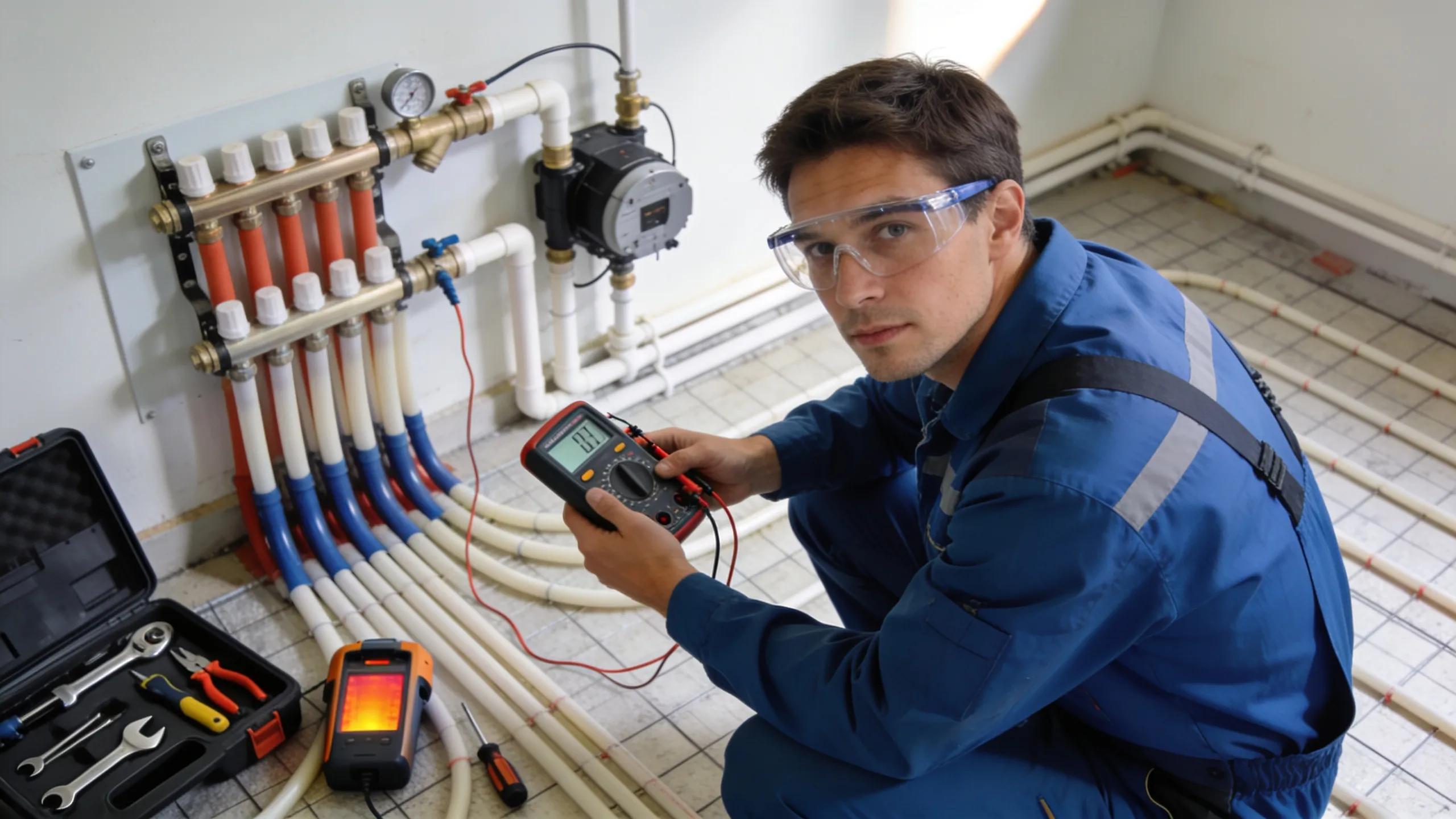
Routine care keeps the system working well. Simple checks catch small issues before they grow.
- Routine Inspections: Regular checks can help identify any issues before they become significant problems.
- Thermostat Monitoring: Keeping an eye on thermostat settings ensures optimal performance and energy efficiency.
- Cleaning and Upkeep: Maintaining the cleanliness of the system and surrounding areas is essential for efficient operation.
Follow a yearly inspection and watch your thermostat for odd behaviour. That approach extends system life and avoids surprise repairs.
How Often Should NJ Homeowners Service Their Radiant Heating Systems?
Service your system at least once a year. Regular checks keep performance steady and spot small problems fast.
- Regular Inspections: It is advisable to have systems inspected at least once a year to ensure they are functioning correctly.
- Thermostat Functionality: Checking thermostat settings and functionality is crucial for maintaining energy efficiency.
- Hydronic System Checks: For hydronic systems, periodic checks of the boiler and water levels are necessary to ensure proper operation.
For hydronic setups, add boiler and pressure checks to your annual service list.
What Common Maintenance Mistakes Should Be Avoided?
Skipping inspections, ignoring thermostat issues, and not keeping floors clean are the biggest mistakes homeowners make.
- Neglecting Regular Maintenance: Failing to schedule routine inspections can lead to larger issues down the line.
- Ignoring Thermostat Settings: Not monitoring thermostat settings can result in inefficient operation and increased energy costs.
- Overlooking Flooring Cleanliness: Keeping the flooring clean is essential for optimal heat transfer and system efficiency.
Avoid these habits and your system will stay more reliable with lower repair costs.
How Does Radiant Floor Heating Integrate with Existing HVAC Systems in NJ Homes?
Radiant floor heating often works with your current HVAC. It can handle main heating or support specific zones while your HVAC covers the rest.
- Compatibility with Existing Systems: Many radiant heating systems can work alongside traditional HVAC units, providing enhanced comfort and efficiency.
- Installation Considerations: Homeowners should consult with professionals to determine the best integration approach for their specific systems.
- Efficiency Impacts: Combining radiant heating with existing systems can lead to improved overall energy efficiency and comfort levels.
Talk with a contractor to map how both systems will work together before you commit.
Can Radiant Heating Work Alongside Traditional HVAC Units?
Yes. You can use radiant as a main source or as extra heat in cold rooms while your HVAC handles airflow and cooling.
- Integration Possibilities: Homeowners can use radiant heating as a primary or supplemental heating source, depending on their needs.
- Benefits of Combined Systems: The combination of radiant heating and traditional HVAC can provide more consistent temperatures and improved energy efficiency.
- User Experiences: Many homeowners report satisfaction with the comfort levels achieved through this integrated approach.
That pairing often gives steadier temperatures and better comfort across the house.
What Are the Benefits of Combining Radiant Heating with Ductless HVAC Options?
Pairing radiant with ductless units gives targeted heat and good control for individual rooms. It can cut running costs when used sensibly.
- Enhanced Comfort: The combination allows for targeted heating in specific areas, improving overall comfort.
- Energy Efficiency: Ductless systems can operate efficiently alongside radiant heating, leading to reduced energy consumption.
- Cost Savings: Homeowners may experience lower energy bills due to the efficient operation of both systems.
Use radiant for general warmth and ductless units where you need quick, zoned control.
What Are Common Mistakes and Tradeoffs NJ Homeowners Should Know About?
Common issues include poor installation, skipped maintenance, and underestimating costs. Each can reduce system value over time.
- Installation Errors: Improper installation can lead to inefficiencies and increased costs.
- Maintenance Oversights: Neglecting regular maintenance can result in decreased system performance.
- Cost Considerations: Homeowners should weigh the initial investment against long-term savings to make informed decisions.
Know the trade-offs up front and plan for quality installation and yearly care to get the most from your system.
Why Is Proper Insulation Critical for Radiant Floor Heating Efficiency?
Insulation keeps heat where you want it. Without good insulation, the system works harder and costs more to run.
- Impact on Efficiency: Insulation helps retain heat within the home, reducing energy consumption and costs.
- Types of Insulation: Homeowners should consider various insulation options to ensure optimal performance.
- Installation Considerations: Proper insulation installation is crucial for achieving the best results from radiant heating systems.
Check your insulation before installing radiant floors. It pays back in lower bills and better comfort.
What Are the Pros and Cons of Electric vs Hydronic Systems in NJ?
Electric systems cost less to install and suit small areas. Hydronic costs more up front but usually saves more over time for larger spaces.
- Cost Differences: Electric systems typically have lower installation costs, while hydronic systems may offer better long-term savings.
- Efficiency Comparisons: Hydronic systems are generally more energy-efficient for larger spaces, while electric systems can be more suitable for smaller areas.
- Installation Considerations: The complexity of installation varies between the two systems, impacting overall costs and feasibility.
Pick electric for small jobs and hydronic for whole-house installs when your budget and layout allow.
Frequently Asked Questions
1. How does radiant floor heating impact allergies and asthma?
Radiant heating cuts airborne dust because it doesn’t blow air around. That often helps people with allergies or asthma breathe easier at home.
2. What is the lifespan of radiant floor heating systems?
Hydronic systems can last 30 years or more with proper care. Electric systems commonly exceed 20 years. Regular checks help them reach those lifespans.
3. Can radiant floor heating be installed in existing homes?
Yes. Electric mats are easier to add under flooring. Hydronic retrofits usually need more work for pipes and boiler hookups. A pro can show which approach fits your home.
4. What flooring types work best with radiant floor heating?
Tile, stone, and concrete move heat well and work best. Hardwood can work but needs care for spacing and thickness. Thick carpet can slow heat transfer.
5. How does radiant floor heating compare to other heating systems?
Radiant heating gives more even warmth and often lower running costs than forced air. It also reduces drafts and dust. The trade-off is a higher initial cost, so weigh short-term price against long-term savings.
6. Are there any energy incentives for installing radiant floor heating in NJ?
New Jersey offers rebates or incentives for energy-saving HVAC upgrades at times. Check local utility programs and state energy resources for current options and eligibility.
7. What are the installation timelines for radiant floor heating?
Electric systems can be installed in a few days. Hydronic installs can take a week or more because of plumbing and system setup. Removing old flooring or structural work adds time.
Conclusion
Owning a home with radiant floor heating in New Jersey adds steady comfort, cleaner air, and often lower energy use. Many homeowners find the long-term savings and comfort worth the initial cost. Learn how radiant floor heating can improve your home—explore our expert installation services today!
Related Services
Keep Reading
- Do You Have a Heat Pump or a Furnace?
- Is a Geothermal Heat Pump Worth the Upfront Cost?
- How Central Air Conditioning Works | Morris County, NJ
Browse all HVAC tips and guides.
Need a technician? Perfection Contracting serves homeowners across Sussex County, NJ and the surrounding North Jersey service area.