
Is Geothermal HVAC Right for Your NJ Home? Understanding Benefits, Costs, and Long-Term Value
Geothermal HVAC is gaining ground with New Jersey homeowners who want lower bills and less environmental impact. The system uses the earth’s steady temperature to heat and cool your home. That steady source cuts energy use and can lower costs over time. From our experience, we’ll walk you through benefits, costs, and long-term value so you can decide if it fits your home. We also cover installation steps, rebates, and basic maintenance to help the system run well for years.
- Geothermal HVAC systems use the earth’s stable temperature to provide sustainable heating and cooling for New Jersey homes.
- These systems offer up to 400% energy efficiency, significantly reducing energy consumption and utility bills.
- Installation costs range from $20,000 to $30,000, with potential savings offsetting expenses within 5 to 10 years.
- New Jersey homeowners can benefit from state rebates and federal tax credits to lower geothermal system installation costs.
- Proper maintenance, including regular filter changes and annual professional inspections, extends system lifespan and saves money.
- Geothermal HVAC increases property value by 3% to 5%, attracting buyers interested in eco-friendly and cost-effective homes.
- The installation process involves site evaluation, system design, ground loop placement, and thorough testing for optimal operation.
- Geothermal systems reduce greenhouse gas emissions compared to traditional fossil fuel-based heating and cooling methods.
- Homes with sufficient land and long-term occupancy plans are ideal candidates for geothermal HVAC installation in New Jersey.
Benefits of Geothermal HVAC
High energy bills and uneven comfort are common problems. Geothermal systems tackle both. They cut energy use and keep indoor temperatures steady. Many homeowners also value the lower emissions and long-term savings.
- Energy Efficiency: Geothermal systems can achieve efficiency ratings of up to 400%, meaning they produce four units of energy for every unit consumed. This high efficiency translates to lower energy bills and a reduced carbon footprint.
- Cost Savings: While the initial installation cost may be higher than traditional systems, geothermal HVAC can lead to substantial savings over time. Homeowners often see a return on investment within 5 to 10 years due to lower operating costs.
- Environmental Impact: By utilizing renewable energy from the earth, geothermal systems significantly reduce greenhouse gas emissions compared to fossil fuel-based systems. This makes them a more environmentally friendly choice for heating and cooling.
From our experience, Perfection Contracting Inc installs and services geothermal systems to keep them running as intended. We focus on proper setup and routine checks so you see the energy savings you expect.
Associated Costs

Cost is often the first concern for homeowners. Geothermal systems cost more up front but save on bills over time. Knowing the main cost areas helps you plan.
- Installation Costs: The average cost for installing a geothermal system in New Jersey ranges from $20,000 to $30,000, depending on the size of the home and the complexity of the installation.
- Maintenance Costs: Regular maintenance is essential for the longevity of geothermal systems. Homeowners can expect to spend around $150 to $300 annually on maintenance services.
- Potential Savings: Many homeowners report energy savings of 30% to 60% on their heating and cooling bills after switching to geothermal systems, which can offset the initial investment over time.
Perfection Contracting Inc offers financing to spread out the cost. That makes it easier to move forward without a large upfront payment.
Long-Term Value Considerations
Think of geothermal as a long-term upgrade, not a quick fix. It can lower bills, raise home value, and cut emissions. If you plan to stay in the house for years, the benefits add up.
- Return on Investment: Homeowners can expect a solid return on investment due to lower energy bills and increased property value. Studies show that homes with geothermal systems can sell for around 3% to 5% more than comparable homes without them.
- Home Value Increase: The installation of a geothermal system can make your home more attractive to potential buyers, especially those looking for energy-efficient and environmentally friendly options.
- Incentives Available: Various state and federal incentives can further reduce the cost of installation, making geothermal systems an even more appealing investment.
What Makes Geothermal HVAC a Smart Choice for NJ Homeowners?
New Jersey’s seasons mean both heating and cooling matter. Geothermal works well across those swings. It keeps energy costs steadier and lowers your home’s carbon footprint.
- Cost Savings: With fluctuating energy prices, geothermal systems provide a stable and predictable energy cost, protecting homeowners from rising utility rates.
- Energy Efficiency: The efficiency of geothermal systems is especially advantageous in New Jersey’s climate, where heating and cooling demands are significant.
- Environmental Impact: As more homeowners seek sustainable living solutions, geothermal HVAC systems align with these values by reducing reliance on fossil fuels.
How Do Geothermal Heat Pumps Provide Reliable Heating and Cooling?
Geothermal pumps move heat between your home and the ground. In winter they pull heat up into the house. In summer they move heat out. The ground stays near the same temperature year-round, so the system works with less effort.
What Long-Term Comfort and Energy Savings Can You Expect?
You can expect steady indoor temperatures and lower bills. Fewer temperature swings mean more comfort. Over time, energy savings help pay back the initial cost.
How Does Geothermal HVAC Installation Work in New Jersey Homes?
Installation follows clear steps so the system works as designed. A good plan up front cuts surprises later. Expect site checks, design choices, and careful loop placement.
- Site Evaluation: A thorough assessment of the property is conducted to determine the best system design and installation method.
- System Selection: Homeowners can choose between closed-loop and open-loop systems, depending on their specific needs and site conditions.
- Installation Day: The installation typically takes 1 to 2 weeks, depending on the complexity of the system and the size of the property.
What Is the Typical Installation Process for Residential Geothermal Systems?
The process is straightforward. First, a pro evaluates your home’s needs. Then they design a system that fits the space. Next, the ground loop is placed, the heat pump is set up inside, and the whole system is tested.
- Home Evaluation: A professional evaluates the home’s heating and cooling needs.
- System Design: A customized system design is created based on the evaluation.
- Ground Loop Installation: The ground loop is installed, which can be horizontal or vertical depending on space availability.
- Heat Pump Installation: The geothermal heat pump is installed inside the home, connected to the ground loop.
- System Testing: The system is thoroughly tested to ensure proper operation before the project is completed.
Which Local Factors Affect Installation Complexity and Timing?
Local rules, soil, and space can change the job length. Permits and zoning add time. So do soil type and groundwater. Good access to skilled contractors also helps speed the work.
- Local Regulations: Permitting and zoning laws can affect installation timelines and methods.
- Site Conditions: Soil type, groundwater levels, and available land can impact the complexity of the installation.
- Available Resources: Access to skilled contractors and equipment can also affect the installation process.
What Are the Real Costs and Available NJ Rebates for Geothermal HVAC?
Costs and rebates matter when you plan the project. Know the typical price range, check state rebates, and look at financing to make the numbers work.
- Installation Costs: As mentioned, installation costs typically range from $20,000 to $30,000.
- Rebate Programs: New Jersey offers various rebate programs that can significantly reduce installation costs. Homeowners should check with local utility companies for available incentives.
- Financing Options: Perfection Contracting Inc provides financing options to help homeowners manage the upfront costs associated with geothermal installation.
How Much Does Geothermal HVAC Installation Cost in NJ?
Prices vary with home size and system type. On average, expect $20,000 to $30,000 for a complete install in New Jersey.
What State Incentives and Rebates Can Reduce Your Investment?
New Jersey offers rebates that can shave off part of the cost. Federal tax credits may also apply. Some financing plans help spread payments over time. Check with your utility and installer for current options.
How Should You Maintain Your Geothermal HVAC System for Longevity?
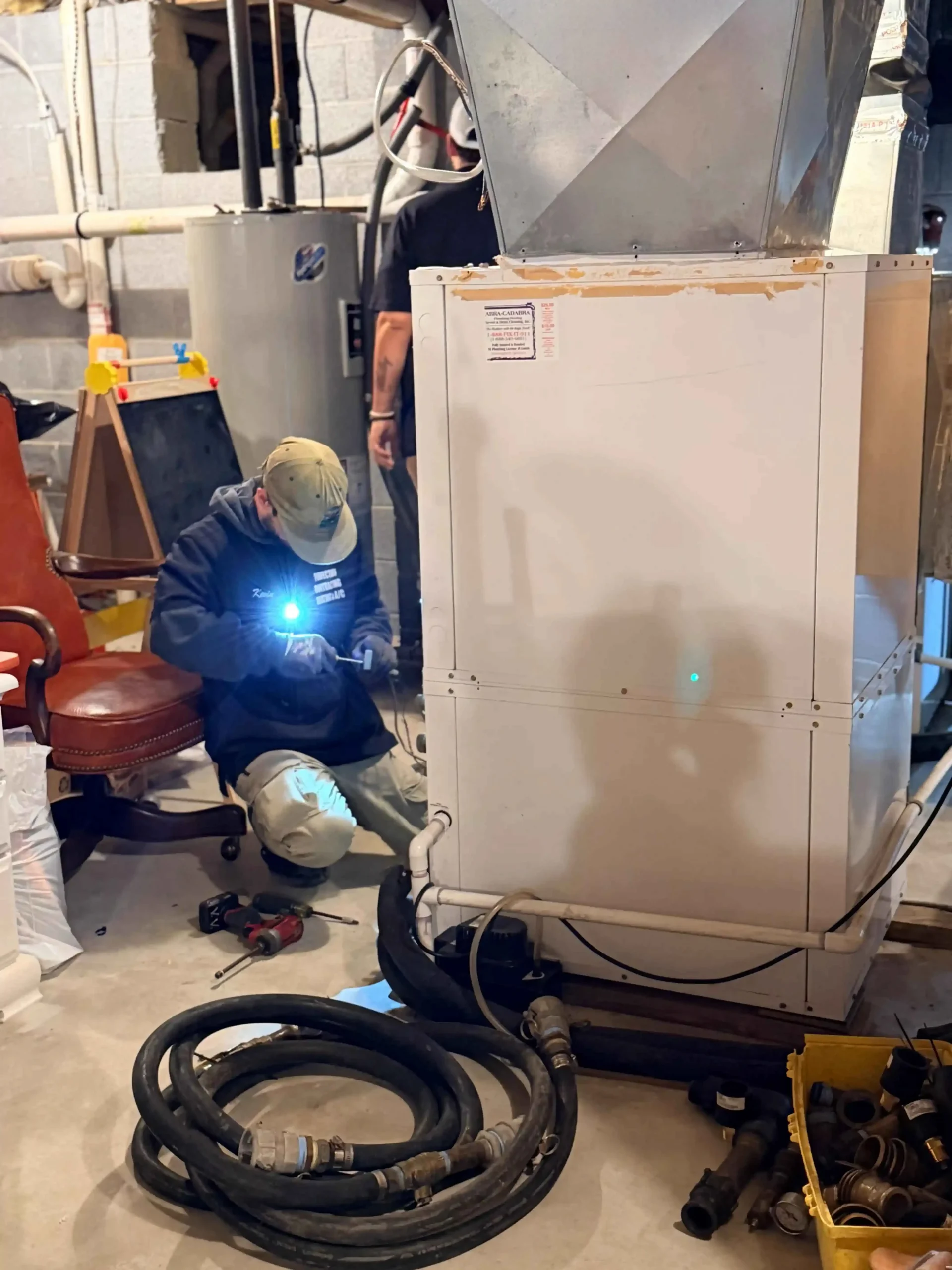
Routine care keeps the system running and avoids big repairs. Simple checks and an annual pro visit go a long way. From our experience, small maintenance pays off over the years.
- Routine Maintenance: Regular maintenance tasks include checking filters, inspecting the ground loop, and ensuring the heat pump operates efficiently.
- Common Issues: Homeowners should be aware of common issues such as refrigerant leaks or electrical problems that may require professional attention.
- Professional Maintenance: Scheduling annual professional maintenance can help identify potential issues before they become significant problems.
What Routine Maintenance Keeps Your System Running Smoothly?
Change or clean filters every 1–3 months. Look for debris around outdoor parts. Keep indoor vents clear. Schedule a yearly check with a qualified technician.
- Change Filters Regularly: Replace or clean filters every 1-3 months to ensure optimal airflow.
- Inspect the Ground Loop: Regularly check the ground loop for any signs of damage or leaks.
- Schedule Annual Check-Ups: Have a professional technician perform an annual inspection to ensure all components are functioning correctly.
How Does Proper Upkeep Extend System Lifespan and Save Money?
Keeping the system tuned up prevents small problems from growing. That extends the life of key parts and lowers repair bills. It also keeps energy use down, which saves you money.
How Does Geothermal HVAC Compare to Traditional Heating and Cooling Systems?
Geothermal and traditional systems differ in how they make heat and how much energy they use. Geothermal uses the ground as a stable source. Traditional systems often burn fuel or use air, which can be less steady.
- Efficiency Differences: Geothermal systems are significantly more efficient than traditional systems, often achieving efficiency ratings of 400% or more.
- Cost-Effectiveness: While the initial investment is higher, the long-term savings on energy bills make geothermal systems more cost-effective over time.
- Environmental Impact: Geothermal systems produce fewer emissions compared to fossil fuel-based systems, making them a more environmentally friendly option.
What Are the Key Differences in Efficiency and Environmental Impact?
Geothermal draws on the ground’s steady temperature, so it uses less power. Traditional systems often burn fuel, which raises emissions. For homeowners who want lower emissions and steady performance, geothermal is the better choice.
When Is Geothermal the Better Choice for NJ Homes?
Geothermal fits certain homes and plans better than others. It makes the most sense for families who plan to stay long term, new builds, or properties with enough land for loops. Those cases deliver the clearest value.
- Long-Term Homeowners: Homeowners planning to stay in their homes for an extended period will benefit most from the long-term savings and increased property value.
- New Construction: New homes provide an excellent opportunity to incorporate geothermal systems from the start, optimizing design for installation.
- Properties with Sufficient Land: Homes with adequate land for ground loop installation are ideal candidates for geothermal systems.
What Should NJ Homeowners Consider Before Choosing Geothermal HVAC?
Before you choose geothermal, check costs, incentives, and installer experience. Make sure the system size matches your home and that financing fits your budget. A good installer will walk you through these points.
- Initial Investment: Evaluate the upfront costs and potential financing options.
- Incentives: Research available state and federal incentives that can reduce installation costs.
- Professional Installation: Ensure that a qualified contractor is selected for installation to guarantee optimal performance.
What Common Mistakes Should You Avoid When Selecting a System?
Avoid wrong sizing, skipping maintenance, and missing rebates. A system that’s too big or small wastes money. Neglecting service leads to early failures. Check for incentives so you don’t miss savings.
- Incorrect Sizing: Choosing a system that is too small or too large can lead to inefficiencies and increased costs.
- Ignoring Maintenance: Neglecting regular maintenance can shorten the lifespan of the system and lead to costly repairs.
- Overlooking Incentives: Failing to research available rebates and incentives can result in missed savings opportunities.
How Can You Make a Smart, Long-Term Decision for Your Home?
Choose wisely with these steps: study system options, look at lifetime savings, and talk with experienced installers. From our experience, that process leads to choices that pay off over years, not months.
- Research Options: Investigate different systems and their benefits to find the best fit for your home.
- Consider Long-Term Savings: Evaluate the potential energy savings and increased home value over time.
- Consult Professionals: Seek advice from experienced contractors to ensure the best installation and maintenance practices.
Frequently Asked Questions
What is the lifespan of a geothermal HVAC system?
Indoor geothermal units usually last about 20 to 25 years. The ground loop can last more than 50 years when installed and cared for properly. That long life helps make the system cost-effective over time.
Can geothermal systems work in small homes or properties with limited land?
Yes. Geothermal works on smaller sites too, but it may need vertical loops or compact setups. Those options can cost more to install. Talk with a professional to find the right approach for your lot.
What maintenance tasks can homeowners perform on their geothermal systems?
You can do simple checks yourself. Change filters, clear debris from outdoor parts, and keep vents open. Watch system performance and report anything unusual to your service tech.
Are there any environmental regulations for geothermal installations in New Jersey?
Yes. Permits and local zoning rules often apply. Installers must also protect groundwater. Check with local authorities or a qualified installer to make sure you meet all rules before work begins.
How do geothermal systems compare in performance during extreme weather conditions?
Geothermal systems hold up well in extreme weather. They use ground heat, which stays relatively steady. That steadiness gives more reliable comfort than some air-source systems in very cold or hot weather.
What features should I look for in a geothermal HVAC installer?
Look for proper licensing, clear experience with geothermal, and good reviews. A solid installer does a full site evaluation, offers warranties, and explains routine care in plain terms. That helps ensure a correct installation and reliable performance.
Is it possible to combine geothermal HVAC with other energy systems?
Yes. Geothermal can work with solar panels or backup heat systems. Pairing systems can cut grid use and lower bills. Discuss hybrid options with your installer to see what fits your goals.
Conclusion
Geothermal HVAC can cut energy costs, boost comfort, and raise home value for New Jersey homeowners. The system also lowers greenhouse gas emissions, which helps the planet and future bills. If you want long-term savings, check incentives and talk with an experienced installer to see if geothermal fits your home.
Related Services
Keep Reading
- Cracked Heat Exchanger: Warning Signs, Carbon Monoxide Risk, and Whether It Means a New Furnace
- How to Fix Inconsistent Cooling in Your Home Without Major Renovations
- Do You Have a Heat Pump or a Furnace?
Browse all HVAC tips and guides.
Need a technician? Perfection Contracting serves homeowners across Sussex County, NJ and the surrounding North Jersey service area.