How to Tell If You Have a Heat Pump or a Furnace: Clear Signs and Smart Choices for NJ Homeowners
From our experience, knowing whether your home has a heat pump or a furnace makes maintenance and upgrades simpler. Many New Jersey homeowners aren’t sure which system they own. This guide points out clear signs of each system, the differences between them, and common mistakes to avoid so you can make smart, long-term choices.
- Heat pumps provide both heating and cooling, while furnaces only offer heating functionality.
- Heat pumps transfer heat from outside air, making them more energy-efficient in moderate climates.
- Furnaces burn fuel such as gas, oil, or electricity and require venting systems for exhaust gases.
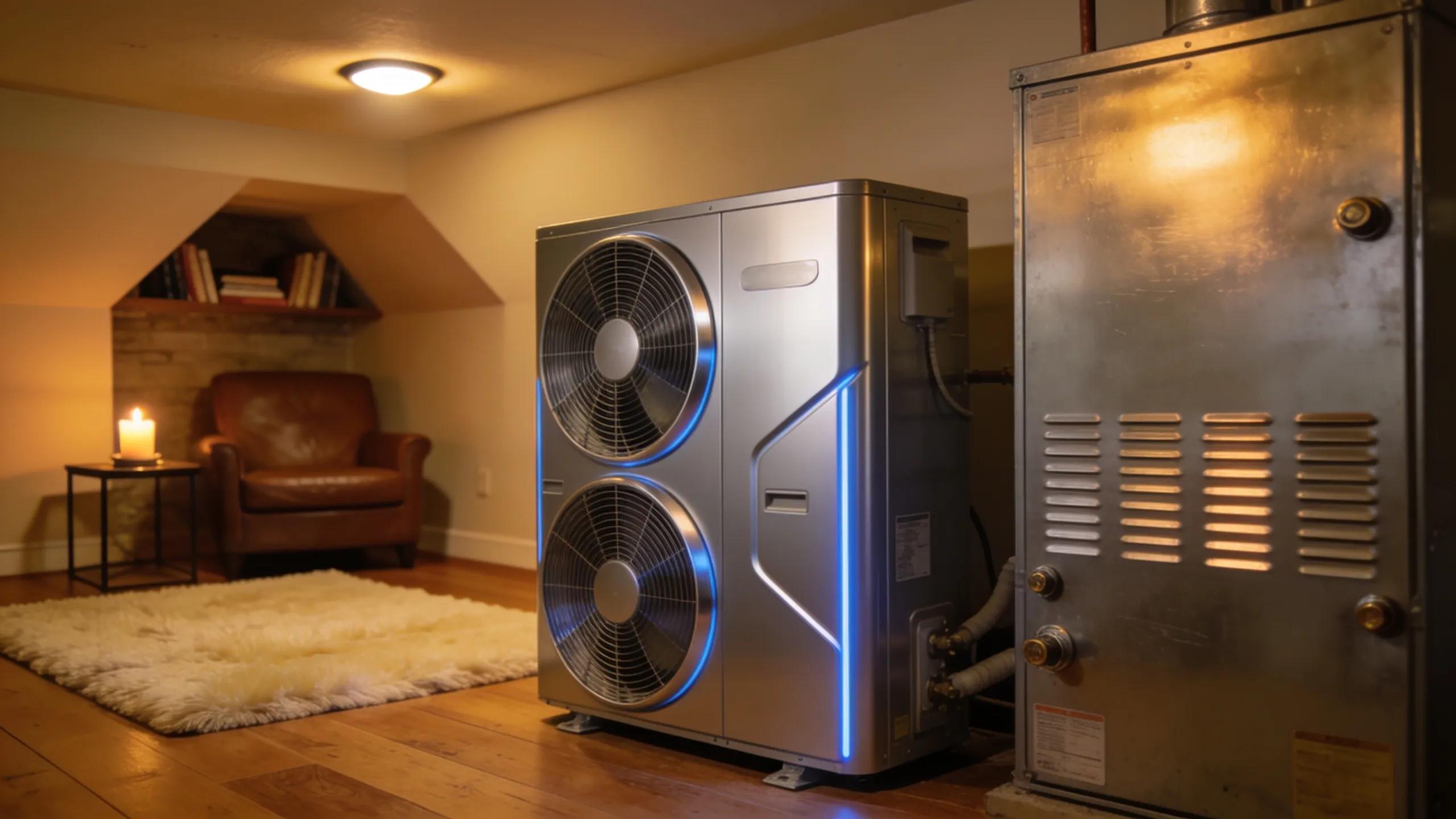
- Heat pumps typically have an outdoor unit resembling an air conditioner and operate more quietly than furnaces.
- Thermostats for heat pumps often include settings for both heating and cooling modes.
- Common homeowner mistakes include confusing system types and neglecting specific maintenance requirements.
- Regular filter changes and annual professional inspections are essential for maintaining both heat pumps and furnaces.
- Hybrid systems combining heat pumps and furnaces can offer optimal heating performance in varied climates.
- Consulting licensed HVAC professionals familiar with local needs ensures proper system identification and maintenance.
Identifying Your System
Knowing which system you have matters for comfort and cost. Heat pumps and furnaces work in different ways and need different care. Homeowners often miss the signs and apply the wrong maintenance. Spotting the right clues helps you take the correct steps to keep the system running well.
Signs of a Heat Pump:
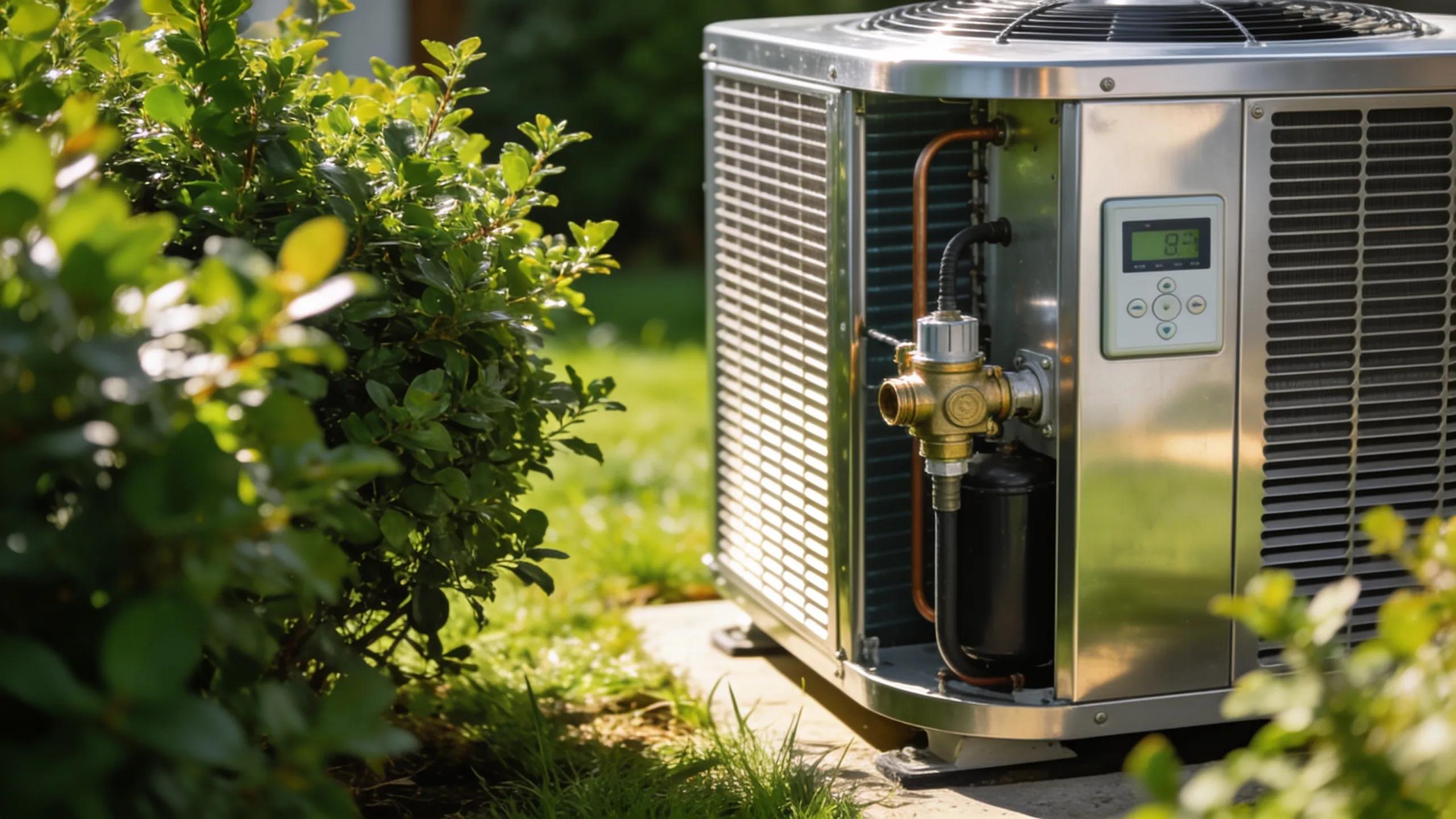
Heat pumps heat and cool your home. Look for these clear indicators:
- Dual Functionality: If your system can both heat and cool your home, it is likely a heat pump.
- Outdoor Unit Presence: Heat pumps typically have an outdoor unit that resembles an air conditioning unit.
- Energy Efficiency Benefits: Heat pumps can reduce electricity use for heating by about 30% to 40% compared to traditional furnaces in moderate climates.
If youre thinking about installing or servicing a heat pump, Perfection Contracting Inc offers air conditioning installation to help improve your home’s energy use.
Signs of a Furnace:
/>
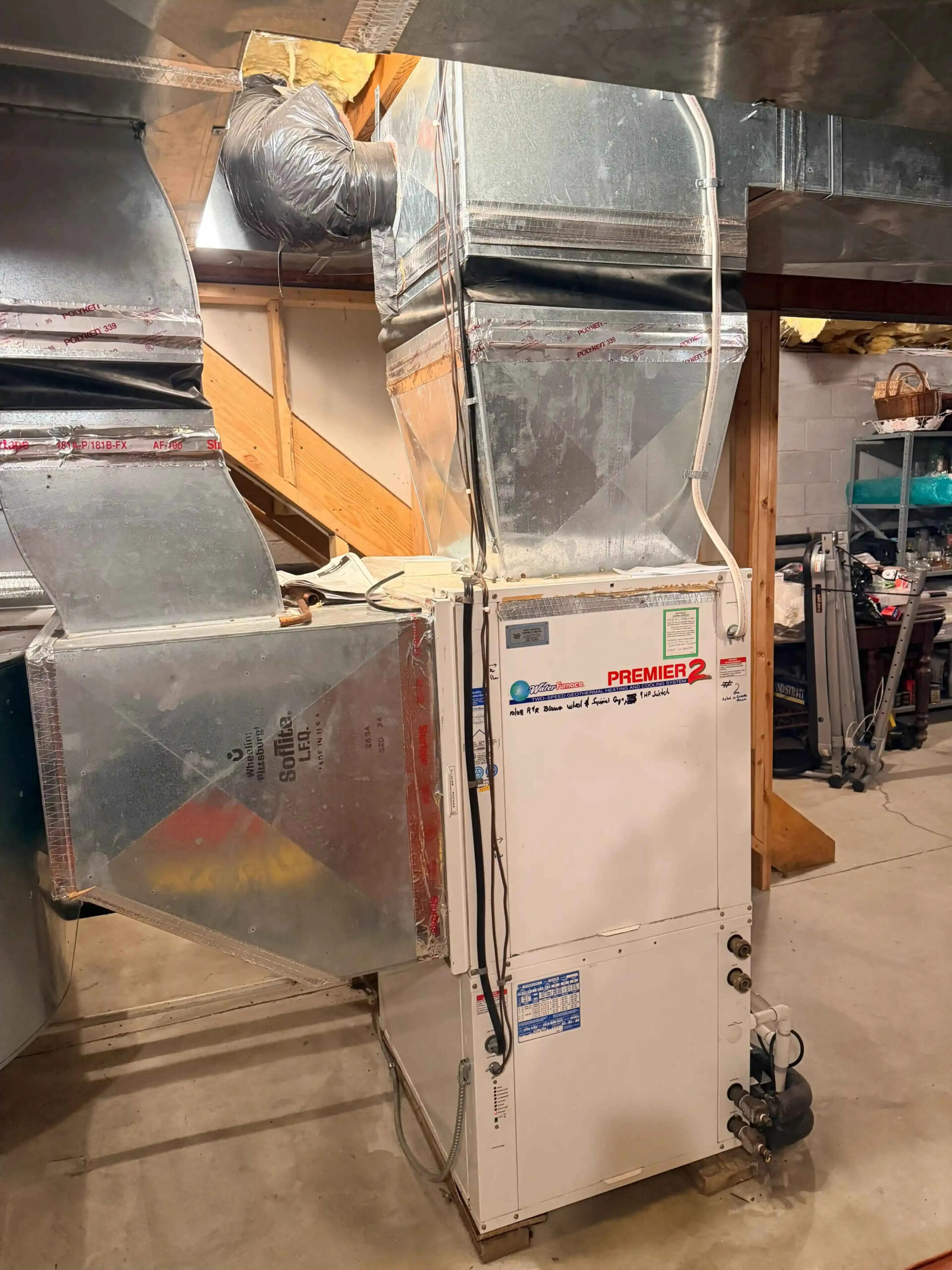
Furnaces only provide heating and have a few clear markers. Look for these signs:
- Single Functionality: If your system only provides heating, it is likely a furnace.
- Venting Systems: Furnaces require venting systems to expel exhaust gases, which can often be seen in the home.
- Fuel Types Used: Furnaces can be powered by gas, oil, or electricity, depending on the model.
If you think you have a furnace, call a licensed technician to confirm and set up the right maintenance plan.
Differences Between Heat Pumps and Furnaces
Knowing how these systems differ helps you choose the right option for your home. Heres a quick comparison of their main traits:
This table shows heat pumps generally use less energy, while a furnaces running costs and installation can change based on the fuel type.
Smart Choices to Consider
When youre deciding between a heat pump and a furnace, think through these factors:
- Energy Efficiency Considerations: Heat pumps are often more energy-efficient, especially in moderate climates.
- Hybrid Systems: Some homeowners opt for hybrid systems that combine both heat pumps and furnaces for optimal performance.
- Professional Consultation Importance: Consulting with HVAC professionals can help you choose the best system for your home’s specific needs.
For advice and installation, Perfection Contracting Inc offers air conditioning installation to help you choose the right system for long-term comfort.
What Are the Key Signs You Have a Heat Pump?
These features point to a heat pump:
- Reversing Valve Presence: Heat pumps have a reversing valve that allows them to switch between heating and cooling modes.
- Thermostat Labels: If your thermostat has settings for both heating and cooling, it may indicate a heat pump.
- Operational Differences: Heat pumps often run more quietly than traditional furnaces, especially during heating cycles.
Use these clues to confirm if your system is a heat pump.
How Does a Heat Pump Look and Sound in Your Home?
Heat pumps look like air conditioners, with an outdoor compressor and an indoor air handler. They usually run quietly and make a soft hum, not the loud sounds of combustion systems. Those traits help you spot them around the house.
What Thermostat Behaviors Indicate a Heat Pump System?
If your thermostat switches between heating and cooling or shows both settings, its likely set up for a heat pump. Watching how the thermostat behaves can help you identify the system correctly.
How to Identify a Furnace Heating System in Your Home
To spot a furnace, look for a large metal box in the basement or utility room that houses the unit. If vents blow hot air during winter, thats another clear sign of a furnace system.
Doing these checks helps you be sure which heating system you have.
What Are the Main Differences Between Heat Pumps and Furnaces?
Heat pumps move heat from outside air, which can save energy in milder climates. Furnaces create heat by burning fuel, which can raise operating costs. Knowing these differences helps you pick the best option for your home and budget.
What Common Mistakes Do Homeowners Make When Identifying Their Heating System?
Homeowners often mix up how each system works, skip the right maintenance, or try DIY wiring changes they shouldnt. These errors can cause safety risks and poorer performance.
Avoid these mistakes to keep your heating system running well.
How to Avoid Misidentification and Choose the Right Maintenance Approach
Use these steps to avoid misidentifying your system:
- Regular Maintenance Importance: Schedule annual inspections with HVAC professionals to ensure proper identification and maintenance.
- Common Mistakes to Avoid: Educate yourself about the specific characteristics of heat pumps and furnaces to avoid confusion.
Schedule a pro check and learn the systems basics so your equipment stays correctly identified and maintained.
How Should You Maintain Your Heat Pump or Furnace for Lasting Comfort?
Keep your system reliable with a few routine tasks:
- Regular Filter Changes: Change filters every 1-3 months to ensure optimal airflow and efficiency.
- Annual Inspections: Schedule professional inspections to identify potential issues before they become major problems.
- Common Maintenance Tasks: Keep the outdoor unit clear of debris and ensure proper airflow around the system.
These simple steps help extend your systems life and keep your home comfortable.
For more on common heat pump problems and how users spot them, see the research below.
Identifying Heat Pump Problems: User-Centric Recognition and Classification
1. Heat pumps are key to moving buildings toward lower-carbon heating. Small installation or setting mistakes can cut performance over time. Smart meters now record electricity patterns that can reveal issues, even for systems not connected to the Internet. This study looked at 228 on-site heat pump inspection reports in Switzerland and found 47 problem classes. Using that data and expert interviews, the authors created and tested a classification of problems. They show which problems are likely to appear in smart meter data and that owners could help recognise and fix some issues if they get simple rules and instructions. The study also covers ideas for systems that automate detection and encourage owners to act, such as asking for professional help or checking the system themselves.2. About a quarter of the worlds final energy use is for heating in homes (IEA 2021). Driven by climate goals and geopolitical reasons, replacing gas- and oil-based heating is a policy priority. For that shift, heat pumps are one of the main alternatives.
Identification and classification of heat pump problems in the field and their implication for a user-centric problem recognition, A Weigert, 2022
Where Can NJ Homeowners Find Reliable Help for Heat Pump and Furnace Services?
If you need HVAC help in New Jersey, local providers like air conditioning repair can assist. They handle system identification, maintenance, and installation so your home stays comfortable all year. Talking with a pro gives you peace of mind and keeps your system running as it should.
How to Choose Trusted HVAC Professionals in Morris County and Surrounding Areas
Picking the right HVAC technician matters. Use these criteria to choose a trustworthy pro:
- Criteria for Choosing Professionals: Look for licensed and insured contractors with positive customer reviews.
- Local Expertise Importance: Choose professionals familiar with the specific heating needs of Morris County and surrounding areas.
Follow these tips to find a local, trustworthy technician for your heating system needs.
Frequently Asked Questions
1. What energy efficiency advantages do heat pumps have compared to furnaces?
Heat pumps usually use less energy than furnaces. They move heat from outside air and can cut heating electricity by about 30% to 40% in mild climates. That often means lower bills and less carbon output if your area stays mild. Furnaces make heat by burning fuel and can cost more to run.
2. How can I tell if my heating system needs maintenance?
Watch for odd noises, uneven rooms, or rising energy bills. Those are signs somethings wrong. A clear drop in performance means call a technician. Change filters regularly and book annual checks to catch problems early.
3. What common repairs might I need for a heat pump?
Common heat pump repairs include the reversing valve that switches heating and cooling, refrigerant leaks that hurt cooling, and outdoor unit issues like blockages or failed fans. Regular care reduces risk, but have a qualified tech handle major repairs.
4. Are there different types of furnaces, and how do they affect efficiency?
Yes. Furnaces can run on gas, oil, or electricity. Each type works differently and has different efficiency levels. Gas furnaces often have higher efficiency than oil models. The fuel you choose affects installation cost and how much youll spend to heat your home.
5. Can I switch from a heat pump to a furnace, or vice versa?
You can switch systems, but it may need changes to ductwork, wiring, or fuel lines. Consider your climate, existing ducts, and energy costs first. Talk to a licensed HVAC pro to check feasibility and long-term value.
6. What factors should I consider when upgrading my heating system?
When upgrading, think about energy use, home size, climate, and budget. More efficient systems can cost more up front but save money over time. Also check fuel availability and whether you want both heating and cooling in one system. A pro can help you weigh the options.
7. How do weather extremes affect heat pump efficiency?
Very cold weather can reduce a heat pumps output. They perform best in moderate climates. In extreme cold you may need backup heat. Know how your model works in low temperatures and plan for service and any needed supplemental heating.
Conclusion
Knowing whether you have a heat pump or a furnace helps you care for it properly and save over time. Spot the differences, follow the right maintenance, and get regular checks from trusted HVAC pros. For personalised advice and service, contact your local HVAC expert today.
Related Services
Keep Reading
- Furnace Safety: How to Protect Your Home From Carbon Monoxide
- Is Radiant Floor Heating Worth It in a NJ Home?
Browse all HVAC tips and guides.
Need a technician? Perfection Contracting serves homeowners across Sussex County, NJ and the surrounding North Jersey service area.